WPA: Putting Art to Work
How FDR's New Deal project put artists to work creating millions of posters.
Apr 13, 2015
Originally published on: Feb 13, 2006
GUEST: This is a little bit of New Deal history that we found at a junk shop in scenic Fort Payne, Alabama. We were driving through and saw a store and went in, and because I helped the guys unload a heavy piano, they said they would give me a discount on anything we found inside, so we picked this up for ten dollars.
APPRAISER: And what was it about it that appealed to you?
GUEST: Well, it just kind of goes with the style of things that are in our house in general. We've got some World War II propaganda-type posters, and we knew a little bit about the New Deal and thought that it would look really cool hanging in our hallway.
APPRAISER: The New Deal predates the Second World War, and by all accounts, this poster was designed in 1935. It's an anonymous work, as many of the things that were done for the Work Progress Administration were, as many things that were part of the Federal Art Project were, done by very talented artists that the government was employing to help support the economy during the Depression. Now, the WPA lasted roughly from 1935 to 1943, and during that time, by all published accounts, the WPA published more than two million posters. And these posters covered the fields of art, of history, of education, of travel, of safety, and they were distributed all around America. Now, unlike the other WPA posters, which are much more artistic, this one is purely typographic. On the bottom, stenciled over the letters "WPA" are some numbers. You know what those numbers mean, right?
GUEST: Well, we wrote to the National Archives and they put someone on the case, and all they could tell us was that this was hung in Massachusetts at a courthouse construction project from 1936.
APPRAISER: You showed me the email that you got from the National Archives, and they attribute this specific project to a courthouse, the Fitchburg, Massachusetts, courthouse.
GUEST: That's right.
APPRAISER: It was a $6,000 project, and the WPA contributed I think $4,900. I could only locate three or four copies in museums in America.
GUEST: Interesting.
APPRAISER: Now, that said, this poster is not in good condition.
GUEST: Right.
APPRAISER: It's safe to say this poster is in bad condition, and I think part of the charm of this piece is the way it looks. I would simply frame it and keep it out of the direct light. That'll preserve it from getting worse. None of these have ever come up for sale before, so there are no comparables. Over the years, they took all the blank posters that they printed, over-printed them with the project numbers, so we know intuitively that there were a lot of them out there, but we haven't seen them on the market. So my conservative estimate at auction would be between $2,000 and $3,000.
GUEST: Wow! Roll Tide, that's great.
APPRAISER: I would think in good condition, you're probably talking $7,000, $8,000, $9,000.
GUEST: That's beautiful, wow.
_Editor's Note 4.13.2015: Originally published in 2006, this article discusses President Franklin D. Roosevelt's New Deal program to put millions of unemployed Americans back to work through the Works Progress Administration, including many government-employed artists who created posters advertising the program itself. Those posters have become highly collectible today.
KEY POINTS FROM THIS ARTICLE:
- A guest presented six rare, colorful silkscreen posters created by the WPA's Federal Art Project, a New Deal program employing artists during the Great Depression.
- Expert Nicholas Lowry called the set "extraordinary graphic Americana," noting that few posters survived because the silkscreen medium is inherently fragile.
- The museum-quality collection, highly sought after by collectors, received a strong auction appraisal of $10,000–$15,000, confirming its high cultural value.
At the Houston ANTIQUES ROADSHOW, a woman came in with a remarkable collection of six colorful silkscreen posters from Illinois that were created during the late 1930s and early 1940s. One, from 1940, called "Democracy ... A Challenge," depicts Ms. Liberty's hand holding a torch in front of a field of stars. Another, titled "A Work of American Art in Every American Home," was made to publicize National Art Week in 1941.
The posters came out of the Works Progress Administration (WPA), President Franklin Roosevelt's attempt to put huge numbers of unemployed Americans back to work during the Great Depression. The WPA, launched in 1935 as part of the New Deal, employed mostly laborers who built thousands of schools, hospitals, playgrounds, libraries, roads, and municipal golf courses. Harry Hopkins, an adviser to Roosevelt and an advocate for the poor, made the point that "artists need to eat" too, which led to the first, and perhaps greatest, American government program to support the arts. It was called Federal Projects Number One (Federal One), and it employed a cadre of American artists, including writers such as Saul Bellow and Ralph Ellison, playwrights such as Clifford Odet, and musical composers such as Samuel Barber.
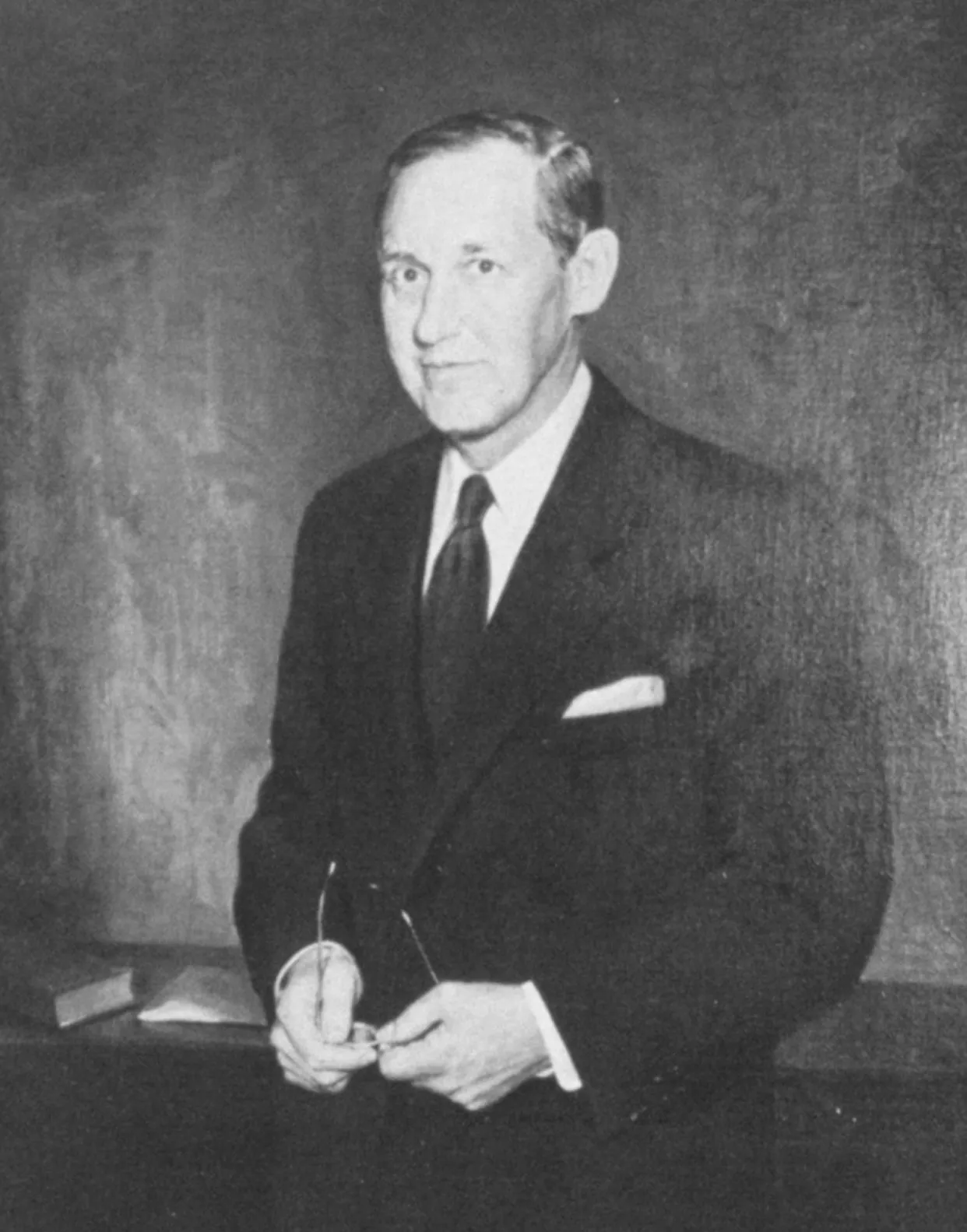
FDR adviser Harry Hopkins was instrumental in starting the Federal Art Project.
The posters that appeared at the Houston ANTIQUES ROADSHOW came out of a Federal One department, the Federal Art Project (FAP), which employed 5,000 artists who produced 4,500 murals, 19,000 sculptures, and 450,000 paintings in the eight years the program was operating. The government paid less than the private sector — artists were paid as little as $40 a month — but it was enough to keep artists fed and working. By 1938, thriving FAP offices existed in 18 states, with major offices in New York City, Philadelphia, and in Chicago, where some of the Houston guest's posters originated. The posters usually publicized WPA projects, including health and education programs, art exhibitions, plays, and musical performances. Richard Floethe, who directed the FAP's New York poster division, wrote that the goal of the poster division was to "preserve the skill of the unemployed artist" and return artists "to private industry ... with more knowledge in their profession and greater confidence in themselves." In the process, Floethe wrote in an essay for the book Art for the Millions, "the government unwittingly launched a movement to improve the commercial poster and raise it to a true art form."
A Very Fragile Art Form
At first, the artists created their designs and the lettering by hand, but later they used primarily a silkscreen process (woodcuts and lithographs were rarer), which enabled FAP to mass-produce their posters. Artists did the design, selecting the colors and sometimes cutting the stencils, and then technicians would screen the posters, creating as many as 600 posters a day. From 1936 to 1943, the period over which the WPA produced these posters, over two million were printed from about 35,000 designs. Today, only about 2,000 of these posters are known to exist — with about 900, the country's largest collection, stored in the Library of Congress's Prints and Photographs Division.
"The silk screen is a very fragile art form," posters expert Nicholas Lowry, of Swann Galleries in New York City, told the woman who brought in the posters to the Houston ROADSHOW. "Usually with WPA posters, the board will crack or the images will get scratched, so very few of them have survived. ... Usually you'll see them with the corners chipped off, with scratches through them." The owner, who received the posters from two elderly ladies who had taught at the Art Institute of Chicago, told Nicholas how she has managed to preserve them so well. "They have a special storage place under the bed," she said.
"I have to tell you," Nicholas told her, "in the 10 years that I've been conducting poster auctions, I have never seen so many WPA posters at once. They are so scarce that I usually see one at a time, if I'm lucky. ... This is really an extraordinary slice of graphic Americana, museum-quality pieces and something that currently collectors are clamoring to get their hands on."
How much money would these clamoring collectors pay for this collection of six WPA posters? "I would estimate that at auction, as a group," Nicholas said, "the six pieces that we have here are $10,000 to $15,000."
Related
By the People, For the People: The Posters from the WPA, 1936-1943 A website by the Prints and Photographs Division, part of the Library of Congress.
Art for the Millions: Essays from the 1930s by Artists and Administrators of the WPA Federal Art Project, by Francis V. O'Connor, editor (Greenwich, Conn.: New York Graphic Society, 1973).
The Library of Congress website listed above was the primary source for this article.
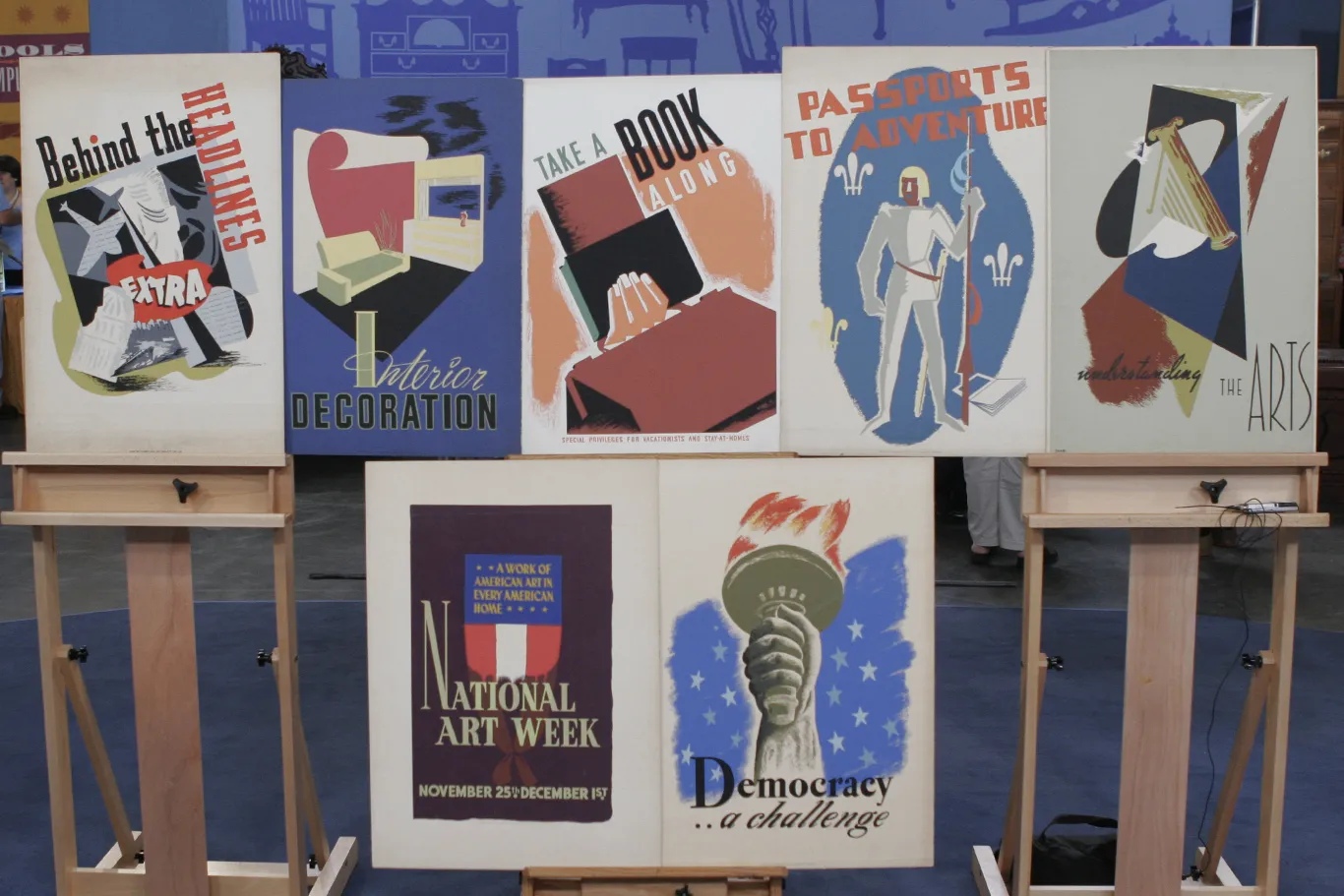
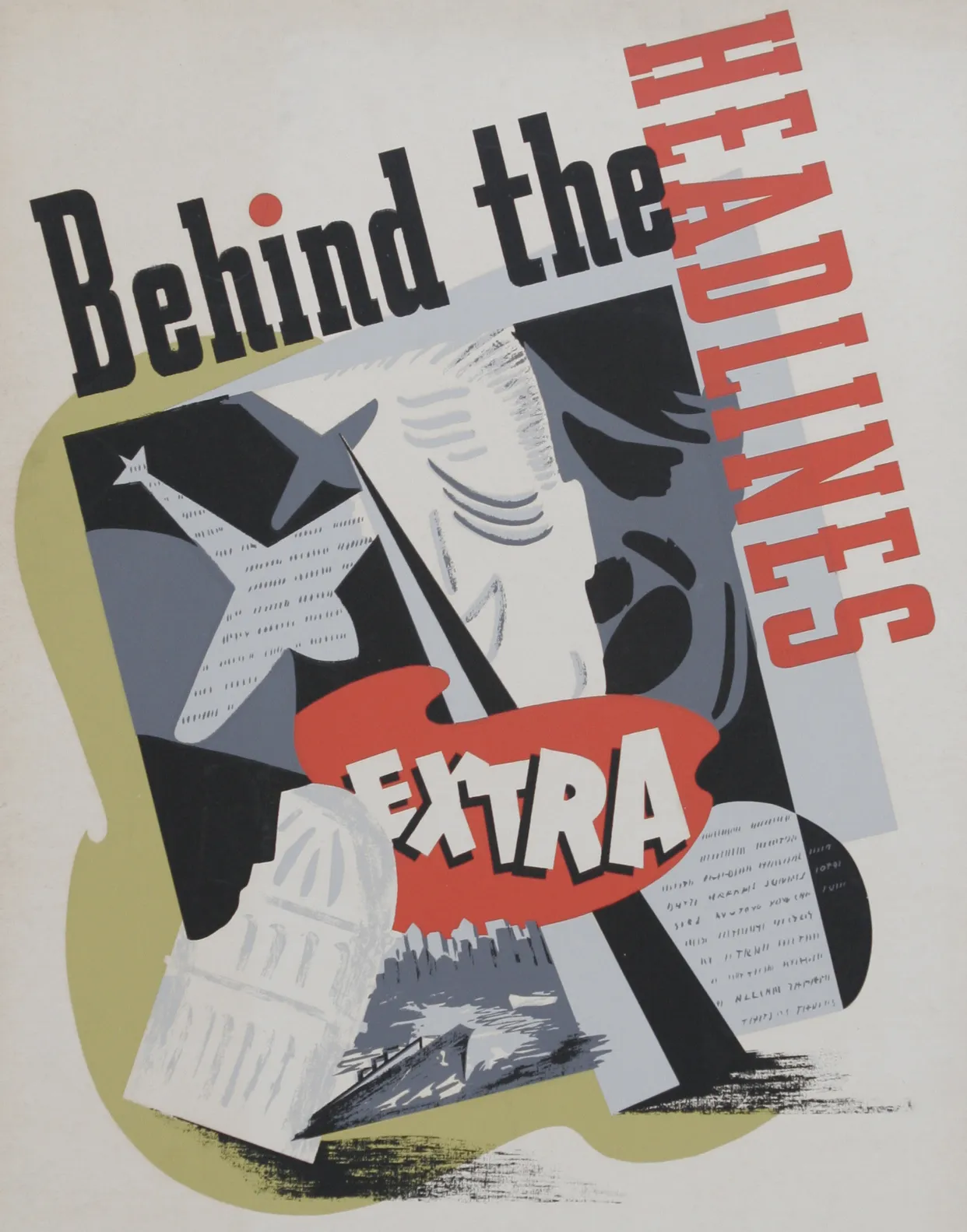
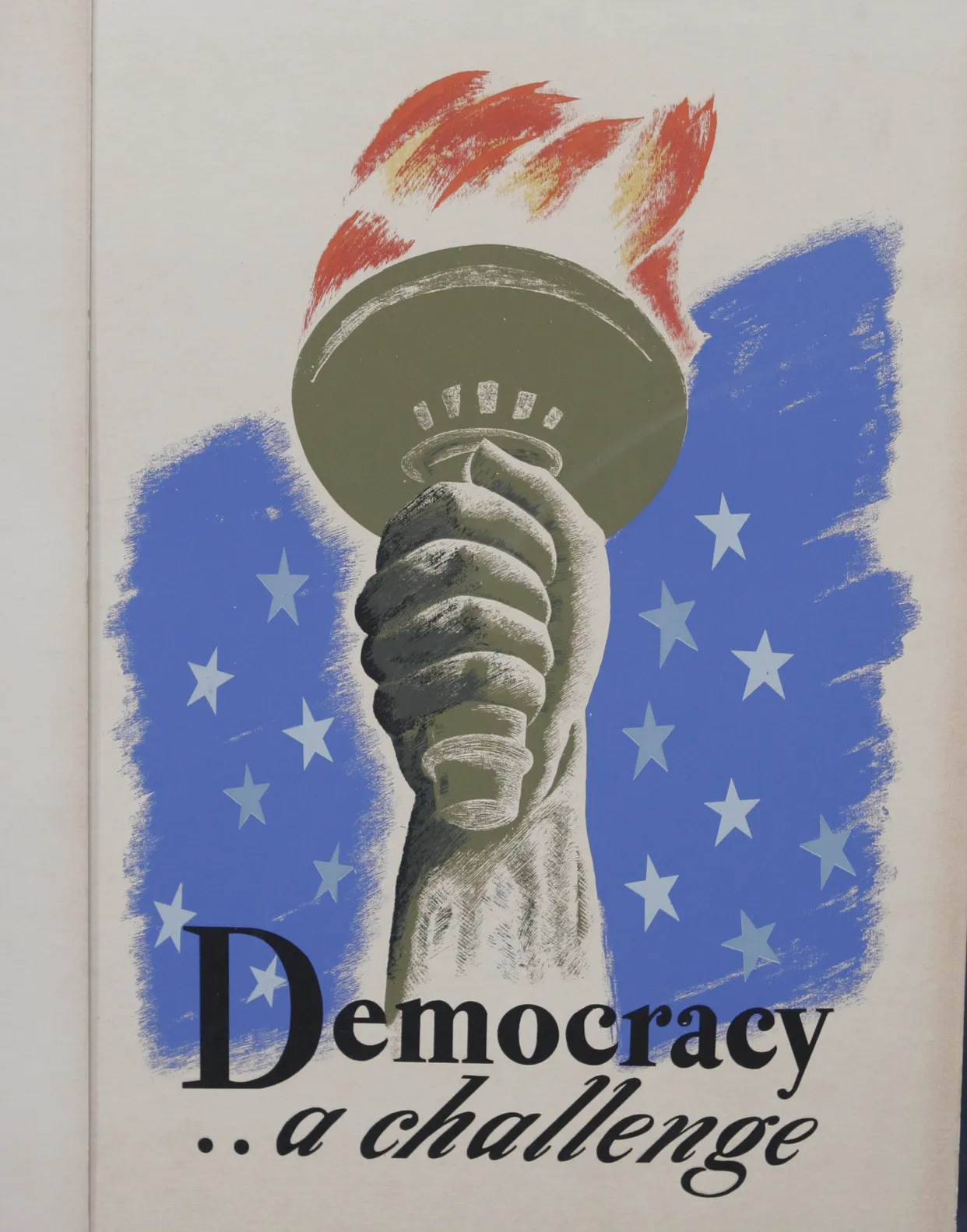
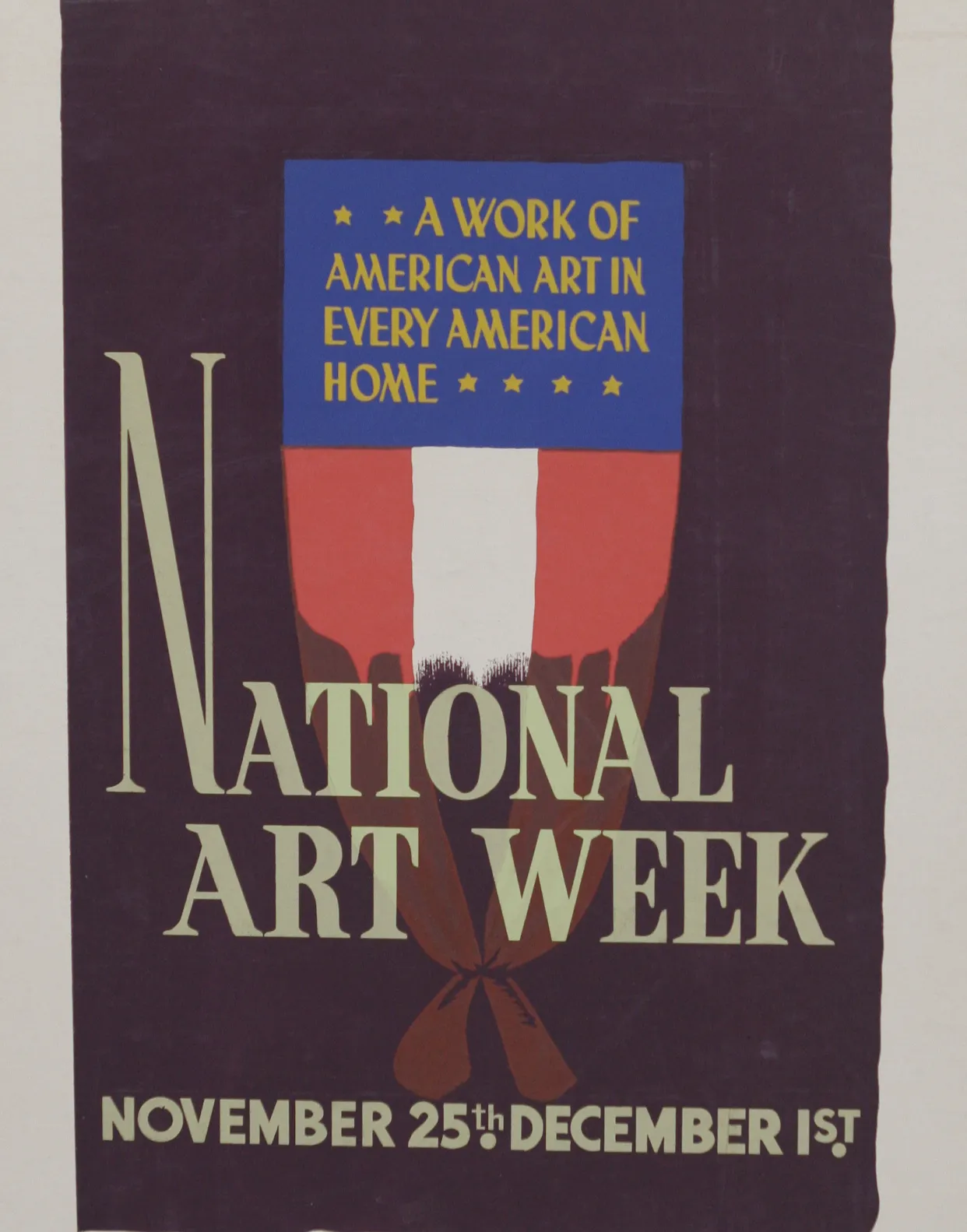
An unusually fine collection of posters created as part of the New Deal Federal Art Project during the 1930s.
Dennis Gaffney is a freelance writer in Albany, New York. He has been a contributor to Antiques Roadshow Online since 1998.


