York Salesman's Sample Safe, ca. 1916
GUEST: My grandfather was a salesman for the York Safe and Lock Company. It's my understanding that he used to lug this model around...
APPRAISER: (chuckles)
GUEST: ...to prospective customers, trying to sell them full-size vaults and safes. 'Cause it's so heavy, my mom was afraid to put it up on the shelf...
APPRAISER: (chuckles)
GUEST: ...for fear that it would fall.
GUEST: It's always been a conversation piece.
APPRAISER: It is a, a little gem, honestly. It's what we would call in the trade a salesman sample. It's got all the company information on it. York, uh, Safe and Lock Company, York, PA. And then it has a patent date of July 31, 1906. It's actually a working model, it's not just a, a toy model. It's, it's got-- it's so highly detailed. It's meant to represent the full-scale model. So we open the door and we can see the interior is exactly like the full-scale would, would appear, with this glass over the mechanism, so you could see it working. And that inner part would rotate to lock it inside the cabinet here. And it's even fitted with shelves inside. The patent on this was because of the, the circular design. Most safes at the time, especially if you watch cartoons, are big rectangular things that fall on your head. But those were easy to break into with explosives. This was harder to do with explosives because of the round shape. It would deflect a lot of the blast, and even if you did, you, you'd likely not be able to get into it like you could a paneled safe that would have had welded sides, and in fact... Close it back up, and we look on the back, it has this decal, which tells us it won the highest honors at the Panama-Pacific International Exposition. What's great about this is that it says "manganese steel safe." So manganese steel is a special kind of steel. It's less brittle than traditional steel. It's also non-magnetic. In fact, it was used during the war for soldiers' helmets so it wouldn't interfere with the compasses. Another selling point that they had painted on the front. A little bit of wear, but just enough wear to make you know it's, it's period, but not so much wear that it's lost some of its value because of, uh, of the loss of the design. Your grandfather carried it around for many, many years. And actually we have a picture of him, too. Is he, he's right, standing in front of a larger version of this, with a circular door.
GUEST: Mm-hmm. That's him.
APPRAISER: Did he ever talk about it?
GUEST: No-- unfortunately, he passed before I was born. I think it also had a case, at one point, that he would carry it around in.
APPRAISER: Is that anywhere in the attic?
GUEST: That's...
APPRAISER: (laughs)
GUEST: No, that's, that has never been... As long as I can remember, it was just this item.
APPRAISER: Got it. If this were to come up for auction today, I think a reasonable auction estimate would be $30,000 to $50,000.
GUEST: Oh, my goodness, that is... (laughs): That's amazing!
APPRAISER: It's a gem.
GUEST: And I might actually build a shelf for it now.
APPRAISER: I love it.
GUEST: That is remarkable.

$30,000 - $50,000 Auction
Featured In

episode
Maryland Zoo, Hour 1
Watch astonishing treasures from ROADSHOW’s Baltimore stop! One is $350,000 - $570,000!
Metals & Alloys
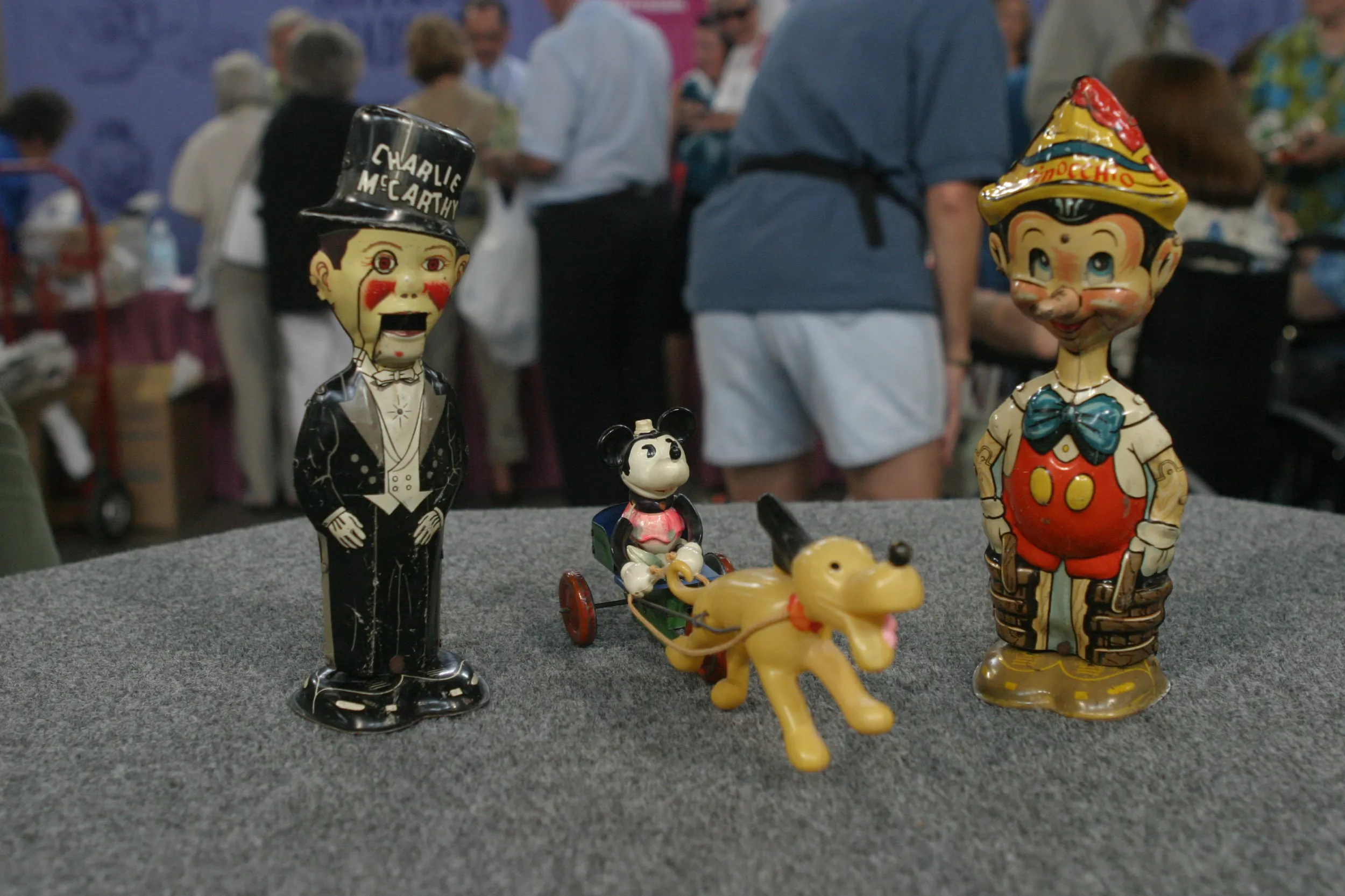
appraisal
Comic Wind-up Toys, ca. 1930
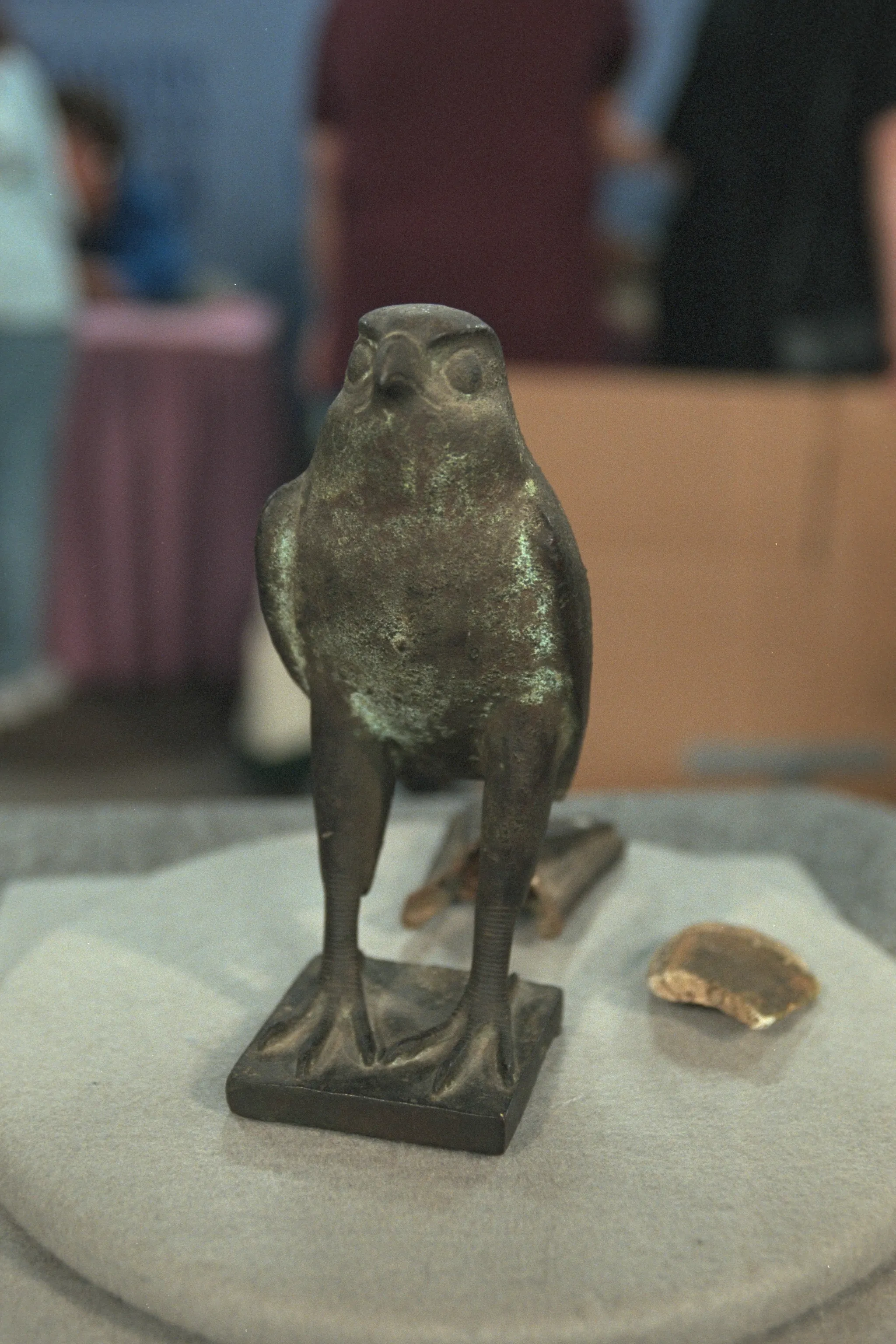
appraisal
Late Period Egyptian Bronze Falcon
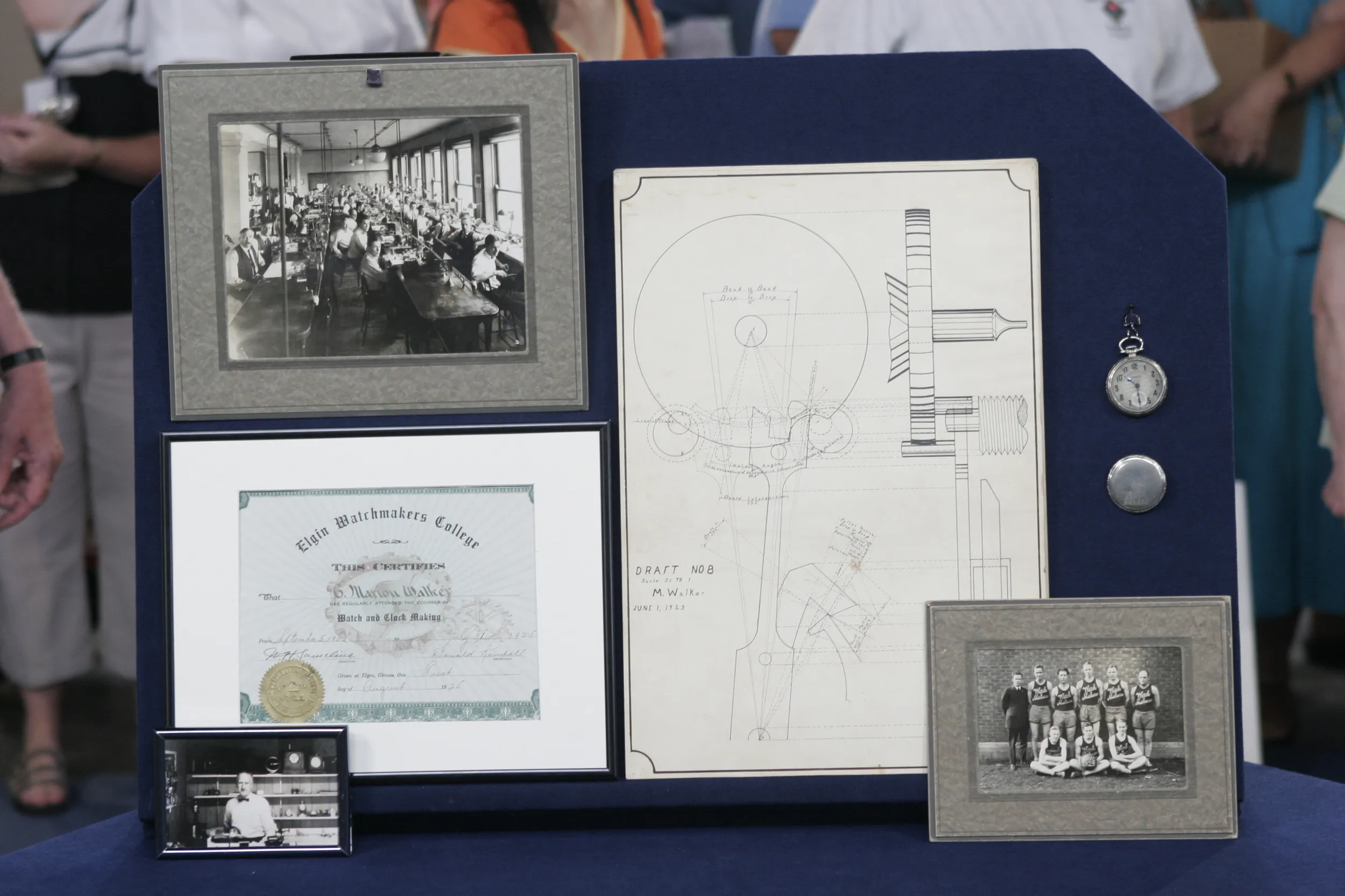
appraisal
Elgin Student Watch & Papers, ca. 1924
appraisal
Duncan Phyfe Sewing Table, ca. 1805
Understanding Our Appraisals
Executive producer Marsha Bemko shares her tips for getting the most out of ANTIQUES ROADSHOW.
Value can change: The value of an item is dependent upon many things, including the condition of the object itself, trends in the market for that kind of object, and the location where the item will be sold. These are just some of the reasons why the answer to the question "What's it worth?" is so often "It depends."
Note the date: Take note of the date the appraisal was recorded. This information appears in the upper left corner of the page, with the label "Appraised On." Values change over time according to market forces, so the current value of the item could be higher, lower, or the same as when our expert first appraised it.
Context is key: Listen carefully. Most of our experts will give appraisal values in context. For example, you'll often hear them say what an item is worth "at auction," or "retail," or "for insurance purposes" (replacement value). Retail prices are different from wholesale prices. Often an auctioneer will talk about what she knows best: the auction market. A shop owner will usually talk about what he knows best: the retail price he'd place on the object in his shop. And though there are no hard and fast rules, an object's auction price can often be half its retail value; yet for other objects, an auction price could be higher than retail. As a rule, however, retail and insurance/replacement values are about the same.
Verbal approximations: The values given by the experts on ANTIQUES ROADSHOW are considered "verbal approximations of value." Technically, an "appraisal" is a legal document, generally for insurance purposes, written by a qualified expert and paid for by the owner of the item. An appraisal usually involves an extensive amount of research to establish authenticity, provenance, composition, method of construction, and other important attributes of a particular object.
Opinion of value: As with all appraisals, the verbal approximations of value given at ROADSHOW events are our experts' opinions formed from their knowledge of antiques and collectibles, market trends, and other factors. Although our valuations are based on research and experience, opinions can, and sometimes do, vary among experts.
Appraiser affiliations: Finally, the affiliation of the appraiser may have changed since the appraisal was recorded. To see current contact information for an appraiser in the ROADSHOW Archive, click on the link below the appraiser's picture. Our Appraiser Index also contains a complete list of active ROADSHOW appraisers and their contact details and biographies.


