World War II Japanese Internment Camp Art
GUEST: I brought this pin that my Uncle Shiro made in the internment camp at Poston. That's my uncle right there, Shiro. My mom received this pin from Shiro, who is her brother-in-law, and she gave it to me. And then I had it framed, with the story and the picture of, of the camp. The other thing I have is this picture of him receiving his internment orders from this soldier.
APPRAISER: Did you know your uncle?
GUEST: No, he passed in, um, 1956.
APPRAISER: Tell us what's happening in this photo.
GUEST: He was living on Terminal Island. That was located in California. The soldier right there with the bayonet is giving the order to my uncle that they have to evacuate the island and go to the internment camp. I wonder what he's thinking as he's, as he's reading this.
APPRAISER: So when he was asked to leave, it wasn't to relocate 20 miles down the road.
GUEST: No.
APPRAISER: They took him all the way to Yuma.
GUEST: Yes. I've researched the National Archives, and they said that he was in the relocation camp from 1942 to 1946. I'm a Sansei, which is three generations. And I wasn't born during this period. And I read this book... Um... (voice trembling): And it was very hard to read, um... (clears throat) A lot of the Japanese received 48 hours or so to get their belongings and leave. And some of the men left and the women stayed with the children. My paternal grandparents and my maternal grandparents were too far inland, so they were not interred. (sniffles)
APPRAISER: Were they treated with respect by their fellow Americans?
GUEST: No. (sighs) When the war happened, they were asked to leave the church. And another thing that happened, my mother, and my grandmother and grandfather, had a farm in a small town in Utah. And... She heard all this noise. (sniffs) And she walked out. (voice trembling): And, um, there were some men in white sheets, and they're trying to push my grandfather's tractor into the lake. And my grandmother tried to stop them, and they pushed her down. I d... It's really hard for me to understand that hatred, or fear, or, or whatever emotions it was. Their house was egged. One of the teachers, um, taught the kids to say, "Go home..." I can't even say the word. Um, in Spanish. And she was the only Japanese in the class. My mom said that if she were in a relocation camp, they probably would have been safer. (sniffs)
APPRAISER: From tragedy, sometimes, comes art. And that's what we have here. What do you know about this?
GUEST: We believe that my uncle created it out of sagebrush, and they had paints. And if you can see, he painted it. It's amazing.
APPRAISER: Internment camp artwork is not exclusive to the experience of the Japanese Americans in the Second World War. This is something that militaria collectors, trench art collectors, see going back through time. Really, where you see the most of it is in the First World War. I find it interesting that this artwork that we see represented typically reflects the culture of those who are in that circumstance. So what we see here is the cultural tradition of Japan as it is manifested in internment camp artwork. The level of detail is beautiful.
GUEST: Mm-hmm.
APPRAISER: It's really pretty exquisite. And it is interesting that it's a way to cope...
GUEST: Mm-hmm.
APPRAISER: ...with being in an intolerable circumstance.
GUEST: Mm.
APPRAISER: Make something beautiful out of something that is not beautiful at all. The way that we disrespect one another. These are American citizens.
GUEST: Mm-hmm.
APPRAISER: And that's what made this so particularly heinous within the way that we look at history. The artifact clearly has emotional significance to you.
GUEST: Yes.
APPRAISER: It has cultural significance to the Japanese American community.
GUEST: Yes.
APPRAISER: And because of that, when these do come up for sale, there is often offense taken. I like to tell folks that there are three major components of the system that saves history. There's the family, who decided that something was worth saving. And then there are museums that can curate a tiny percent of what needs to be saved. And then there's the collecting community that steps in to do the rest.
GUEST: Mm-hmm.
APPRAISER: So we all work together to make sure that history is saved. Artifacts are conduits to the past. It's a touchstone. Every time you look at this, you're feeling what happened...
GUEST: Mm-hmm.
APPRAISER: ...to your family. And I think everybody else who looks at these things, when they see them, because they know the story, they can share in that and empathize with you. And that is really... There's the building blocks of making sure that we respect one another as human beings, and we don't let things like that happen again. If one of these was to come up for sale, I would expect to see a retail value of $1,000 to $1,500.
GUEST: It's priceless to me. It's interesting how things haven't really changed that much. I'm Japanese American. But I'm a person. My mom is 95, and she still has a deep, sad feeling.

$1,000 - $1,500 Retail
Featured In
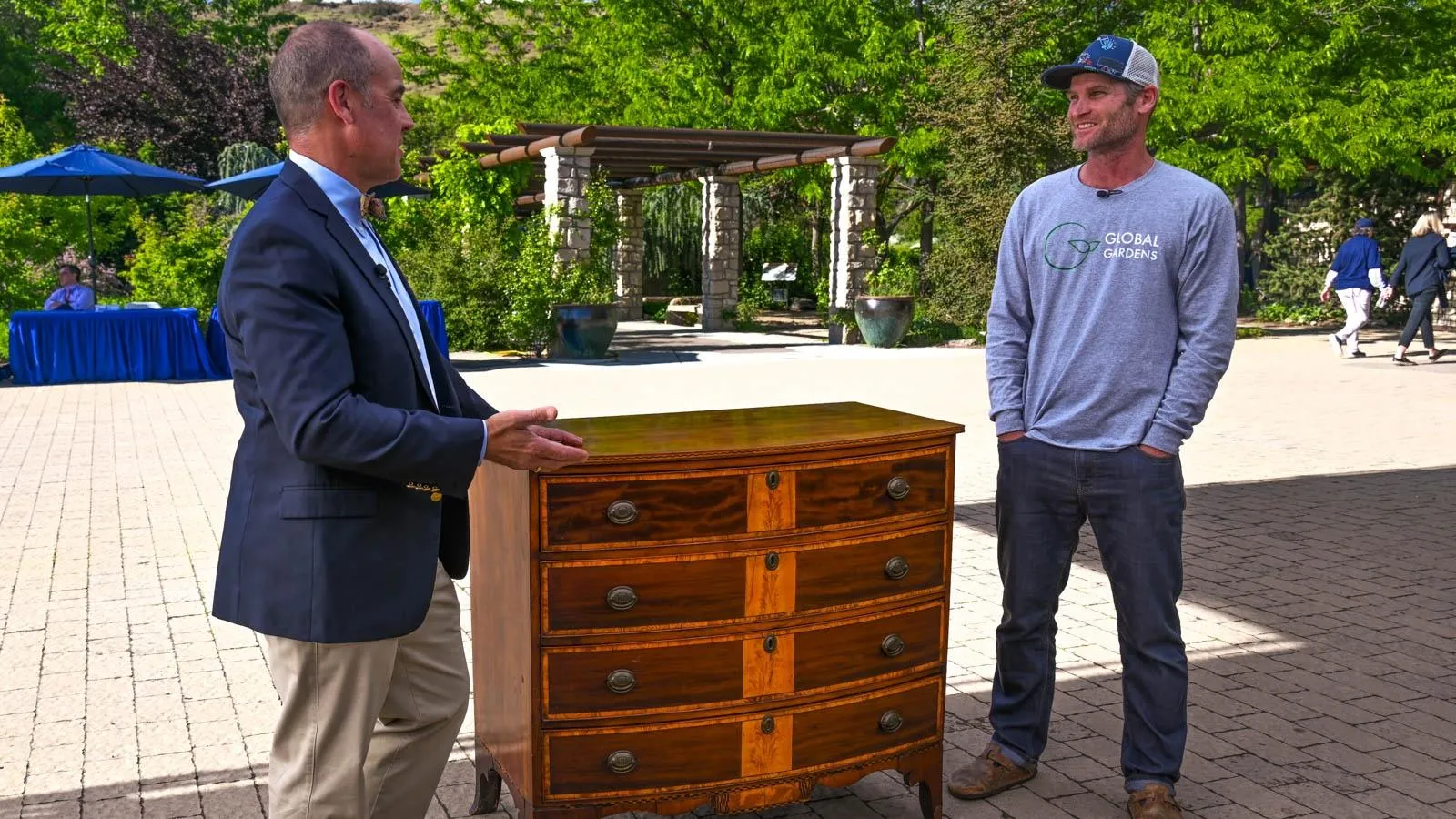
episode
Idaho Botanical Garden, Hour 2
Watch breathtaking Boise appraisals at Idaho Botanical Garden. One is up to $40,000!
20th Century
appraisal
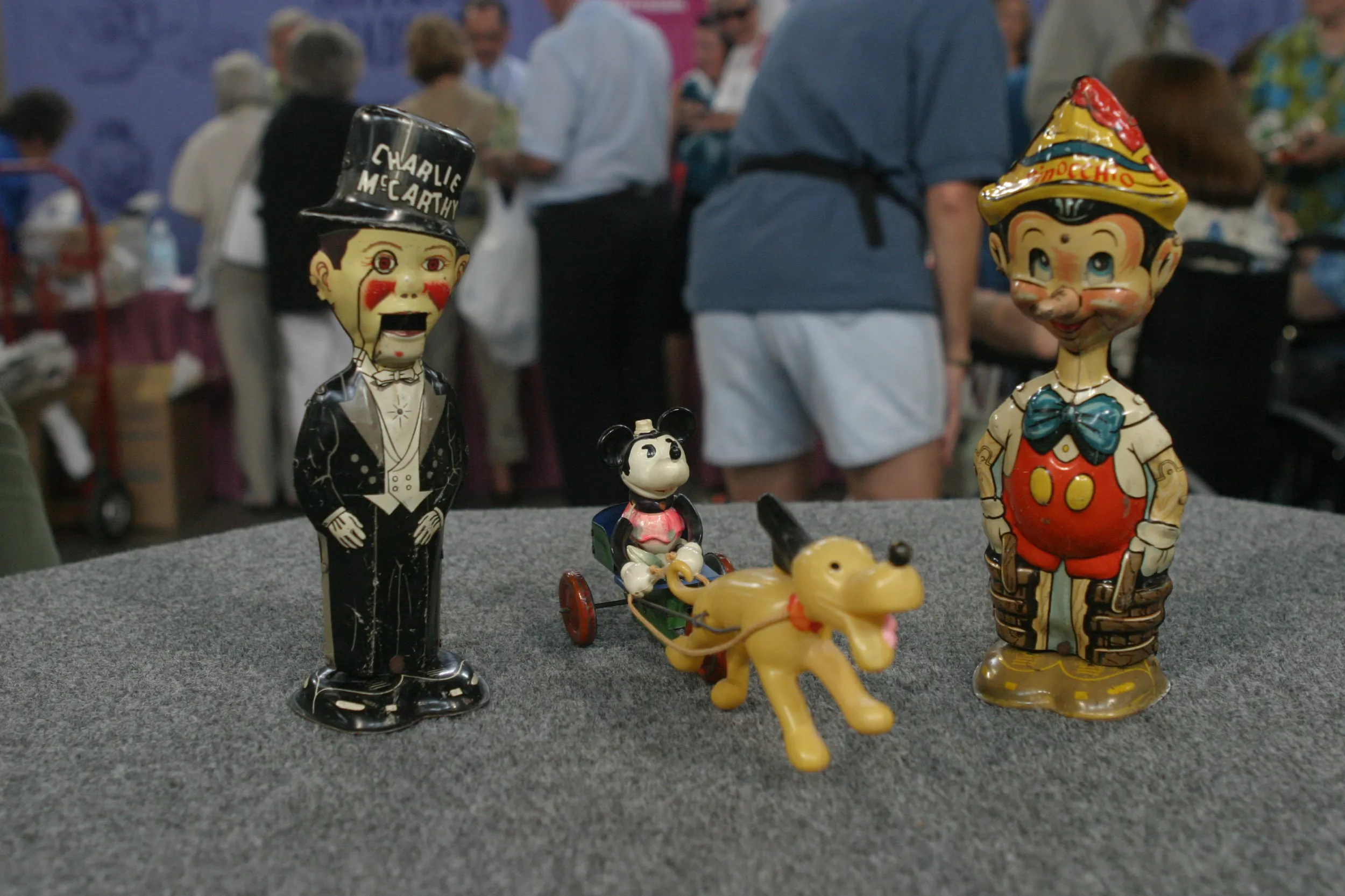
Comic Wind-up Toys, ca. 1930
appraisal
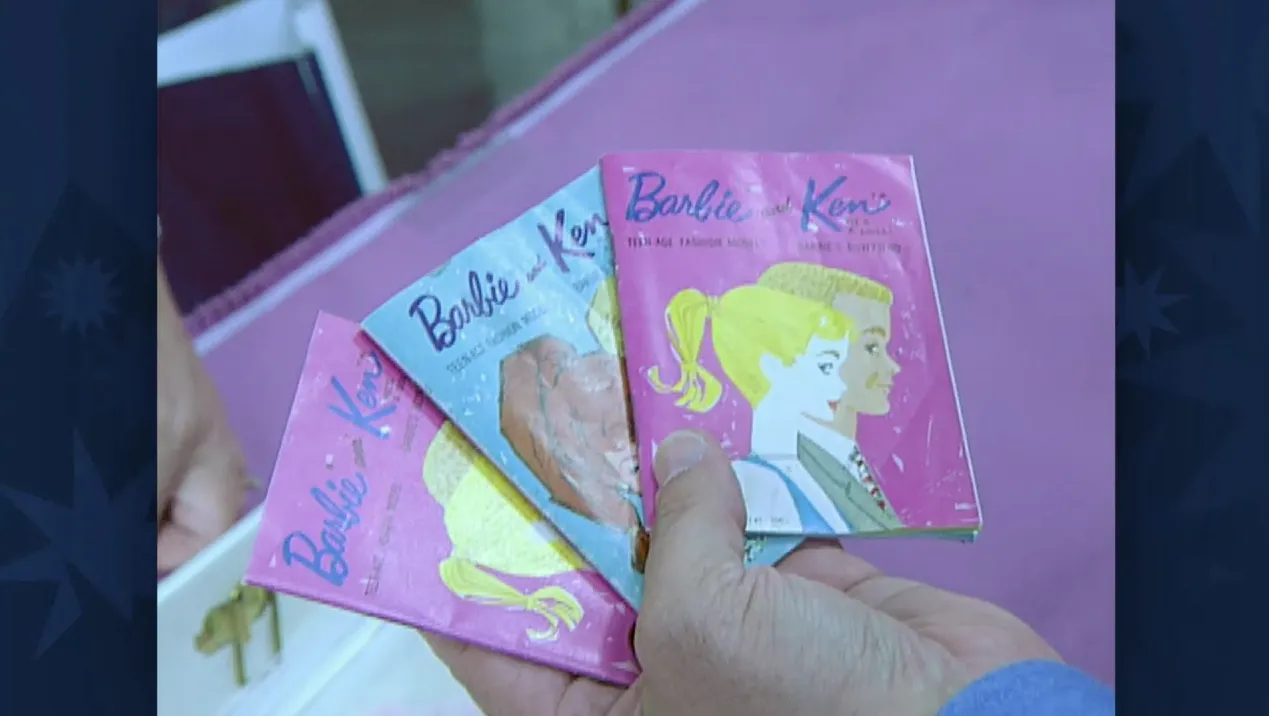
Barbie Accessories & Case, ca. 1960
appraisal
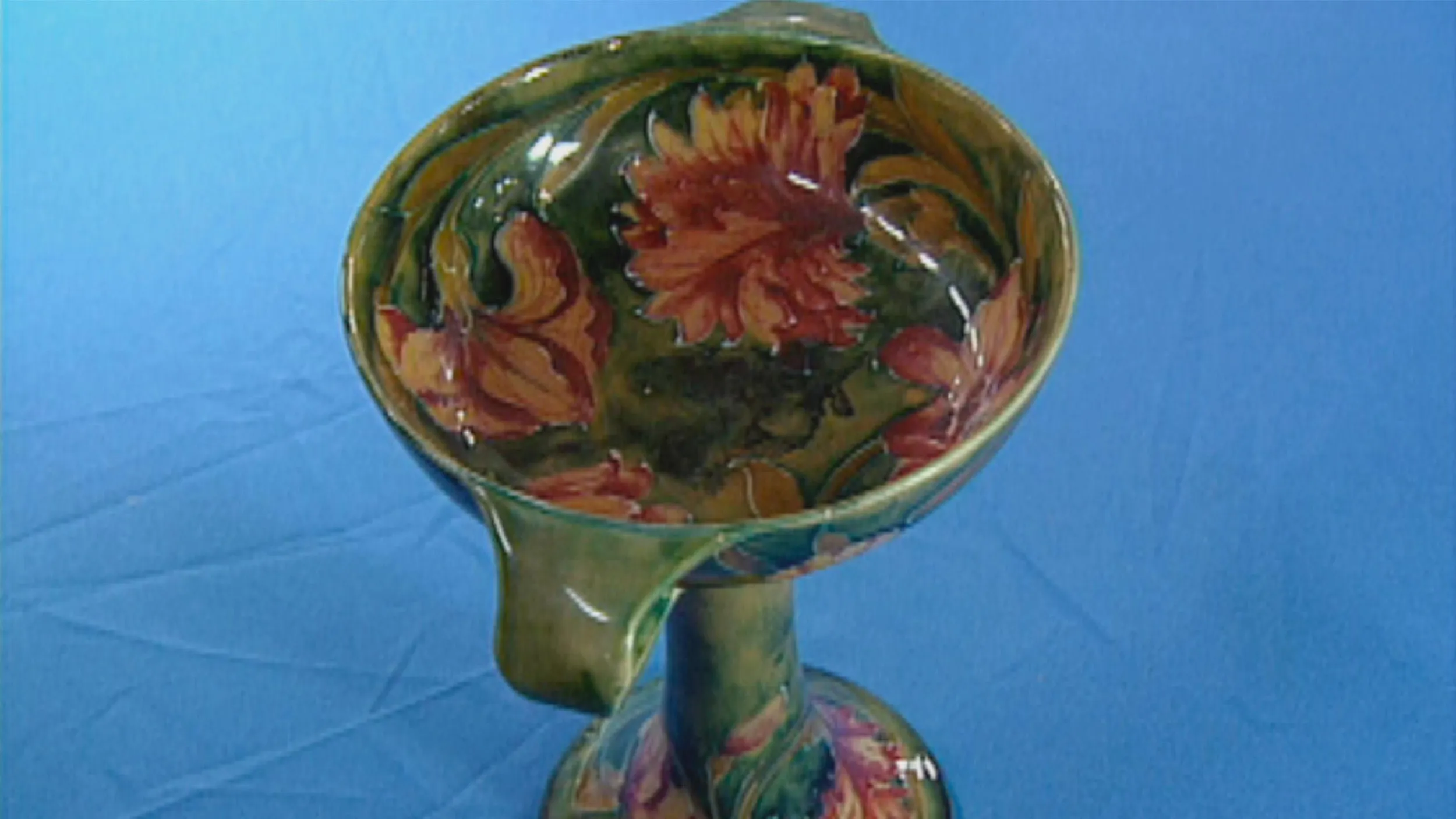
William Moorcroft Pottery, ca. 1910
appraisal
Understanding Our Appraisals
Executive producer Marsha Bemko shares her tips for getting the most out of ANTIQUES ROADSHOW.
Value can change: The value of an item is dependent upon many things, including the condition of the object itself, trends in the market for that kind of object, and the location where the item will be sold. These are just some of the reasons why the answer to the question "What's it worth?" is so often "It depends."
Note the date: Take note of the date the appraisal was recorded. This information appears in the upper left corner of the page, with the label "Appraised On." Values change over time according to market forces, so the current value of the item could be higher, lower, or the same as when our expert first appraised it.
Context is key: Listen carefully. Most of our experts will give appraisal values in context. For example, you'll often hear them say what an item is worth "at auction," or "retail," or "for insurance purposes" (replacement value). Retail prices are different from wholesale prices. Often an auctioneer will talk about what she knows best: the auction market. A shop owner will usually talk about what he knows best: the retail price he'd place on the object in his shop. And though there are no hard and fast rules, an object's auction price can often be half its retail value; yet for other objects, an auction price could be higher than retail. As a rule, however, retail and insurance/replacement values are about the same.
Verbal approximations: The values given by the experts on ANTIQUES ROADSHOW are considered "verbal approximations of value." Technically, an "appraisal" is a legal document, generally for insurance purposes, written by a qualified expert and paid for by the owner of the item. An appraisal usually involves an extensive amount of research to establish authenticity, provenance, composition, method of construction, and other important attributes of a particular object.
Opinion of value: As with all appraisals, the verbal approximations of value given at ROADSHOW events are our experts' opinions formed from their knowledge of antiques and collectibles, market trends, and other factors. Although our valuations are based on research and experience, opinions can, and sometimes do, vary among experts.
Appraiser affiliations: Finally, the affiliation of the appraiser may have changed since the appraisal was recorded. To see current contact information for an appraiser in the ROADSHOW Archive, click on the link below the appraiser's picture. Our Appraiser Index also contains a complete list of active ROADSHOW appraisers and their contact details and biographies.


