William Henry Jackson Photo, ca. 1882
GUEST: I brought a photograph from William Henry Jackson. It's of the Animas River and the Denver and Rio Grande coming from Durango to Silverton, Colorado. I acquired it at an auction probably 15 to 20 years ago. I'm kind of a train buff...
APPRAISER: Mm-hmm.
GUEST: ...of Colorado railroads.
APPRAISER: Okay.
GUEST: And I liked the train. And then when I saw it was a William Henry Jackson, that just made it that much better.
APPRAISER: This is a beautiful photograph. It is, as you said, by William Henry Jackson. The title is Canon of the Rio Las Animas: The Needle Mountains. It's a mammoth plate albumen print, so that refers to the size of the photograph. A mammoth plate print was made from a glass negative in this exact size, which is pretty extraordinary. William Henry Jackson is really known as a photographer who worked in Colorado, so local to where we are today. He's actually East-Coast-born, he's from New York state. He served in the Civil War, and then he headed west. He worked as a bullwhacker in Nebraska. So he really had kind of this rugged, hands-on experience in what was then really the West. He then opened a photo studio in Nebraska. He was taking portraits, decided that wasn't really working well for him, moved to Colorado. He was relatively quickly hired by Ferdinand Hayden, who was doing a geological survey of the Western territories and states. And that was in 1870, and he was hired to document it as a photographer. Hayden really recognized how important photography would be to his mission, which was to record the geology of the area. He headed down the Yellowstone River, and those images were published relatively quickly and really caused a pretty major sensation, because people had never seen the elements of the Western landscape that we're all familiar with today, like the geysers and humongous waterfalls. I mean, this was brand-new. Just two years later, in 1872, that region became our first national park, Yellowstone National Park. The photograph is circa 1882, after he had completed his work for the geological survey and had begun opening his own business in Denver. At this point, Jackson was commissioned by a lot of railroad companies to document the railroads, which were expanding into this region. When you think about it, he's lugging enormous glass plates, all of his chemicals, a tent to develop the plates, which needed to be done quickly. So he was really working very hard to produce these stunning photographs.
GUEST: Yeah.
APPRAISER: How much did you pay for this?
GUEST: I paid $250 for it.
APPRAISER: Okay. Do you have a sense of how much it might be worth today?
GUEST: My guess would be $3,000-plus.
APPRAISER: Okay.
GUEST: I don't really know.
APPRAISER: My estimate at auction would be $6,000 to $9,000 for this print.
GUEST: Okay. Yeah, thanks.
APPRAISER: (chuckles) Yeah.
GUEST: That's really neat.
$6,000 - $9,000 Auction
Featured In

episode
Denver Botanic Gardens Chatfield Farms, Hour 2
ROADSHOW strikes gold in Colorado with amazing finds from a stop in Littleton!
Photograph
appraisal
appraisal
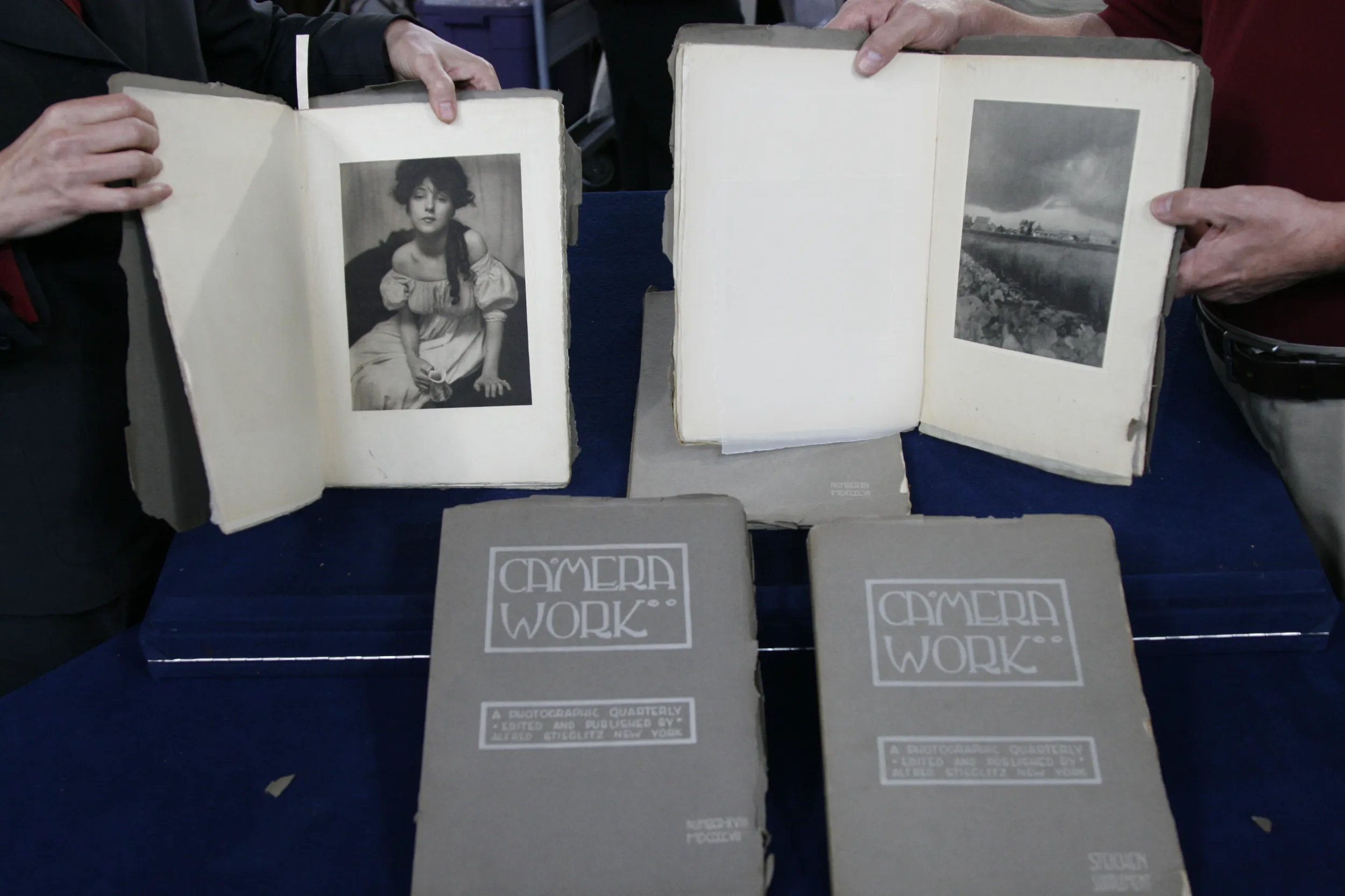
1903 - 1908 Camera Work Magazines

appraisal
Confederate Army Surgeon Archive
appraisal
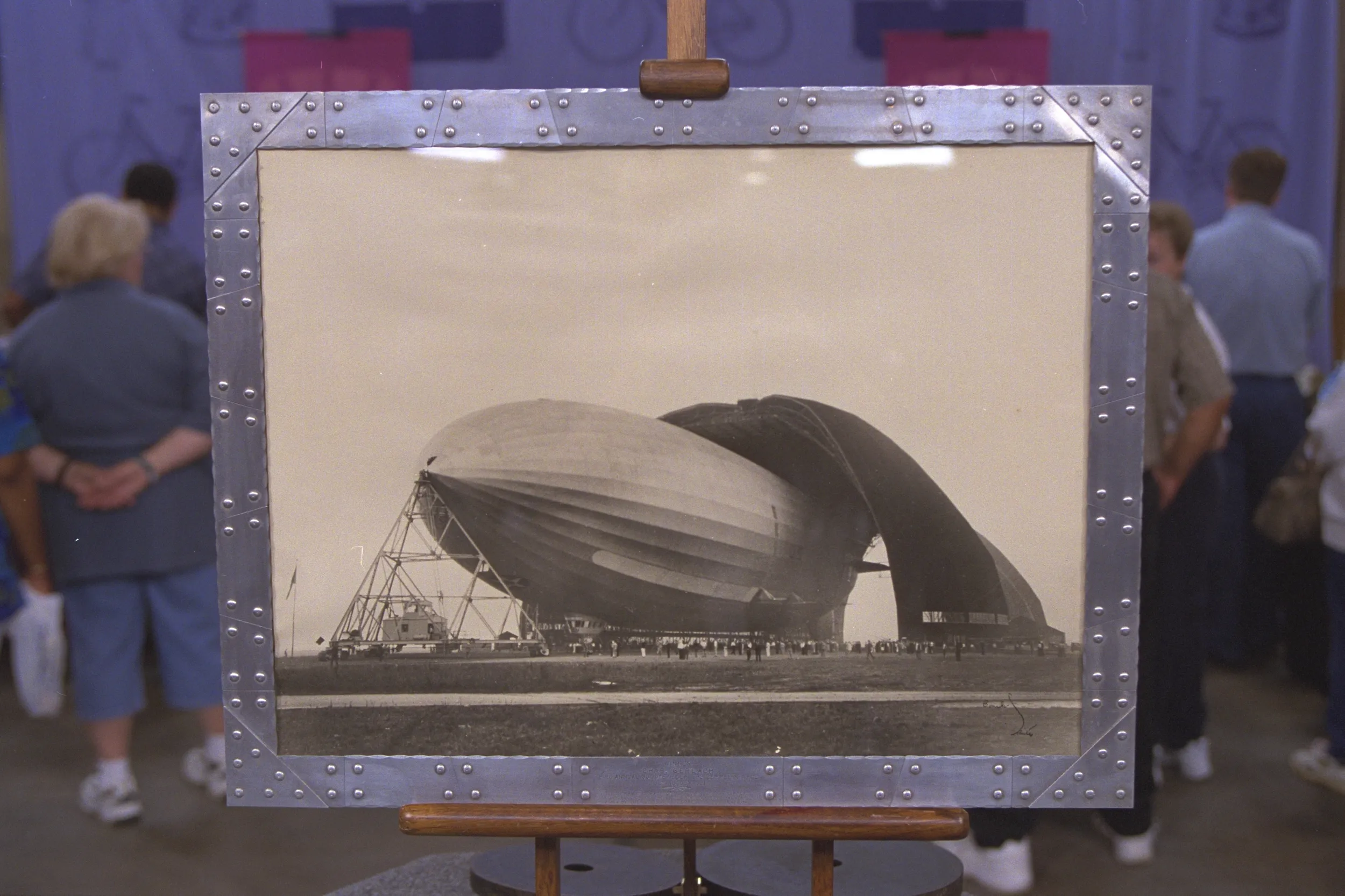
1931 Margaret Bourke-White Photo
Understanding Our Appraisals
Executive producer Marsha Bemko shares her tips for getting the most out of ANTIQUES ROADSHOW.
Value can change: The value of an item is dependent upon many things, including the condition of the object itself, trends in the market for that kind of object, and the location where the item will be sold. These are just some of the reasons why the answer to the question "What's it worth?" is so often "It depends."
Note the date: Take note of the date the appraisal was recorded. This information appears in the upper left corner of the page, with the label "Appraised On." Values change over time according to market forces, so the current value of the item could be higher, lower, or the same as when our expert first appraised it.
Context is key: Listen carefully. Most of our experts will give appraisal values in context. For example, you'll often hear them say what an item is worth "at auction," or "retail," or "for insurance purposes" (replacement value). Retail prices are different from wholesale prices. Often an auctioneer will talk about what she knows best: the auction market. A shop owner will usually talk about what he knows best: the retail price he'd place on the object in his shop. And though there are no hard and fast rules, an object's auction price can often be half its retail value; yet for other objects, an auction price could be higher than retail. As a rule, however, retail and insurance/replacement values are about the same.
Verbal approximations: The values given by the experts on ANTIQUES ROADSHOW are considered "verbal approximations of value." Technically, an "appraisal" is a legal document, generally for insurance purposes, written by a qualified expert and paid for by the owner of the item. An appraisal usually involves an extensive amount of research to establish authenticity, provenance, composition, method of construction, and other important attributes of a particular object.
Opinion of value: As with all appraisals, the verbal approximations of value given at ROADSHOW events are our experts' opinions formed from their knowledge of antiques and collectibles, market trends, and other factors. Although our valuations are based on research and experience, opinions can, and sometimes do, vary among experts.
Appraiser affiliations: Finally, the affiliation of the appraiser may have changed since the appraisal was recorded. To see current contact information for an appraiser in the ROADSHOW Archive, click on the link below the appraiser's picture. Our Appraiser Index also contains a complete list of active ROADSHOW appraisers and their contact details and biographies.


