GUEST: It belonged to my aunt who lived in Louisville, Kentucky, and where she got it from, I don't know. Her husband was English and I figured that maybe his brother, who was quite wealthy, lived in South America, had given it to them.
APPRAISER: Uh-huh.
GUEST: When she died, then I got it.
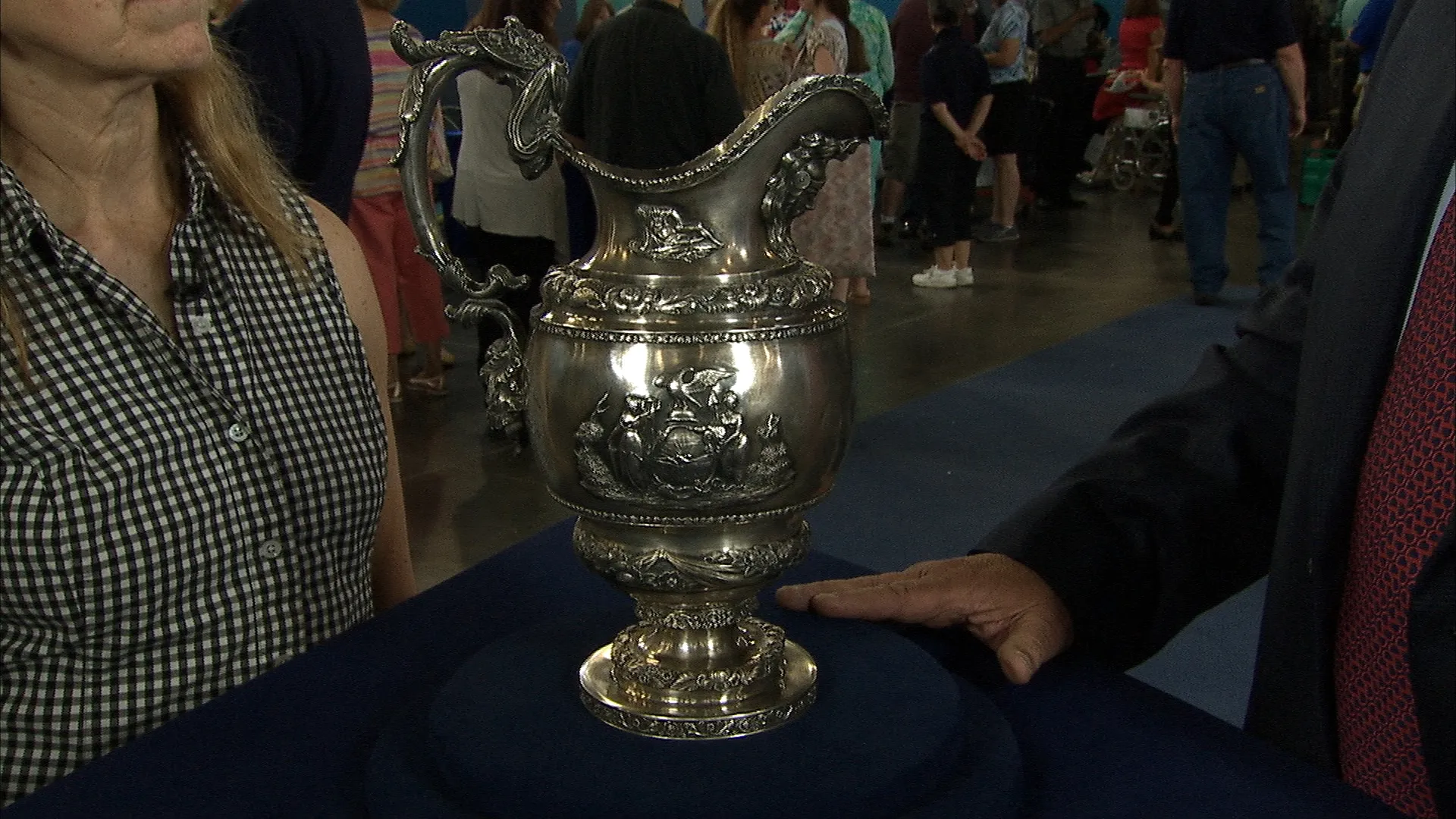
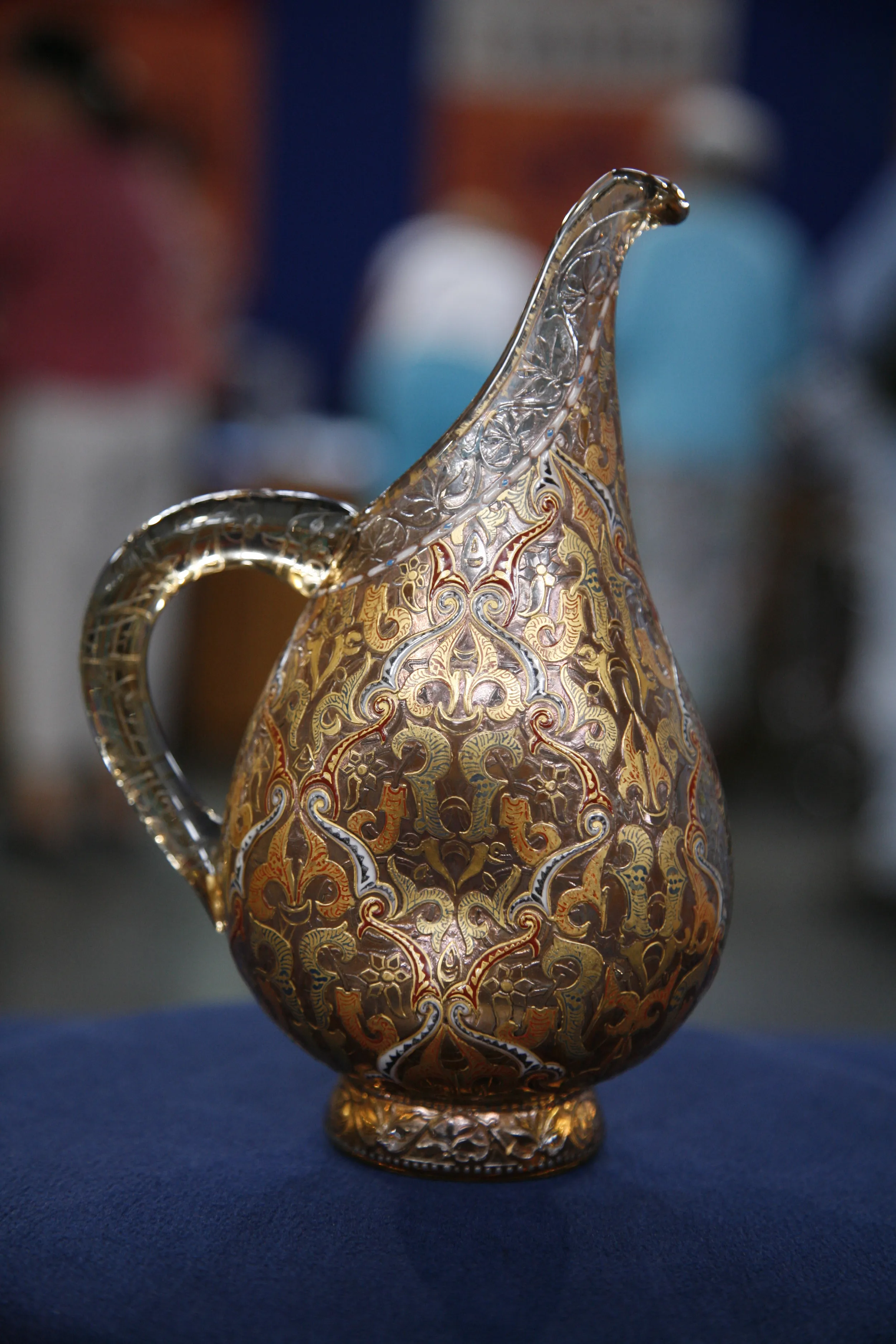
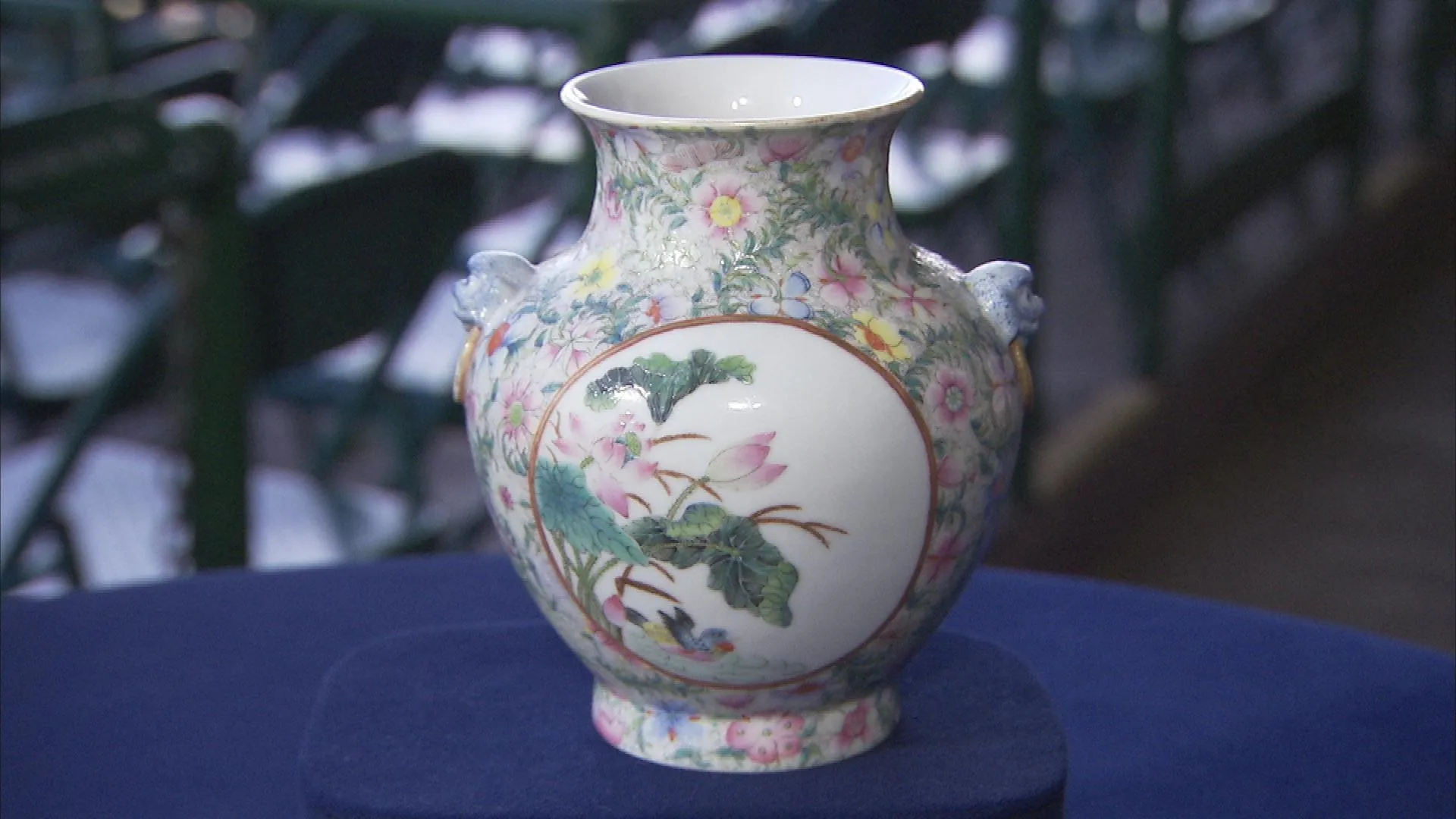
APPRAISER: I knew if we waited long enough, I'd get to appraise something that came from my hometown, which is Trenton, New Jersey. Hi, Mom. You mentioned earlier that you wondered if it was belleek, which is traditionally thought of as coming from Ireland. But belleek is a term for this sort of porcelain ware, this very fine, translucent porcelain that did originate in Europe. Curiously, though, just as people from different countries came to America into our melting pot and all these cultures started to blend, the same thing happened with art. And what happened in Trenton during the 1870s through about the 1890s, it's considered, at least by Trentonians, as being the porcelain capital of the world. Had these tremendous deposits, natural deposits of high-grade kaolin for making porcelain with, and also they had access to the Delaware River-- the one Washington sailed across-- to distribute the ware to the market. So it was really well situated. What you have here is a piece of Willets belleek, one of the major companies to work in Trenton. Around 1879, 1880, they were making art porcelain. Their mark is shown on the bottom. It says "Belleek" and "Willets" on the piece, so even they knew that they were using the same term that the Europeans were using for their fine porcelain. Most of the Willets belleek that we see is left blank, and then it's sold for home decoration by amateurs. You've got a factory-decorated piece, which is interesting. You can tell just by the crispness and the evenness of the color. I will also mention that this is one of those hybrids: the design could be Irish belleek, it could also be English Staffordshire-style belleek. So just as the artists came from different countries to work in America, the styles started to merge and made a whole unique style in America. Well, you know Lenox china. This is one of the precursors of Lenox china. Beyond that, we should talk about value. My guess on a bad day is it's worth $1,000, and maybe $1,500.
GUEST: That's interesting. I felt that it was valuable, but I didn't know how much.