Toshiko Takaezu Pottery Collection, ca. 1970
GUEST: I brought three pieces of pottery. I remember them from my early days growing up in Cleveland, Ohio.
APPRAISER: Mm-hmm.
GUEST: And after my parents passed away, my siblings and I divided up the pottery, and we each got at least one moon pot, which I think is this form. And then I liked this bowl in the middle, and I just thought it went with it. (chuckles): And so I took it. This pottery was always referred to as Toshiko moon pots. I didn't know if this was a Toshiko in the middle. But I just loved it. All three pieces are by Toshiko Takaezu.
GUEST: Oh.
APPRAISER: Toshiko Takaezu is a, a major figure in not only American ceramics, but American art. What's happened recently is, it's not only that her pots are being appreciated, but she's seen as an Abstract Expressionist. So there are museum shows all over the country of Toshiko's work.
GUEST: Oh, really?
APPRAISER: In addition to being a potter, she's a woman of color. She's a woman artist working the Abstract Expressionist style. So, pottery is not always just pottery. She was someone who covered a lot of different territories. She trained at Cranbrook Institute...
GUEST: Mm-hmm.
APPRAISER: ...studied under Maija Grotell, who was one of the great ceramic artist figures of the 20th century. She taught for decades at Princeton University, ceramic arts.
GUEST: Huh.
APPRAISER: And she had a studio about 20 miles from where, um, we're located. I had the pleasure of meeting her once.
GUEST: Oh.
APPRAISER: So you have three different expressions of Toshiko's work here. First, as you say, you've got a moon pot.
GUEST: Yeah.
APPRAISER: Which is a very important idea in and of itself. She believed that her enclosed pots like this were very spiritual. They enclosed the universe and they enclosed our inner selves, so there was a spiritual connection.
GUEST: Mm.
APPRAISER: And you could see from the way this is painted, in terms of Abstract Expressionism and her use of color, which is something that really, early on, we never associated with Toshiko. The piece closest to you is not clearly signed, and I'll show the marks on the ones that are. I'm sure it's her work. And finally, this bowl. I mean, she's known for her enclosed shapes, but this is a beautiful bowl, not just with good size to it, but if you want to talk about Abstract Expressionist use of color, this is a great example of how she blended colors. So these are earthenware. She worked for a long time. I, I'm inclined to think that these are probably from the mid-'60s to the mid-'70s. The one here has a more typical mark, which is the "TT" incised into the bottom.
GUEST: Ah.
APPRAISER: The one in the middle has a, a less common mark. The "TT" is painted onto the bottom, for Toshiko Takaezu. And this one, I cannot find a mark on it. But if you compare the bottoms of these two pieces...
GUEST: Mm-hmm.
APPRAISER: ...it's the same bottom, it's the same clay, it's finished the same way. Nobody would doubt that this is her work. They may pay a little less because of it not having a mark.
GUEST: Because it's not signed, okay.
APPRAISER: How much did your parents pay for these?
GUEST: Nothing.
APPRAISER: They were gifts?
GUEST: My uncle was part of that group...
APPRAISER: Uh-huh.
GUEST: ...of Cleveland artists in the '60s, and they've just been there and together for as long as I can remember it, and I'm sure they didn't buy them.
APPRAISER: Her prices have exploded. At auction and through gallery sales recently. Auctions were selling Toshiko pieces like this one four years ago. This would be estimated for maybe $2,500 to $3,500. Now, this is $6,000 to $9,000, $7,000 to $10,000 at auction.
GUEST: Wow.
APPRAISER: This pot here, even without a mark, I would have estimated this four or five years ago for $1,500 to $2,000.
GUEST: Mm-hmm.
APPRAISER: It's now a $4,000 to $6,000 piece.
GUEST: Wow.
APPRAISER: And this bowl?
GUEST: Yes?
APPRAISER: Again, not what people necessarily look for when it comes to Toshiko's work. They're looking for the moon pots and such. But the way this serves as a canvas for her use of color, her Expressionist color, is fabulous. This is a great one.
GUEST: I love it.
APPRAISER: Uh, normally, bowls this size are in a $1,000 to $1,500 range. Conservatively, either $2,500 to $3,500, maybe $3,000 to $4,000. But I wouldn't be surprised if at auction, that brought $5,000.
GUEST: Really?
APPRAISER: It's just such a very good example. The three of them together are a beautiful presentation of all aspects of Toshiko's work.
GUEST: I love them.
APPRAISER: So thank you.
GUEST: Thank you.
$12,500 - $19,500 Auction
Featured In

episode
Maryland Zoo, Hour 1
Watch astonishing treasures from ROADSHOW’s Baltimore stop! One is $350,000 - $570,000!
1970s
appraisal
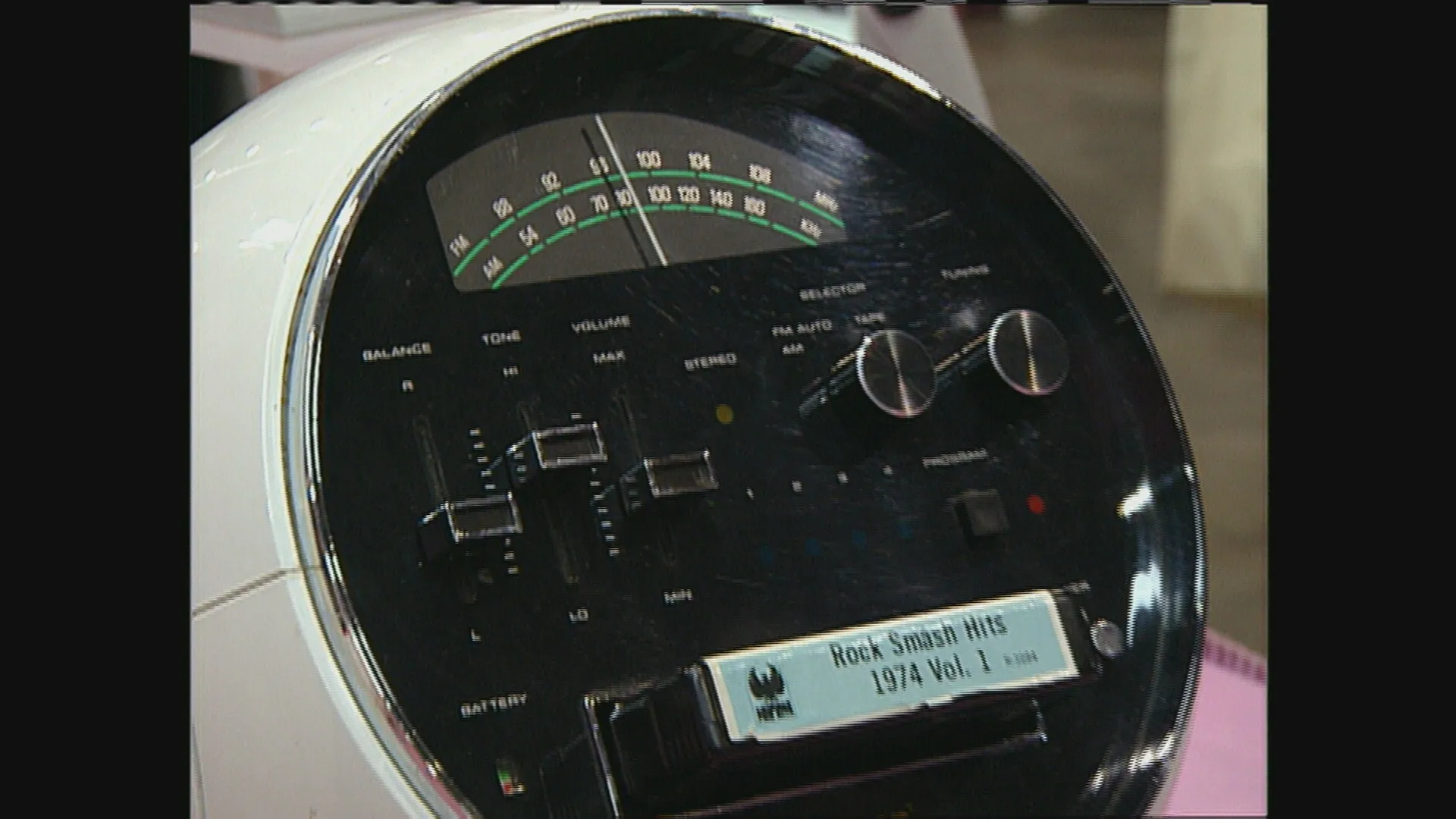
Weltron 2001 Radio & 8-track Player, ca. 1970
appraisal
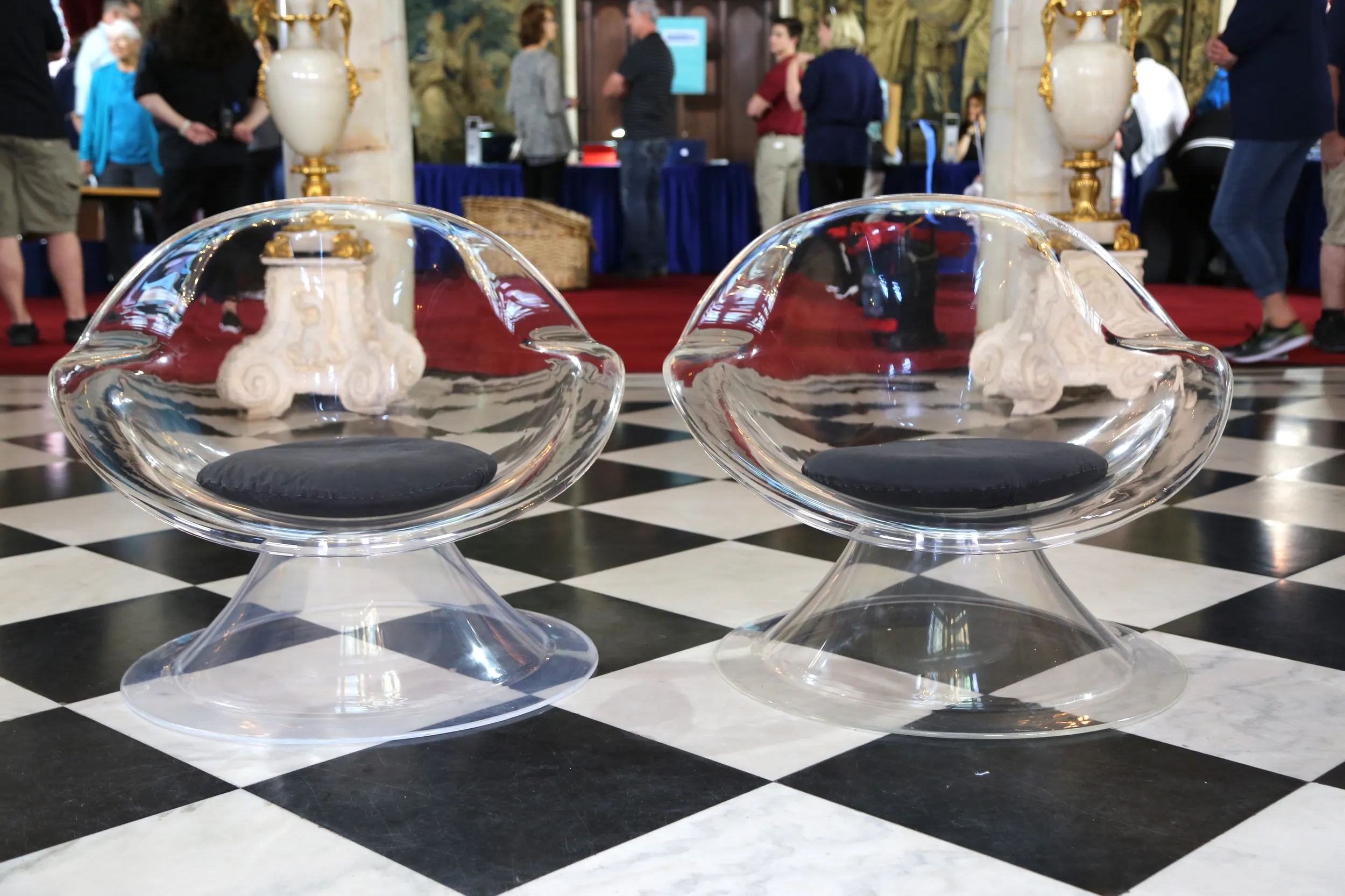
Erwine & Estelle Laverne Daffodil Chairs, ca. 1970
appraisal
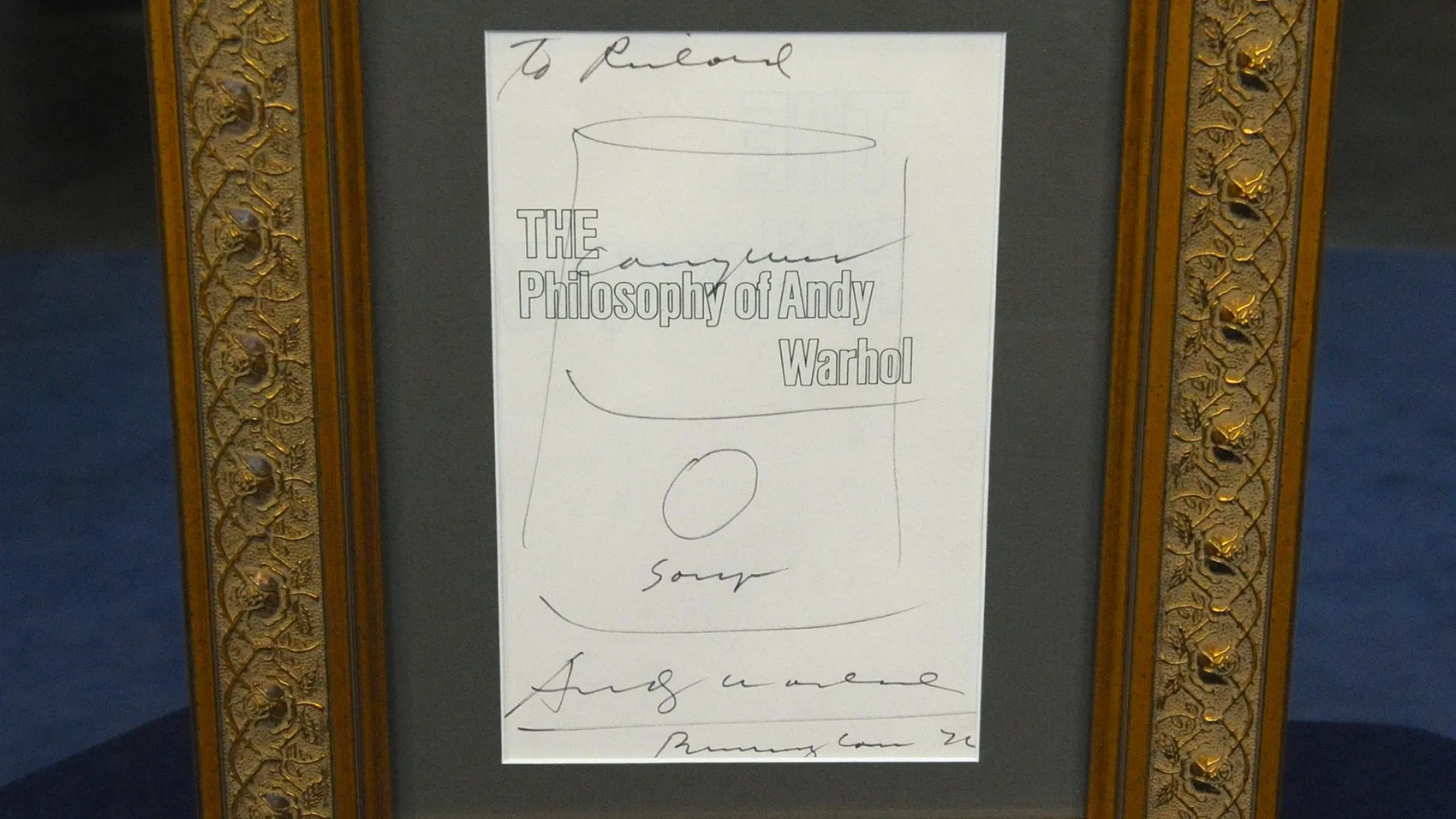
1976 Andy Warhol Illustrated Title Page
appraisal
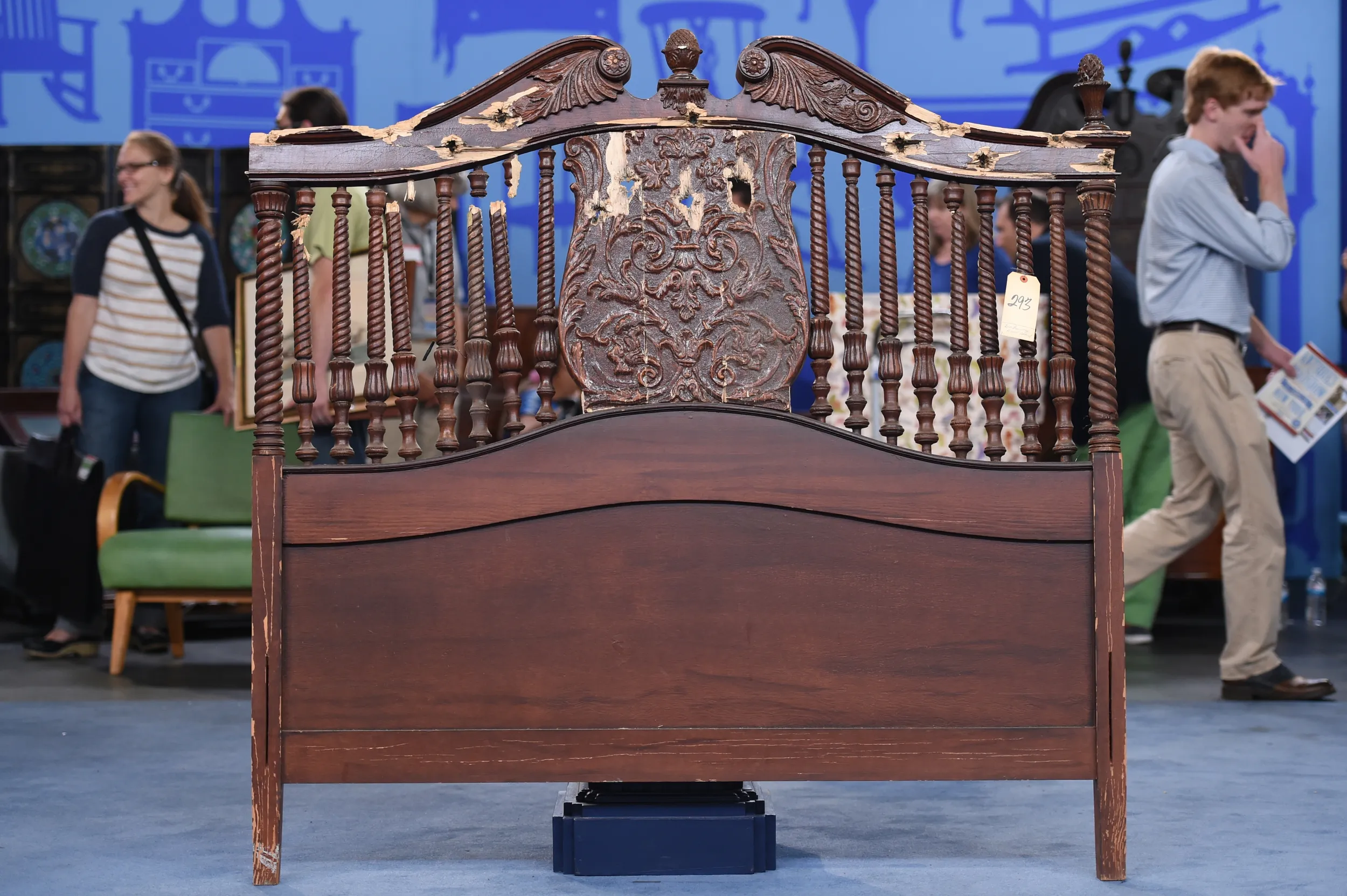
"The Godfather, Part II" Headboard
Understanding Our Appraisals
Executive producer Marsha Bemko shares her tips for getting the most out of ANTIQUES ROADSHOW.
Value can change: The value of an item is dependent upon many things, including the condition of the object itself, trends in the market for that kind of object, and the location where the item will be sold. These are just some of the reasons why the answer to the question "What's it worth?" is so often "It depends."
Note the date: Take note of the date the appraisal was recorded. This information appears in the upper left corner of the page, with the label "Appraised On." Values change over time according to market forces, so the current value of the item could be higher, lower, or the same as when our expert first appraised it.
Context is key: Listen carefully. Most of our experts will give appraisal values in context. For example, you'll often hear them say what an item is worth "at auction," or "retail," or "for insurance purposes" (replacement value). Retail prices are different from wholesale prices. Often an auctioneer will talk about what she knows best: the auction market. A shop owner will usually talk about what he knows best: the retail price he'd place on the object in his shop. And though there are no hard and fast rules, an object's auction price can often be half its retail value; yet for other objects, an auction price could be higher than retail. As a rule, however, retail and insurance/replacement values are about the same.
Verbal approximations: The values given by the experts on ANTIQUES ROADSHOW are considered "verbal approximations of value." Technically, an "appraisal" is a legal document, generally for insurance purposes, written by a qualified expert and paid for by the owner of the item. An appraisal usually involves an extensive amount of research to establish authenticity, provenance, composition, method of construction, and other important attributes of a particular object.
Opinion of value: As with all appraisals, the verbal approximations of value given at ROADSHOW events are our experts' opinions formed from their knowledge of antiques and collectibles, market trends, and other factors. Although our valuations are based on research and experience, opinions can, and sometimes do, vary among experts.
Appraiser affiliations: Finally, the affiliation of the appraiser may have changed since the appraisal was recorded. To see current contact information for an appraiser in the ROADSHOW Archive, click on the link below the appraiser's picture. Our Appraiser Index also contains a complete list of active ROADSHOW appraisers and their contact details and biographies.


