Tiffany Glass Mosaics, ca. 1915
APPRAISER: Tell me how you came to acquire these very large and heavy pieces.
GUEST: We took possession of the Farwell Building in 2015, 100 years after it was built. The three main lobby glass tile domes were Louis Tiffany. They were in severe disrepair, they were not restorable. So we ended up removing all those domes and rebuilding them completely. Um, the building had been vacant for 35 years or so. Um, lots of things were destroyed and stolen. So we rebuilt the ceilings completely. And these are the remnants of, of what was there.
APPRAISER: Well, I can tell you that Tiffany was so proud of this that they even published an ad stating that they had just done the work in the Farwell Building. So it, this was something that, uh, Tiffany wanted to advertise prominently. And the building did open in March of 1915. And Tiffany decorated the first-floor corridors with these wonderful barrel-vaulted ceilings with rib vaults. These are the cornices that were beneath where the rib vaults started. We're looking at these upside down, but if these were turned around, you can see these classical-designed vases holding these stylized curlicues and flowers in the middle here and leading up to the bottom of the festoons that continue into the rib vaults. Most of the work was actually done at Tiffany's studios and then it was...
GUEST: Shipped over.
APPRAISER: Yes, which is quite remarkable. What I love about these in particular is, with the Tiffany glass that you see, it's not just an opalescent or an opaque glass. You also have some gold iridescent glass, and you even have some textured glass that you would see in some of the lamps, which is unusual for a mosaic installation like this. You have any idea of value?
GUEST: We have some vague notions without much basis. (chuckling)
APPRAISER: Well, at retail, I would say probably $15,000 to $25,000 on these two. This one, I would say more like $15,000 to $20,000. This one, I would say $30,000 to $40,000.
GUEST: Wow, that's incredible.
APPRAISER: $30,000 to $40,000 on that. And I would say $30,000 to $40,000 on that. And that's the top-end price...
GUEST: Sure.
APPRAISER: ...were they to be sold.
GUEST: Excellent. Wow. That's great, that's great news.

$135,000 - $190,000 Retail
Featured In

episode
Springs Preserve, Hour 2
Head to desert oasis Springs Preserve for treasures that are sure to heat up the market.
Appraisal Extras

See Tiffany Glass in Detroit's Farwell Building
See images of the Farwell Building, located in Detroit, Michigan, before and after it was abandoned due to a fire in the 1970s.
1910s
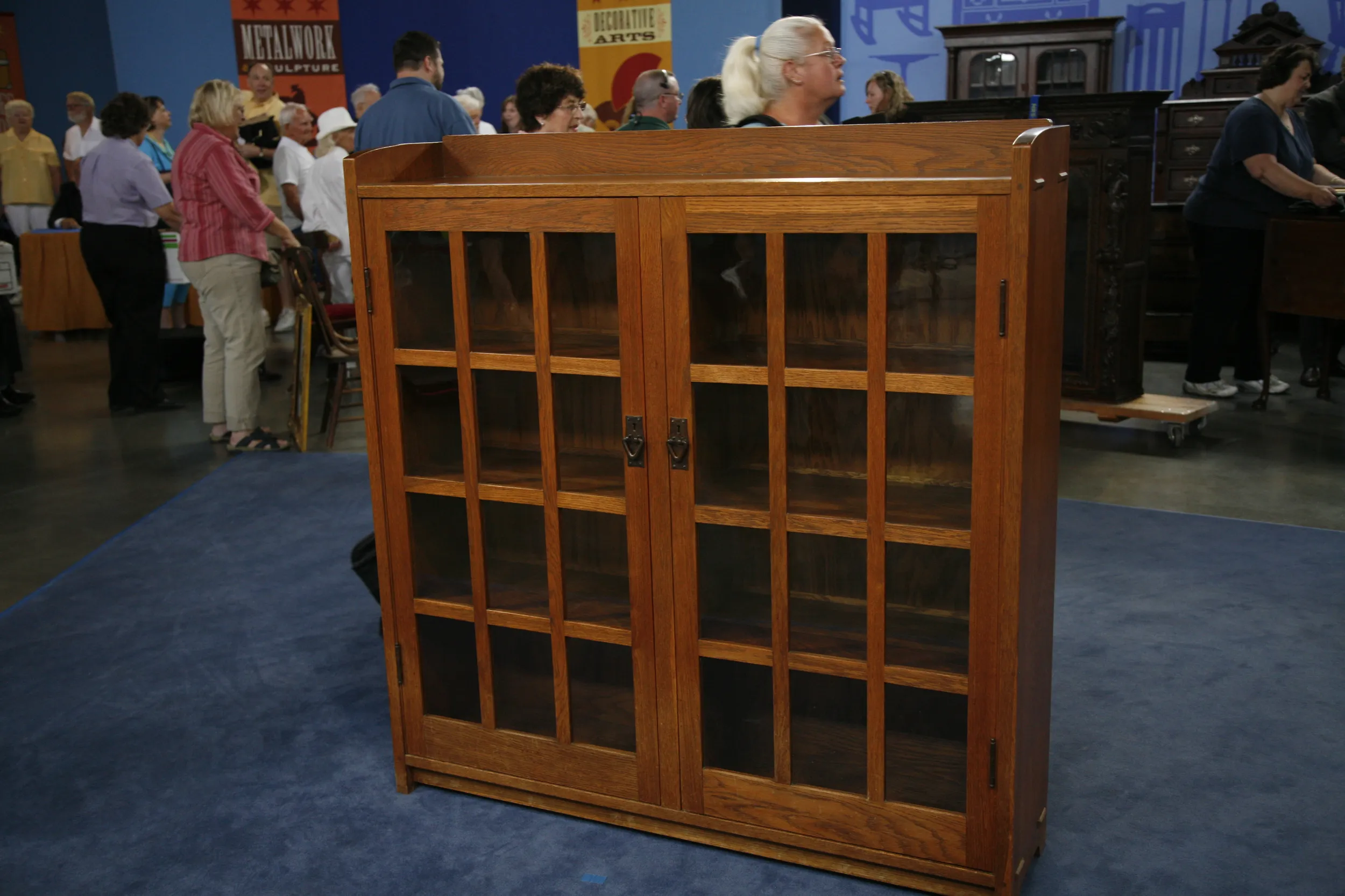
appraisal
Gustav Stickley Oak Bookcase, ca. 1915
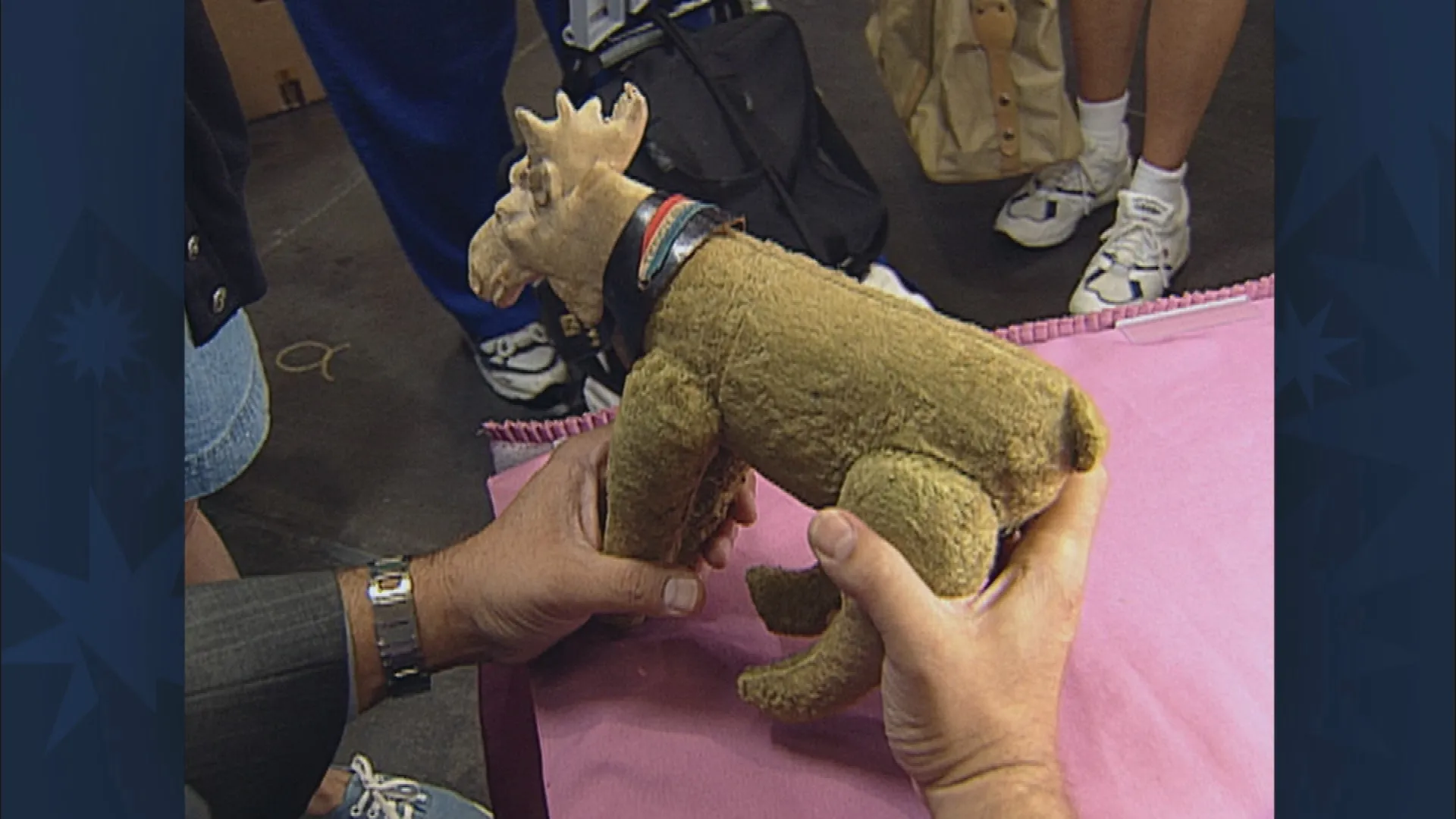
appraisal
1912 Teddy Roosevelt Bull Moose
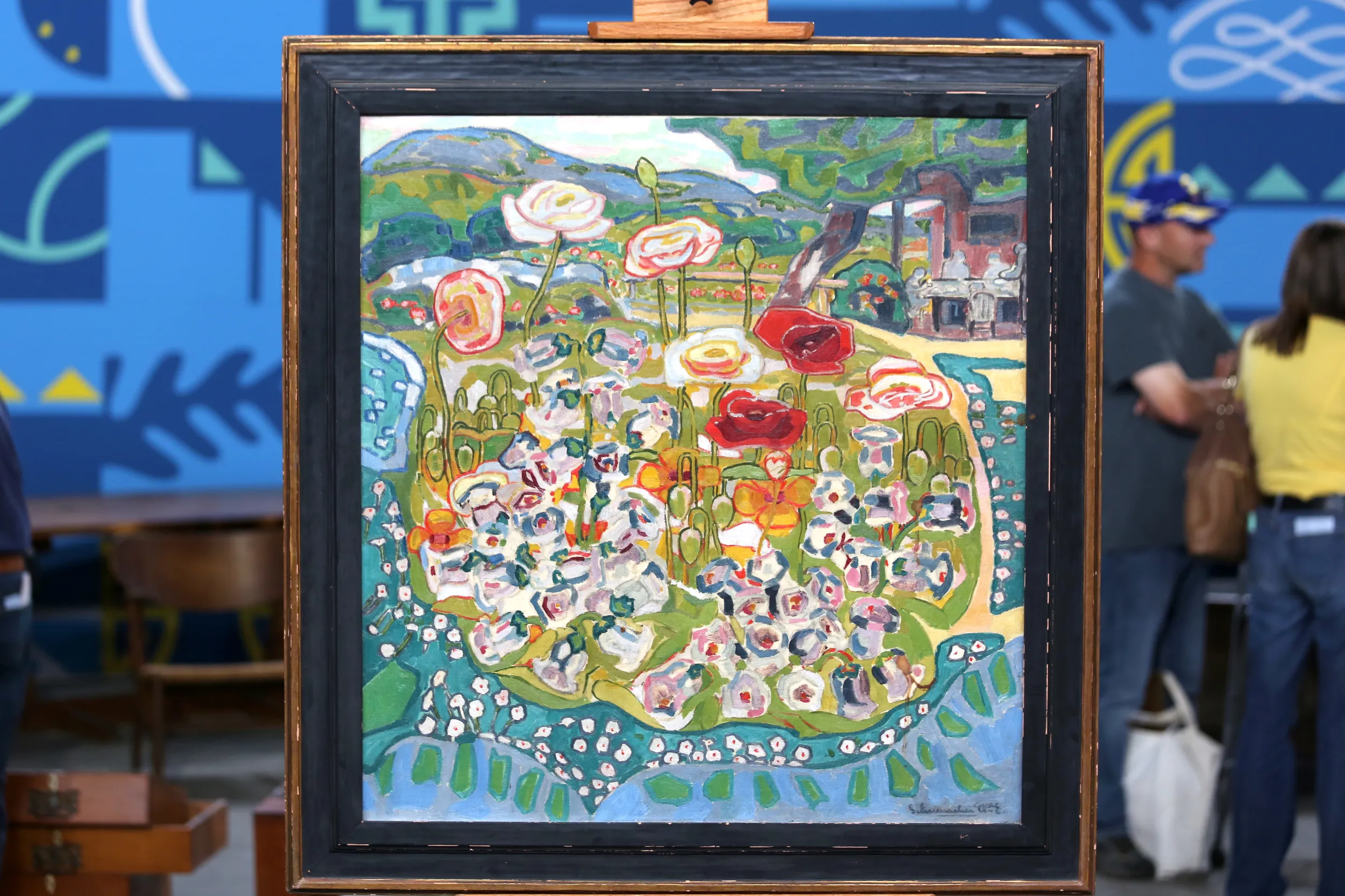
appraisal
William Schumacher Oil Painting, ca. 1913

appraisal
Charles "Heinie" Wagner Red Sox Archive, ca. 1914
Understanding Our Appraisals
Executive producer Marsha Bemko shares her tips for getting the most out of ANTIQUES ROADSHOW.
Value can change: The value of an item is dependent upon many things, including the condition of the object itself, trends in the market for that kind of object, and the location where the item will be sold. These are just some of the reasons why the answer to the question "What's it worth?" is so often "It depends."
Note the date: Take note of the date the appraisal was recorded. This information appears in the upper left corner of the page, with the label "Appraised On." Values change over time according to market forces, so the current value of the item could be higher, lower, or the same as when our expert first appraised it.
Context is key: Listen carefully. Most of our experts will give appraisal values in context. For example, you'll often hear them say what an item is worth "at auction," or "retail," or "for insurance purposes" (replacement value). Retail prices are different from wholesale prices. Often an auctioneer will talk about what she knows best: the auction market. A shop owner will usually talk about what he knows best: the retail price he'd place on the object in his shop. And though there are no hard and fast rules, an object's auction price can often be half its retail value; yet for other objects, an auction price could be higher than retail. As a rule, however, retail and insurance/replacement values are about the same.
Verbal approximations: The values given by the experts on ANTIQUES ROADSHOW are considered "verbal approximations of value." Technically, an "appraisal" is a legal document, generally for insurance purposes, written by a qualified expert and paid for by the owner of the item. An appraisal usually involves an extensive amount of research to establish authenticity, provenance, composition, method of construction, and other important attributes of a particular object.
Opinion of value: As with all appraisals, the verbal approximations of value given at ROADSHOW events are our experts' opinions formed from their knowledge of antiques and collectibles, market trends, and other factors. Although our valuations are based on research and experience, opinions can, and sometimes do, vary among experts.
Appraiser affiliations: Finally, the affiliation of the appraiser may have changed since the appraisal was recorded. To see current contact information for an appraiser in the ROADSHOW Archive, click on the link below the appraiser's picture. Our Appraiser Index also contains a complete list of active ROADSHOW appraisers and their contact details and biographies.


