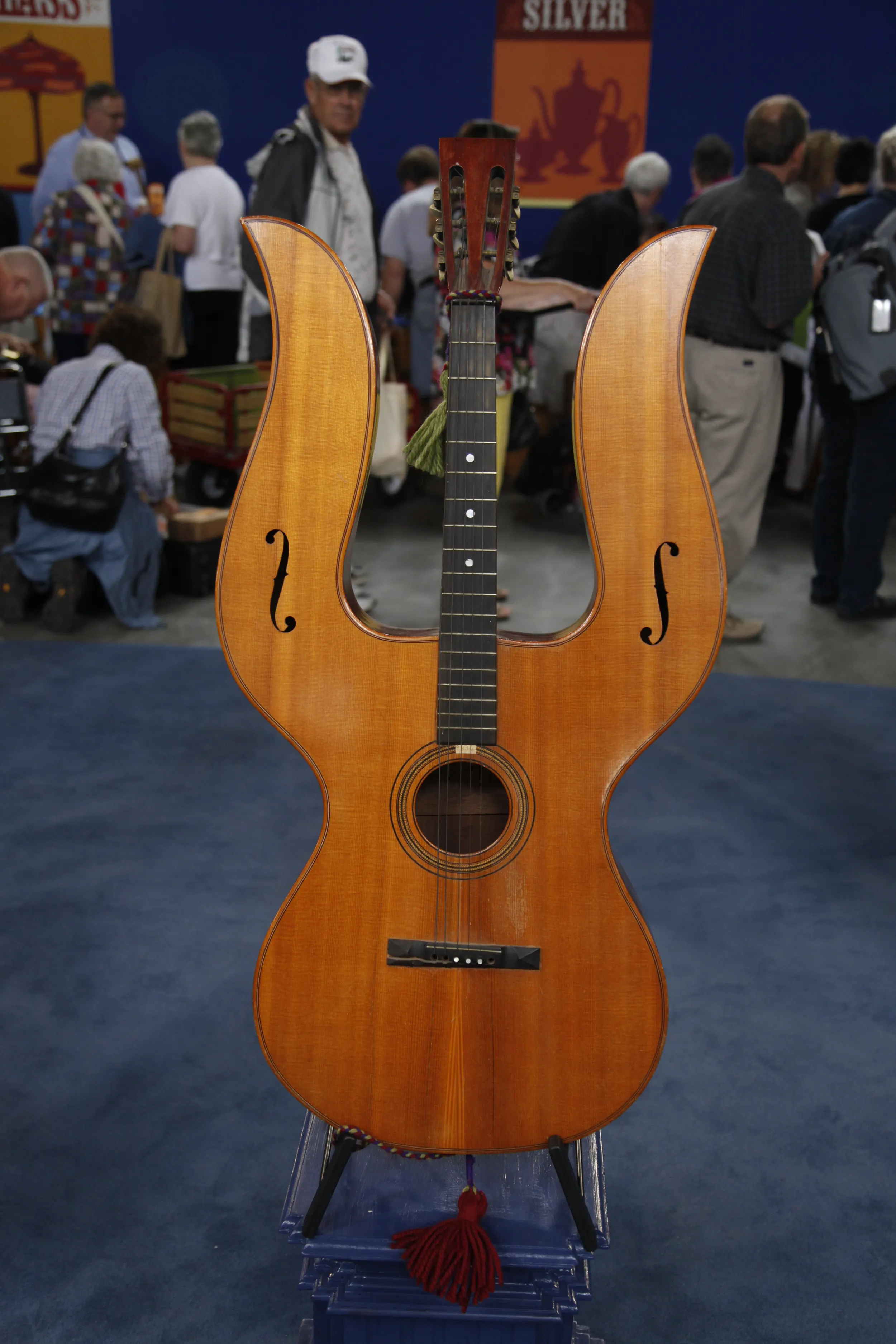
GUEST: Okay, this guitar belonged to my dad and he was a professional musician and he used this in his business. He went from Quebec City to Key West, mostly up and down the East Coast. We're originally from Boston, and he was actually able to visit the factory where these were built at one point in time.
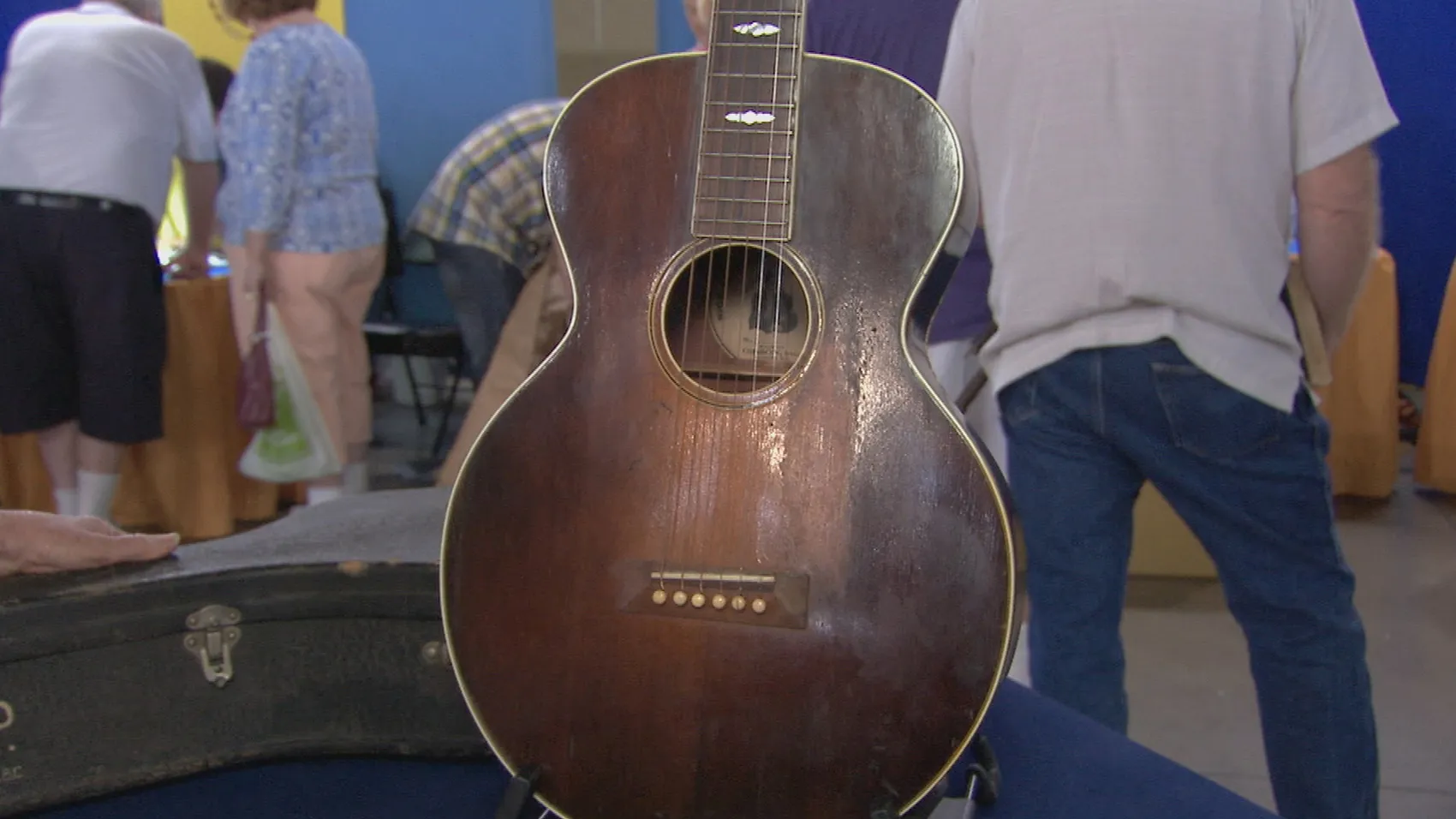
APPRAISER: All right. Well, in the terms of American guitar-making, it's one of the two great schools of archtop guitar making. This instrument was made in the workshop of Charles Stromberg, and it's an interesting piece to study today. When we first stand back and look at this instrument, we notice how large it is, really large bottom bout all the way around. When Charles Stromberg and his son Elmer made these instruments, they called them the "400s," designated up on the top of the peghead to compete with Gibson's "Super 400" of the day, and this large air volume of this instrument was made to project over the top of an orchestra when playing. This guitar is actually carved.
GUEST: Really?
APPRAISER: It's fully carved, like a violin. It was made of a thick stock of wood-- except for the sides, which are bent-- great archtop guitar. There's two schools, as I said earlier, of archtop guitar making. There is the Boston school and there's the New York school, and they always, rivaled each other. In New York, it was John D'Angelico, the great Italian guitar maker, and up in Boston lived Stromberg. And today there are the Stromberg followers and the D'Angelico followers. This guitar... blond finish, which... sometimes they were blond or sometimes they were sunburst. The wood selection on the back is absolutely magnificent, and looking at this guitar when I pulled it out of the case, I noticed right away that it was domestic maple and probably maple cut at some point somewhere in New England.
GUEST: Interesting.
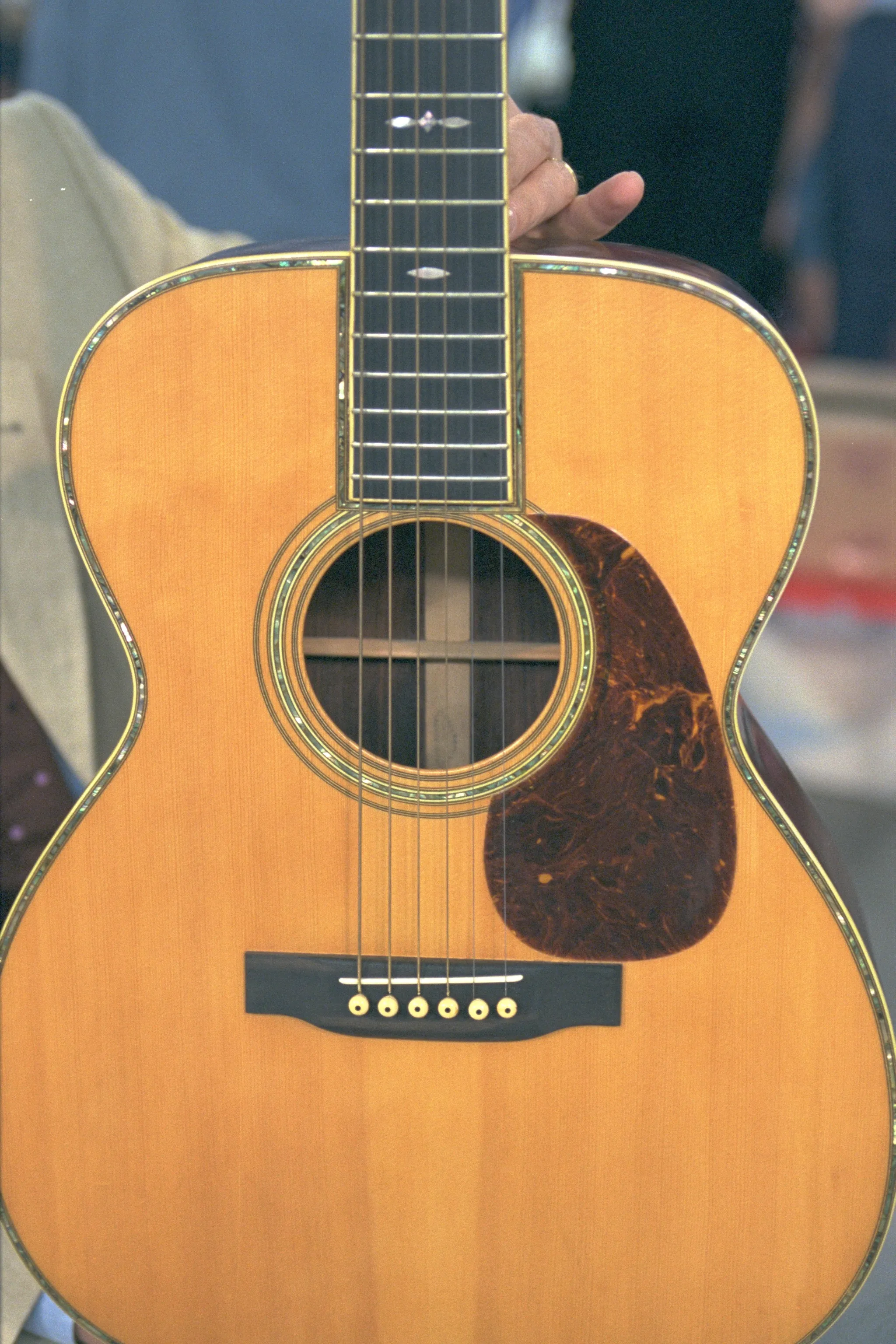
APPRAISER: Flipping it back over, I love the inlay motifs all the way around. He was most prolific in the mid-30s, up until the 1950s. My feeling right now, without doing a little more research, is I think it's probably post-war, this instrument.
GUEST: Okay.
APPRAISER: Ever had it appraised at all?
GUEST: I brought it to a music store here in Phoenix and they said probably between $1,500 to $2,000.
APPRAISER: Mm-hmm. Okay, well, I would say that these guitars, being as coveted that they are today, I would say it's a pretty easy appraisal at more at $25,000...
GUEST: Wow.
APPRAISER: And in the rarefied world of collecting archtops, it could push as high as $35,000. It is a great, unique piece and a great example of American archtop guitar making.
GUEST: Thank you.