APPRAISER: You brought some things that belonged to your great-great-grandfather. Tell me what you know.
GUEST: Well, he was a soldier in Custer's Seventh Cavalry for about five years, I believe. He was a private. He was involved in only one major battle-- Battle of Washita Creek, where Black Kettle was killed along with about a hundred other, uh, Cheyenne and Arapaho.
APPRAISER: Your great-great-grandfather, depending on how you look at it, was either in the right place or the wrong place at the right time.
GUEST: Sure, yeah.
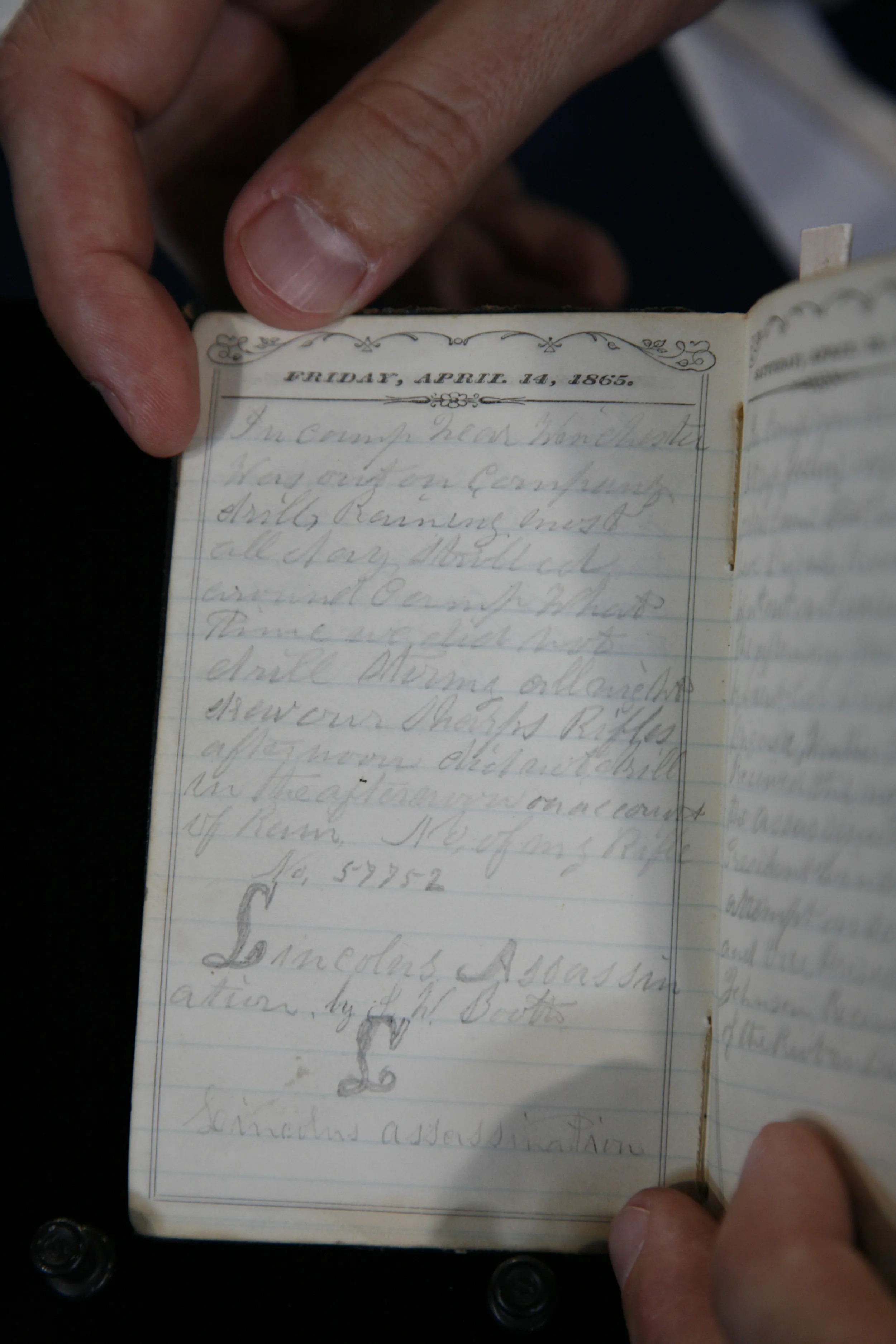
APPRAISER: He kept a diary, and the diary is what it's all about because it records one of the more controversial incidents in the history of the American frontier West-- the Black Kettle Massacre, as it's called today. It occurred on the Washita River in western Oklahoma. The diary is a day-by-day account up to the battle and after the battle. He says on Friday night, November 26, 1868, they rode up to the Cheyenne camp, which was a group of Cheyenne and Arapahos camped together, led by Black Kettle. Black Kettle had already been attacked at Sand Creek, here in Colorado, by Chivington. He fled to western Oklahoma and Custer followed him. Your great-great-grandfather talks about sitting in the saddle all night, waiting for the attack.
GUEST: In the snow.
APPRAISER: In the snow in November. It was a bad winter in 1868. They attacked the camp at first light. Not at sunrise, but just as it was light enough to see, they attacked the camp. Your great-great-grandfather says between 150 and 250 Indians were killed. I believe his numbers are probably pretty close to correct. Modern accounts say fewer. Women, children, warriors, everyone was killed.
GUEST: Right.
APPRAISER: And what was left were the burnt teepee poles standing on the prairie. He also accounts two weeks later that Custer and Sheridan went back to the Washita battle site to look for troopers. The troopers they were looking for were a group of soldiers who were led away from the battle site by a group of Arapaho warriors up a dry creek bed, or a coulee. They got into the coulee and were totally overcome, and they killed them all. And it mentions that in the diary that they found the bodies of the troopers.
GUEST: Right, right.
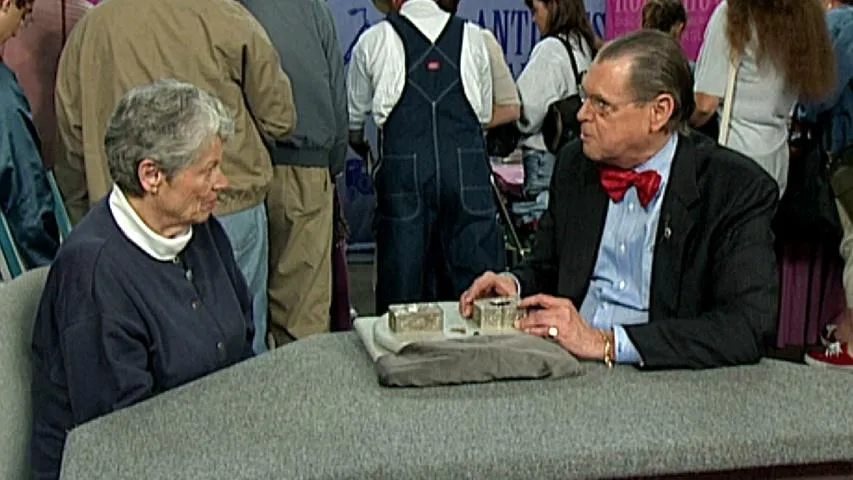
APPRAISER: The diary tells the weather day by day, where they were camped, what forts they went to, the ranches they were at. This is a very important piece of American history. Part of the group of things are these two diaries, this photograph that was taken of him much later in life, and this match case. And the match case is scratched into the front "T.C. Custer." T.C. Custer was George Custer's brother, Thomas Custer. Value? It's very hard to say. Conservatively--conservatively-- $7,000 to $10,000 for the material. With the right people in the room on a good day, the sky's the limit. You need to keep all the papers and all the documents together because they mention the friendship between Tom Custer and your great-great-grandfather.
GUEST: Right.
APPRAISER: And that helps verify this, which would greatly increase the value.