Roadshow's Most Wanted: Stolen Artworks from Hobcaw Barony
HOST: Staff at Hobcaw Barony, a wildlife refuge and research center on the South Carolina coast, made an upsetting discovery in 2003. Paintings and prints valued at almost $1 million had been stolen. Almost a decade later, the trail leading to the missing artwork has gone cold. Can Antiques Roadshow fans help turn up the heat on this case? Take a look. Hobcaw Barony's 17,500 acres was once home to Belle Baruch. Belle's father Bernard M. Baruch had purchased the land around the turn of the 20th century.
APPRAISER: Belle Baruch was an amazing woman. Belle Baruch was born in 1899 in New York. She was an athlete, an equestrian. At age 21, she received her inheritance from her father, moved to France, began to compete in riding and cross-country competitions, and then in the mid-'30s moved back to the United States at the request of her father. Belle Baruch did have a passion for the property here at Hobcaw Barony, and she created the foundation that bears her name today through her will to ensure that the property was set aside and protected for research and education.
HOST: Fast forward to 2003, when several paintings and prints were discovered to be missing.
APPRAISER: It was July 31, 2003. We were conducting an inventory that morning. We got a call about lunchtime that some pieces were missing.
HOST: Not the call you were hoping to get.
APPRAISER: Not the call I was looking for.
GUEST: Well, there were works by three different artists that were stolen. And they include Alfred Munnings, Louis Aston Knight and John James Audubon. And of the group, the Munnings are by far the most valuable. Alfred Munnings was an English artist, and he is considered the premier sporting painter of the early 20th century. There's one major one, which shows Belle Baruch on her horse, Souriant. That particular painting would be worth $1 million in today's retail market. The other two works are preliminary oils for the major work. One is purely of Souriant, and that would be worth around $300,000. And the other has various vignettes of Belle, and that would be worth somewhere between $200,000 and $250,000 in the retail market.
GUEST: The case is officially closed, but that just means that all the logical investigations have been conducted. All of the leads, there are no outstanding leads. Anybody that would come forward with any information regarding the paintings themselves or the theft, those leads would be immediately handled or attention would immediately be given to them.
HOST: What can someone do if they think they have information that would help?
APPRAISER: We would love to have any information that would help lead to the recovery of the items. They can contact the FBI at any field office of the FBI. Or they can contact the Baruch Foundation directly if they have information that they'd like to share with us. There's a reward for the recovery of the items of $25,000.
HOST: Well, I wish you the best, and we're going to do everything we can to stir up some interest and hopefully some information.
APPRAISER: Thank you.

Featured In
episode
Myrtle Beach, Hour 2
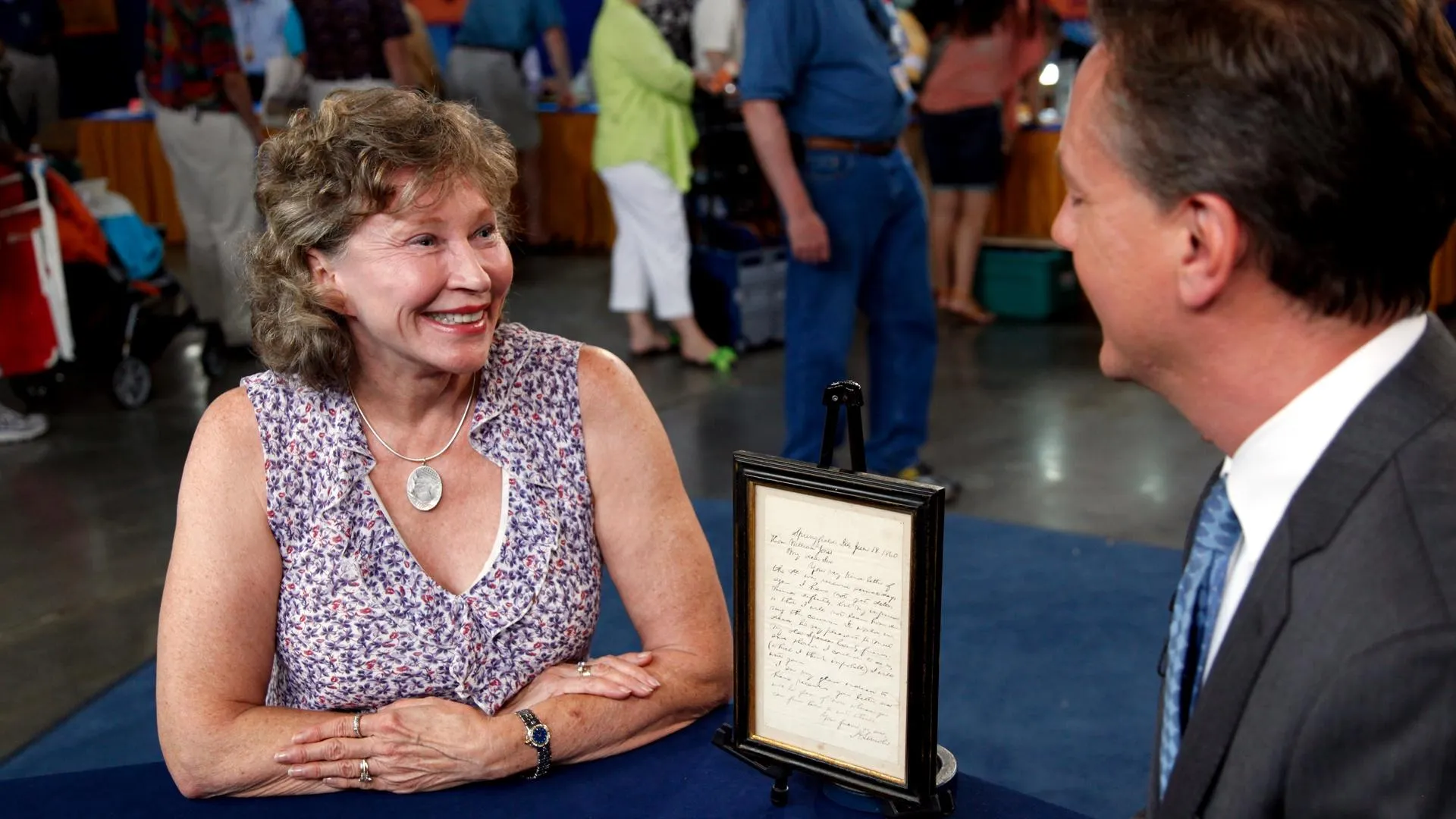
The latest ROADSHOW's Most Wanted segment visits the Hobcaw Barony in Georgetown, SC.
Canvas
appraisal
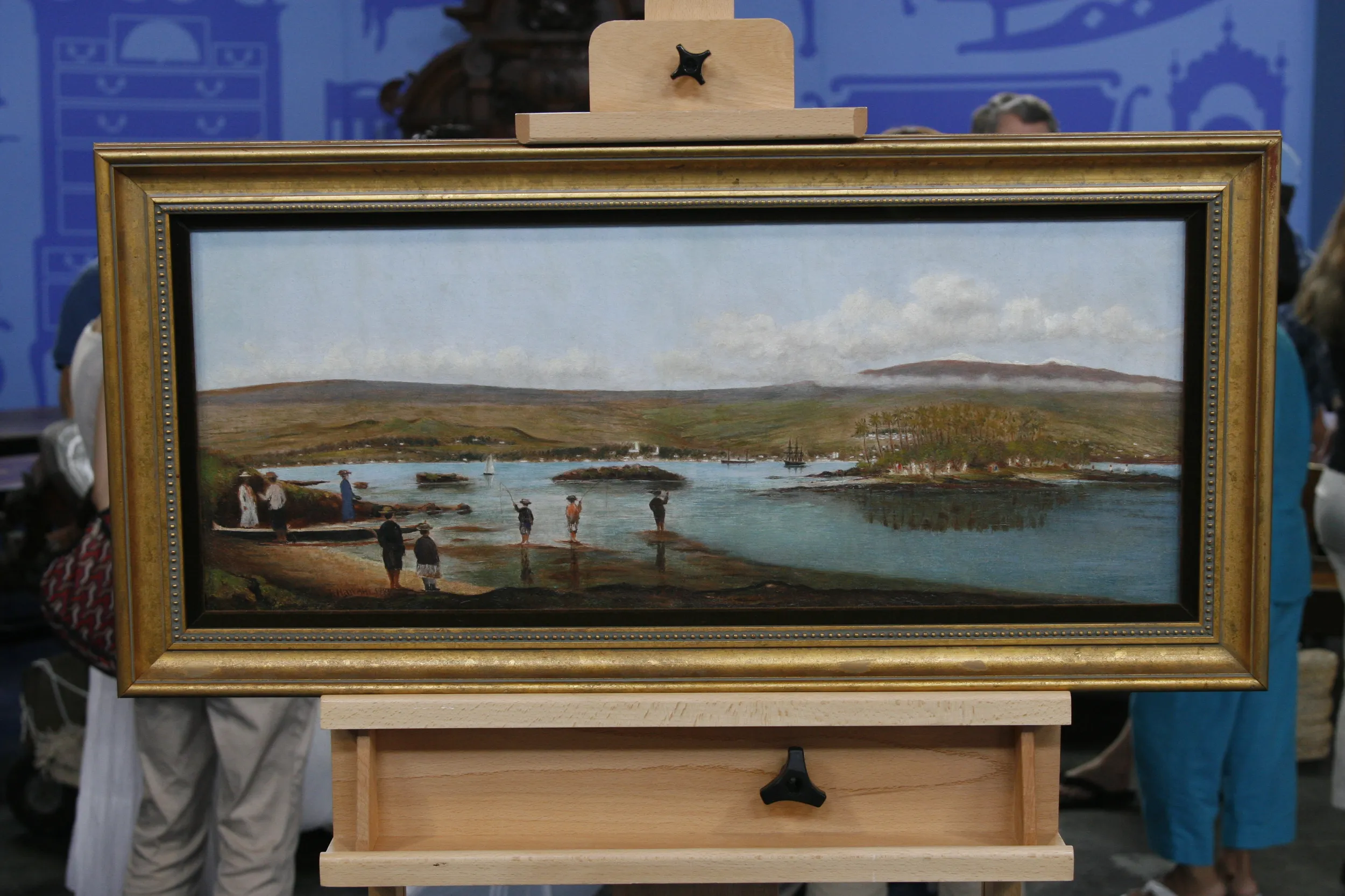
1888 Joseph Nāwahī Oil Painting
appraisal
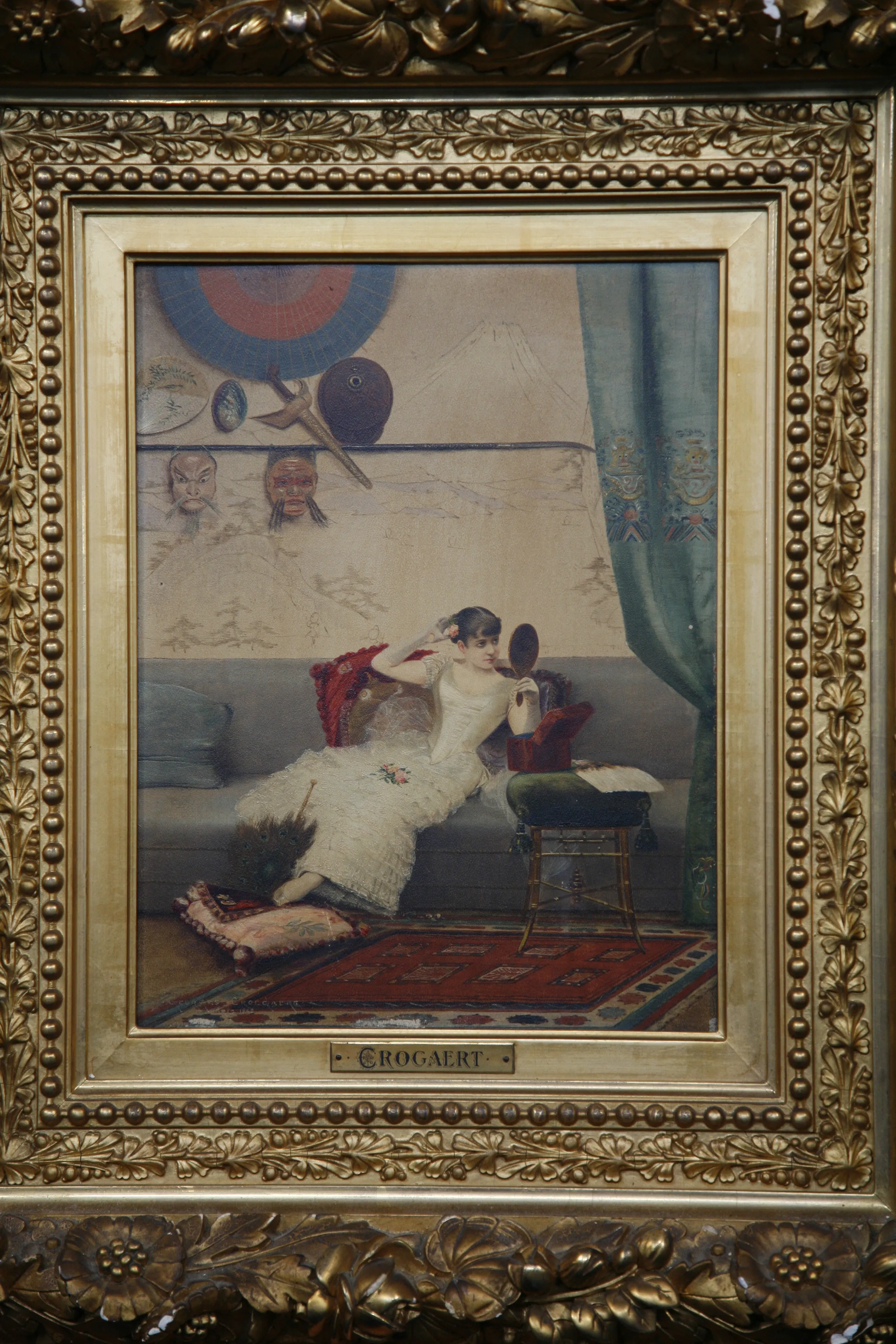
1886 Georges Croegaert Boudoir Oil Painting
appraisal
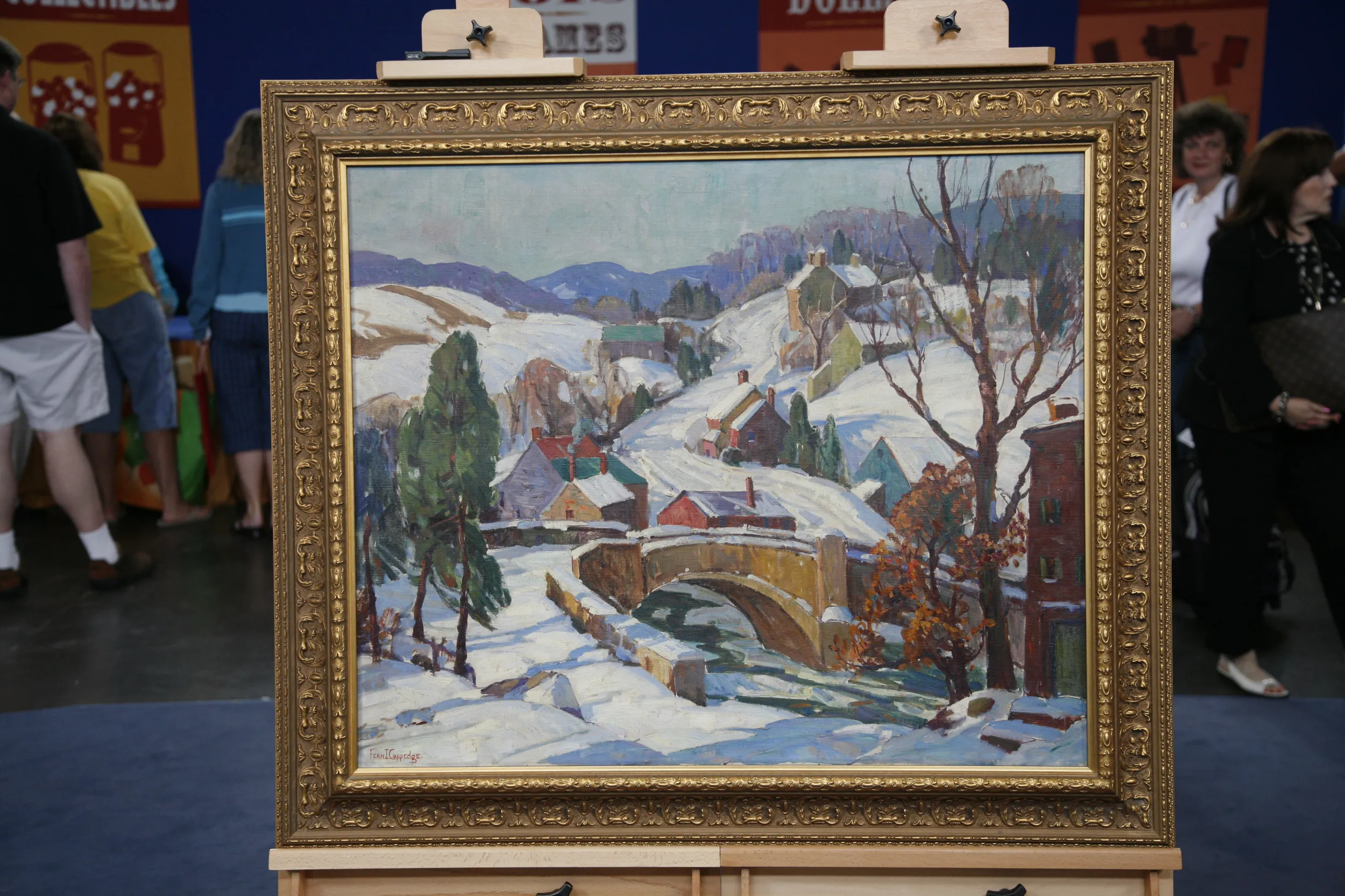
Fern Isabel Coppedge Oil Painting, ca. 1925
appraisal
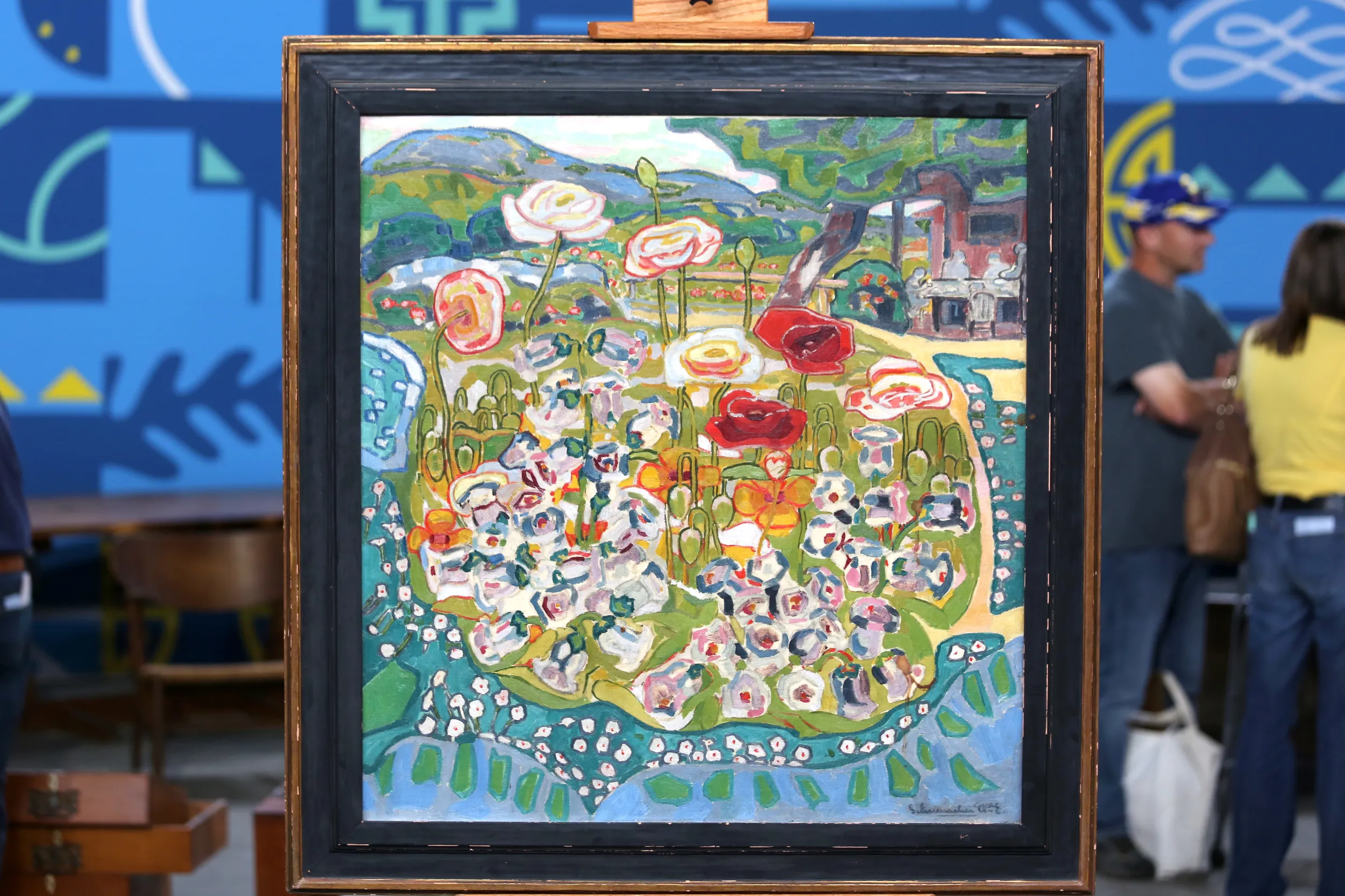
William Schumacher Oil Painting, ca. 1913
Understanding Our Appraisals
Executive producer Marsha Bemko shares her tips for getting the most out of ANTIQUES ROADSHOW.
Value can change: The value of an item is dependent upon many things, including the condition of the object itself, trends in the market for that kind of object, and the location where the item will be sold. These are just some of the reasons why the answer to the question "What's it worth?" is so often "It depends."
Note the date: Take note of the date the appraisal was recorded. This information appears in the upper left corner of the page, with the label "Appraised On." Values change over time according to market forces, so the current value of the item could be higher, lower, or the same as when our expert first appraised it.
Context is key: Listen carefully. Most of our experts will give appraisal values in context. For example, you'll often hear them say what an item is worth "at auction," or "retail," or "for insurance purposes" (replacement value). Retail prices are different from wholesale prices. Often an auctioneer will talk about what she knows best: the auction market. A shop owner will usually talk about what he knows best: the retail price he'd place on the object in his shop. And though there are no hard and fast rules, an object's auction price can often be half its retail value; yet for other objects, an auction price could be higher than retail. As a rule, however, retail and insurance/replacement values are about the same.
Verbal approximations: The values given by the experts on ANTIQUES ROADSHOW are considered "verbal approximations of value." Technically, an "appraisal" is a legal document, generally for insurance purposes, written by a qualified expert and paid for by the owner of the item. An appraisal usually involves an extensive amount of research to establish authenticity, provenance, composition, method of construction, and other important attributes of a particular object.
Opinion of value: As with all appraisals, the verbal approximations of value given at ROADSHOW events are our experts' opinions formed from their knowledge of antiques and collectibles, market trends, and other factors. Although our valuations are based on research and experience, opinions can, and sometimes do, vary among experts.
Appraiser affiliations: Finally, the affiliation of the appraiser may have changed since the appraisal was recorded. To see current contact information for an appraiser in the ROADSHOW Archive, click on the link below the appraiser's picture. Our Appraiser Index also contains a complete list of active ROADSHOW appraisers and their contact details and biographies.


