Ring Collection, ca. 1970
GUEST: I brought in a box of jewelry from my grandmother that I got when she passed away back in 2020. We were in the hospital and she called me in and then she gave this to me before she died. She told me to put it up in somewhere safe. So I just put it in my closet, and I kind of forgot about it, until I heard I was going on the ANTIQUES ROADSHOW I wanted to bring it.
APPRAISER: Is that when you told your parents?
GUEST: (chuckles) Yes.
APPRAISER: (laughs) I can't believe you hid it from your mother and father. What was their reaction when you...?
GUEST: They were really shocked and surprised.
APPRAISER: What do you know about these rings?
GUEST: I don't know much, but when I was younger, she used to paint my nails, and we used to play with them a lot. And I knew she had, like, a big collection of them.
APPRAISER: Most of the rings in here are real. All of these rings in the top rows are real gold and real diamonds. Now, a few of these big ones, like this... ...and this one and this one, the real big diamonds are not. They're cubic zirconia. But all the smaller diamonds in the rings are all diamonds. The only rings that are not gold and that do not have, uh, genuine stones in them are all the rings right here in this bottom row.
GUEST: Okay.
APPRAISER: But over here you have blue topaz. You have blue sapphire. This green one is peridot. You have a real cultured pearl there. You have amethyst. Over here you have more peridot, amethyst, citrine. You know what this one is, right?
GUEST: A ruby, maybe?
APPRAISER: Right, rubies. And this one?
GUEST: Emeralds?
APPRAISER: That's right. You have some rings that are a little larger. Like, this one's amethyst, this one here is synthetic. It's a big stone-- this one here is synthetic. This one here is synthetic. But the ring is still gold. Ten karat, 14 karat. There are some rings here that are manufactured in the United States. There are rings in there that are manufactured in China. There's a bunch of them, especially the smaller colored stones, that would have been manufactured in Thailand. I would say overall, they range anywhere from the mid-1960s through the mid-1980s.
GUEST: (chuckling): That's old.
APPRAISER: (chuckling): That's old! If I add up what's here, it's $15,000 to $25,000. That's a lot of money-- your grandmother loved jewelry, no doubt about it.
GUEST: Mm-hmm, yes, she has a lot.
APPRAISER: There's more? More?
GUEST: Yes, I have a lot more at home.
APPRAISER: (laughing): Is it still being hidden?
GUEST: (laughing): Yes.
APPRAISER: Have your mom and dad seen it yet?
GUEST: (chuckling): Not yet.
APPRAISER: (laughs)
$15,000 - $25,000 Auction
Featured In

episode
Maryland Zoo, Hour 2
ROADSHOW finds rare treasures at Maryland Zoo including one worth $180,000!
Metals & Alloys
appraisal
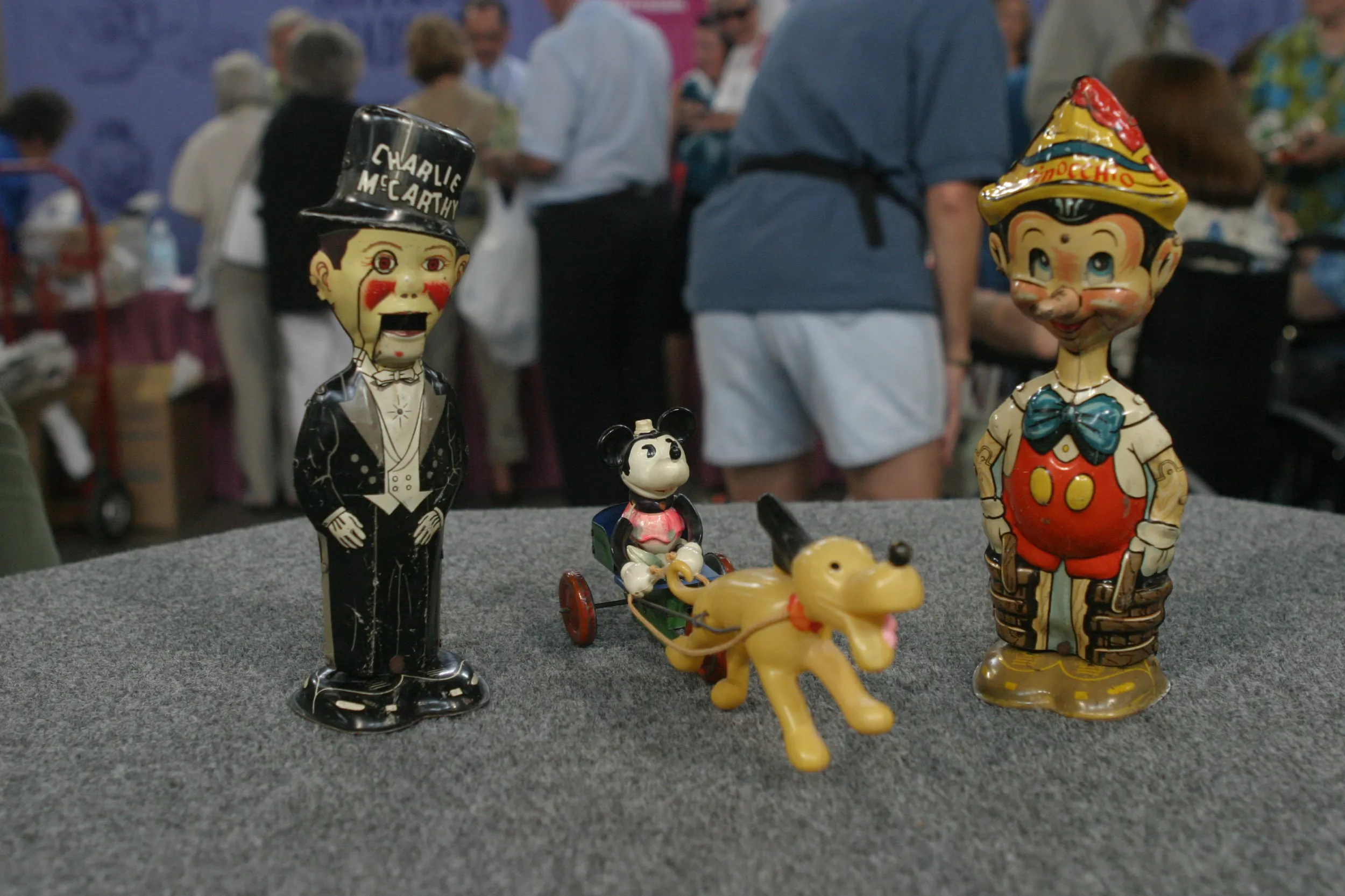
Comic Wind-up Toys, ca. 1930
appraisal
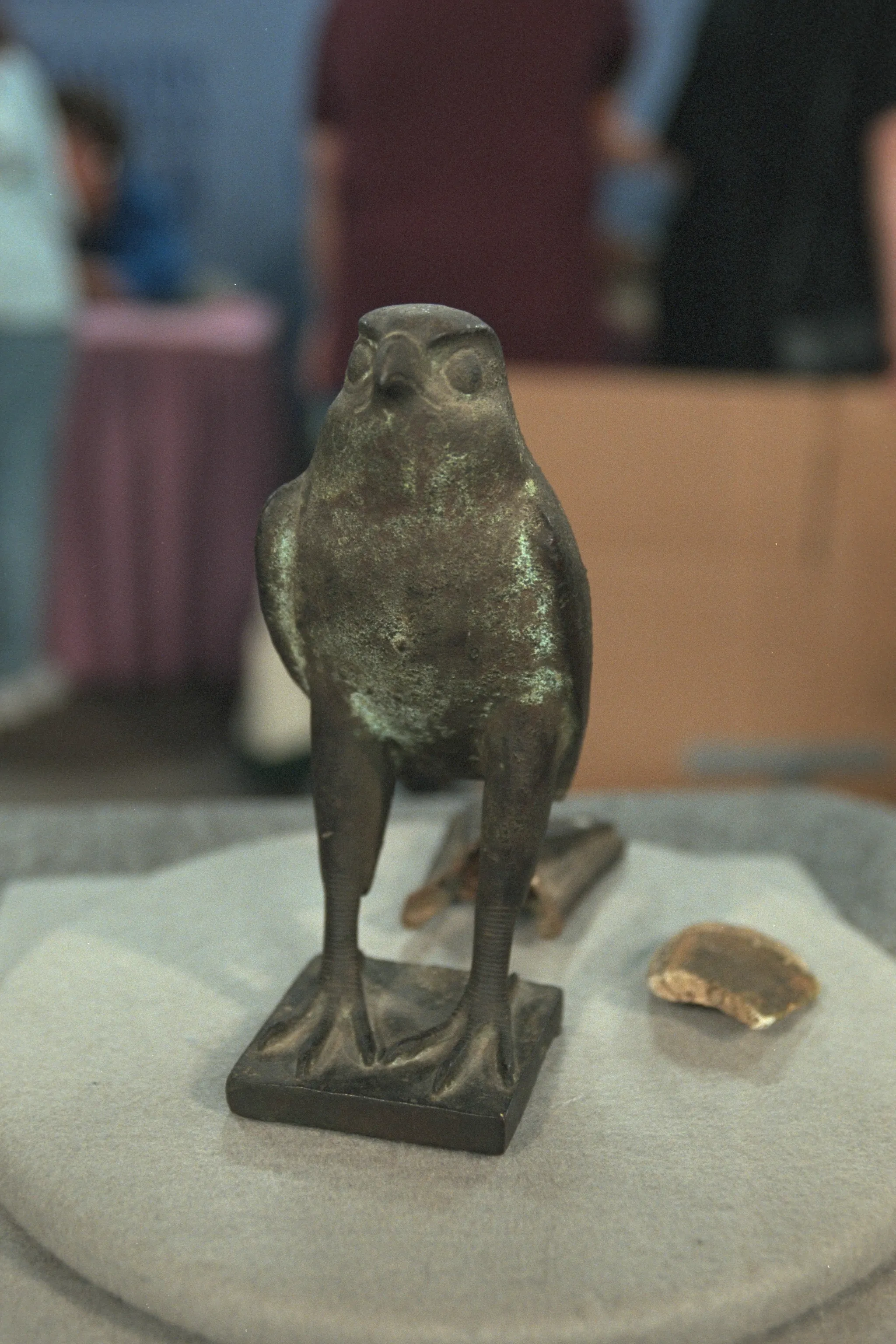
Late Period Egyptian Bronze Falcon

appraisal
Elgin Student Watch & Papers, ca. 1924
appraisal
Duncan Phyfe Sewing Table, ca. 1805
Understanding Our Appraisals
Executive producer Marsha Bemko shares her tips for getting the most out of ANTIQUES ROADSHOW.
Value can change: The value of an item is dependent upon many things, including the condition of the object itself, trends in the market for that kind of object, and the location where the item will be sold. These are just some of the reasons why the answer to the question "What's it worth?" is so often "It depends."
Note the date: Take note of the date the appraisal was recorded. This information appears in the upper left corner of the page, with the label "Appraised On." Values change over time according to market forces, so the current value of the item could be higher, lower, or the same as when our expert first appraised it.
Context is key: Listen carefully. Most of our experts will give appraisal values in context. For example, you'll often hear them say what an item is worth "at auction," or "retail," or "for insurance purposes" (replacement value). Retail prices are different from wholesale prices. Often an auctioneer will talk about what she knows best: the auction market. A shop owner will usually talk about what he knows best: the retail price he'd place on the object in his shop. And though there are no hard and fast rules, an object's auction price can often be half its retail value; yet for other objects, an auction price could be higher than retail. As a rule, however, retail and insurance/replacement values are about the same.
Verbal approximations: The values given by the experts on ANTIQUES ROADSHOW are considered "verbal approximations of value." Technically, an "appraisal" is a legal document, generally for insurance purposes, written by a qualified expert and paid for by the owner of the item. An appraisal usually involves an extensive amount of research to establish authenticity, provenance, composition, method of construction, and other important attributes of a particular object.
Opinion of value: As with all appraisals, the verbal approximations of value given at ROADSHOW events are our experts' opinions formed from their knowledge of antiques and collectibles, market trends, and other factors. Although our valuations are based on research and experience, opinions can, and sometimes do, vary among experts.
Appraiser affiliations: Finally, the affiliation of the appraiser may have changed since the appraisal was recorded. To see current contact information for an appraiser in the ROADSHOW Archive, click on the link below the appraiser's picture. Our Appraiser Index also contains a complete list of active ROADSHOW appraisers and their contact details and biographies.


