Northwest Coast Clan Crest Helmet Finial, ca. 1830
GUEST: I had an uncle who was a very fine artist, collected art, and he was a-- did restorations of, of art, and he was working on, uh, Hearst, some Hearst paintings. Phoebe Hearst had a lot of Indian baskets and, and Indian things. (laughs)
APPRAISER: Yeah. Yeah.
GUEST: He saw Phoebe's collection, and was able to purchase some of the baskets, and this was also included. Because I liked art, he went ahead and, and did a painting of this and sent me what was the original. I understand it might have been on a helmet, but it's, at least the top part.
APPRAISER: Do you have a feeling for tribal identity?
GUEST: Uh, I think it might be Native Alaskan.
APPRAISER: Okay, it's from an area that we would call the Northern Northwest Coast. And there were three tribes that were particularly remarkable in their cultural architecture, symbolism, artistry, and their cultural life: the Haida, the Tlingit, and the Tsimshian. I believe this is either Tsimshian or Tlingit, two of the foremost tribes of that area. And they excelled at carving wood and carving their clan symbols in wood in ceremonial regalia. So, you're correct, this is the finial to a clan crest helmet. And these clan crest helmets indicated who the individual was that was wearing it and what their lineage was. So if you were a member of the Orca clan or the Bear clan, everybody that's o, observed this would immediately know. And it would have been a man, in this case. And he would have been, uh, someone of high regard. I believe the top of the finial represents the fin of a killer whale or an orca. The eye of the figure is humanoid. The nostrils is, appear to be very, very ferocious. They're expanded. They're in almost an attack posture.
GUEST: Uh-huh.
APPRAISER: So there's a tremendous amount of energy being demonstrated there. And then the lips are bared, the teeth are shown. This would represent perhaps a warrior. At the back, there are all of these little holes. These would have contained tufts of human hair.
GUEST: Wow.
APPRAISER: And they would have been maybe three or four inches long. And if this individual was standing in the wind, they would move. If he was dancing, they would move. They're pegged in with pieces of wood. Do you have a feeling for the age here?
GUEST: Based on the other collection that my uncle bought from Phoebe Hearst, somewhere between 1890 and perhaps the first part of the last century.
APPRAISER: I, I think the Hearsts were collecting their baskets at just that period that you suggest. And that's the height of the basketry market in, uh, from California all the way up to the coast. This is older than that.
GUEST: Really?
APPRAISER: (clears throat): This may be as old as circa 1830.
GUEST: Wow.
APPRAISER: This, this is very old.
GUEST: I'm surprised. (laughs)
APPRAISER: Um, the sculptural quality is ex, superb. The colors are great, they're rich. The red reflects a vital color, of, the blood, of lifelines. Also spiritually associates with the upper powers, the powers of the upper world. It's probably mercury vermilion, which is a trade, uh, pigment. The copper green is a color derived from copper, like a copper oxide. And then the black is a commercial pigment.
GUEST: Hm.
APPRAISER: I'm not sure what its nature was.
GUEST: Mm-hmm.
APPRAISER: This is, uh, as, as refined a sculpture as you're going to find on the coast of British Columbia. It's just truly supreme.
GUEST: Right.
APPRAISER: On a retail basis, I would value this in the neighborhood of $30,000.
GUEST (laughing): Oh my God!
APPRAISER: If this was the finial on top of a clan crest helmet, and we had the whole ensemble, we'd be in the neighborhood of perhaps of $150,000.
GUEST: I wasn't going to bring it 'cause I had to have something to fit in my purse. (laughs)
$30,000 Retail
Featured In
episode
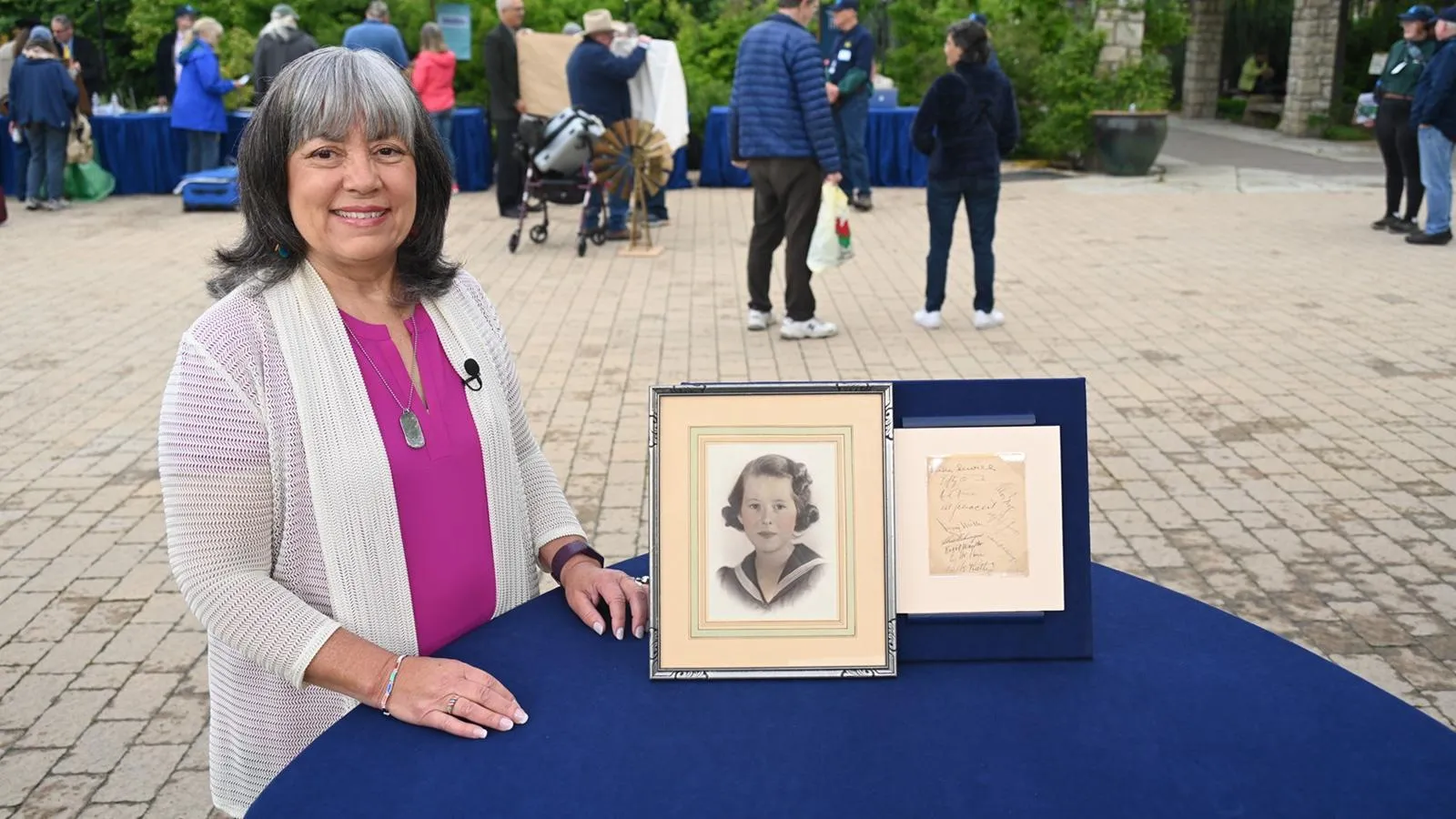
Idaho Botanical Garden, Hour 1
Gem State treasures sparkle at Idaho Botanical Garden including a discovery up to $80,000!
19th Century
appraisal
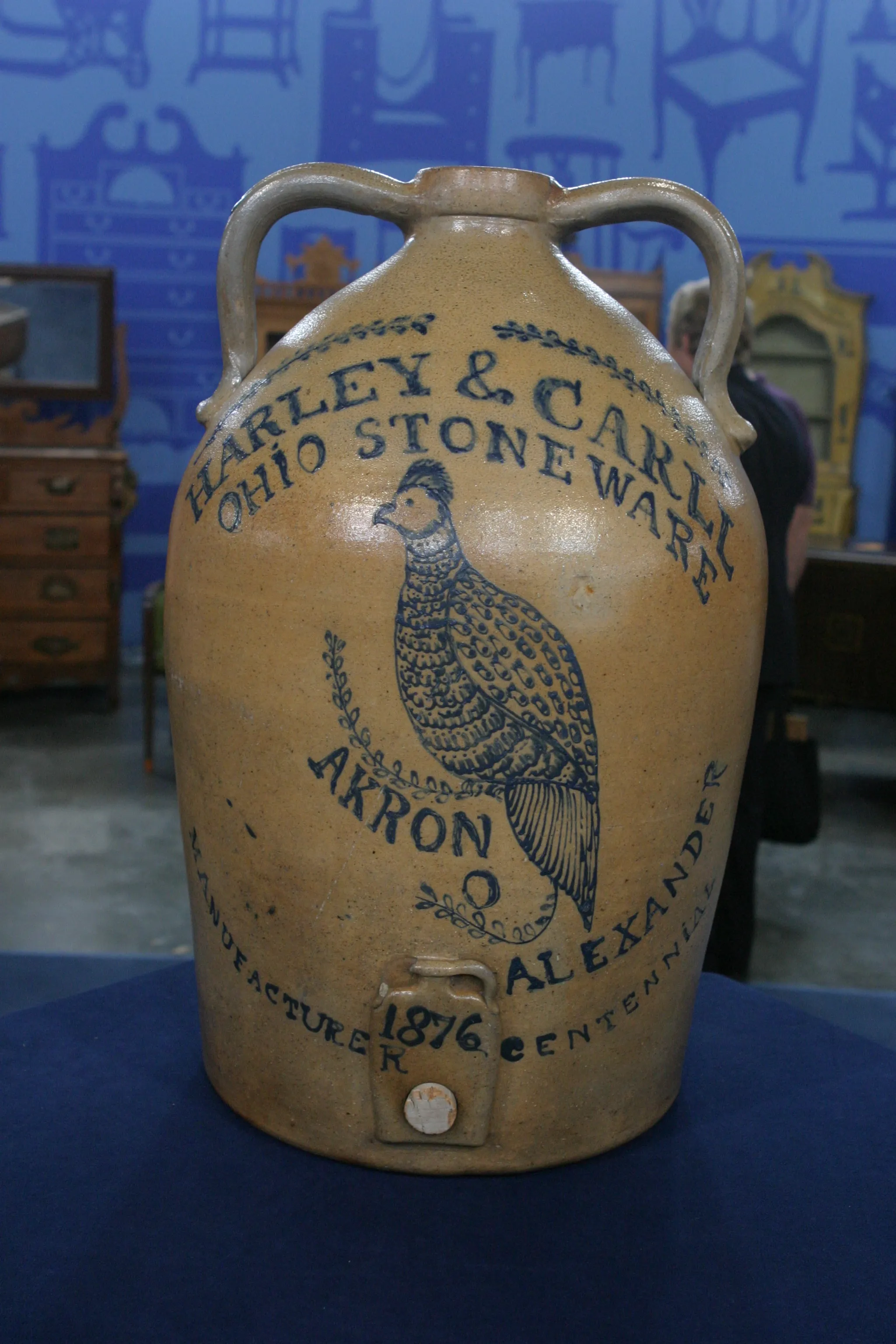
1876 John Alexander Stoneware Cooler
appraisal
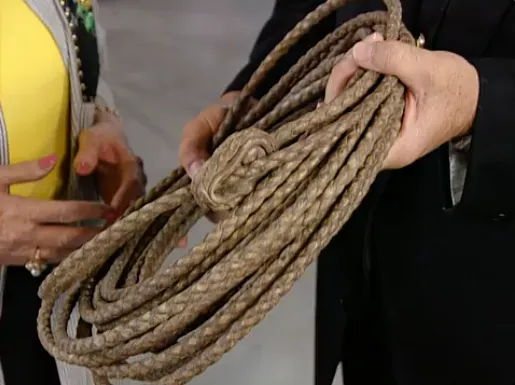
Braided Rawhide Lariat, ca. 1850
appraisal
American School Portrait, ca. 1820
appraisal
Eskimo Hunting Helmet, ca. 1820
Understanding Our Appraisals
Executive producer Marsha Bemko shares her tips for getting the most out of ANTIQUES ROADSHOW.
Value can change: The value of an item is dependent upon many things, including the condition of the object itself, trends in the market for that kind of object, and the location where the item will be sold. These are just some of the reasons why the answer to the question "What's it worth?" is so often "It depends."
Note the date: Take note of the date the appraisal was recorded. This information appears in the upper left corner of the page, with the label "Appraised On." Values change over time according to market forces, so the current value of the item could be higher, lower, or the same as when our expert first appraised it.
Context is key: Listen carefully. Most of our experts will give appraisal values in context. For example, you'll often hear them say what an item is worth "at auction," or "retail," or "for insurance purposes" (replacement value). Retail prices are different from wholesale prices. Often an auctioneer will talk about what she knows best: the auction market. A shop owner will usually talk about what he knows best: the retail price he'd place on the object in his shop. And though there are no hard and fast rules, an object's auction price can often be half its retail value; yet for other objects, an auction price could be higher than retail. As a rule, however, retail and insurance/replacement values are about the same.
Verbal approximations: The values given by the experts on ANTIQUES ROADSHOW are considered "verbal approximations of value." Technically, an "appraisal" is a legal document, generally for insurance purposes, written by a qualified expert and paid for by the owner of the item. An appraisal usually involves an extensive amount of research to establish authenticity, provenance, composition, method of construction, and other important attributes of a particular object.
Opinion of value: As with all appraisals, the verbal approximations of value given at ROADSHOW events are our experts' opinions formed from their knowledge of antiques and collectibles, market trends, and other factors. Although our valuations are based on research and experience, opinions can, and sometimes do, vary among experts.
Appraiser affiliations: Finally, the affiliation of the appraiser may have changed since the appraisal was recorded. To see current contact information for an appraiser in the ROADSHOW Archive, click on the link below the appraiser's picture. Our Appraiser Index also contains a complete list of active ROADSHOW appraisers and their contact details and biographies.


