Modern Furniture
HOST: In the 20th century, Modernism was a dramatic departure from the past. It was a movement that embraced technology and the use of new materials. In Grand Rapids, Michigan, ROADSHOW got to check out the production of a classic piece of modern furniture: the Eames 670 lounge chair. Brand new, ready to go. May I try? Oh, that's nice. After World War II, American furniture companies became the market leaders, and Herman Miller of West Michigan was one of the top modern furniture producers in the world. ROADSHOW met up with John Sollo at the Grand Rapids Public Museum to check out a vintage Eames chair.
HOST: This chair is absolutely one of the classic modern designs of all time. It's a Charles and Ray Eames 670 lounge chair. The first year this was designed was 1956. I was at the factory today, and I watched a new version of this chair come right off the assembly line, and at least from my eye, it's very difficult to tell the difference between a vintage version of this chair and what's coming out today.
APPRAISER: First of all, this chair is labeled on the bottom. It says "January 5, 1978." The ones in the 1960s have a round label about the size of a quarter that says "Herman Miller" on it. Up to about 1970, they used a feather, a down interior. After that, they used foam. This one has the foam, so we know it's a little bit later production. This piece is made out of molded plywood. It has a rosewood veneer. Today, they use much more environmentally friendly woods. It's one of the ways we know it's a vintage piece.
HOST: Let's talk about value: a vintage Eames 670 as opposed to a brand new one.
APPRAISER: The values are very similar. If you look at vintage pieces, retail, they usually bring between $3,000 and $4,000. I believe that the new pieces that Herman Miller is selling today sell for about $3,600 to $4,600, so they're very similar. A lot of people want to buy vintage pieces. They have a vintage house, they want to have a vintage piece to fit in with it. When we think about modern design, especially modern design in America, this chair is as good as it gets. It's right at the top.
HOST: It's a modern American classic, and thank you for showing us this great Herman Miller modern furniture right here in western Michigan.
APPRAISER: Thank you very much.

Featured In
episode
Grand Rapids, Hour 2
Masterpieces of locally manufactured modernist furniture at the Grand Rapids Public Museum
episode
Wood
appraisal
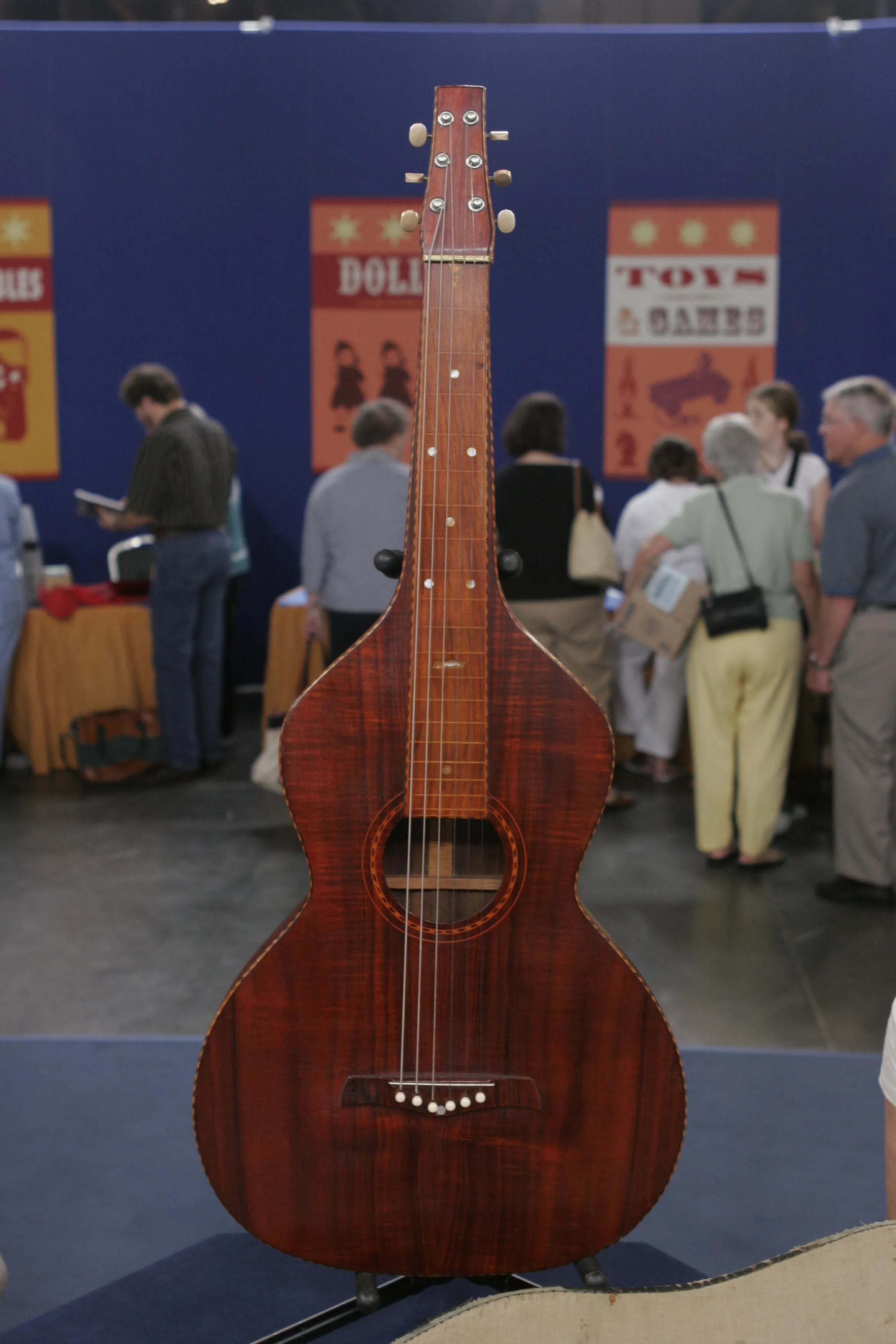
Weissenborn Style 4 Guitar, ca. 1925
appraisal
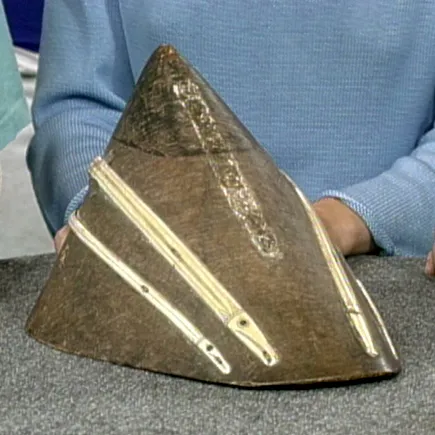
Eskimo Hunting Helmet, ca. 1820
appraisal
appraisal
Duncan Phyfe Sewing Table, ca. 1805
Understanding Our Appraisals
Executive producer Marsha Bemko shares her tips for getting the most out of ANTIQUES ROADSHOW.
Value can change: The value of an item is dependent upon many things, including the condition of the object itself, trends in the market for that kind of object, and the location where the item will be sold. These are just some of the reasons why the answer to the question "What's it worth?" is so often "It depends."
Note the date: Take note of the date the appraisal was recorded. This information appears in the upper left corner of the page, with the label "Appraised On." Values change over time according to market forces, so the current value of the item could be higher, lower, or the same as when our expert first appraised it.
Context is key: Listen carefully. Most of our experts will give appraisal values in context. For example, you'll often hear them say what an item is worth "at auction," or "retail," or "for insurance purposes" (replacement value). Retail prices are different from wholesale prices. Often an auctioneer will talk about what she knows best: the auction market. A shop owner will usually talk about what he knows best: the retail price he'd place on the object in his shop. And though there are no hard and fast rules, an object's auction price can often be half its retail value; yet for other objects, an auction price could be higher than retail. As a rule, however, retail and insurance/replacement values are about the same.
Verbal approximations: The values given by the experts on ANTIQUES ROADSHOW are considered "verbal approximations of value." Technically, an "appraisal" is a legal document, generally for insurance purposes, written by a qualified expert and paid for by the owner of the item. An appraisal usually involves an extensive amount of research to establish authenticity, provenance, composition, method of construction, and other important attributes of a particular object.
Opinion of value: As with all appraisals, the verbal approximations of value given at ROADSHOW events are our experts' opinions formed from their knowledge of antiques and collectibles, market trends, and other factors. Although our valuations are based on research and experience, opinions can, and sometimes do, vary among experts.
Appraiser affiliations: Finally, the affiliation of the appraiser may have changed since the appraisal was recorded. To see current contact information for an appraiser in the ROADSHOW Archive, click on the link below the appraiser's picture. Our Appraiser Index also contains a complete list of active ROADSHOW appraisers and their contact details and biographies.


