Marcus & Co. Art Deco Tutti Frutti Bracelet, ca. 1930
GUEST: This was my grandmother's. My mom received it when I was about 12. And then I received it from my mom when I was about 35. And I took it to a jeweler and tried to get it appraised, and I had noticed that it said "Marcus & Company" on the back.
APPRAISER: Right.
GUEST: And I thought back then it was part of Neiman Marcus.
APPRAISER: Right.
GUEST: And at the time, they said, "Well, we're not really quite sure." So I've seen other items that were Marcus and Company on ANTIQUES ROADSHOW. And it's just, like, this person has Marcus, and this person has Marcus. I have a Marcus.
APPRAISER: Yes, you do.
GUEST: (laughs)
APPRAISER: Well, let me tell you a little bit Marcus and Company. It was a father and son that started it, and they had a place in Manhattan. One of the prominent jewelers of the time. It is carved emeralds in the Tutti Frutti style, which was very hot in the '20s and '30s.
GUEST: Oh.
APPRAISER: It's Art Deco era.
GUEST: Oh, okay.
APPRAISER: And it's done in platinum, and it's got brilliant-cut diamonds, and it's very desirable. They still make Tutti Frutti-style carvings to this day.
GUEST: Oh, really?
APPRAISER: But the original artifact, which you have here, from the Art Deco era, is awesome. It's beautiful, and it's in really good shape, because emeralds are p, pretty soft.
GUEST: Yeah.
APPRAISER: They're not like diamonds or sapphires or rubies that are much harder and survive better. So, to have this carving that is still in such great shape is amazing. When you had it appraised, they didn't tell you the value or anything?
GUEST: My mom has the appraisal somewhere in their house that they've lived in...
APPRAISER: Sure.
GUEST: ...since 1976. (laughing): So, I don't have the appraisal, and I keep it in my safe, and I bring it out for, like, birthdays and Christmas. I don't have it insured, either. I know that's kind of naughty. I was guessing somewhere between maybe five to 10?
APPRAISER: Did somebody ever offer to buy this from you?
GUEST: Long time ago, probably in the late '80s. My mom considered selling it, and there's some other pieces that are not Marcus, but some other pieces go along with it. And they offered her about $3,000 for the entire set. And I was, like, "Don't you dare."
APPRAISER: You are correct.
GUEST: "Don't you dare."
APPRAISER: That would've-- I mean, it's good you held onto it. I believe now, that if you were to have this in a nice high-end retail jewelry store, it'd be around $25,000.
GUEST: (softly): Fantastic. Yeah. Thank you so much. That's fantastic news. I love it.
APPRAISER: I love to see that big smile.
GUEST: (laughing): I just love it.

$25,000 Retail
Featured In

episode
Denver Botanic Gardens Chatfield Farms, Hour 2
ROADSHOW strikes gold in Colorado with amazing finds from a stop in Littleton!
Gems and Minerals
appraisal
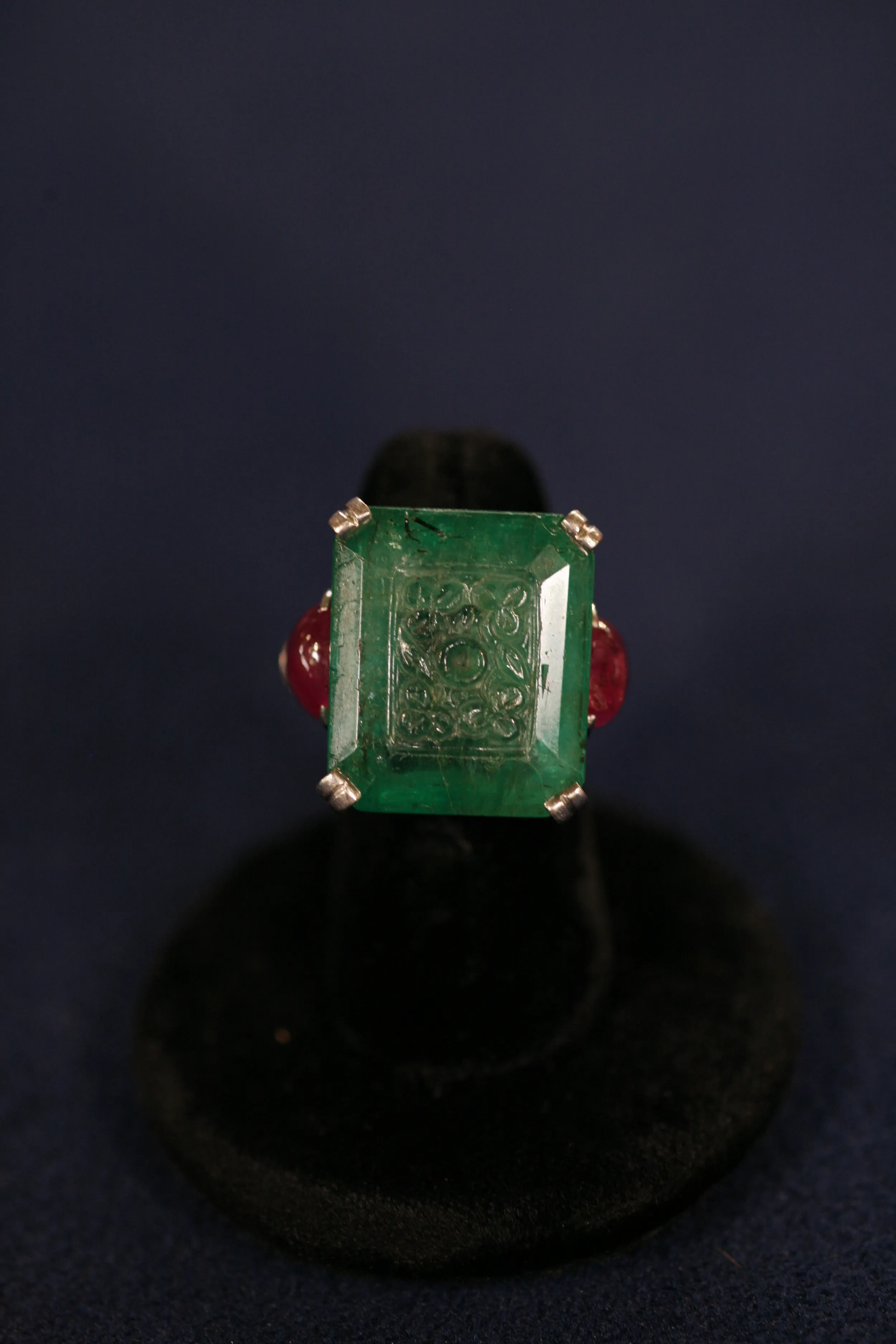
Carved Emerald & Ruby Ring, ca. 1925
appraisal
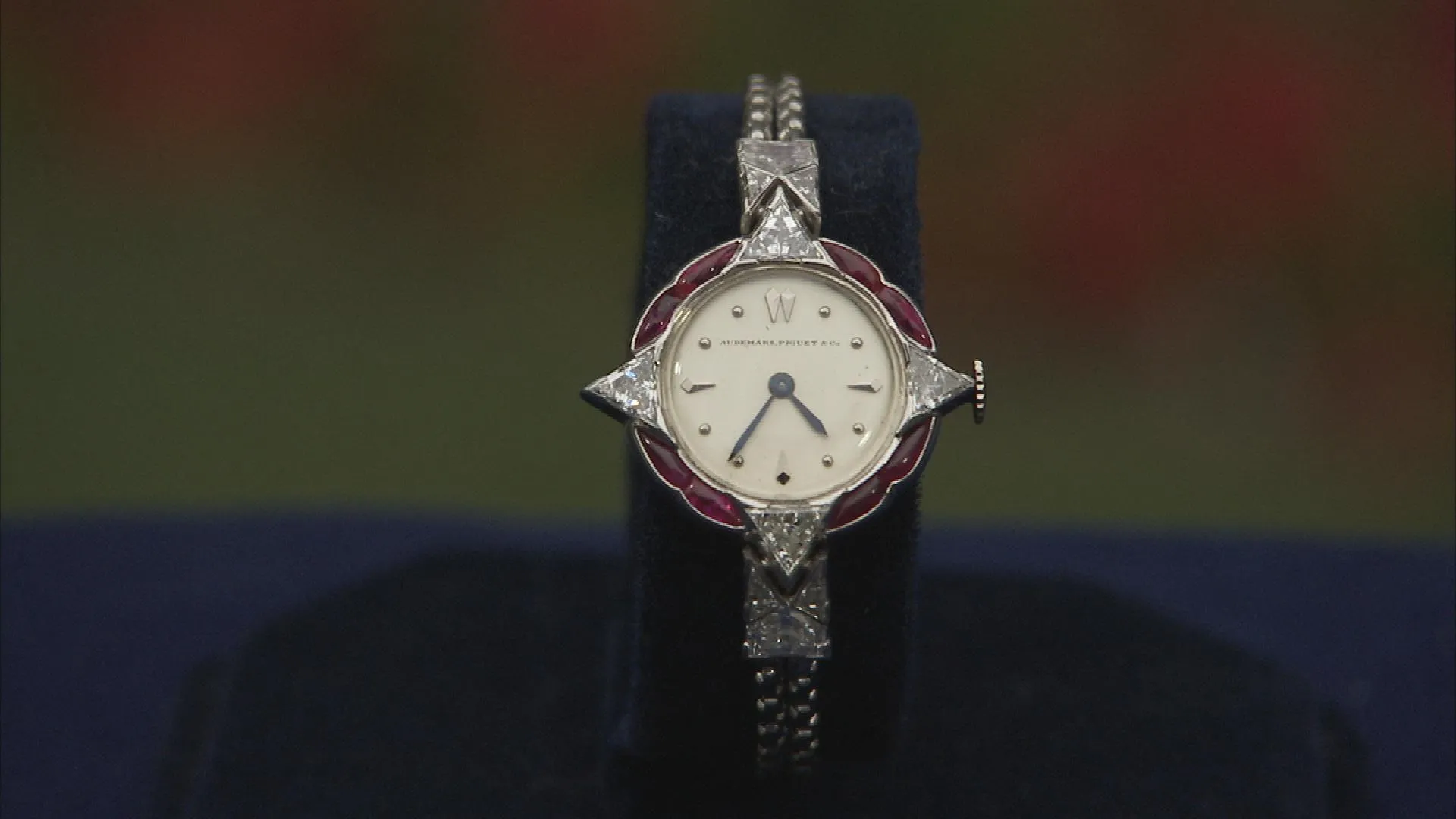
Audemars Piguet Watch, ca. 1940
appraisal
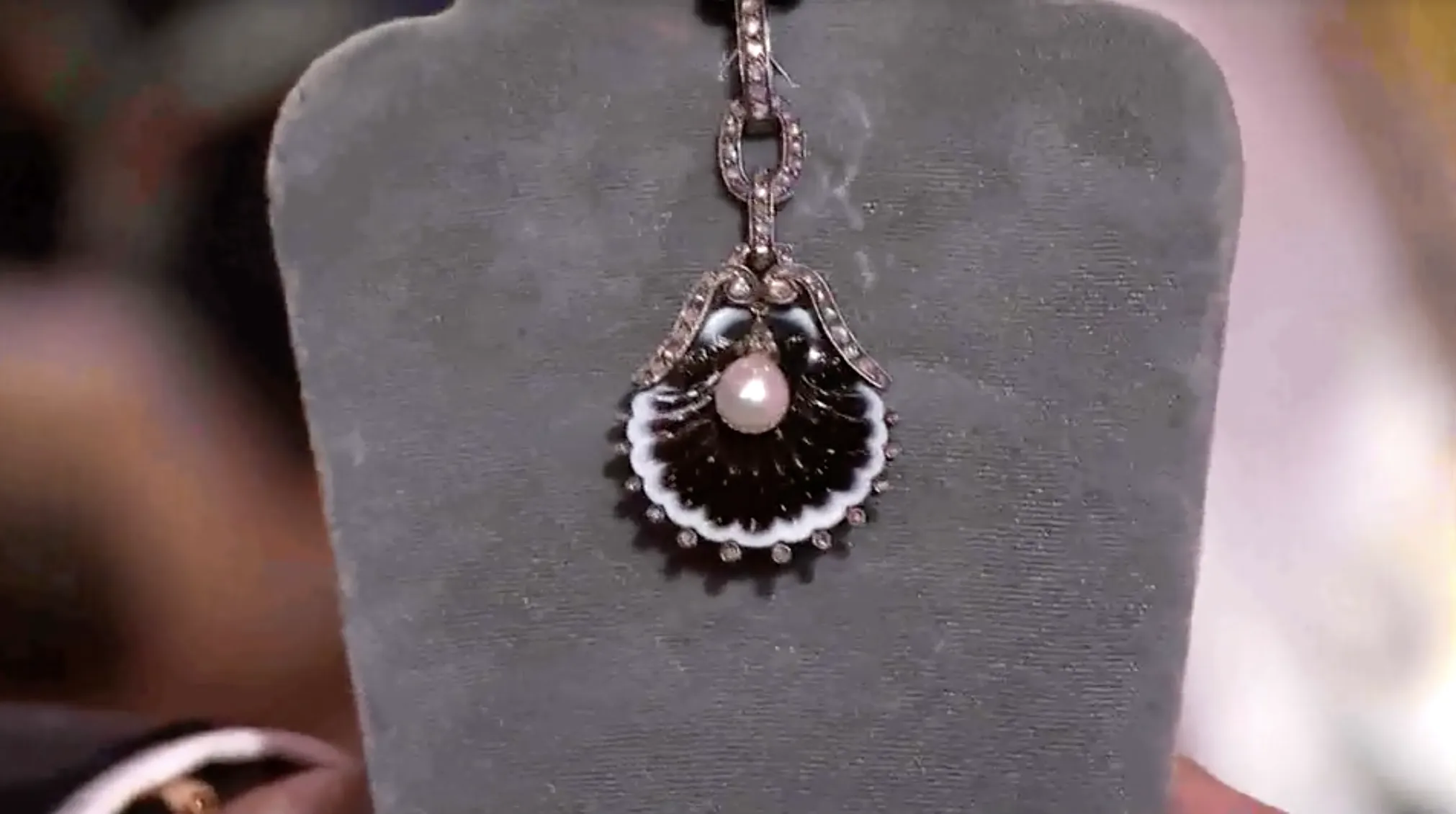
Pendant Jewelry by Faberge from 1880
appraisal
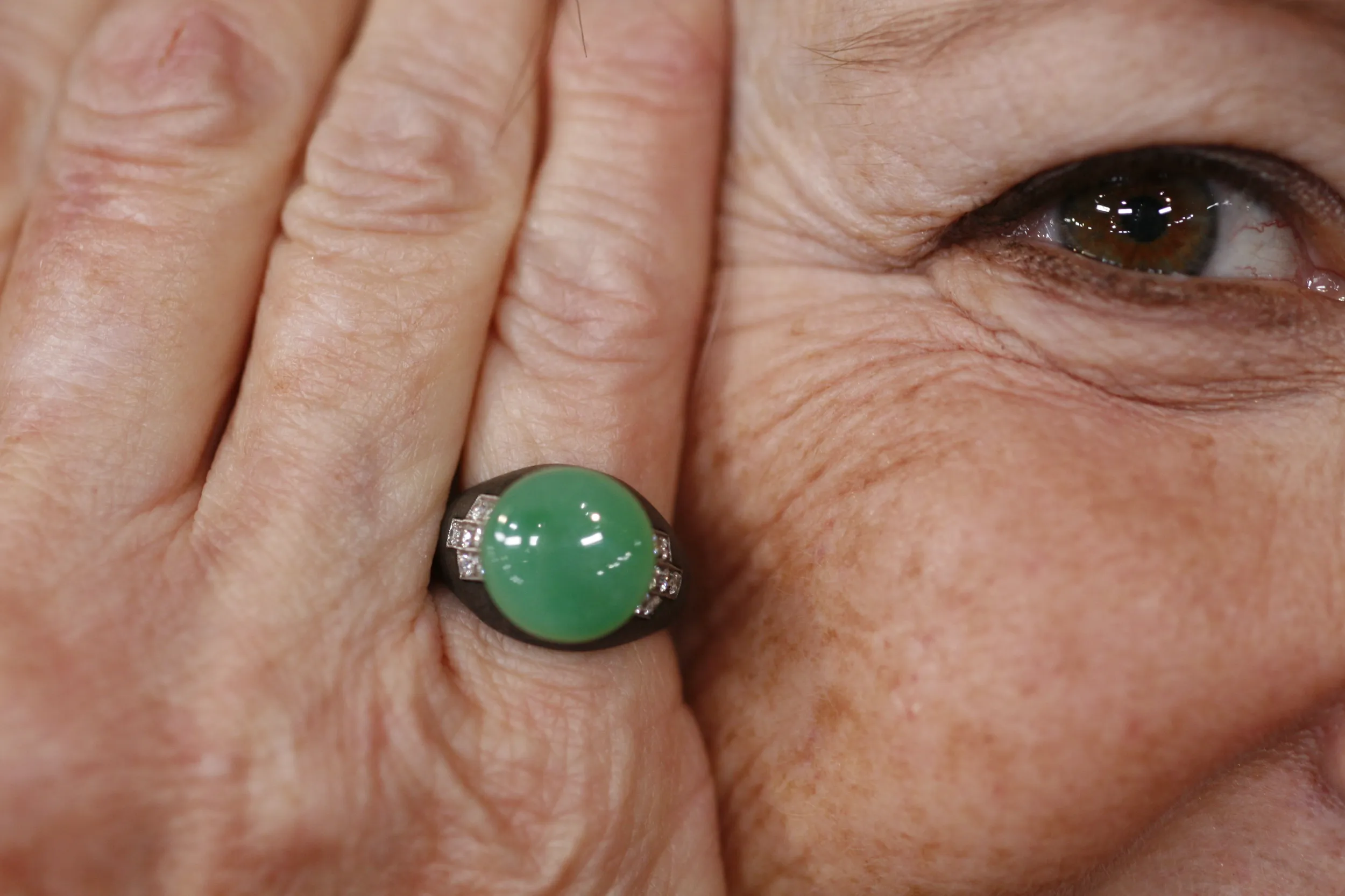
Marsh Steel, Jade & Diamond Ring, ca. 1950
Understanding Our Appraisals
Executive producer Marsha Bemko shares her tips for getting the most out of ANTIQUES ROADSHOW.
Value can change: The value of an item is dependent upon many things, including the condition of the object itself, trends in the market for that kind of object, and the location where the item will be sold. These are just some of the reasons why the answer to the question "What's it worth?" is so often "It depends."
Note the date: Take note of the date the appraisal was recorded. This information appears in the upper left corner of the page, with the label "Appraised On." Values change over time according to market forces, so the current value of the item could be higher, lower, or the same as when our expert first appraised it.
Context is key: Listen carefully. Most of our experts will give appraisal values in context. For example, you'll often hear them say what an item is worth "at auction," or "retail," or "for insurance purposes" (replacement value). Retail prices are different from wholesale prices. Often an auctioneer will talk about what she knows best: the auction market. A shop owner will usually talk about what he knows best: the retail price he'd place on the object in his shop. And though there are no hard and fast rules, an object's auction price can often be half its retail value; yet for other objects, an auction price could be higher than retail. As a rule, however, retail and insurance/replacement values are about the same.
Verbal approximations: The values given by the experts on ANTIQUES ROADSHOW are considered "verbal approximations of value." Technically, an "appraisal" is a legal document, generally for insurance purposes, written by a qualified expert and paid for by the owner of the item. An appraisal usually involves an extensive amount of research to establish authenticity, provenance, composition, method of construction, and other important attributes of a particular object.
Opinion of value: As with all appraisals, the verbal approximations of value given at ROADSHOW events are our experts' opinions formed from their knowledge of antiques and collectibles, market trends, and other factors. Although our valuations are based on research and experience, opinions can, and sometimes do, vary among experts.
Appraiser affiliations: Finally, the affiliation of the appraiser may have changed since the appraisal was recorded. To see current contact information for an appraiser in the ROADSHOW Archive, click on the link below the appraiser's picture. Our Appraiser Index also contains a complete list of active ROADSHOW appraisers and their contact details and biographies.


