Lionel 700E Hudson Scale Train Model, ca. 1940
GUEST: A couple years ago, I was looking around at trains and stuff that was for sale. This caught my eye. It was big, bigger than most. The guy was asking $200.
APPRAISER: It is modeled after a real steam engine. This is a 700E Hudson engine made by the Lionel Corporation. It's a 4-6-4 truck configuration. It's very heavy.
GUEST: I agree, oh, yeah.
APPRAISER: Much heavy...
GUEST: Very heavy.
APPRAISER: Much heavier than most trains. This engine, uh, and tender, they're made of a die-cast mold as opposed to being a tinplate train. This was Lionel's introduction into scale-model railroad, instead of just toy trains. It's actually a 1:48 scale of the original Hudson engine. It's a very exact scale model. Lionel invested a lot of money to create this. This train could be electrified and ran on train tracks, or it could be prominently displayed as a presentation piece. They originally produced this in 1937, and it ran for five years, until 1942, when they had to stop it for World War II. Then they did reintroduce it again a few years later with some slight modifications to the design. And this is a pre-war example. That's when they were stamped the 5344. This was really expensive at the time it was made. This would have cost anywhere from $50 to $75. It was a very popular seller. The president of Lionel himself even had this on his mantel. Given this heavy weight of several pounds and how brittle die-cast can become, this can break very easily. The front end, for example, the cowcatcher, this could easily crack, be dislodged, broken off entirely. The other thing that happens on these engines is, they can warp and bend. I'm very happy to report yours is in beautiful condition. It is authentic and it is all original. In this condition, this train engine and tender would have an auction estimate of $2,000 to $3,000.
GUEST: Really? Wow. I wouldn't have expected that much. No, not at all. That's really cool, though. Thank you so much...
APPRAISER: My pleasure.
GUEST: …for all the information.

$2,000 - $3,000 Auction
Featured In

episode
Denver Botanic Gardens Chatfield Farms, Hour 2
ROADSHOW strikes gold in Colorado with amazing finds from a stop in Littleton!
20th Century
appraisal
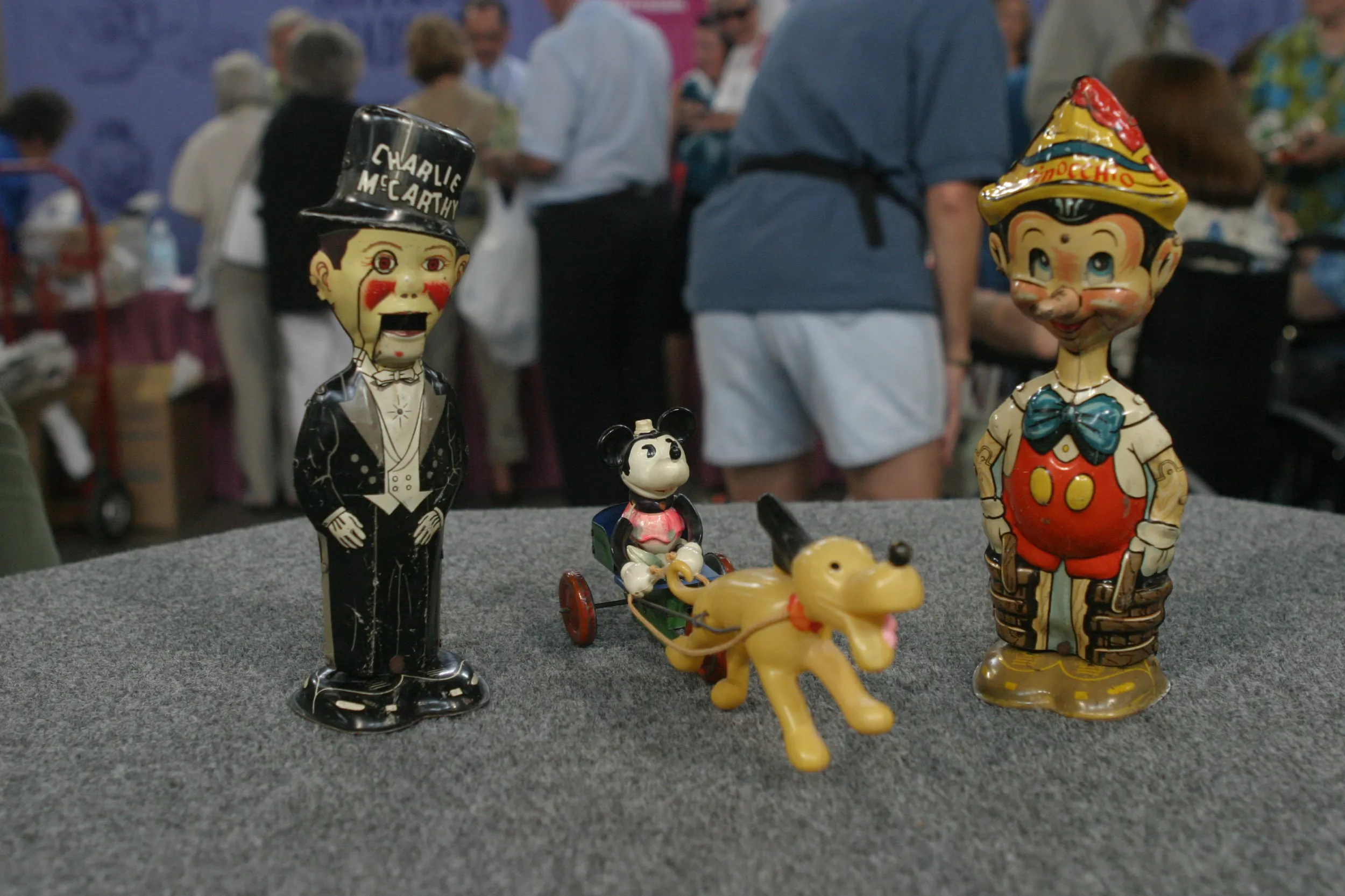
Comic Wind-up Toys, ca. 1930
appraisal
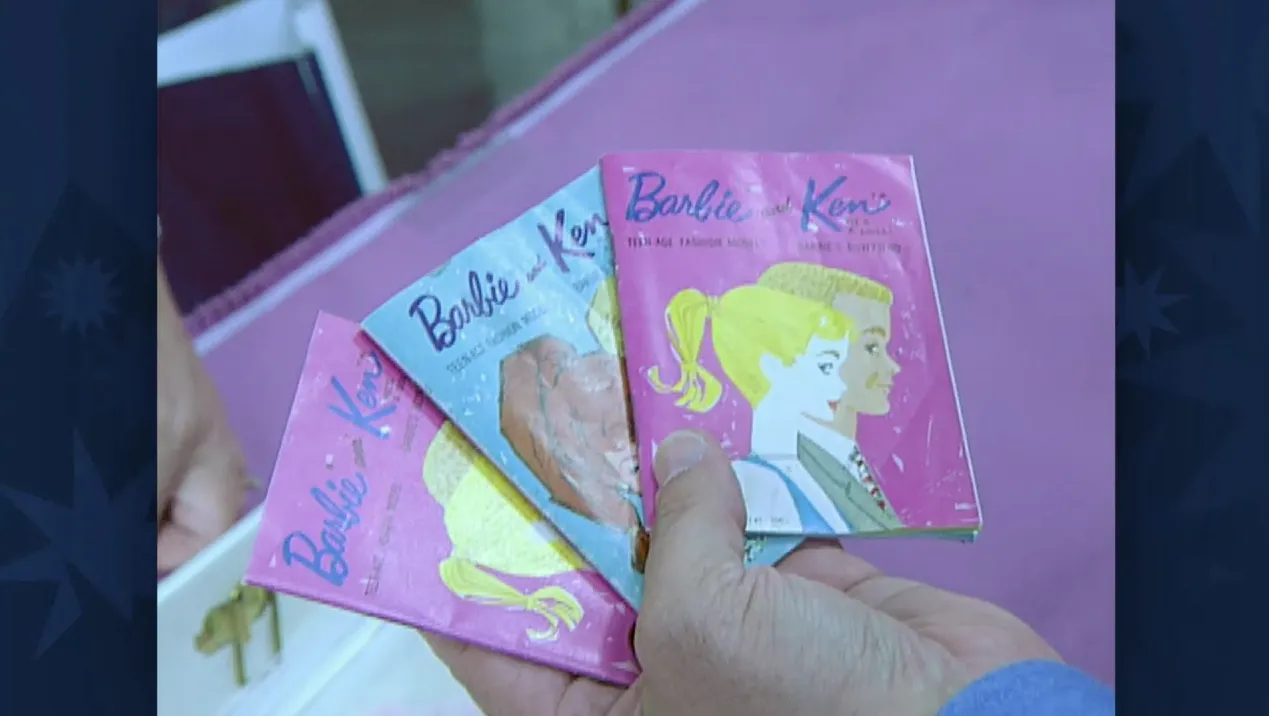
Barbie Accessories & Case, ca. 1960
appraisal
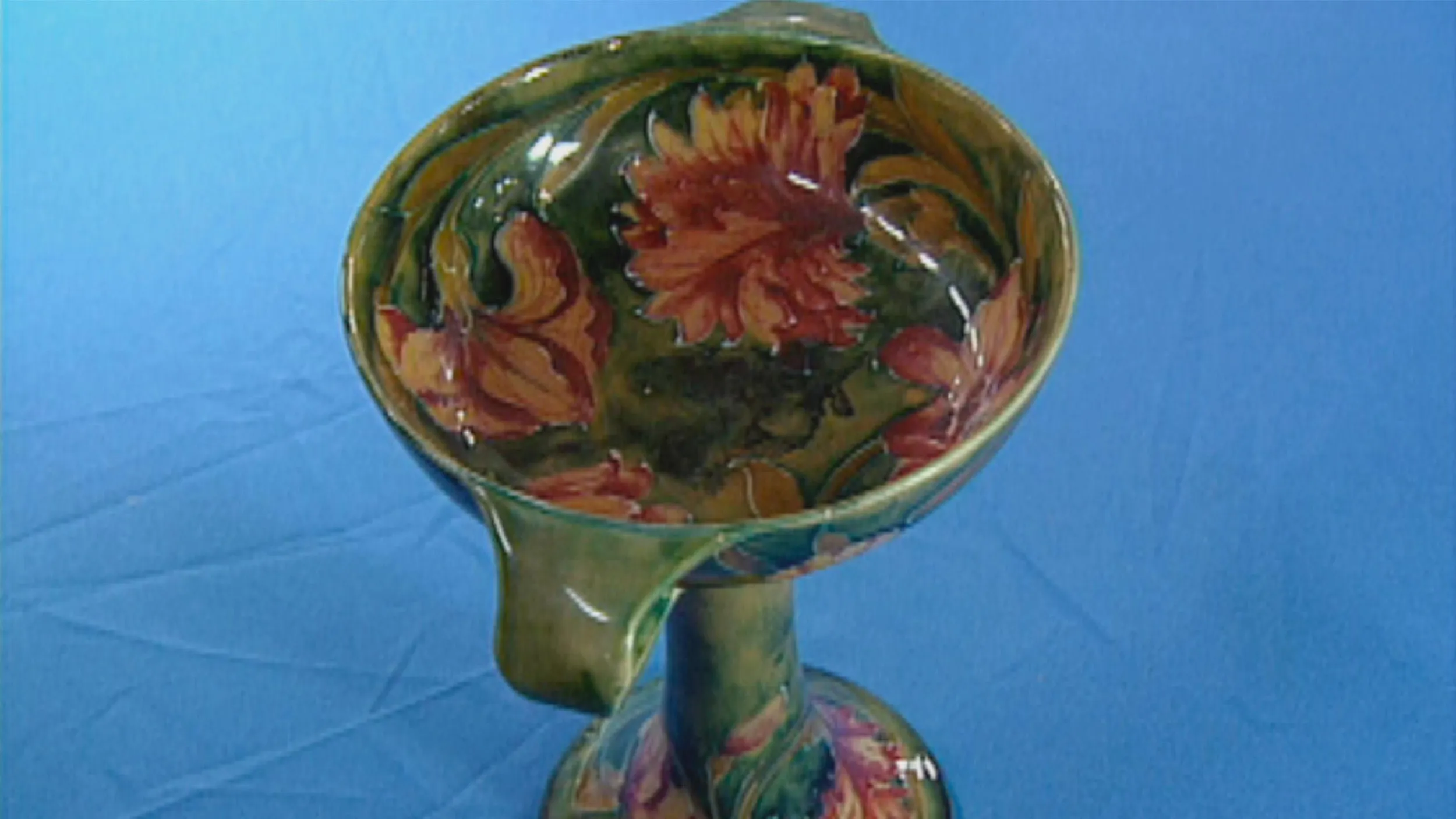
William Moorcroft Pottery, ca. 1910
appraisal
Understanding Our Appraisals
Executive producer Marsha Bemko shares her tips for getting the most out of ANTIQUES ROADSHOW.
Value can change: The value of an item is dependent upon many things, including the condition of the object itself, trends in the market for that kind of object, and the location where the item will be sold. These are just some of the reasons why the answer to the question "What's it worth?" is so often "It depends."
Note the date: Take note of the date the appraisal was recorded. This information appears in the upper left corner of the page, with the label "Appraised On." Values change over time according to market forces, so the current value of the item could be higher, lower, or the same as when our expert first appraised it.
Context is key: Listen carefully. Most of our experts will give appraisal values in context. For example, you'll often hear them say what an item is worth "at auction," or "retail," or "for insurance purposes" (replacement value). Retail prices are different from wholesale prices. Often an auctioneer will talk about what she knows best: the auction market. A shop owner will usually talk about what he knows best: the retail price he'd place on the object in his shop. And though there are no hard and fast rules, an object's auction price can often be half its retail value; yet for other objects, an auction price could be higher than retail. As a rule, however, retail and insurance/replacement values are about the same.
Verbal approximations: The values given by the experts on ANTIQUES ROADSHOW are considered "verbal approximations of value." Technically, an "appraisal" is a legal document, generally for insurance purposes, written by a qualified expert and paid for by the owner of the item. An appraisal usually involves an extensive amount of research to establish authenticity, provenance, composition, method of construction, and other important attributes of a particular object.
Opinion of value: As with all appraisals, the verbal approximations of value given at ROADSHOW events are our experts' opinions formed from their knowledge of antiques and collectibles, market trends, and other factors. Although our valuations are based on research and experience, opinions can, and sometimes do, vary among experts.
Appraiser affiliations: Finally, the affiliation of the appraiser may have changed since the appraisal was recorded. To see current contact information for an appraiser in the ROADSHOW Archive, click on the link below the appraiser's picture. Our Appraiser Index also contains a complete list of active ROADSHOW appraisers and their contact details and biographies.


