Joseph Yoakum Drawing, ca. 1965
GUEST: I inherited this from my mother about ten years ago. I know very little about the artist Joe Yoakum. And what I learned, I learned this morning by going online.
APPRAISER: (chuckling) Okay.
GUEST: She would have bought this in either New York or Washington, D.C., probably around 1982.
APPRAISER: Well, you're right, this piece is by Joseph Yoakum, and he was born in 1891 in Missouri. He was of African American descent, and of some possible Native American descent. And he, at an early age, ran away from home and joined the circus. And then we know very little about him. He ended up on Chicago's South Side having a storefront where he lived and created art.
GUEST: Huh. Huh.
APPRAISER: All of his body of work have this clear pattern of this wonderful flowing; no hard lines, no hard shapes. Almost an abstract expressionist thoughts of landscapes.
GUEST: Hm.
APPRAISER: And the medium is ink and colored pencil on paper. He was most prolific in the 1960s. He passed away in 1972.
GUEST: Huh.
APPRAISER: But during the '60s, they said he was creating one artwork each day.
GUEST: Wow. Hm.
APPRAISER: Yeah. So we're going to say that because his prolific period was primarily between 1965 and 1970, we're going to date it in that time frame. And there is a label on the back of this. And the label is from the Corcoran Gallery.
GUEST: Right. Sure.
APPRAISER: They were a very progressive gallery in Washington, D.C. And this was in a show that they did in the early '80s.
GUEST: Oh, no kidding, huh. Huh.
APPRAISER: And the show was focusing on African American artists.
GUEST: I'll be. Huh. Oh, that's cool, yeah. Huh.
APPRAISER: And that's where your mother purchased it, yeah.
GUEST: Wow. Huh.
APPRAISER: He's had a very, very nice collector following. And recently, a couple of years ago, he had a one-man show in New York City at MoMA. 100 artworks they displayed...
GUEST: Huh.
APPRAISER: ...and that kind of sets you apart. The color of it is great. At some point in time, he actually started to varnish his artworks. So a lot of them turned yellow.
GUEST: Oh, geez. Oh.
APPRAISER: And obviously, yeah, those pieces are not very highly collected.
GUEST: Huh.
APPRAISER: So you have all the key elements that people want to see in a Joseph Yoakum artwork, that combined with the label, which is collector gold. So because of all these factors, including the recent MoMA show, I'm very comfortable valuing this, in a retail setting, somewhere between $50,000...
GUEST: Yikes.
APPRAISER: ...and $60,000.
GUEST: Ho-holy... holy smokes. Huh. Well, I hope it doesn't get rained on.
APPRAISER: I think your mother would be shocked.
GUEST: Yeah, I think she would be. I think she'd be pleased for sure.

$50,000 - $60,000 Retail
Featured In

episode
Denver Botanic Gardens Chatfield Farms, Hour 1
Discover delightful ROADSHOW treasures at Denver Botanic Gardens Chatfield Farms!
Paper
appraisal
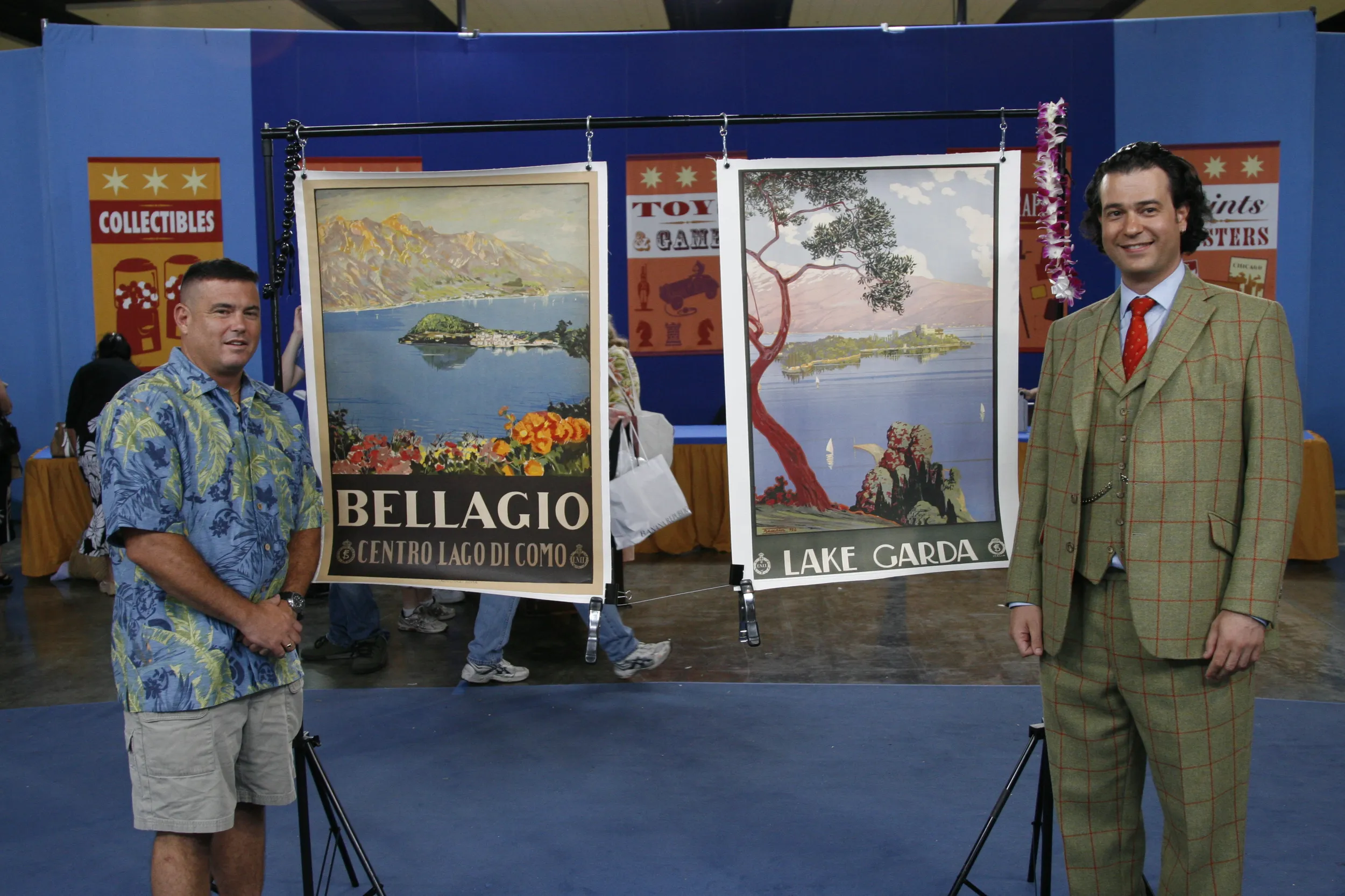
20th-Century Italian Travel Posters
appraisal
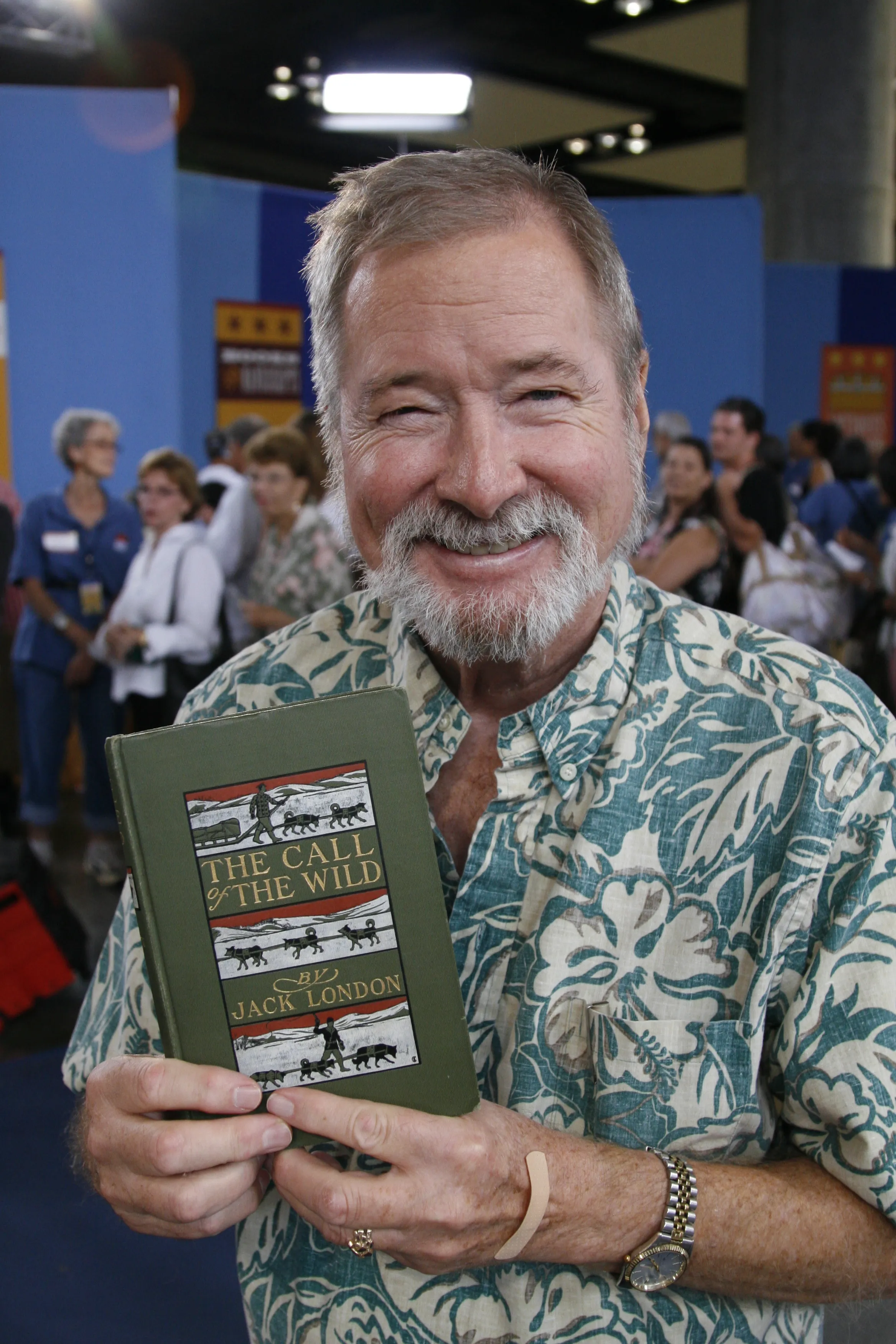
1903 Jack London Call of the Wild Book with Letter
appraisal
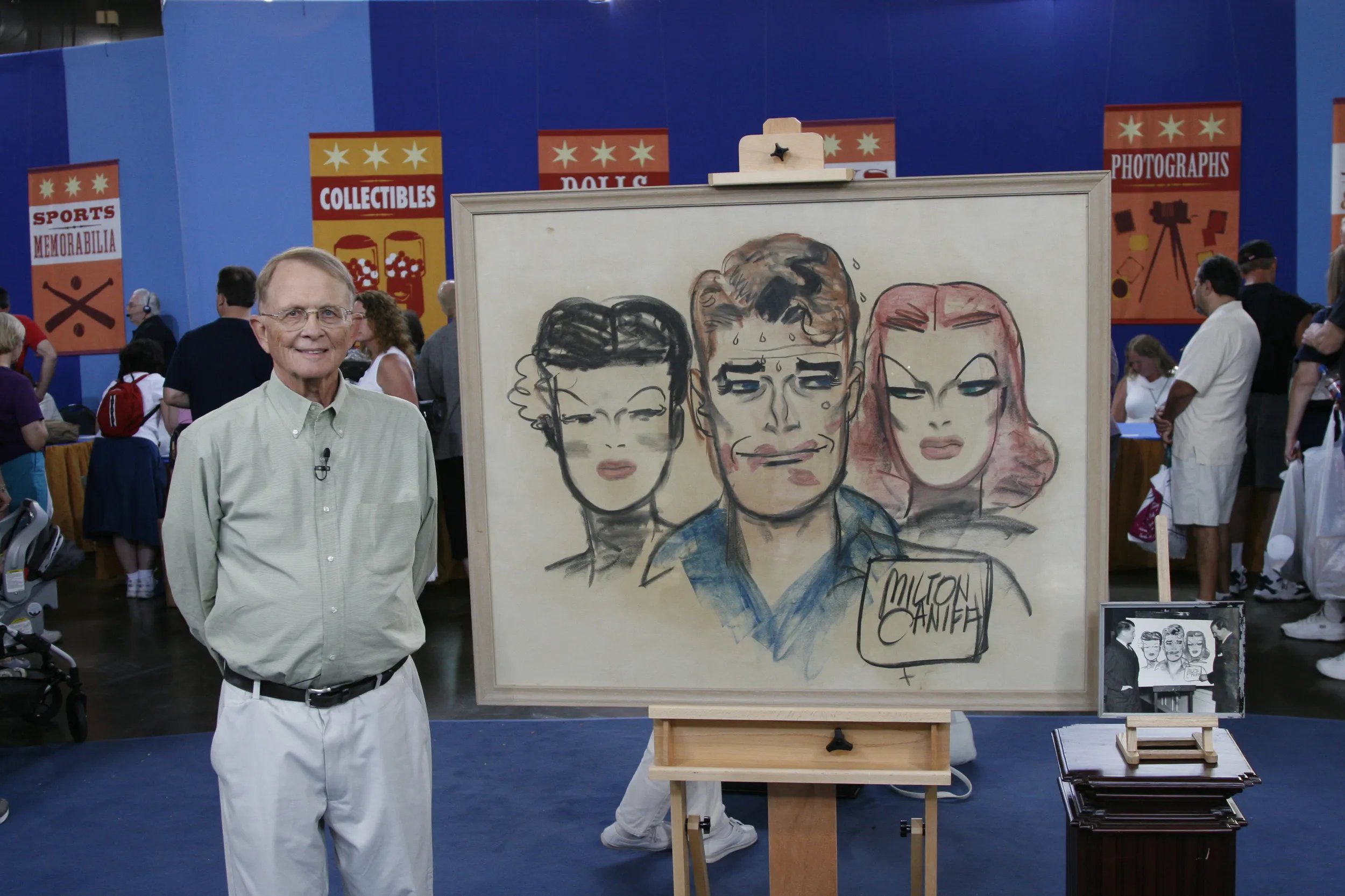
1946 Milton Caniff Pastel Drawing

appraisal
20th-Century Presidential Autographs
Understanding Our Appraisals
Executive producer Marsha Bemko shares her tips for getting the most out of ANTIQUES ROADSHOW.
Value can change: The value of an item is dependent upon many things, including the condition of the object itself, trends in the market for that kind of object, and the location where the item will be sold. These are just some of the reasons why the answer to the question "What's it worth?" is so often "It depends."
Note the date: Take note of the date the appraisal was recorded. This information appears in the upper left corner of the page, with the label "Appraised On." Values change over time according to market forces, so the current value of the item could be higher, lower, or the same as when our expert first appraised it.
Context is key: Listen carefully. Most of our experts will give appraisal values in context. For example, you'll often hear them say what an item is worth "at auction," or "retail," or "for insurance purposes" (replacement value). Retail prices are different from wholesale prices. Often an auctioneer will talk about what she knows best: the auction market. A shop owner will usually talk about what he knows best: the retail price he'd place on the object in his shop. And though there are no hard and fast rules, an object's auction price can often be half its retail value; yet for other objects, an auction price could be higher than retail. As a rule, however, retail and insurance/replacement values are about the same.
Verbal approximations: The values given by the experts on ANTIQUES ROADSHOW are considered "verbal approximations of value." Technically, an "appraisal" is a legal document, generally for insurance purposes, written by a qualified expert and paid for by the owner of the item. An appraisal usually involves an extensive amount of research to establish authenticity, provenance, composition, method of construction, and other important attributes of a particular object.
Opinion of value: As with all appraisals, the verbal approximations of value given at ROADSHOW events are our experts' opinions formed from their knowledge of antiques and collectibles, market trends, and other factors. Although our valuations are based on research and experience, opinions can, and sometimes do, vary among experts.
Appraiser affiliations: Finally, the affiliation of the appraiser may have changed since the appraisal was recorded. To see current contact information for an appraiser in the ROADSHOW Archive, click on the link below the appraiser's picture. Our Appraiser Index also contains a complete list of active ROADSHOW appraisers and their contact details and biographies.


