Israel Putnam Collection, ca. 1777
GUEST: I brought some letters from Israel Putnam during the Revolutionary War. I really don't know much about them.
APPRAISER: How did you get them?
GUEST: From my grandmother, I inherited them.
APPRAISER: How did she get them, do you know?
GUEST: I'm not exactly sure. She was a collector.
APPRAISER: Of what sort of things?
GUEST: A lot of artifacts, furniture, artwork.
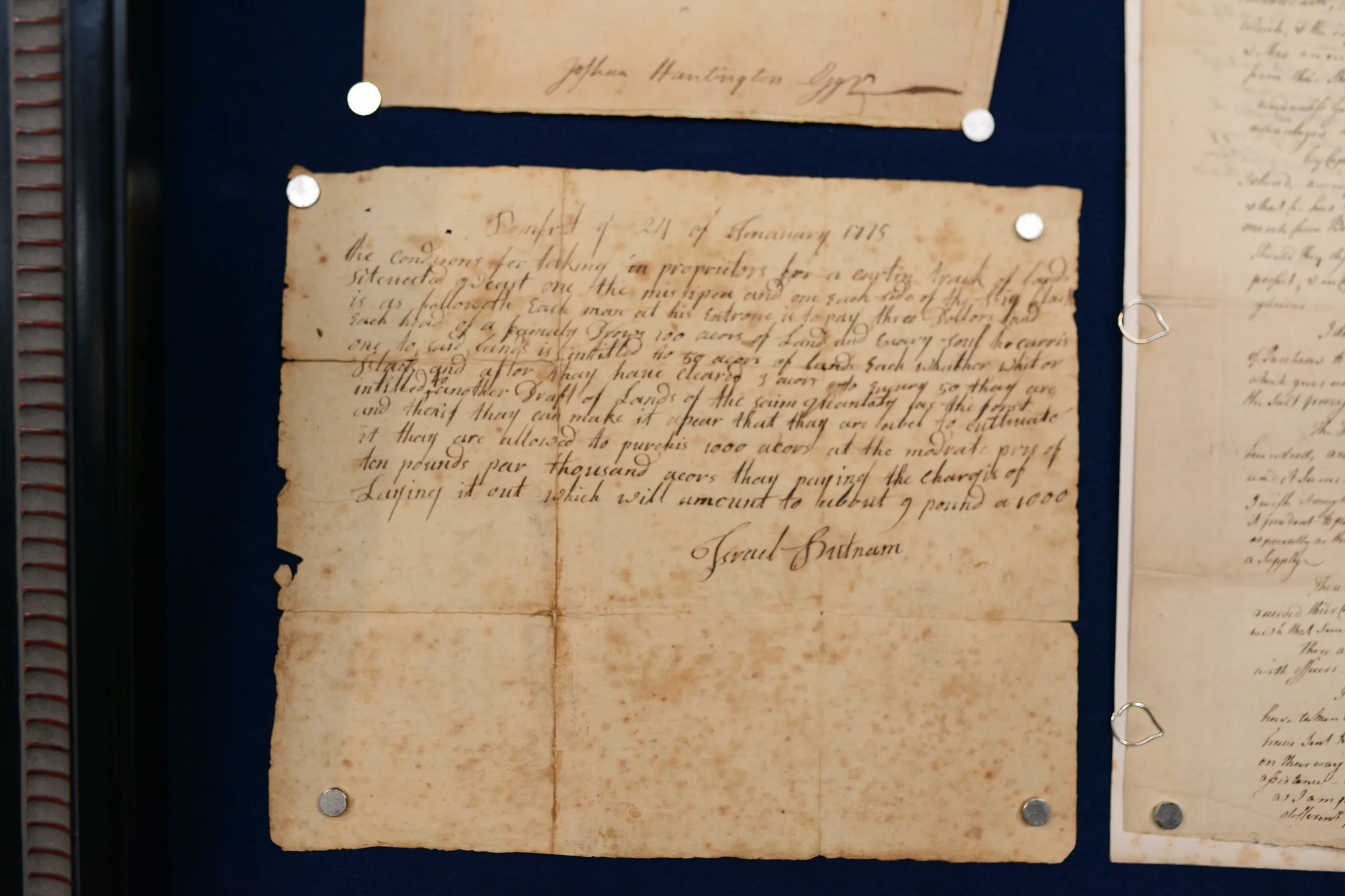
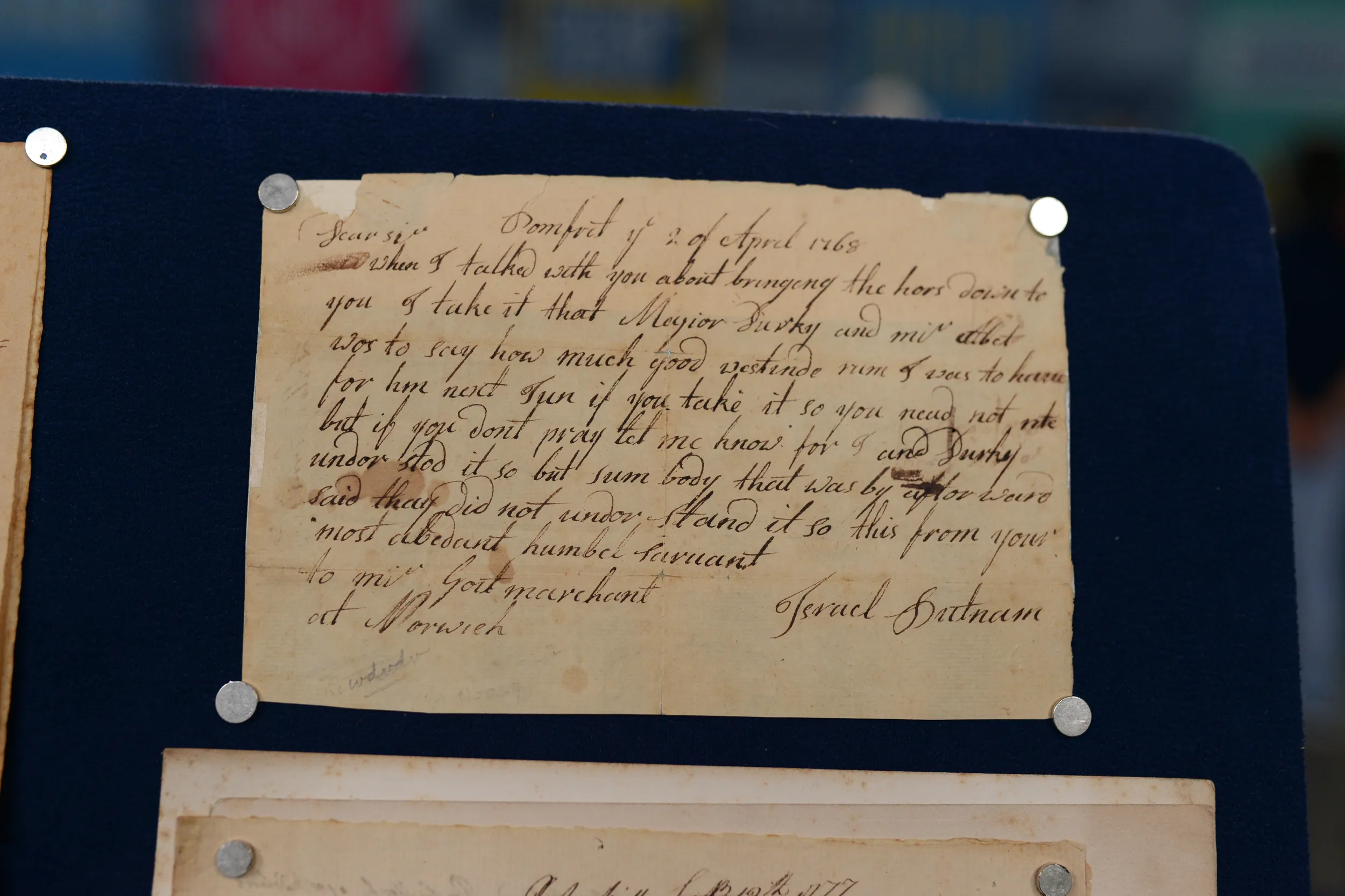
APPRAISER: Okay. You've got a collection of material relating to Israel Putnam. He is a famous Revolutionary War general. He was an important figure at the Battle of Bunker Hill. He is credited with having said, "Don't fire until you see the whites of their eyes." He may or may not have said that, but he is generally credited. And you've got a collection of material, of letters, some of which predate the Revolutionary War, but some of which are actually written during the Revolutionary War. If you look at this letter and this letter, those two letters are early. One is 1768, and the other is January of 1775, which is four months before Lexington and Concord, before the Revolutionary War begins. These are sort of business-y letters.
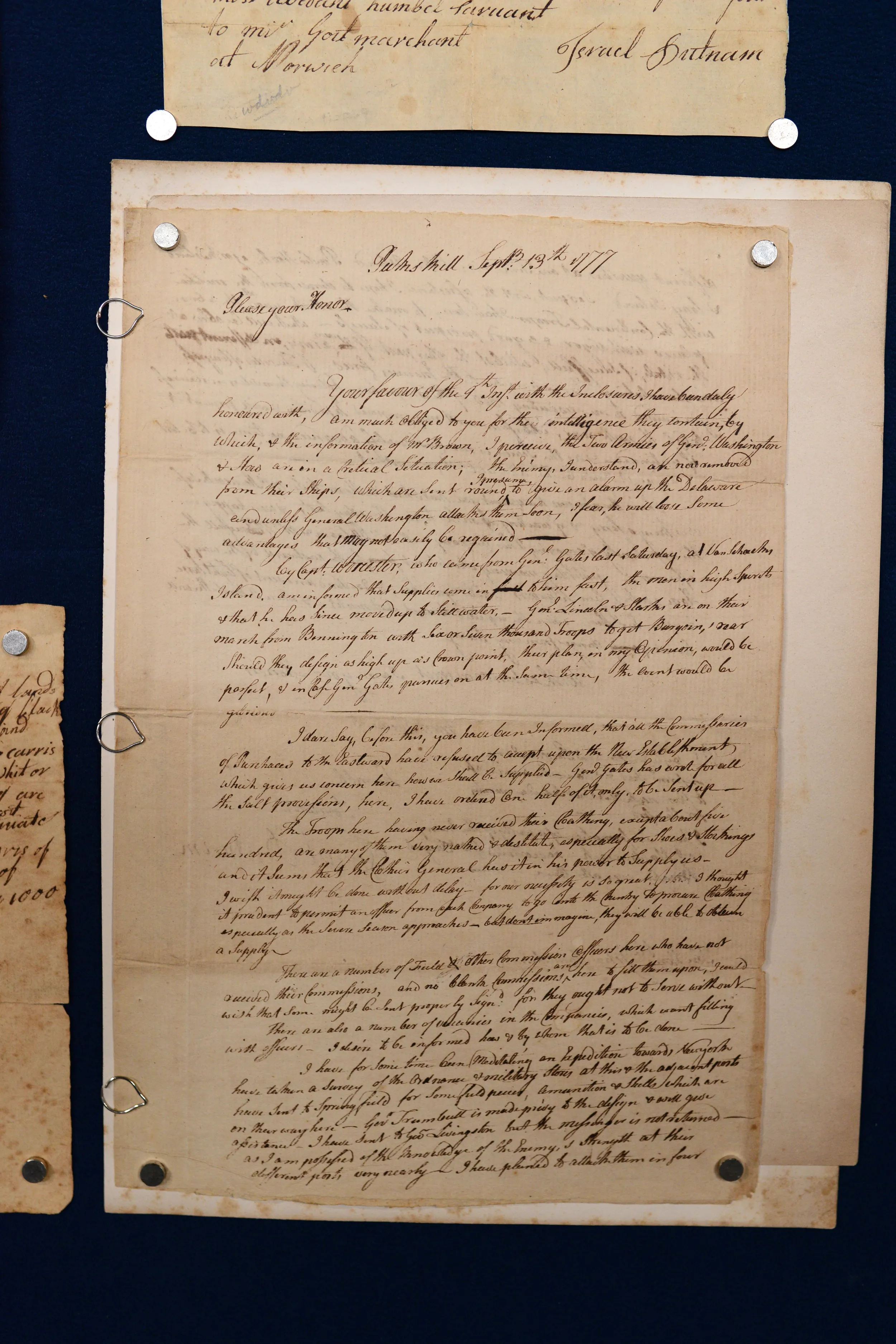
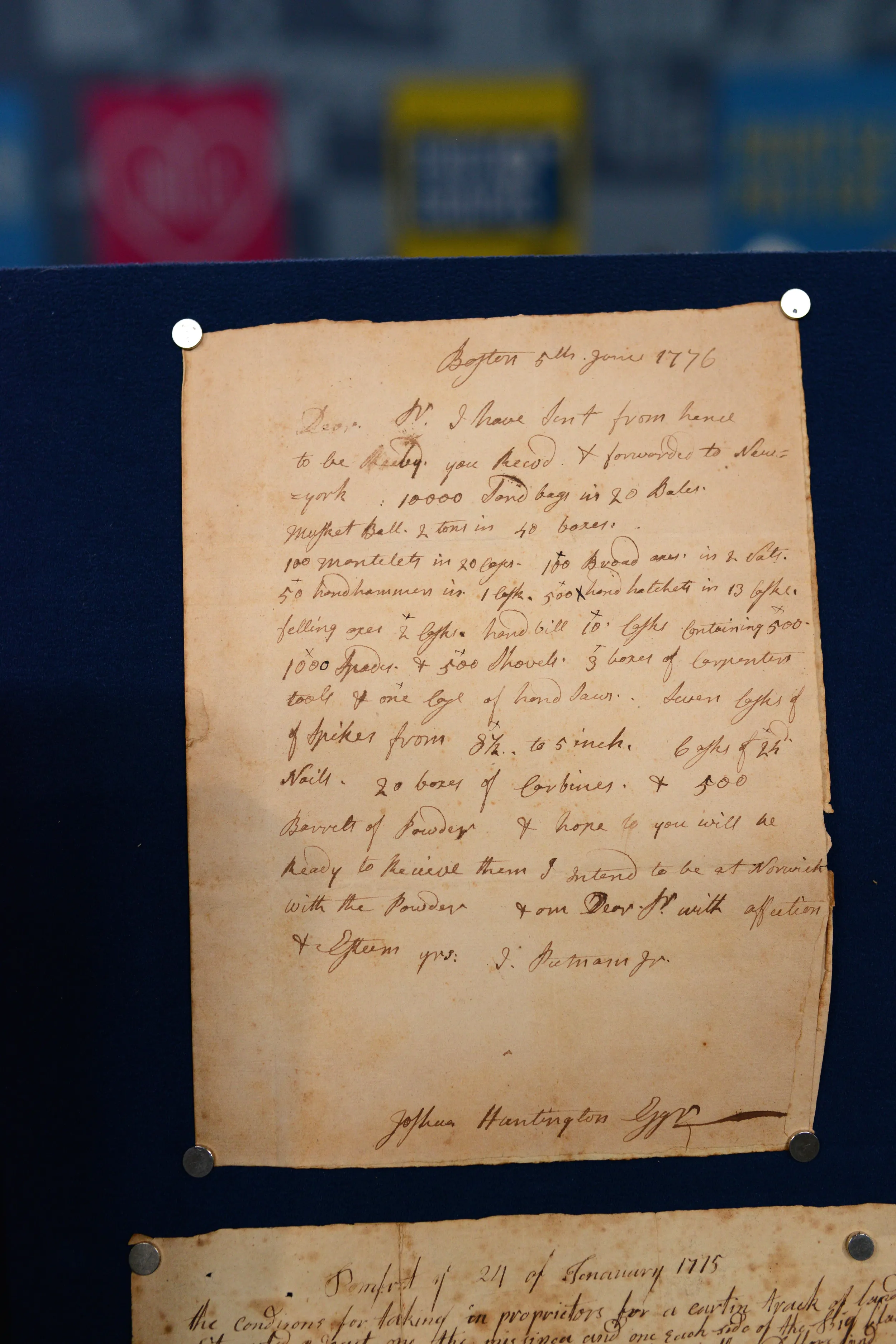
One is about buying a horse, the other is about a land transaction. But they are entirely in Israel Putnam's hand, in his rather unusual style. This letter is a letter written by him as a general, as a commanding general. It's September 13, 1777. It's written from Putnam to John Hancock, who is at that time the president of the Continental Congress, and it is a really dense, rich letter reporting on the events that are happening at that moment. At September of 1777, Putnam is in New York. He is preparing to fight Clinton at the Battle of Fort Montgomery, which the colonists lose. But so he's sending important information about the state of his troops. That's actually in the hand of a secretary, but signed by Putnam on the second page. This letter, it's a great war date, 1776, letter, and it talks about transmitting carbines, and muskets, and powder. I mean, it's clearly Revolutionary War based. But if you look very closely, this one says, "I. Putnam, Jr." This is actually the son.
GUEST: Oh.
APPRAISER: The other piece you've brought in is a mezzotint portrait. The text here is in French, which is not uncommon, but was actually published in London. And this is a contemporary portrait of Putnam. Revolutionary War material is very, very hot right now. It is one of these critical war periods that is always collectible, and interest continues. I would put the value of the pre-war letters each at $2,000 to $3,000 apiece.
GUEST: Okay.
APPRAISER: The one from the son is... because he's a lesser figure, will be in the $800 to $1,200 range. The Putnam portrait is $1,000 to $1,500. But this letter, this war date letter with the rich information about these important battles, communications from Putnam to be passed on to George Washington, that letter I would value at $12,000 to $18,000.
GUEST: No way-- wow, crazy.
APPRAISER: Yeah.
$17,000 - $26,000 Auction
- 1
- sand bags in 20 Bales.</li> >M
- t Ball. 2 tons in 40 boxes.</li> 1
- antelets in 20 casks. </li> 1
- road axes in 2 vats.</li> 5
- ndhammers in 1 Cask. 500 hand hatchets in 13 Casks. </li> f
- ng axes 2 Casks. Hand bill 10 casks containing 500-1000 Spades & 500 Shovels.</li> 3
- es of Carpenters tools & one cask of hand saws. Seven casks of spikes from 2 ½ to 5 inch. Casks of 2 ½ Nails. 20 boxes of Carbines & 500 barrels of powder & hope you will be ready to receive them I intend to be at Norwich with the powder & I am</li> > Dear
Photos
Featured In
episode
Tucson, Hour 2 (2016)
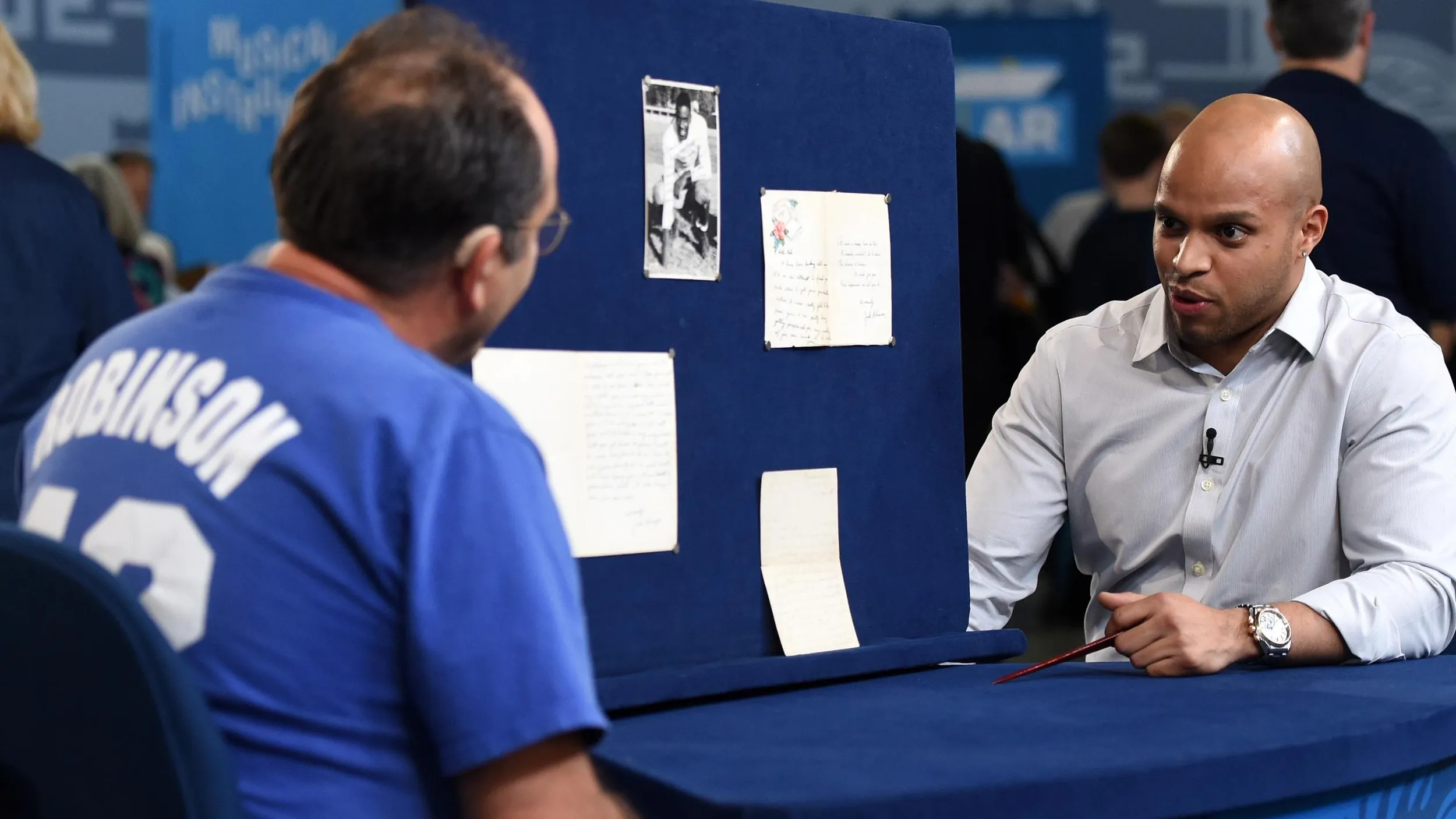
A Jackie Robinson archive, a GMT Master Rolex, and diamond and onyx jewelry.
Fine Art
appraisal
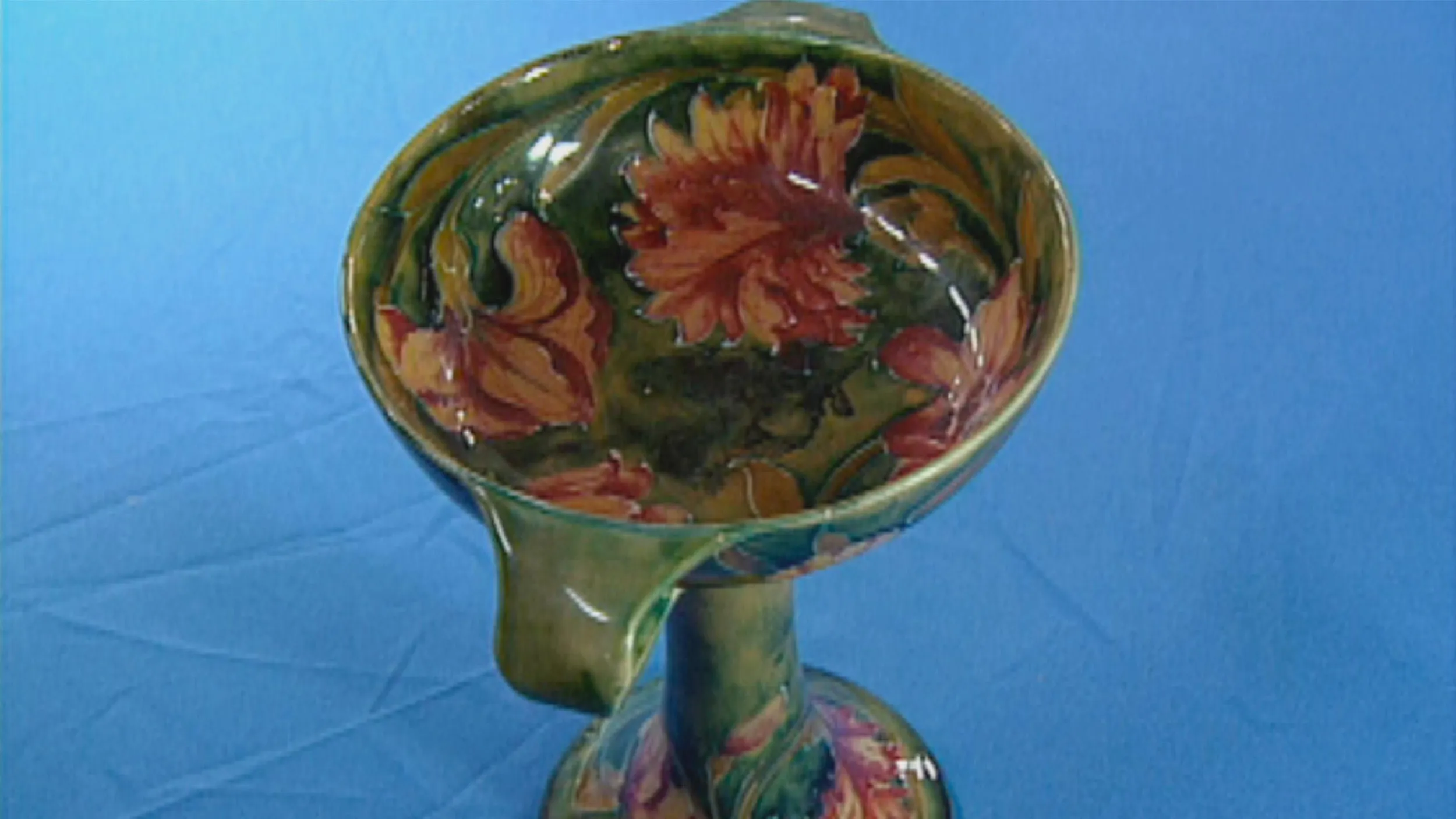
William Moorcroft Pottery, ca. 1910
appraisal
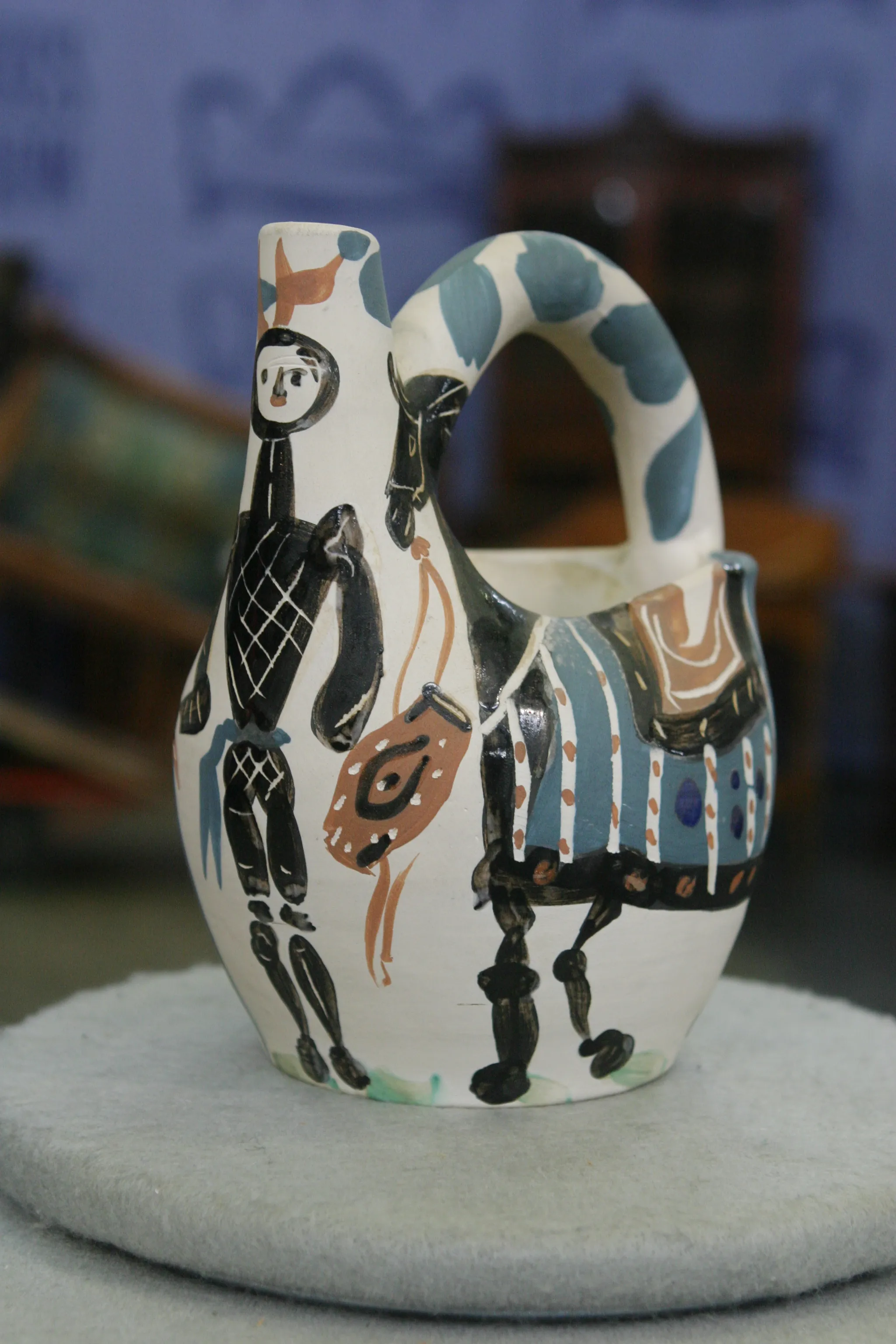
1952 Picasso Madoura Ceramic Jug

appraisal
Edgar Alwin Payne Painting, ca. 1925
appraisal
American School Portrait, ca. 1820
Understanding Our Appraisals
Executive producer Marsha Bemko shares her tips for getting the most out of ANTIQUES ROADSHOW.
Value can change: The value of an item is dependent upon many things, including the condition of the object itself, trends in the market for that kind of object, and the location where the item will be sold. These are just some of the reasons why the answer to the question "What's it worth?" is so often "It depends."
Note the date: Take note of the date the appraisal was recorded. This information appears in the upper left corner of the page, with the label "Appraised On." Values change over time according to market forces, so the current value of the item could be higher, lower, or the same as when our expert first appraised it.
Context is key: Listen carefully. Most of our experts will give appraisal values in context. For example, you'll often hear them say what an item is worth "at auction," or "retail," or "for insurance purposes" (replacement value). Retail prices are different from wholesale prices. Often an auctioneer will talk about what she knows best: the auction market. A shop owner will usually talk about what he knows best: the retail price he'd place on the object in his shop. And though there are no hard and fast rules, an object's auction price can often be half its retail value; yet for other objects, an auction price could be higher than retail. As a rule, however, retail and insurance/replacement values are about the same.
Verbal approximations: The values given by the experts on ANTIQUES ROADSHOW are considered "verbal approximations of value." Technically, an "appraisal" is a legal document, generally for insurance purposes, written by a qualified expert and paid for by the owner of the item. An appraisal usually involves an extensive amount of research to establish authenticity, provenance, composition, method of construction, and other important attributes of a particular object.
Opinion of value: As with all appraisals, the verbal approximations of value given at ROADSHOW events are our experts' opinions formed from their knowledge of antiques and collectibles, market trends, and other factors. Although our valuations are based on research and experience, opinions can, and sometimes do, vary among experts.
Appraiser affiliations: Finally, the affiliation of the appraiser may have changed since the appraisal was recorded. To see current contact information for an appraiser in the ROADSHOW Archive, click on the link below the appraiser's picture. Our Appraiser Index also contains a complete list of active ROADSHOW appraisers and their contact details and biographies.


