Hopi Kilt & Katsinas
GUEST: A friend who knows a lot about weaving and Native American art told me that this is probably a Hopi man's ceremonial kilt, and perhaps late 1800s. My father-in-law bequeathed these to me in 1998. There is a, a manuscript that, uh, includes my, my mother-in-law about a trip to Mexico. It was 1937 or 1939, somewhere around then.
APPRAISER: Well, that's very helpful. That would suggest these were circa 1930s.
GUEST: Okay.
APPRAISER: They are Hopi, they're from Arizona. And the man's kilt, it's late 19th century. The foundation is hand-spun cotton. The embroidery is wool, and this would have been wool raised by the Hopi. The red is an aniline color, that's a commercial dye...
GUEST: Mm.
APPRAISER: ...that would have been acquired in trade. At the top is a natural brown wool. The light blue-green is indigo, and then the, the black is sort of an enhanced brown. And the kilt was worn ceremonially, and it was worn by men doing-- I'm going to change the terminology from kachina to Katsina...
GUEST: Oh.
APPRAISER: ...and that's more preferred today.
GUEST: Okay. Mm-hmm.
APPRAISER: Although kachina is what you see in the literature.
GUEST: Okay.
APPRAISER: So these two figures are Katsina dolls.
GUEST: Okay.
APPRAISER: These were carved by the men...
GUEST: Ooh.
APPRAISER: ...and they're educational devices for children.
GUEST: Okay.
APPRAISER: There are three levels of Katsina figures. There are spiritual deities, if you will...
GUEST: Mm-hmm.
APPRAISER: ...in the upper world, who can influence life on earth. There are men who impersonate these deities...
GUEST: Mm-hmm.
APPRAISER: ...and they dress in outfits that reflect these Katsinas, and they would be wearing this. And then there's a third level of Katsina, and that are the dolls that are carved for children as learning tools. Children would be very familiar with the different Katsinas...
GUEST: Mm-hmm.
APPRAISER: ...and they would learn about their culture and their religion. These are carved from cottonwood root, which is a very important substance for two reasons.
GUEST: Mm-hmm.
APPRAISER: One, it's easy to carve. But from a spiritual perspective, these cottonwood trees absorb a tremendous amount of moisture from the earth. They're conduits for water.
GUEST: Mm-hmm.
APPRAISER: In Arizona and New Mexico, water is everything.
GUEST: Hm.
APPRAISER: On the kilt, these vertical lines represent rain.
GUEST: Oh.
APPRAISER: These step devices represent clouds. This Katsina is called a snake Katsina, and he has a snake on his kilt. And this is called a Tasap Katsina. And you'll notice that the paint on the kilt is identical to the embroidery…
GUEST: Mm-hmm, mm-hmm.
APPRAISER: ...on this actual kilt. And they're in wonderful condition. Probably reflects people handling them.
GUEST: Mm-hmm.
APPRAISER: This Hopi dance kilt shows use-wear, not any intrusive soiling or damage.
GUEST: Mm-hmm, mm-hmm.
APPRAISER: So, frankly, to me, it's-- it's beautiful, because it has that patina of use.
GUEST: Mm-hmm. Mm.
APPRAISER: Do you have a feeling for value?
GUEST: I don't, I don't.
APPRAISER: Well, these are very desirable.
GUEST: Mm-hmm.
APPRAISER: The kilt, I think on a retail basis, would be worth about $2,000.
GUEST: Okay, mm-hmm.
APPRAISER: On a retail basis, each of these, I would value at about $2,500 a piece.
GUEST: Wow, okay. Yeah. That's really nice.
APPRAISER: I don't think there'd be any issue whatsoever with ownership.
GUEST: Okay, mm-hmm.
APPRAISER: I don't think you have any concern, for example, about a sacred and ceremonial garment. They were made in quantity.
GUEST: Okay.
APPRAISER: You are fortunate to happen to have a rather early one.

$7,000 Retail
Featured In

episode
Denver Botanic Gardens Chatfield Farms, Hour 1
Discover delightful ROADSHOW treasures at Denver Botanic Gardens Chatfield Farms!
Clothing & Accessories
appraisal
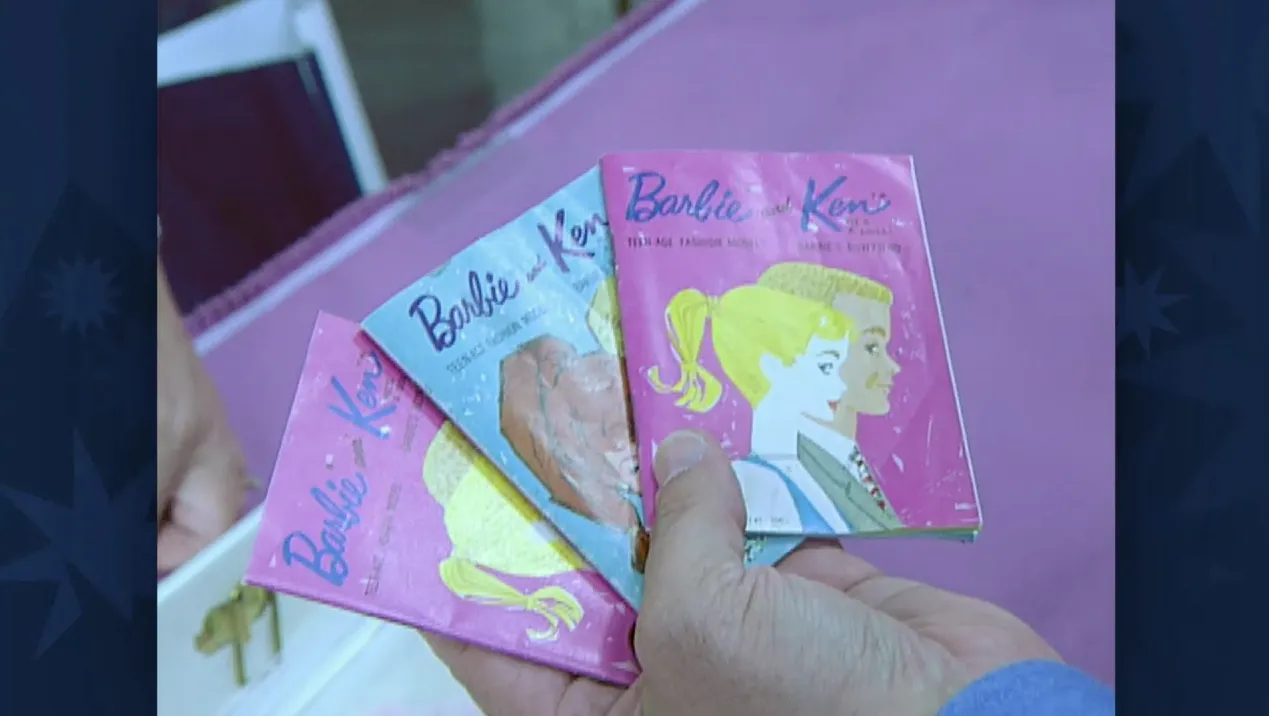
Barbie Accessories & Case, ca. 1960

appraisal
Vermont Militia Coat, ca. 1815
appraisal
appraisal
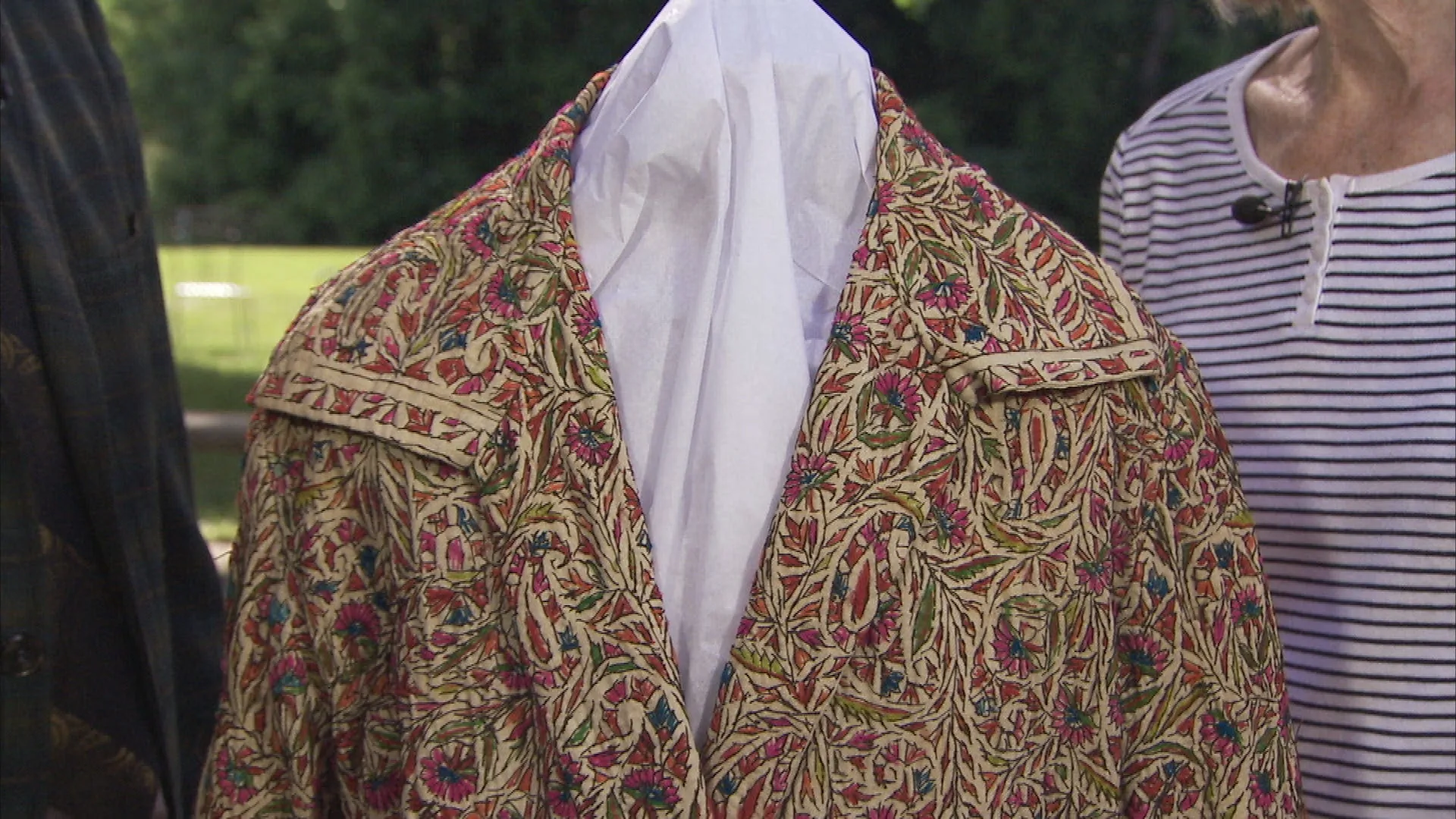
Egyptian Needlework Jacket, ca. 1925
Understanding Our Appraisals
Executive producer Marsha Bemko shares her tips for getting the most out of ANTIQUES ROADSHOW.
Value can change: The value of an item is dependent upon many things, including the condition of the object itself, trends in the market for that kind of object, and the location where the item will be sold. These are just some of the reasons why the answer to the question "What's it worth?" is so often "It depends."
Note the date: Take note of the date the appraisal was recorded. This information appears in the upper left corner of the page, with the label "Appraised On." Values change over time according to market forces, so the current value of the item could be higher, lower, or the same as when our expert first appraised it.
Context is key: Listen carefully. Most of our experts will give appraisal values in context. For example, you'll often hear them say what an item is worth "at auction," or "retail," or "for insurance purposes" (replacement value). Retail prices are different from wholesale prices. Often an auctioneer will talk about what she knows best: the auction market. A shop owner will usually talk about what he knows best: the retail price he'd place on the object in his shop. And though there are no hard and fast rules, an object's auction price can often be half its retail value; yet for other objects, an auction price could be higher than retail. As a rule, however, retail and insurance/replacement values are about the same.
Verbal approximations: The values given by the experts on ANTIQUES ROADSHOW are considered "verbal approximations of value." Technically, an "appraisal" is a legal document, generally for insurance purposes, written by a qualified expert and paid for by the owner of the item. An appraisal usually involves an extensive amount of research to establish authenticity, provenance, composition, method of construction, and other important attributes of a particular object.
Opinion of value: As with all appraisals, the verbal approximations of value given at ROADSHOW events are our experts' opinions formed from their knowledge of antiques and collectibles, market trends, and other factors. Although our valuations are based on research and experience, opinions can, and sometimes do, vary among experts.
Appraiser affiliations: Finally, the affiliation of the appraiser may have changed since the appraisal was recorded. To see current contact information for an appraiser in the ROADSHOW Archive, click on the link below the appraiser's picture. Our Appraiser Index also contains a complete list of active ROADSHOW appraisers and their contact details and biographies.


