Harry S. Truman Archive, ca. 1955
GUEST: These were letters that my father received. He was the general chairman of the Truman Library auction that was held in the early '50s, and the correspondence that my father received from Truman. A picture of my mother and father, Harry Truman and Bess.
APPRAISER: With a shovel?
GUEST: A shovel, when he was presented with a gold-plated shovel for the ground-breaking ceremony. And this is a picture of the dignitaries at the ground-breaking ceremony. It was taken at the Slover Park shelter house, which is on the grounds of the Truman Library.
APPRAISER: That looks like a family snapshot. That doesn't look like something that would be recorded really anywhere else.
GUEST: I doubt it.
APPRAISER: The Truman Library opened after the Presidential Libraries Act of 1955 was passed. How did your father get involved with that?
GUEST: Well, they had a civic project. 16 different organizations went together, and my father was a general chairman of the auction event.
APPRAISER: And the letters are very heartfelt and appreciative of all his work and services because to build this library, they got donations from, I think, 17,000 different private individuals and groups and institutions that donated to put together a presidential library. And the reason for the library is to keep his papers for research and scholarship down the road. Independence is where he's known to be from, Truman. How far away is Independence?
GUEST: It's about ten miles to the east of Kansas City.
APPRAISER: Did you grow up in Independence?
GUEST: I grew up in the Truman neighborhood. As a young child, I saw Truman with the Secret Service.
APPRAISER: One thing here which was very amusing, these are wonderful letters and we know that they're to your dad, they're personal, which is great. This one is very touching, though. This one is from you, right?
GUEST: I was going to the National Boy Scout Jamboree, and we were told to bring things to trade. In my childhood innocence, I thought a Truman autograph would be the best thing around. And I had some other postcards signed, I took them to the Jamboree, and none of the Boy Scouts were interested in Truman's autograph, so I ended up bringing them home.
APPRAISER: So that's why you have it-- you couldn't swap it. And it's funny because you were asking him to buy... you were offering to buy his signature, and he writes back, "Here is your autograph. Make a good trade." And you didn't make a good trade.
GUEST: I sure didn't.
APPRAISER: I'm glad you didn't because now it's here as part of this archive. It's a great record, you've got the great letters, and then this is his memoirs inscribed to your father, which is very nice as well. So altogether, I would say insurance value, you'd be looking at about $8,000.
GUEST: Oh, my gosh.
APPRAISER: Yeah, about $8,000. The letters, because of their connection, it was a thank you for something to do with his life and the posterity of his presidency, so that's critical.
GUEST: It's amazing.

$8,000 Insurance
Featured In
episode
Kansas City, Hour 3 (2014)
Host Mark L. Walberg and appraiser Daile Kaplan discuss the photography of Dorothea Lange.
Topics
topic
Presidential Collectibles
Explore ANTIQUES ROADSHOW's large collection of presidential memorabilia.
20th Century
appraisal
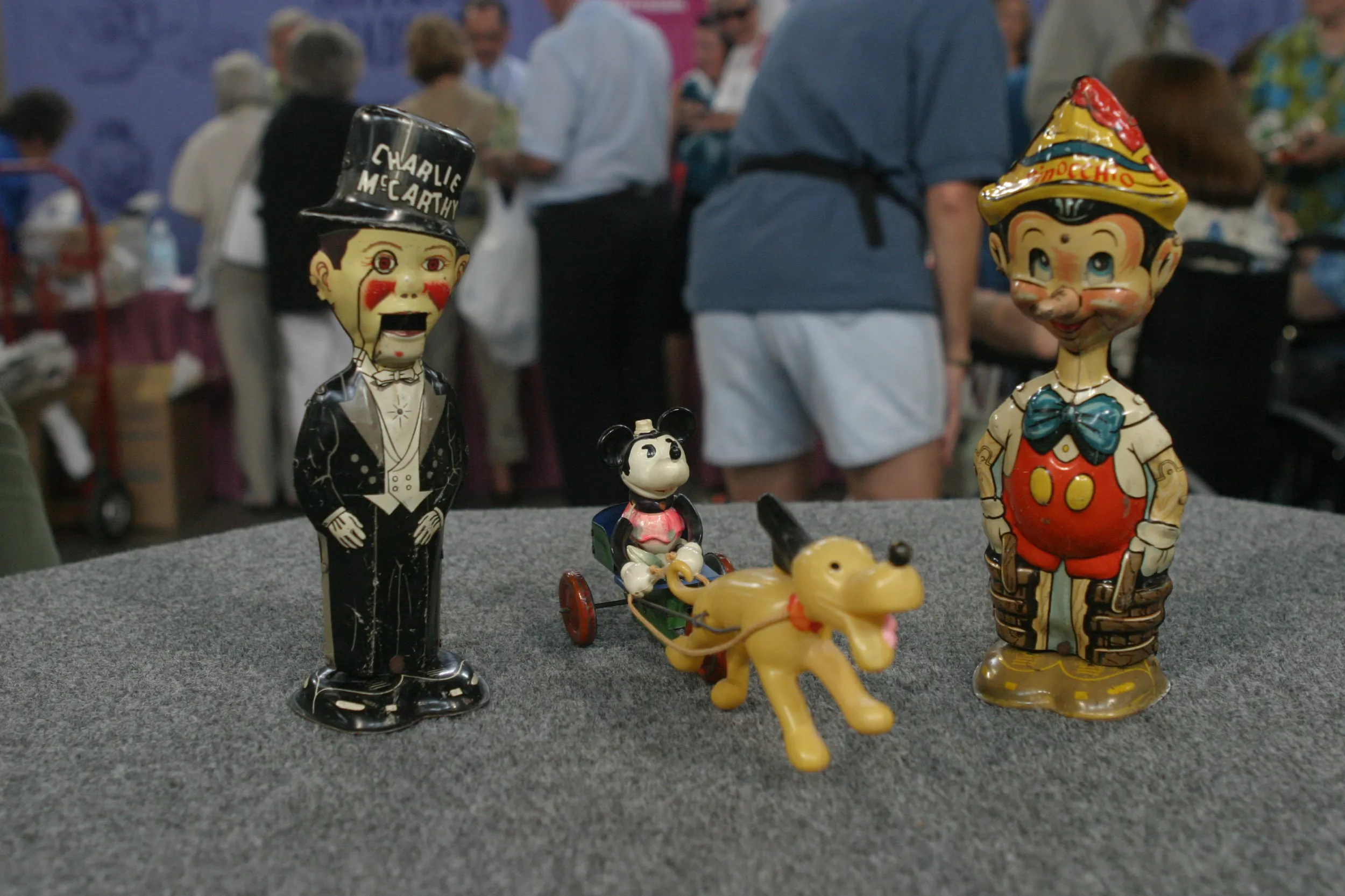
Comic Wind-up Toys, ca. 1930
appraisal
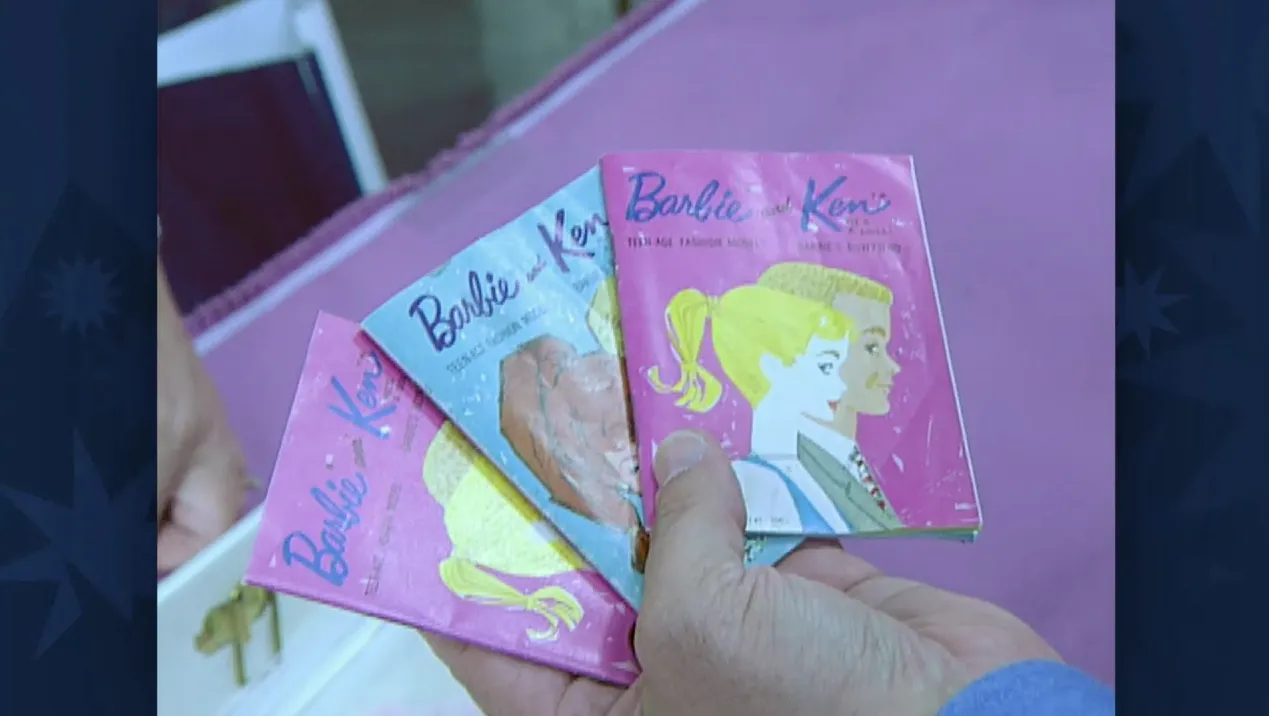
Barbie Accessories & Case, ca. 1960
appraisal
William Moorcroft Pottery, ca. 1910
appraisal
Understanding Our Appraisals
Executive producer Marsha Bemko shares her tips for getting the most out of ANTIQUES ROADSHOW.
Value can change: The value of an item is dependent upon many things, including the condition of the object itself, trends in the market for that kind of object, and the location where the item will be sold. These are just some of the reasons why the answer to the question "What's it worth?" is so often "It depends."
Note the date: Take note of the date the appraisal was recorded. This information appears in the upper left corner of the page, with the label "Appraised On." Values change over time according to market forces, so the current value of the item could be higher, lower, or the same as when our expert first appraised it.
Context is key: Listen carefully. Most of our experts will give appraisal values in context. For example, you'll often hear them say what an item is worth "at auction," or "retail," or "for insurance purposes" (replacement value). Retail prices are different from wholesale prices. Often an auctioneer will talk about what she knows best: the auction market. A shop owner will usually talk about what he knows best: the retail price he'd place on the object in his shop. And though there are no hard and fast rules, an object's auction price can often be half its retail value; yet for other objects, an auction price could be higher than retail. As a rule, however, retail and insurance/replacement values are about the same.
Verbal approximations: The values given by the experts on ANTIQUES ROADSHOW are considered "verbal approximations of value." Technically, an "appraisal" is a legal document, generally for insurance purposes, written by a qualified expert and paid for by the owner of the item. An appraisal usually involves an extensive amount of research to establish authenticity, provenance, composition, method of construction, and other important attributes of a particular object.
Opinion of value: As with all appraisals, the verbal approximations of value given at ROADSHOW events are our experts' opinions formed from their knowledge of antiques and collectibles, market trends, and other factors. Although our valuations are based on research and experience, opinions can, and sometimes do, vary among experts.
Appraiser affiliations: Finally, the affiliation of the appraiser may have changed since the appraisal was recorded. To see current contact information for an appraiser in the ROADSHOW Archive, click on the link below the appraiser's picture. Our Appraiser Index also contains a complete list of active ROADSHOW appraisers and their contact details and biographies.


