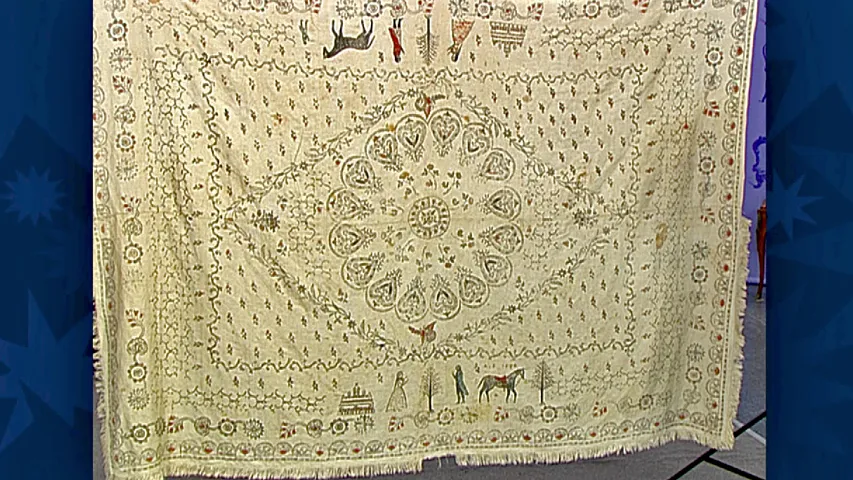
Greek Islands Ottoman Embroidery, ca. 1800
GUEST: I got it from my grandmother's, um, closet when she died.
APPRAISER: Mm-hmm.
GUEST: It would have been 50 years ago this year. Never had seen it before.
I just think it's really pretty.
APPRAISER: Mm-hmm.
GUEST: Right now, I have it hanging above my bed because I like it. (chuckling):
And it can't be stuck in a closet for another 50 years, so...
APPRAISER: That's fantastic. That-that brings joy to my heart to hear you say...
GUEST: (chuckles)
APPRAISER: ...it can't be stuck in a closet, because it's absolutely something that should be out and be seen. Believe it or not, it's from the Greek islands.
GUEST: Whoa, I would not have thought that.
APPRAISER: Uh, late 18th, early 19th century. But in spirit and feeling, it feels very Ottoman Turkish. But the connection between the Greek islands and Ottoman... the Ottoman Empire in Turkey is that the Ottoman Empire controlled Greece and the Greek islands, um, up until Greek independence, about 1821. But it's just exquisitely done. This is all silk embroidery...
GUEST: Oh, okay.
APPRAISER: ...with some metal thread. The-the silvery bronze looking threads here are actually metal thread.
GUEST: Okay.
APPRAISER: Uh, and it's all done on a linen ground and just exquisitely done and really in pristine condition.
GUEST: It just seems such fine embroidery.
APPRAISER: Mm-hmm.
GUEST: You know, I really, when I've looked at it, it's like... ...I can't even imagine, I've-I've tried embroidery. (chuckles) I can't even imagine!
APPRAISER: Right. This is coming from a culture, both the Ottoman culture and then the Greek island culture, as a, as a result was very, very textile driven. This is something that young girls were learned to do as part of their education; it's similar to American samplers in that they start doing this. This piece, because it's so exquisitely done, it's so well-balanced. It's really complete composition. I would guess that it was done in a professional workshop as opposed to a domestic embroidery. And it's not a bedspread.
GUEST: Okay, it's a tablecloth.
APPRAISER: Oh, not a tablecloth.
GUEST: Okay?
APPRAISER: It was really made, when you have textile-rich cultures like this, they make textiles for the sake of textiles.
GUEST: Oh.
APPRAISER: It shows their wealth. It was probably made and purchased for a girl's dowry. It would have maybe served some function in, say, as a covering for a ceremonial dinner or something like that. But it was really, it exists just because it's a beautiful object and they wanted to make and create and own beautiful objects.
GUEST: It's definitely that. (chuckles)
APPRAISER: Yeah. Any sense of value? I mean, obviously, you didn't pay--
GUEST: No, I mean, obviously, they let me have it when I was 16.
APPRAISER: Mm-hmm. Oh, 16?
GUEST: (chuckling): So, yeah.
APPRAISER: So you were attracted to this when you were 16?
GUEST: 16, yeah. That's...
APPRAISER: That's phenomenal. I think in today's market, a retail value for this piece is in the $7,000 to $8,000 range, um...
GUEST: Wow. (chuckles) Wow.
APPRAISER: And an auction value, conservative auction value, would be in the $3,000 to $5,000 range.
GUEST: Wow. I, I never expected that, that's for sure.
APPRAISER: Mm.
GUEST: I mean, I wanted to take good care of it.
APPRAISER: Mm-hmm.
GUEST: And... and, um, and... and I want it to be out, but I didn't expect that it would be that much, so.
APPRAISER: Yeah.
GUEST: Well, thank you, that's...
APPRAISER: Yeah.
GUEST: Uh, yeah, Ottoman, wow. Greek.
APPRAISER: Yeah.

$3,000 Auction
$8,000 Retail
Featured In

episode
Living History Farms, Hour 2
Watch remarkable finds from ROADSHOW’s stop in Iowa including a $70,000 to $90,000 item!
Linen
appraisal
1796 American Homespun Coverlet
appraisal
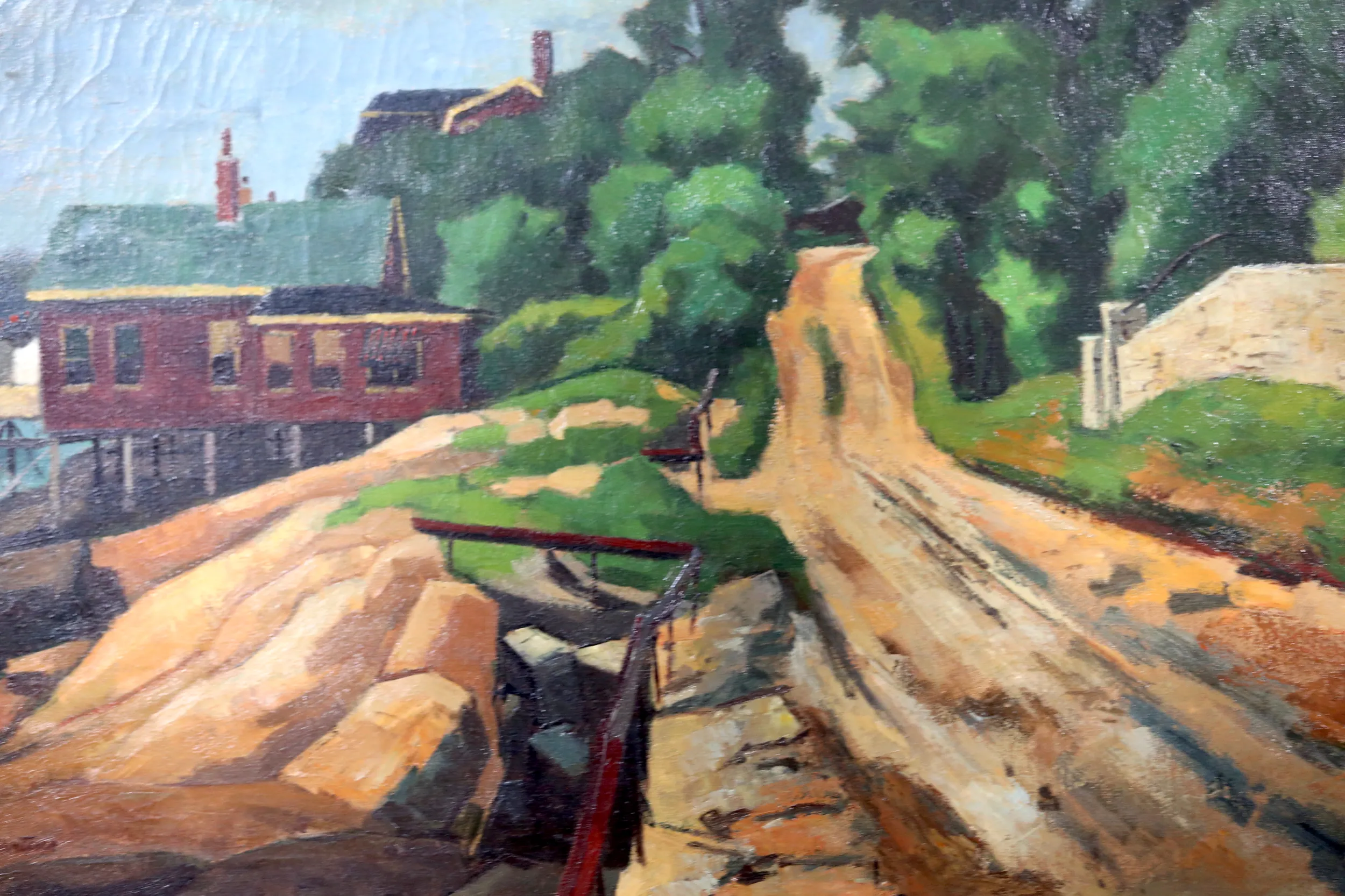
Antonio Martino Oil Painting, ca. 1955
appraisal
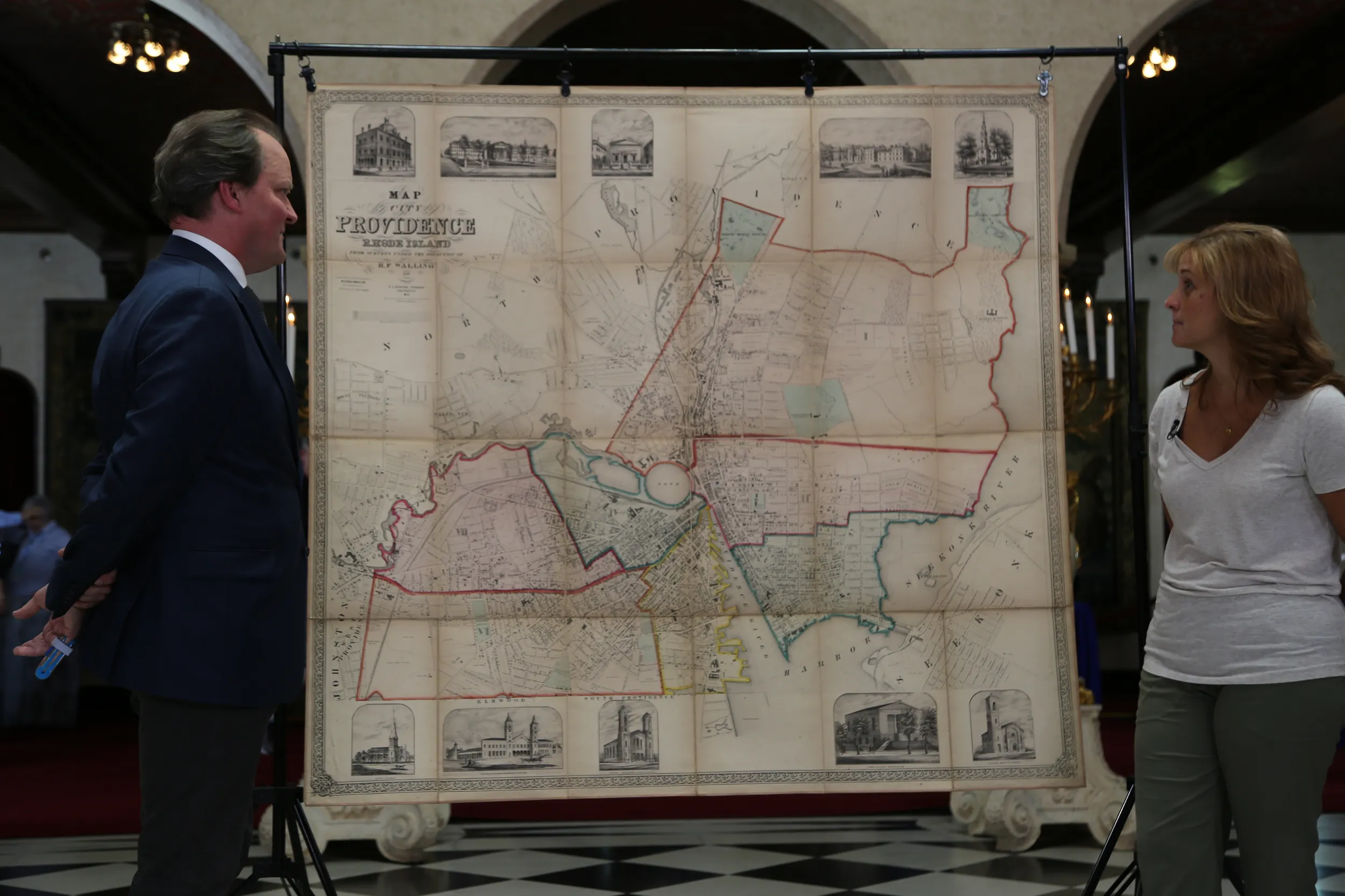
1857 Henry Francis Walling Providence Map
appraisal
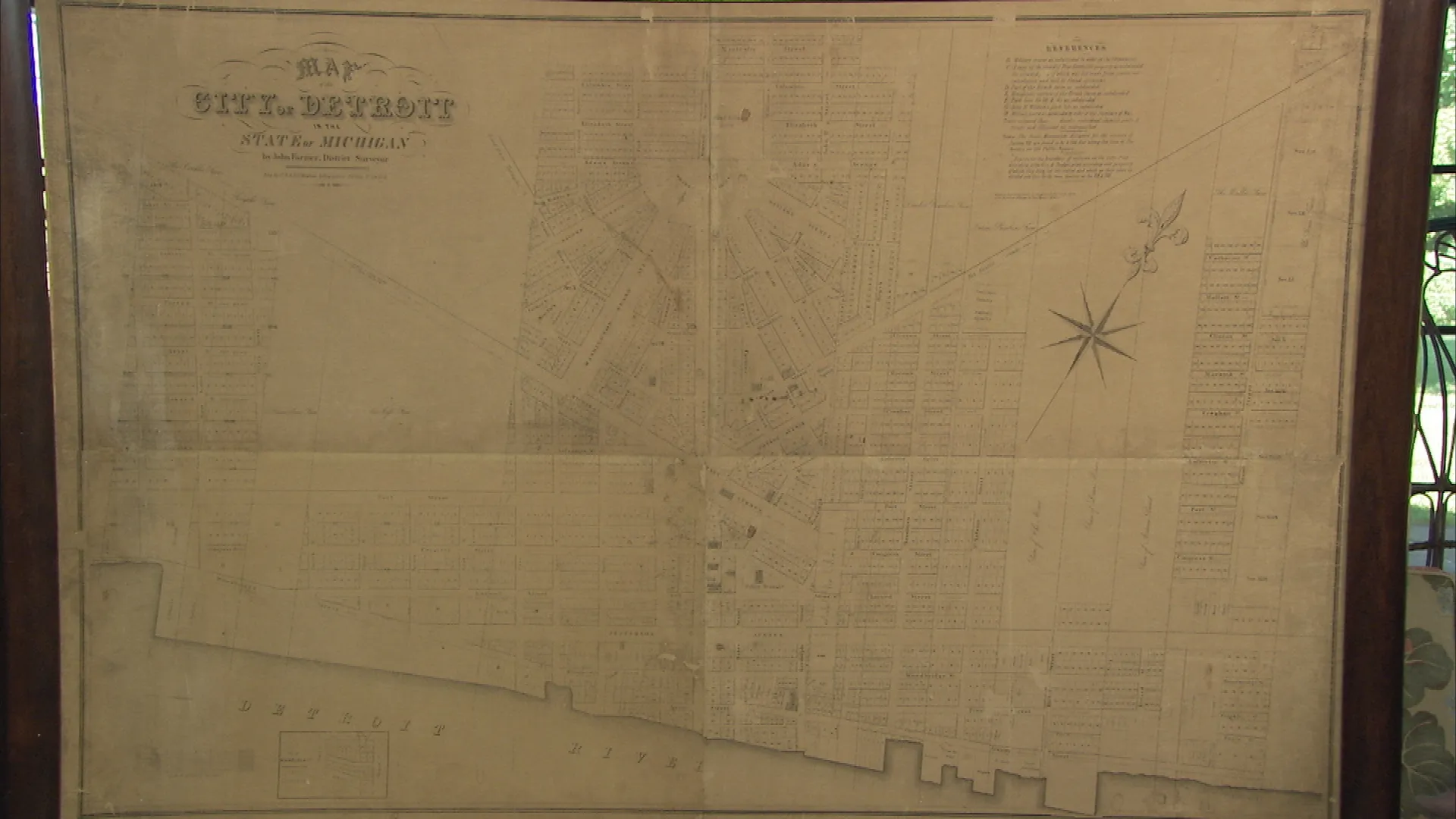
1835 John Farmer "City of Detroit" Map
Understanding Our Appraisals
Executive producer Marsha Bemko shares her tips for getting the most out of ANTIQUES ROADSHOW.
Value can change: The value of an item is dependent upon many things, including the condition of the object itself, trends in the market for that kind of object, and the location where the item will be sold. These are just some of the reasons why the answer to the question "What's it worth?" is so often "It depends."
Note the date: Take note of the date the appraisal was recorded. This information appears in the upper left corner of the page, with the label "Appraised On." Values change over time according to market forces, so the current value of the item could be higher, lower, or the same as when our expert first appraised it.
Context is key: Listen carefully. Most of our experts will give appraisal values in context. For example, you'll often hear them say what an item is worth "at auction," or "retail," or "for insurance purposes" (replacement value). Retail prices are different from wholesale prices. Often an auctioneer will talk about what she knows best: the auction market. A shop owner will usually talk about what he knows best: the retail price he'd place on the object in his shop. And though there are no hard and fast rules, an object's auction price can often be half its retail value; yet for other objects, an auction price could be higher than retail. As a rule, however, retail and insurance/replacement values are about the same.
Verbal approximations: The values given by the experts on ANTIQUES ROADSHOW are considered "verbal approximations of value." Technically, an "appraisal" is a legal document, generally for insurance purposes, written by a qualified expert and paid for by the owner of the item. An appraisal usually involves an extensive amount of research to establish authenticity, provenance, composition, method of construction, and other important attributes of a particular object.
Opinion of value: As with all appraisals, the verbal approximations of value given at ROADSHOW events are our experts' opinions formed from their knowledge of antiques and collectibles, market trends, and other factors. Although our valuations are based on research and experience, opinions can, and sometimes do, vary among experts.
Appraiser affiliations: Finally, the affiliation of the appraiser may have changed since the appraisal was recorded. To see current contact information for an appraiser in the ROADSHOW Archive, click on the link below the appraiser's picture. Our Appraiser Index also contains a complete list of active ROADSHOW appraisers and their contact details and biographies.


