Goodyear Tires Double-sided Porcelain Sign, ca. 1935
GUEST: This is a Goodyear Tire sign that I found in 1981 in Highland Park, Illinois, in somebody's garbage.
APPRAISER: (chuckling): What?
GUEST: And so, it was a cold winter day, we were on our way to church, and I saw this and I... I made a U-turn. I said, "We got to get that sign now, before anybody else does."
APPRAISER: That's crazy!
GUEST: So, we had a Chevette, and it barely fit inside the Chevette, and it's been in every garage that we've had since then.
APPRAISER: That is the definition of a one man's trash is another man's treasure.
GUEST: Yeah, yeah.
APPRAISER: It is clear as day. This is a Goodyear Tires sign, formerly known as the Goodyear Tire and Rubber Company. They were founded in 1898 in Akron, Ohio.
GUEST: Mm-hmm.
APPRAISER: And before they became the powerhouse of road tires that we know today, they started out with bicycle and carriage tires. The sign is enameled iron, and it is double-sided.
GUEST: Uh-huh.
APPRAISER: On the side of the back, identical image. Trade term with the initials DSP, simply means double-sided porcelain sign. It was really utilized in the 1880s, and they phased out enameled on iron signs once again to the late '40s into the '50s, because with World War II metal shortages, it really wasn't an economical way to produce advertising.
GUEST: Yeah.
APPRAISER: The enameling process, what happens is they take powdered glass known as frit, mix it with an oxiding compound and water, creates it into a liquefied compound. Then, they put the stencil on, fill in the liquefied frit, put it in high temperature, bam, you got yourself an enameled sign. In terms of condition, we do have some wear on the edge. There is some minor oxidation, rust. But overall, the general image; great gloss, great color. It's an eight out of ten.
GUEST: Uh-huh.
APPRAISER: It's really beautiful. It's a great sign. We look at the bottom left, we see "Property, Goodyear Tire and Rubber Company." I mean, it has all the marks that let us know this is as right as it gets, right as rain. You ever have an idea of what it was worth?
GUEST: Based on watching ANTIQUES ROADSHOW and other car shows, I think $1,000.
APPRAISER: You were probably watching a little bit of an older episode, because conservatively at auction, I would say this sign would easily bring between $2,000 and $3,000.
GUEST: Wow, that's great. And the lesson is, if you see something in the trash and you want it, just take it. Don't worry about what people think. (chuckles)
APPRAISER: (laughing) I like that. That's great advice. Don't be…
GUEST: No
APPRAISER: …afraid to jump in the trash.

$2,000 - $3,000 Auction
Featured In

episode
Junk in the Trunk 14
Watch newly revealed treasures from all five stops of ROADSHOW's Season 29 Tour!
Nostalgic Collectibles
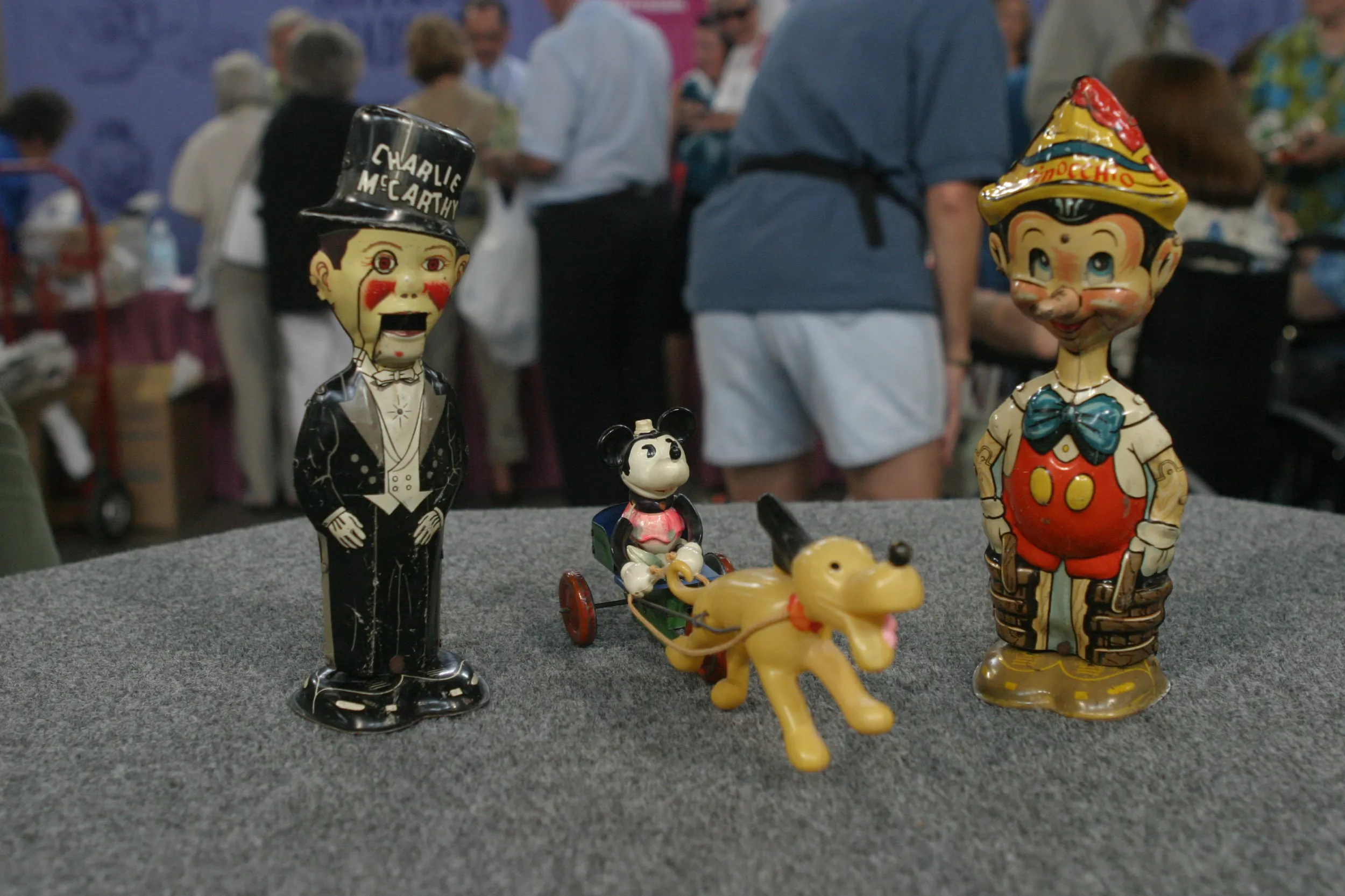
appraisal
Comic Wind-up Toys, ca. 1930
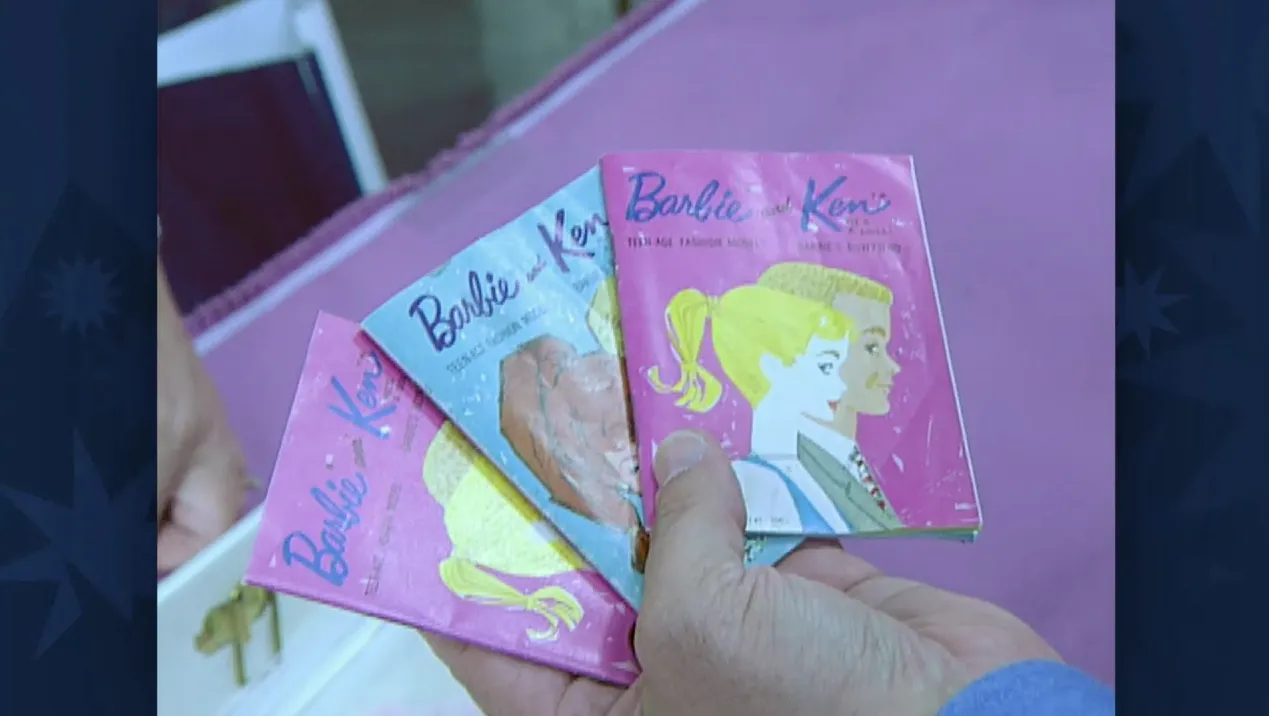
appraisal
Barbie Accessories & Case, ca. 1960
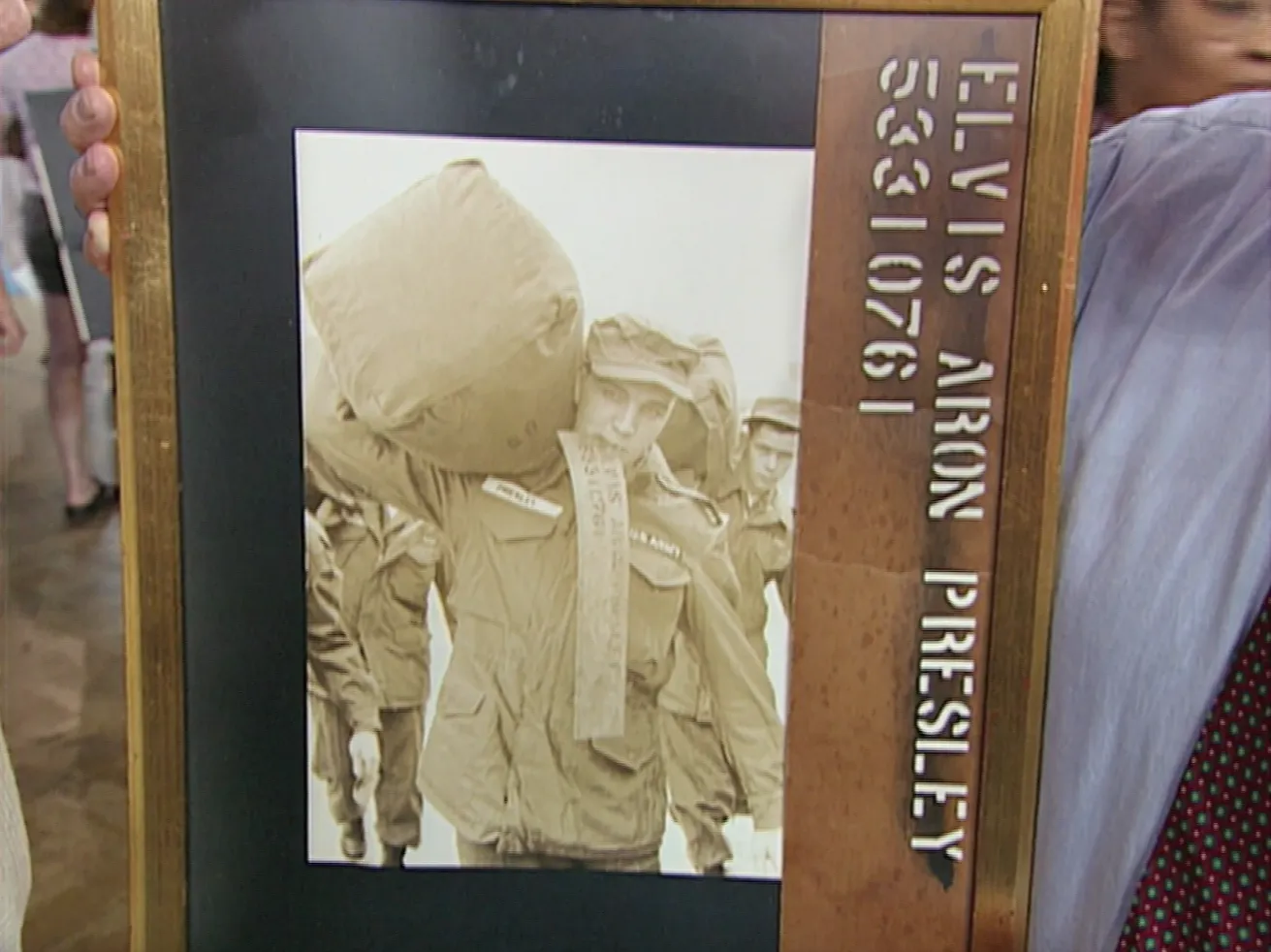
appraisal

appraisal
Frank Zappa Painting, ca. 1960
Understanding Our Appraisals
Executive producer Marsha Bemko shares her tips for getting the most out of ANTIQUES ROADSHOW.
Value can change: The value of an item is dependent upon many things, including the condition of the object itself, trends in the market for that kind of object, and the location where the item will be sold. These are just some of the reasons why the answer to the question "What's it worth?" is so often "It depends."
Note the date: Take note of the date the appraisal was recorded. This information appears in the upper left corner of the page, with the label "Appraised On." Values change over time according to market forces, so the current value of the item could be higher, lower, or the same as when our expert first appraised it.
Context is key: Listen carefully. Most of our experts will give appraisal values in context. For example, you'll often hear them say what an item is worth "at auction," or "retail," or "for insurance purposes" (replacement value). Retail prices are different from wholesale prices. Often an auctioneer will talk about what she knows best: the auction market. A shop owner will usually talk about what he knows best: the retail price he'd place on the object in his shop. And though there are no hard and fast rules, an object's auction price can often be half its retail value; yet for other objects, an auction price could be higher than retail. As a rule, however, retail and insurance/replacement values are about the same.
Verbal approximations: The values given by the experts on ANTIQUES ROADSHOW are considered "verbal approximations of value." Technically, an "appraisal" is a legal document, generally for insurance purposes, written by a qualified expert and paid for by the owner of the item. An appraisal usually involves an extensive amount of research to establish authenticity, provenance, composition, method of construction, and other important attributes of a particular object.
Opinion of value: As with all appraisals, the verbal approximations of value given at ROADSHOW events are our experts' opinions formed from their knowledge of antiques and collectibles, market trends, and other factors. Although our valuations are based on research and experience, opinions can, and sometimes do, vary among experts.
Appraiser affiliations: Finally, the affiliation of the appraiser may have changed since the appraisal was recorded. To see current contact information for an appraiser in the ROADSHOW Archive, click on the link below the appraiser's picture. Our Appraiser Index also contains a complete list of active ROADSHOW appraisers and their contact details and biographies.


