Fire Helmet & Fire Parade Hat
GUEST: My grandfather was an insurance man in Ohio.
APPRAISER: Mm-hmm.
GUEST: And he collected fire marks and other fire memorabilia. And this was part of his collection.
APPRAISER: For a very long time, most firefighters were volunteers. If you had a fire in your village, you form a bucket brigade and try to put out the fire. And firefighting has been a profession for a very long time. But it wasn't until the 1850s, 1860s, where firefighting uniforms really kind of took off. This is an all-leather helmet made by Cairns Brothers in probably late 1800s, early 1900s, all hand-stitched and really an interesting helmet. The fire helmet is what we call a New York style, and conveniently, is from Cornwall, New York. And this is what we call a Philadelphia-style fire hat. It was a very popular style, and it's called the Philadelphia style because, well, it was popular in Philadelphia, but it was also used in Baltimore and Washington, D.C. And it was used mostly in parades. It was popular from the 1830s to 1870s, 1880s. You can tell from the inside it was made from pressed felt.
GUEST: Hm.
APPRAISER: And then it's just been painted over. You can see the raw felt underneath. It was thought that the green brim would help you maintain your vision in bright sunlight. And you see a lot of 19th century and early 20th century helmets having a green brim on 'em. This 1910 Cairns Brothers fireman's helmet is not uncommon. All ordinary wear and tear and damage. There are no signs of abuse in this helmet.
GUEST: Mm-hmm.
APPRAISER: Just use.
GUEST: Okay.
APPRAISER: This leather fire helmet, I give it an auction estimate of $600 to $800.
GUEST: Okay.
APPRAISER: This Philadelphia-style parade hat is particularly rare, and they're fragile. The paint helps to stiffen it. But it won't stop it from being crushed or damaged. This is in very good condition. It appears to be in original condition. And because of that, it has a very high value in the parade hat world.
GUEST: Hm.
APPRAISER: I would give an auction estimate for that one of $15,000 to $18,000.
GUEST: That's amazing. I-I never would have guessed.

$15,600 - $18,800 Auction
Featured In

episode
Denver Botanic Gardens Chatfield Farms, Hour 3
NEW! ROADSHOW discovers treasures during the third hour from Littleton, CO.
Hat
appraisal
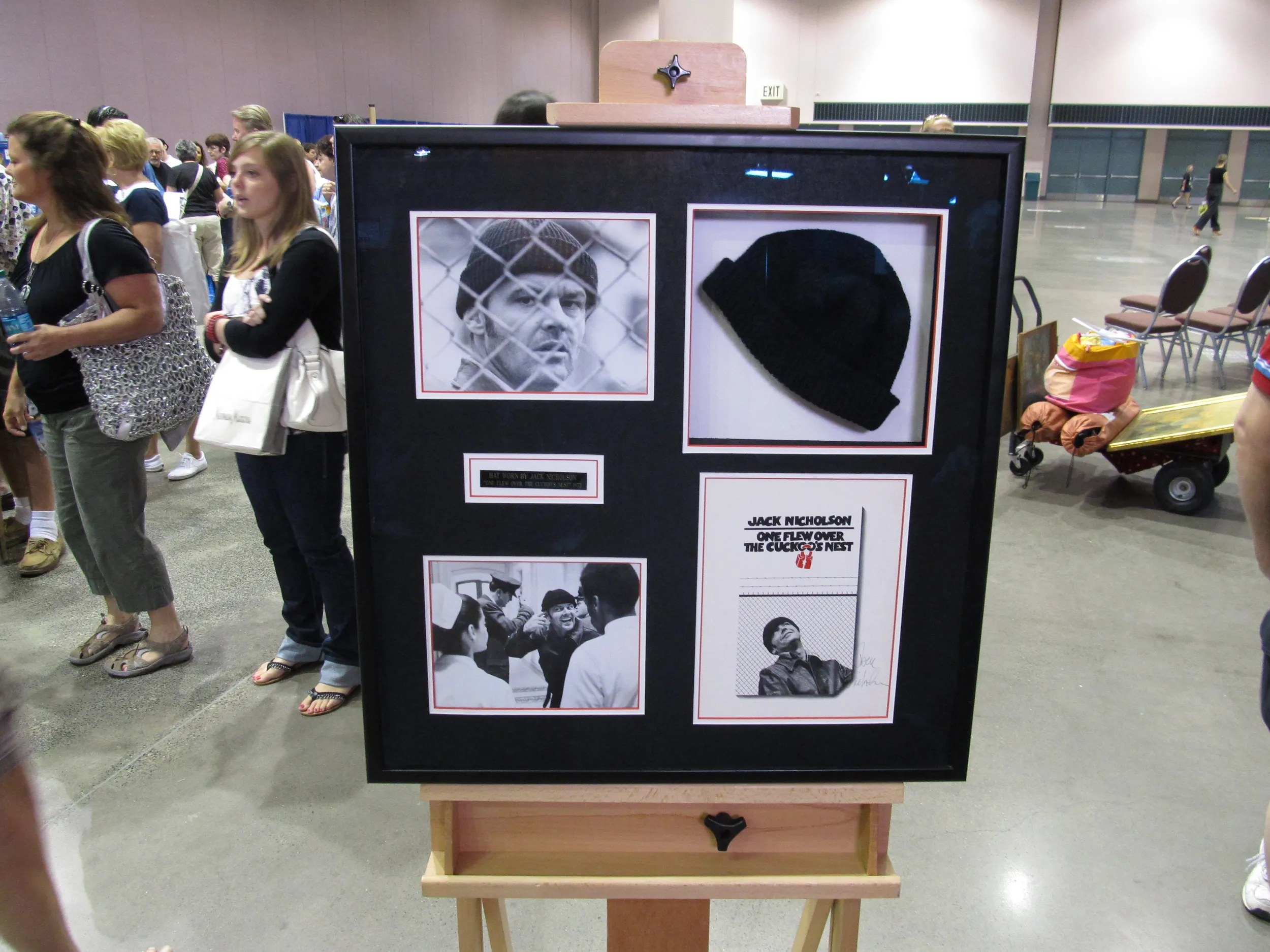
Jack Nicholson's "One Flew Over the Cuckoo's Nest" Hat & Documents

appraisal
appraisal

appraisal
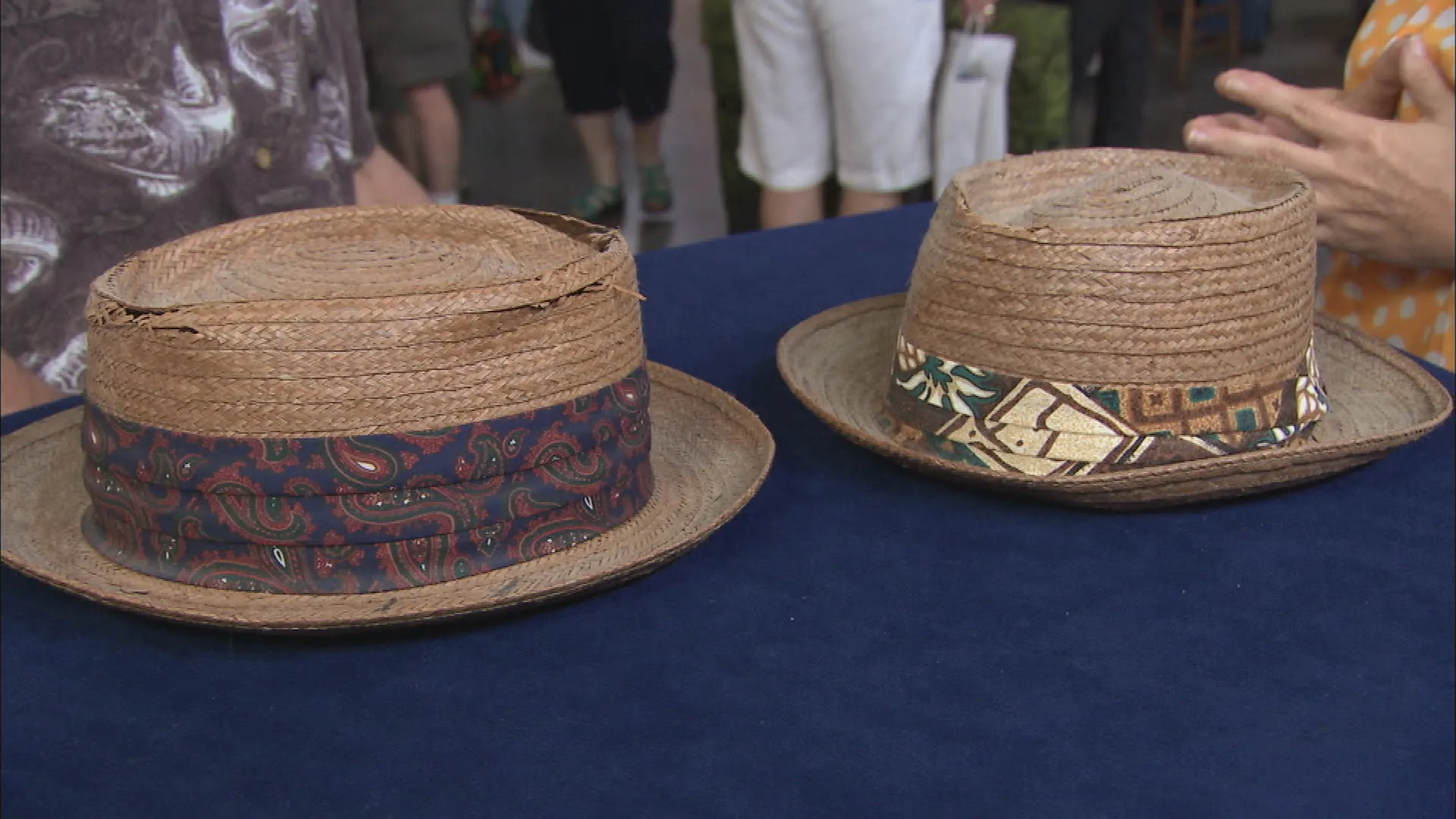
Chinese Headdresses, ca. 1925
Understanding Our Appraisals
Executive producer Marsha Bemko shares her tips for getting the most out of ANTIQUES ROADSHOW.
Value can change: The value of an item is dependent upon many things, including the condition of the object itself, trends in the market for that kind of object, and the location where the item will be sold. These are just some of the reasons why the answer to the question "What's it worth?" is so often "It depends."
Note the date: Take note of the date the appraisal was recorded. This information appears in the upper left corner of the page, with the label "Appraised On." Values change over time according to market forces, so the current value of the item could be higher, lower, or the same as when our expert first appraised it.
Context is key: Listen carefully. Most of our experts will give appraisal values in context. For example, you'll often hear them say what an item is worth "at auction," or "retail," or "for insurance purposes" (replacement value). Retail prices are different from wholesale prices. Often an auctioneer will talk about what she knows best: the auction market. A shop owner will usually talk about what he knows best: the retail price he'd place on the object in his shop. And though there are no hard and fast rules, an object's auction price can often be half its retail value; yet for other objects, an auction price could be higher than retail. As a rule, however, retail and insurance/replacement values are about the same.
Verbal approximations: The values given by the experts on ANTIQUES ROADSHOW are considered "verbal approximations of value." Technically, an "appraisal" is a legal document, generally for insurance purposes, written by a qualified expert and paid for by the owner of the item. An appraisal usually involves an extensive amount of research to establish authenticity, provenance, composition, method of construction, and other important attributes of a particular object.
Opinion of value: As with all appraisals, the verbal approximations of value given at ROADSHOW events are our experts' opinions formed from their knowledge of antiques and collectibles, market trends, and other factors. Although our valuations are based on research and experience, opinions can, and sometimes do, vary among experts.
Appraiser affiliations: Finally, the affiliation of the appraiser may have changed since the appraisal was recorded. To see current contact information for an appraiser in the ROADSHOW Archive, click on the link below the appraiser's picture. Our Appraiser Index also contains a complete list of active ROADSHOW appraisers and their contact details and biographies.


