Field Trip: Japanese Internment Camp Arts & Crafts
HOST: The human drive to create, even under difficult conditions, is a strong one. These are examples of arts and crafts made by Japanese and Japanese-Americans held in U.S. internment camps during World War II. ROADSHOW visited the Japanese American Museum of San Jose to explore these remarkable artifacts, works that express beauty, dignity and perseverance in the face of hardship and injustice.
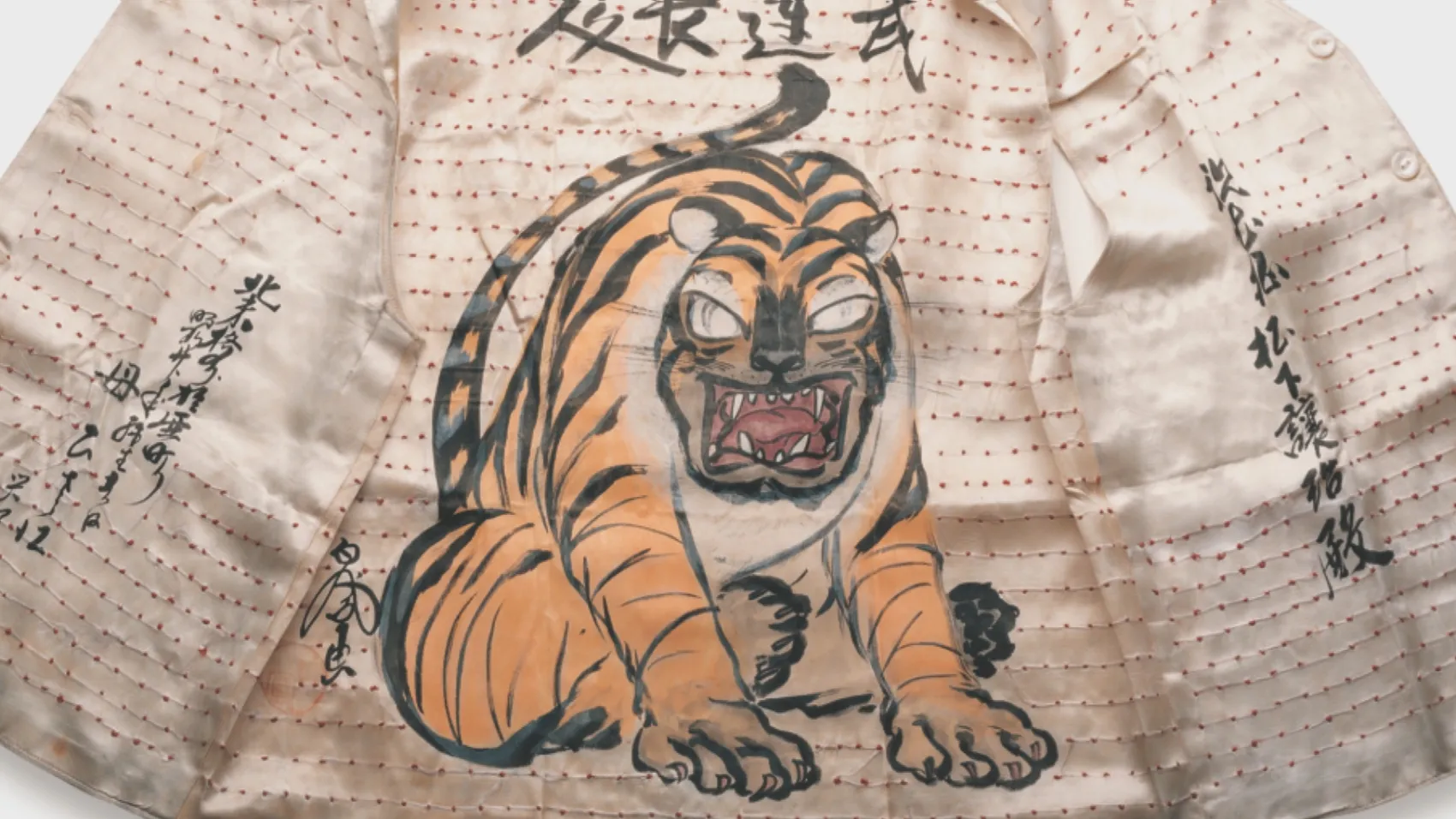
APPRAISER: The definition of gaman is to bear the seemingly unbearable with patience and dignity. And this was their way to gaman in camp. Most of the objects were made by untrained artists, farmers, gardeners. I've always loved this cow that was made by the father of a guy I went to high school with. Akira Oye was his name, and I knew he was a farmer. I never knew that he had any artistic ability. I was very fond of that. There was a slate teapot made by a gardener in Oakland, Homei Iseyama. There was a slate quarry in one of the campsites, and he started hacking out these teapots that were just beautiful.
HOST: What happened to the arts and crafts created in the camps after the war?
APPRAISER: Many people just threw these things they made in camp away. They just left them behind. Even as recently as 15 years ago, someone has said, "Oh, my father was cleaning up and he said, "'Throw that in the garbage, I don't want to remember that.'"
HOST: Stephen, how would you categorize the art that was created in the internment camps?
APPRAISER: Well, I think we could put them in maybe a couple of different categories. Some of the articles are very folky by nature, they have a certain naivetÈ about them, while others are very sophisticated, extraordinarily well designed and very evocative of Japanese culture, beautifully crafted and really quite extraordinary. I think you'll find that there are a variety of people now looking for them. They may be dealers or they may be private collectors. I think there's an effort, too, to see that these pieces reach museums and institutions. The bird pins that were produced from illustrations that might have been found in National Geographic magazines or bird books may bring in the few hundreds of dollars, while some of the pins that were signed by the artists can bring in the high hundreds and perhaps even more. We have an example here of a carved cow that was made in the Rohwer camp. I think at auction a carving like that today could bring perhaps $1,000 or more.
HOST: Now, the slate teapots are beautiful and they're functional as well. Tell me about those.
APPRAISER: Those to me are examples of how I don't think they're folky at all, but rather they're very sculptural, very beautiful, and I think sophisticated in the design, and very similar, I think, to pots you might find having been made in Japan itself rather than here in America. I think those may well bring in the low four figures at auction.
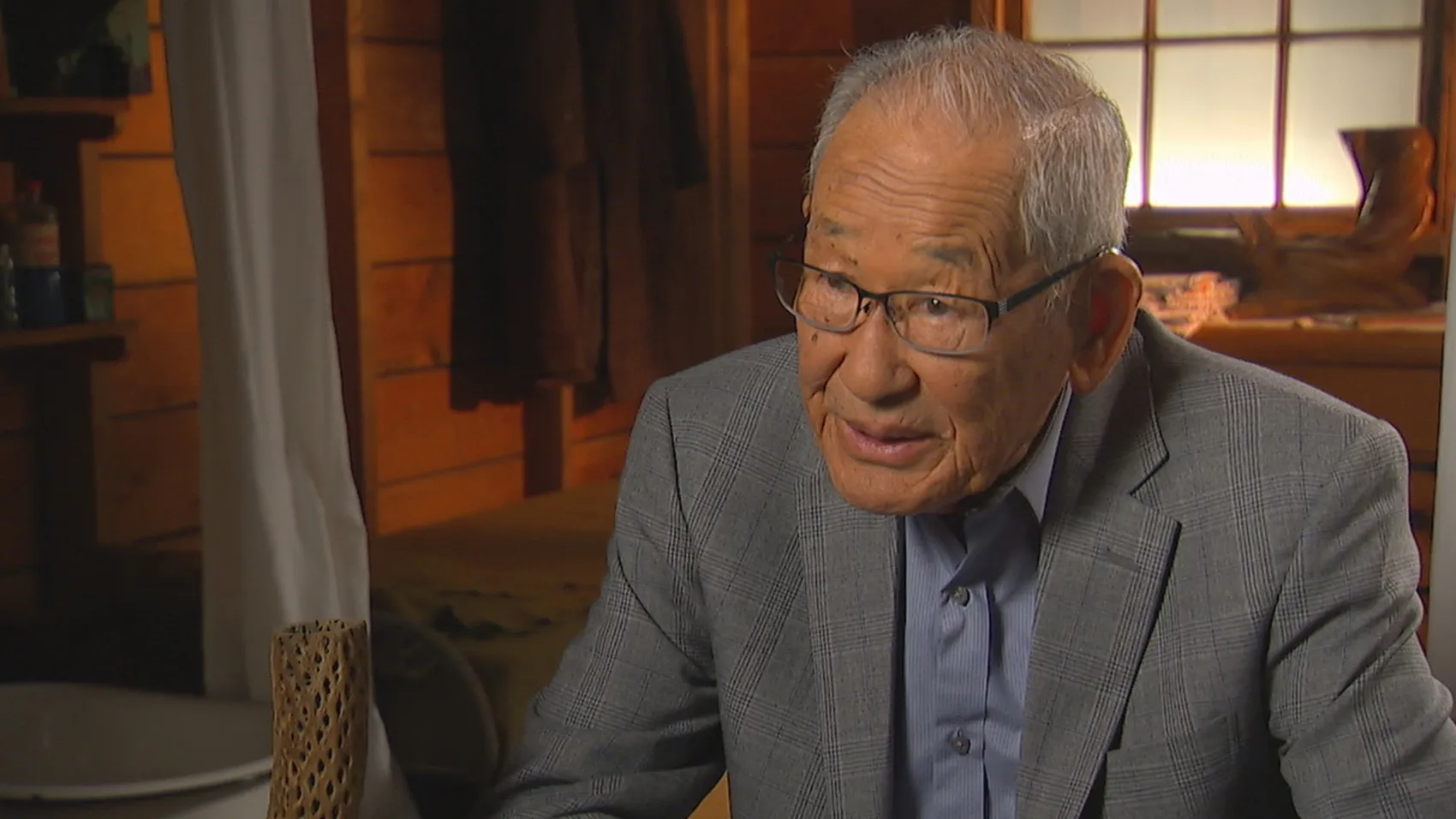
APPRAISER: What has amazed me is the number of people who signed the visitors' book who said that they never knew the camps existed. Someone said to me, "Oh, how long were they in the camp? A few weeks?" And I said, "Try three and a half, four years." And because I knew these people-- I mean, some of them, when I was growing up-- I knew that they never talked about having any interest in the arts, and that yet these exquisite things came out and were handed to me, and I was just blown away.
HOST: Delphine, thank you. It's been remarkable speaking with you and such important subject matter and beautiful art that you're sharing with us.
APPRAISER: Thank you.

Photos

Featured In
episode
Santa Clara, Hour 1 (2015)
ANTIQUES ROADSHOW visits the Japanese American Museum of San Jose
Cultural Art & Objects
appraisal
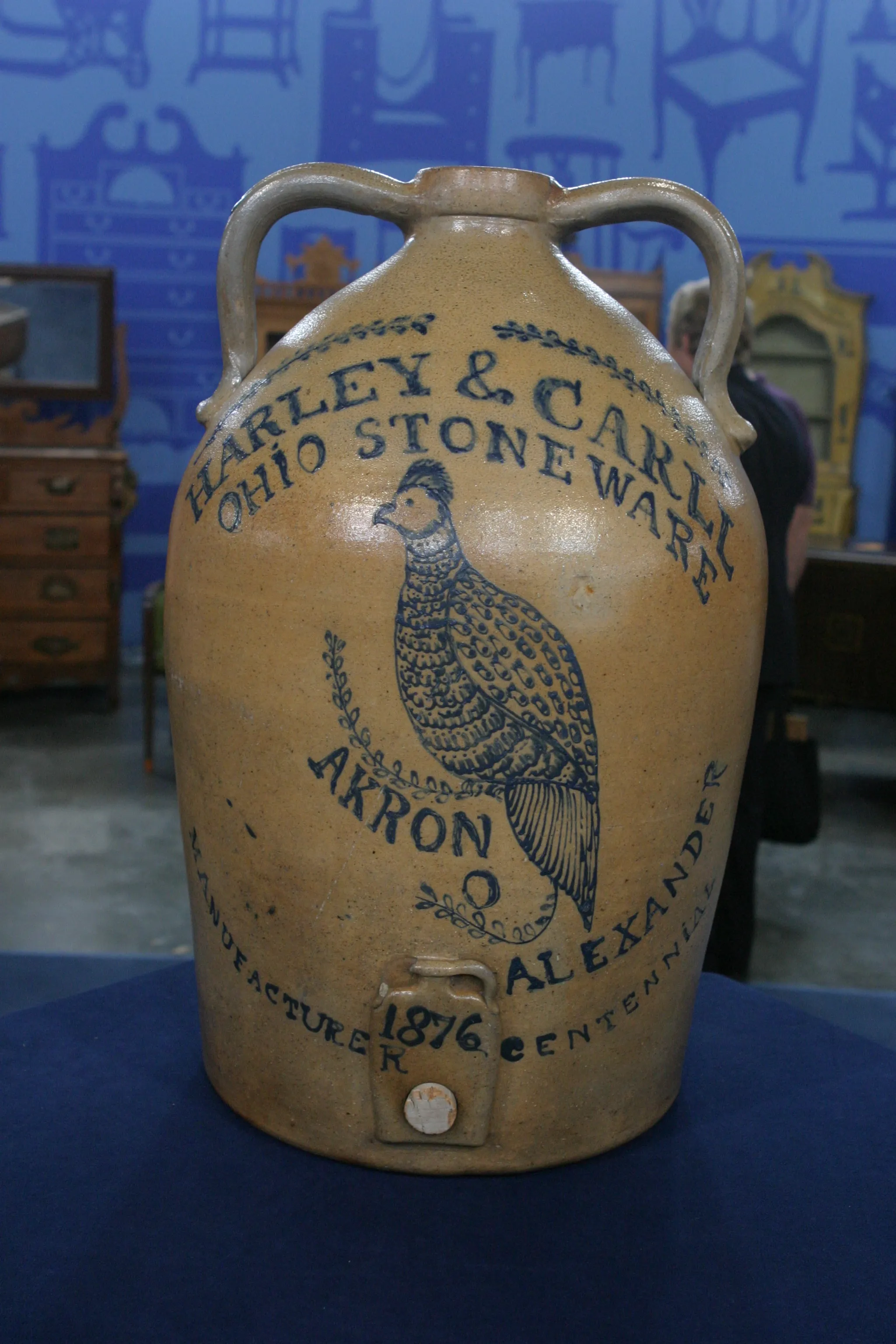
1876 John Alexander Stoneware Cooler
appraisal
Cinnabar Lacquer Box, Ca. 1765
appraisal
Braided Rawhide Lariat, ca. 1850
appraisal
Late Period Egyptian Bronze Falcon
Understanding Our Appraisals
Executive producer Marsha Bemko shares her tips for getting the most out of ANTIQUES ROADSHOW.
Value can change: The value of an item is dependent upon many things, including the condition of the object itself, trends in the market for that kind of object, and the location where the item will be sold. These are just some of the reasons why the answer to the question "What's it worth?" is so often "It depends."
Note the date: Take note of the date the appraisal was recorded. This information appears in the upper left corner of the page, with the label "Appraised On." Values change over time according to market forces, so the current value of the item could be higher, lower, or the same as when our expert first appraised it.
Context is key: Listen carefully. Most of our experts will give appraisal values in context. For example, you'll often hear them say what an item is worth "at auction," or "retail," or "for insurance purposes" (replacement value). Retail prices are different from wholesale prices. Often an auctioneer will talk about what she knows best: the auction market. A shop owner will usually talk about what he knows best: the retail price he'd place on the object in his shop. And though there are no hard and fast rules, an object's auction price can often be half its retail value; yet for other objects, an auction price could be higher than retail. As a rule, however, retail and insurance/replacement values are about the same.
Verbal approximations: The values given by the experts on ANTIQUES ROADSHOW are considered "verbal approximations of value." Technically, an "appraisal" is a legal document, generally for insurance purposes, written by a qualified expert and paid for by the owner of the item. An appraisal usually involves an extensive amount of research to establish authenticity, provenance, composition, method of construction, and other important attributes of a particular object.
Opinion of value: As with all appraisals, the verbal approximations of value given at ROADSHOW events are our experts' opinions formed from their knowledge of antiques and collectibles, market trends, and other factors. Although our valuations are based on research and experience, opinions can, and sometimes do, vary among experts.
Appraiser affiliations: Finally, the affiliation of the appraiser may have changed since the appraisal was recorded. To see current contact information for an appraiser in the ROADSHOW Archive, click on the link below the appraiser's picture. Our Appraiser Index also contains a complete list of active ROADSHOW appraisers and their contact details and biographies.


