F. Walter Lawrence Diamond Dress Clips, ca. 1930
GUEST: This is a brooch that turns into gown clips. It was given to my aunt, her second marriage-- met a man who was the heir to a Midwestern beer fortune, and this belonged to his mother.
APPRAISER: Did she ever wear them?
GUEST: No, not to my knowledge. (both laugh) I think it was just too much. She probably put it on when he gave it to her and then that was, that was the end of it. My sister, who just passed away recently...
APPRAISER: Mm-hmm.
GUEST: ...had been in possession of all the, all the jewelry from...
APPRAISER: Mm-hmm.
GUEST: ...all sides of the family. And when she passed away, um, being the last one standing, I... That's when I got it, about two years ago.
APPRAISER: So, these are one of my favorite types of jewelry.
GUEST: Mm-hmm.
APPRAISER: And they're called dress clips. And it was a new form of jewelry introduced in the '20s, and it was a reaction to changing dress styles for, for women.
GUEST: Mm-hmm.
APPRAISER: It went from these very buttoned-up, corseted Edwardian dresses to these free-flowing flapper dresses. And they needed a different type of jewelry to go with it. So they invented the dress clip. And the dress clip is great because it can be worn as an old-fashioned brooch.
GUEST: Mm-hmm.
APPRAISER: And it's great. It comes with the original pin fitting here, and they could go together… and form a plaque brooch. But that wasn't the fun way to wear them.
GUEST: (laughs)
APPRAISER: The fun way to wear them was to separate them.
GUEST: Mm-hmm.
APPRAISER: And women would wear them on either side of their dress. And then some women would wear them on their fur coats, some women would wear them on their purses, some women would wear them together, apart. It gave a lot of versatility and informality. They remained popular until the '50s, and then they started to fall out of style and the traditional brooch came back in.
GUEST: Right.
APPRAISER: And by the '60s, they weren't really made anymore. So they're just a, kind of a small time in jewelry history. They're made of platinum and diamonds. The diamonds are a mix of cuts. You have some old European cuts, some baguette cuts, and some single cuts. What's great also about these dress clips is, they use larger stones. There are several stones in these that are over one carat each, which is rare to find in dress clips.
GUEST: Wow.
APPRAISER: And they were made by a firm called F. Walter Lawrence, which was founded in the late, um, 1800s...
GUEST: Mm-hmm.
APPRAISER: ...and continued for about 80 years in New York. And F. Walter Lawrence first started with Arts and Crafts jewelry. And he was very interested in making jewelry that would function as sculpture to wear, that it would be art and it would be interesting.
GUEST: Mm-hmm.
APPRAISER: And you can see that carried forward in these dress clips. And you're very lucky, because you have the original box. It's good that you have that, because they're not signed.
GUEST: Hm.
APPRAISER: And not all pieces of F. Walter Lawrence jewelry are signed.
GUEST: Ah.
APPRAISER: And when they're not signed...
GUEST: Mm-hmm.
APPRAISER: ...we really can't attribute it.
GUEST: Right.
APPRAISER: So it's really wonderful that the original box has stayed with it all this time. That really does help the value.
GUEST: Mm-hmm.
APPRAISER: And that probably increases the value of the piece by at least 20%.
GUEST: Oh, my.
APPRAISER: They're beautiful, they're well-designed, and the diamond weight is significant.
GUEST: Mm-hmm.
APPRAISER: You have over ten carats of diamonds in these clips.
GUEST: Wow.
APPRAISER: So I would insure this at the $30,000 mark.
GUEST: (whistles softly) All right. Well, thank you so much. That's, that's good to know. For years, it sat in a safe deposit box, and we always wondered about it. We knew it was spectacular, but... Didn't know it was that spectacular.
APPRAISER: (chuckles)
$30,000 Insurance
Featured In

episode
Maryland Zoo, Hour 1
Watch astonishing treasures from ROADSHOW’s Baltimore stop! One is $350,000 - $570,000!
Metals & Alloys
appraisal
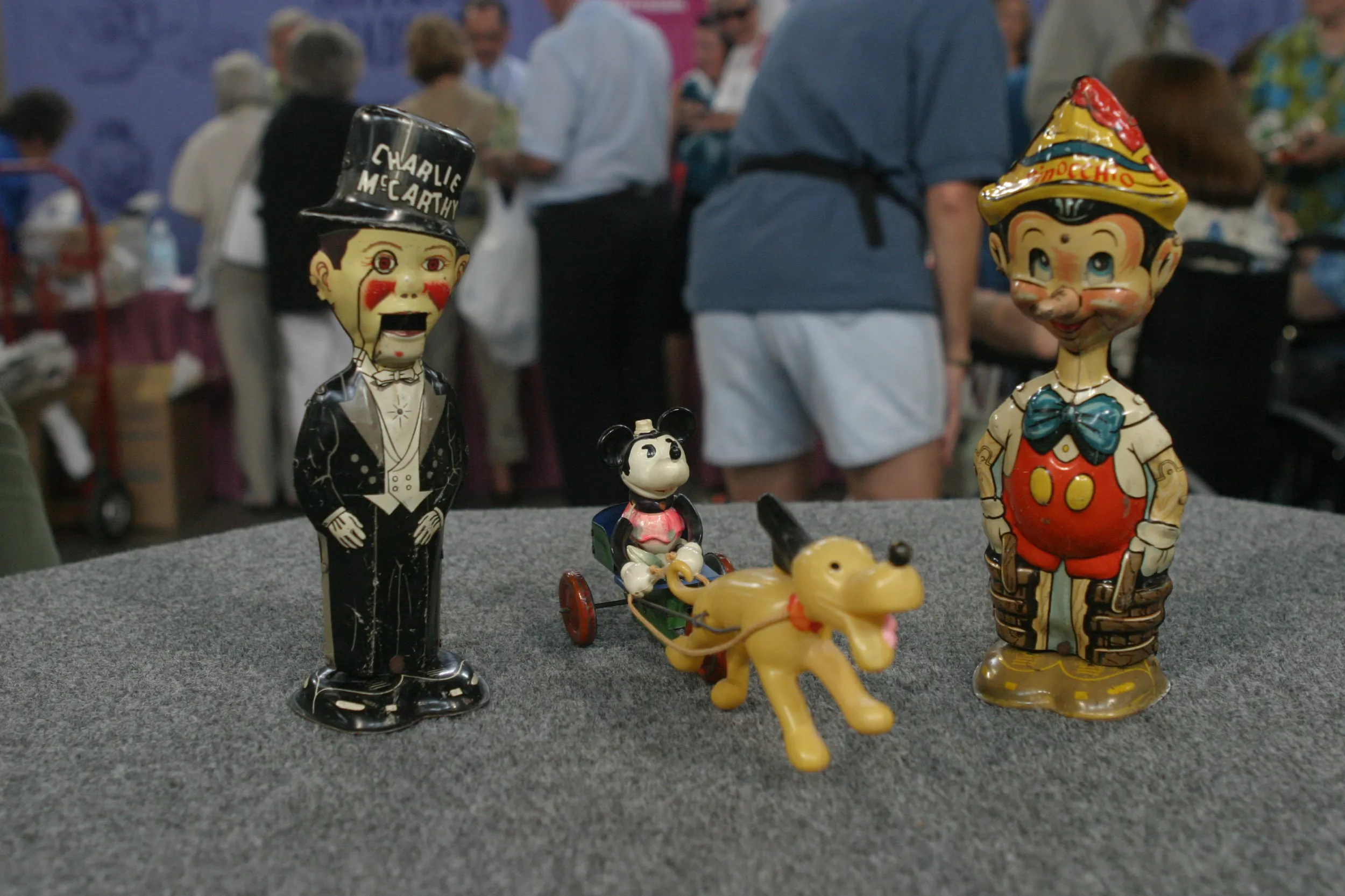
Comic Wind-up Toys, ca. 1930
appraisal
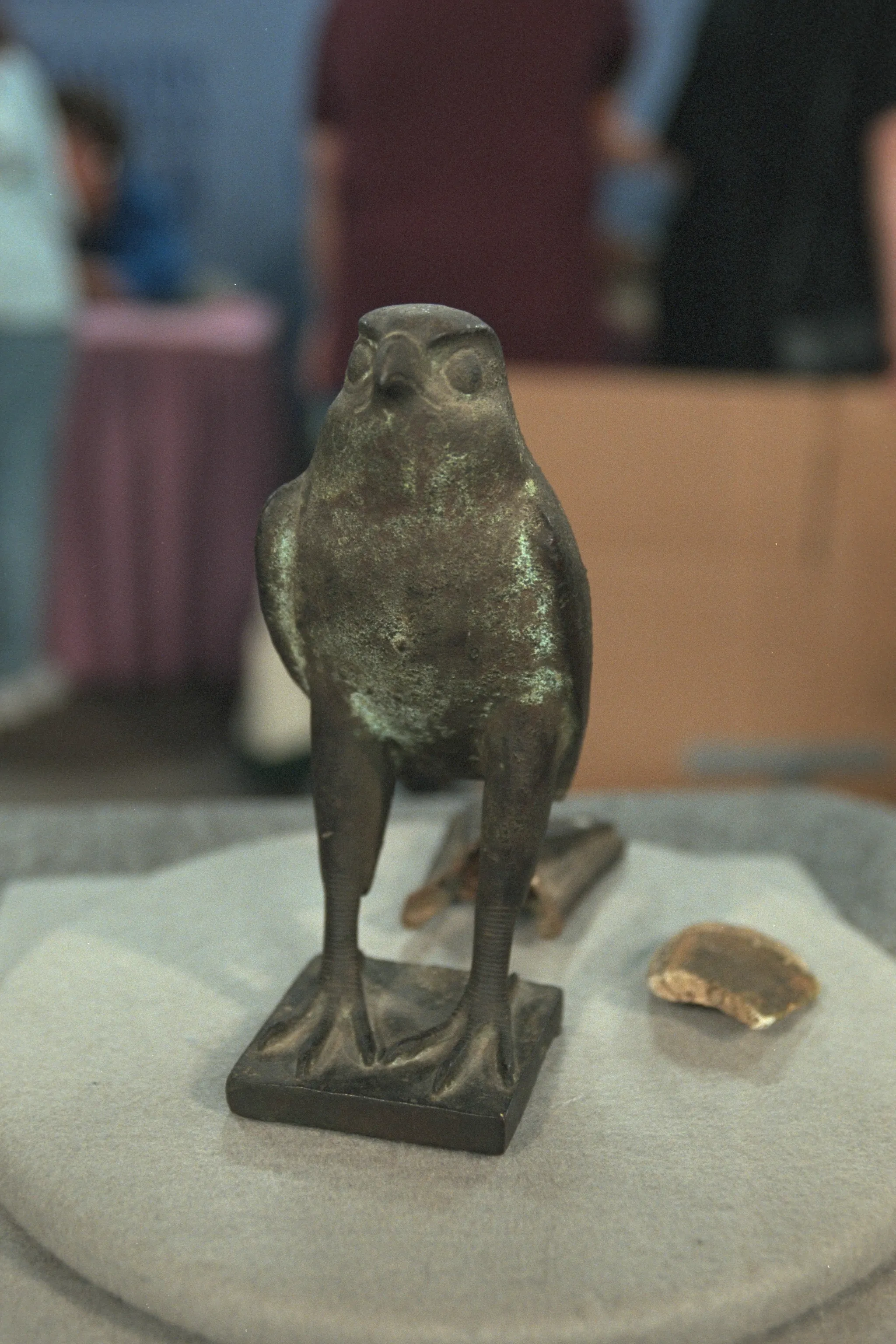
Late Period Egyptian Bronze Falcon
appraisal
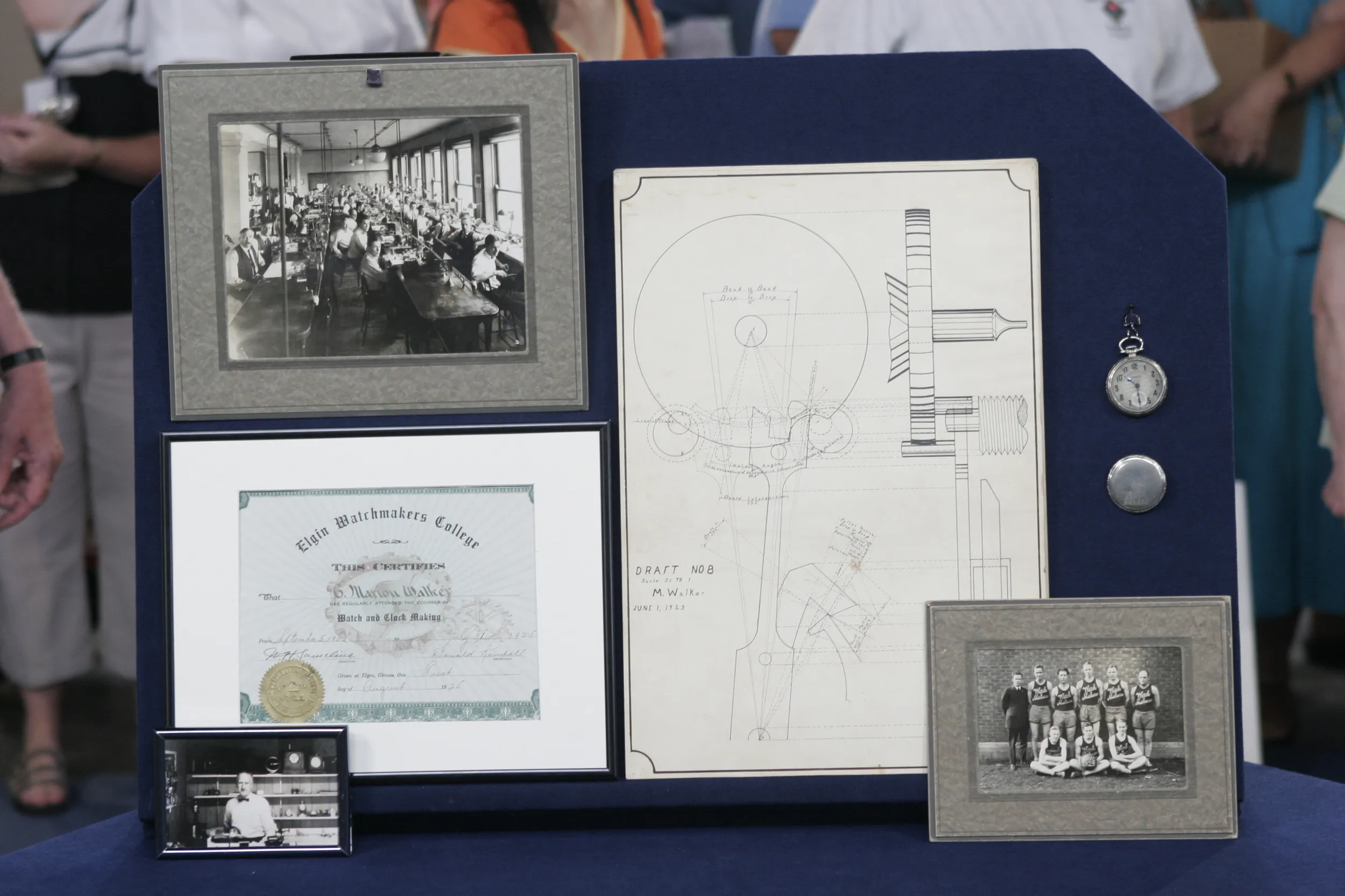
Elgin Student Watch & Papers, ca. 1924
appraisal
Duncan Phyfe Sewing Table, ca. 1805
Understanding Our Appraisals
Executive producer Marsha Bemko shares her tips for getting the most out of ANTIQUES ROADSHOW.
Value can change: The value of an item is dependent upon many things, including the condition of the object itself, trends in the market for that kind of object, and the location where the item will be sold. These are just some of the reasons why the answer to the question "What's it worth?" is so often "It depends."
Note the date: Take note of the date the appraisal was recorded. This information appears in the upper left corner of the page, with the label "Appraised On." Values change over time according to market forces, so the current value of the item could be higher, lower, or the same as when our expert first appraised it.
Context is key: Listen carefully. Most of our experts will give appraisal values in context. For example, you'll often hear them say what an item is worth "at auction," or "retail," or "for insurance purposes" (replacement value). Retail prices are different from wholesale prices. Often an auctioneer will talk about what she knows best: the auction market. A shop owner will usually talk about what he knows best: the retail price he'd place on the object in his shop. And though there are no hard and fast rules, an object's auction price can often be half its retail value; yet for other objects, an auction price could be higher than retail. As a rule, however, retail and insurance/replacement values are about the same.
Verbal approximations: The values given by the experts on ANTIQUES ROADSHOW are considered "verbal approximations of value." Technically, an "appraisal" is a legal document, generally for insurance purposes, written by a qualified expert and paid for by the owner of the item. An appraisal usually involves an extensive amount of research to establish authenticity, provenance, composition, method of construction, and other important attributes of a particular object.
Opinion of value: As with all appraisals, the verbal approximations of value given at ROADSHOW events are our experts' opinions formed from their knowledge of antiques and collectibles, market trends, and other factors. Although our valuations are based on research and experience, opinions can, and sometimes do, vary among experts.
Appraiser affiliations: Finally, the affiliation of the appraiser may have changed since the appraisal was recorded. To see current contact information for an appraiser in the ROADSHOW Archive, click on the link below the appraiser's picture. Our Appraiser Index also contains a complete list of active ROADSHOW appraisers and their contact details and biographies.


