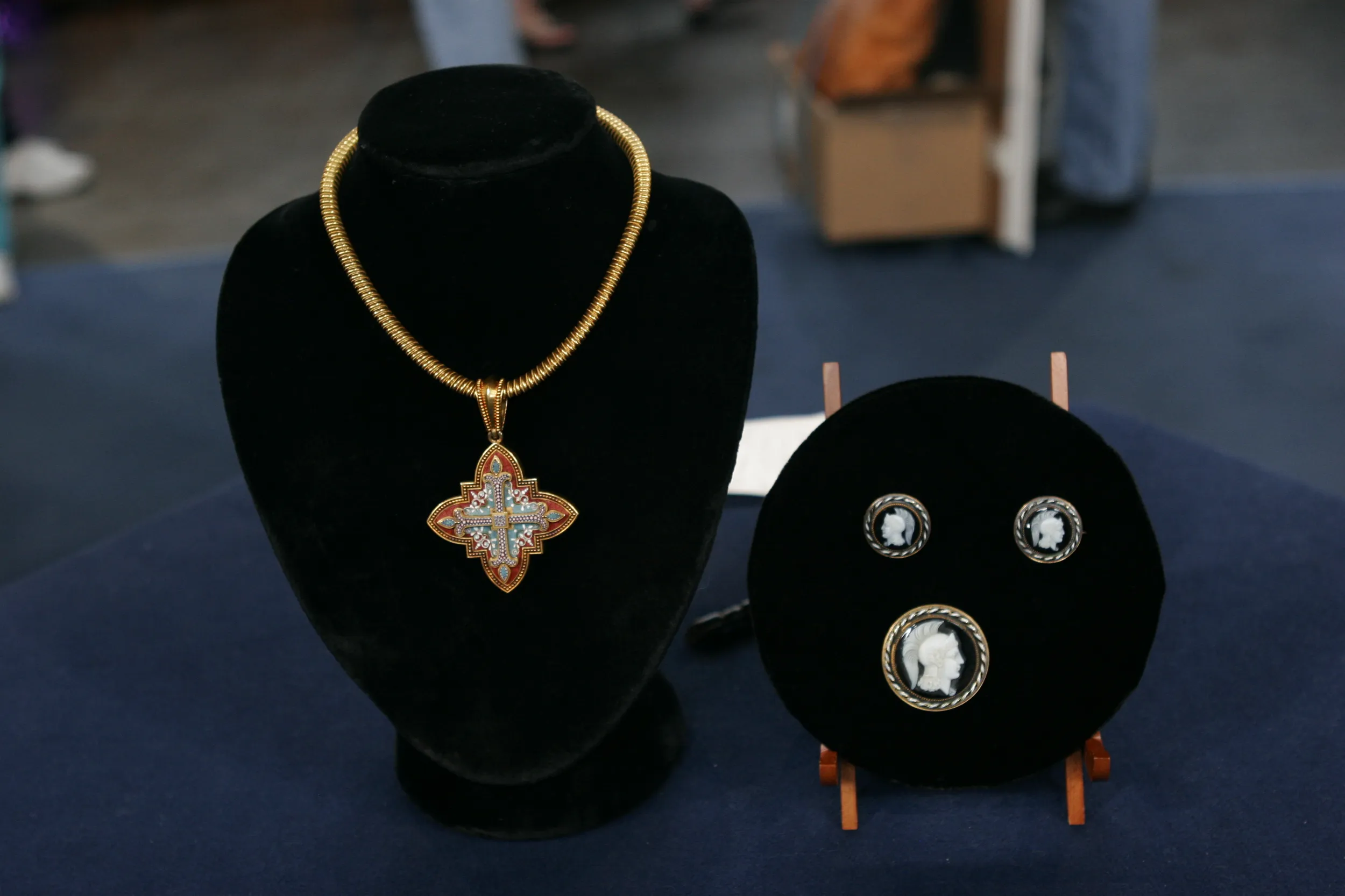
: It was something that my mother had, and I've had it now for about 15 years. Haven't really worn it. I always thought it was pretty, but really didn't know that much about it.
APPRAISER: You thought it had a certain name on the back of it. What was that name?
GUEST: Right. Engel? I know it's an E.
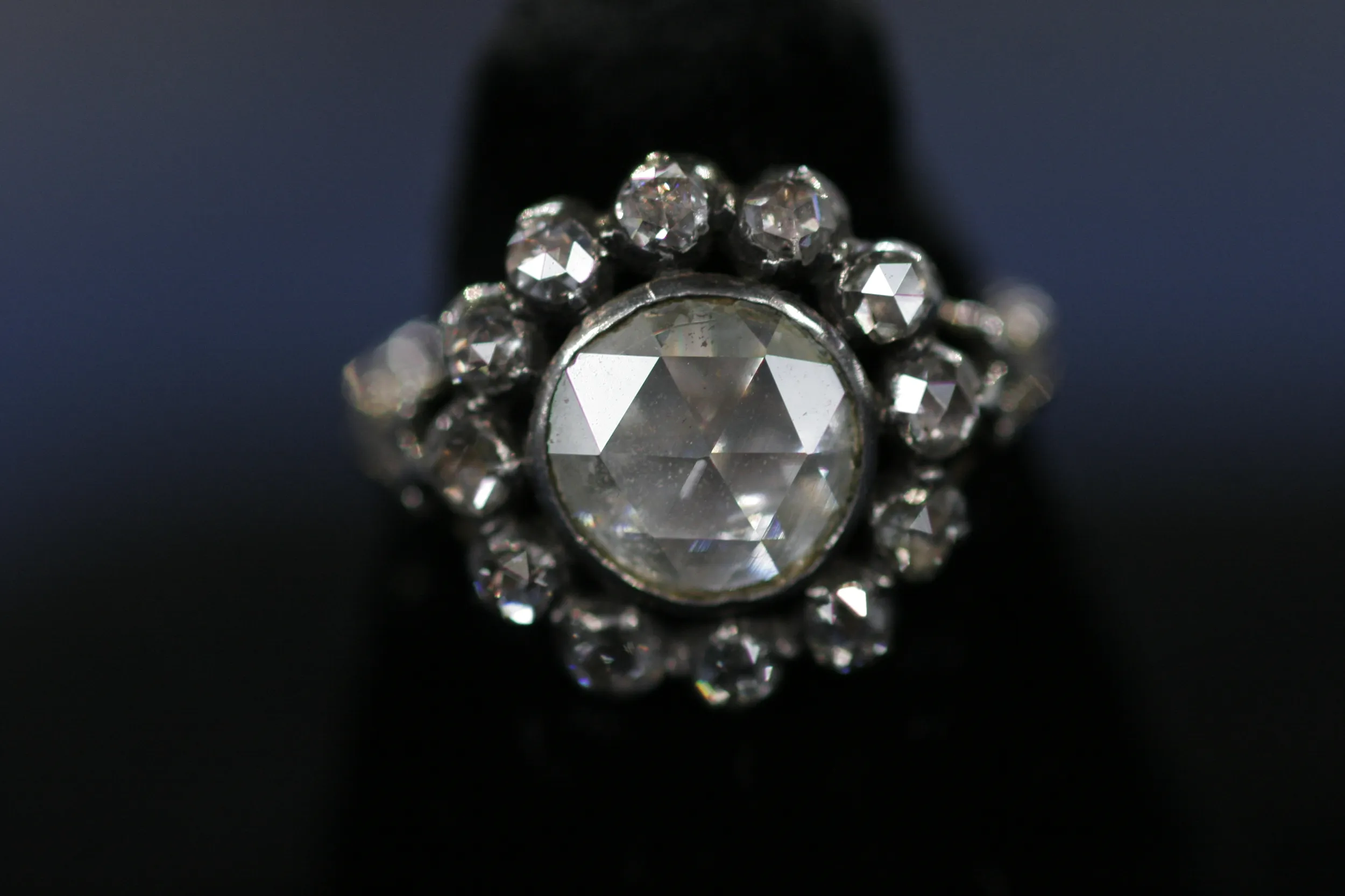
APPRAISER: It starts with an E, and it's called Eisenberg. And the name is actually Eisenberg Ice. By 1920, Eisenberg was settled in Chicago. And they made clothing. And to make their clothing stand out, they put rhinestone and metal embellishments sewn onto the clothing. Now, interestingly enough, people wanted that jewelry so bad and they weren't making it as jewelry, they were stealing the rhinestone embellishments off the Eisenberg clothing. Why not make Eisenberg jewelry? Ta-da, this is what we have in front of us. Now, the first pieces were signed Eisenberg Original, and they were big and bold. They were from the 1930s, very early pieces. Eisenberg spared no expense in making their jewelry. It was the top of the line. They used the best Swarovski crystals. Now, the pieces that you have here, this is from about 1945-1955. What we have here is colored rhinestones. Now, a rhinestone is glass or crystal with foil on the back, and it can be colored or clear. The clear color is called crystal. You have a light rose rhinestone, and you have one that's called cardinal. The setting is in a white metal. You have earrings, a brooch, a bracelet and a necklace. This jewelry was sold in high-end department stores. The Eisenberg Company's flagship was located in Chicago, Illinois. And the major store that they sold from was Marshall Field's. But they were in every major store throughout the United States. So women knew about Eisenberg. It wasn't cheap at the time, the bracelet might have been $15 or $20, but that was a high price for costume jewelry. It's the best there is made, and today it's very collectible. And I think the people that are collecting Eisenberg, they're looking more for the colored stones because there's a lot more of the clear stones out there. What you have is called a parure. When you have more than two pieces, you have a set, it's a suite or a parure; it's a French term. On today's marketplace, good retail location, all these pieces would sell between $1,500 and $1,800.
GUEST: Oh, my goodness, I had no idea.
APPRAISER: They're beautiful.
GUEST: Oh, thank you.
APPRAISER: Now, you told me you didn't wear them that much. You going to wear them now?
GUEST: No, I've never worn them, but I might now. (chuckles)