Doug Eppes Eastern Box Turtle Carving, ca. 1975
GUEST: Well, this is actually a wood carving. And it was carved and painted by my older brother, who is no longer with us. But, uh, he was a tremendous naturalist and a wonderful artist.
APPRAISER: And his name was...
GUEST: Doug Eppes.
APPRAISER: And this is him.
GUEST: Mm-hmm, this is him, that's my brother.
APPRAISER: When did he make it?
GUEST: Between mid-'80s, uh, up to '90.
APPRAISER: He died very young, 41.
GUEST: He did. As a child, he had hepatitis, which weakened his liver. And then I have to say that 20 years of substance abuse finished him off.
APPRAISER: And, and you were telling me that he would trade his carvings in bars for drinks. As a person that's an alcoholic, you will get to the point where you will trade something like that for a drink. Fortunately, he did it at a local watering hole, and the bartenders would see to it that it got back to the family. So let's start with where he lived. In Newark, Delaware. And he learned the craft of wood carving with waterfowl. His mentor was Bill Veasey, who's a very well-known carver.
GUEST: My brother decided to do something that was his signature thing, and that's what this turtle is.
APPRAISER: And this, of course, is an eastern box turtle, the, the m, the most common woodland turtle in the, in the Eastern United States. When I look at this, I'm just astonished by the realism of it. Everything about this says that this turtle is alive. (chuckles) But it's not-- it's a carved piece of wood, carved and painted. Basswood is what he used. The individual little scutes on a turtle shell, he's got the growth rings or the growth lines carved into there. His little plates on his feet, where he's protecting himself when he's digging, are perfect. And I've got to believe, had your brother lived longer and established himself, that he would be recognized as one of the great wildlife woodcarvers.
GUEST: Thank you for saying that, I really appreciate it.
APPRAISER: (chuckles)
GUEST: The only one that I know of that has ever been sold sold for $3,000.
APPRAISER: A turtle.
GUEST: A turtle.
APPRAISER: The three of us at the folk art table sort of polled each other, and we all came up with an auction estimate of $2,500 to $3,500, so... (laughs)
GUEST: (laughing) There you go.
APPRAISER: Yeah, yeah.
GUEST: So...
APPRAISER: You guys are pretty good.
(both laugh)

Featured In

episode
Springs Preserve, Hour 2
Head to desert oasis Springs Preserve for treasures that are sure to heat up the market.
Wood
appraisal
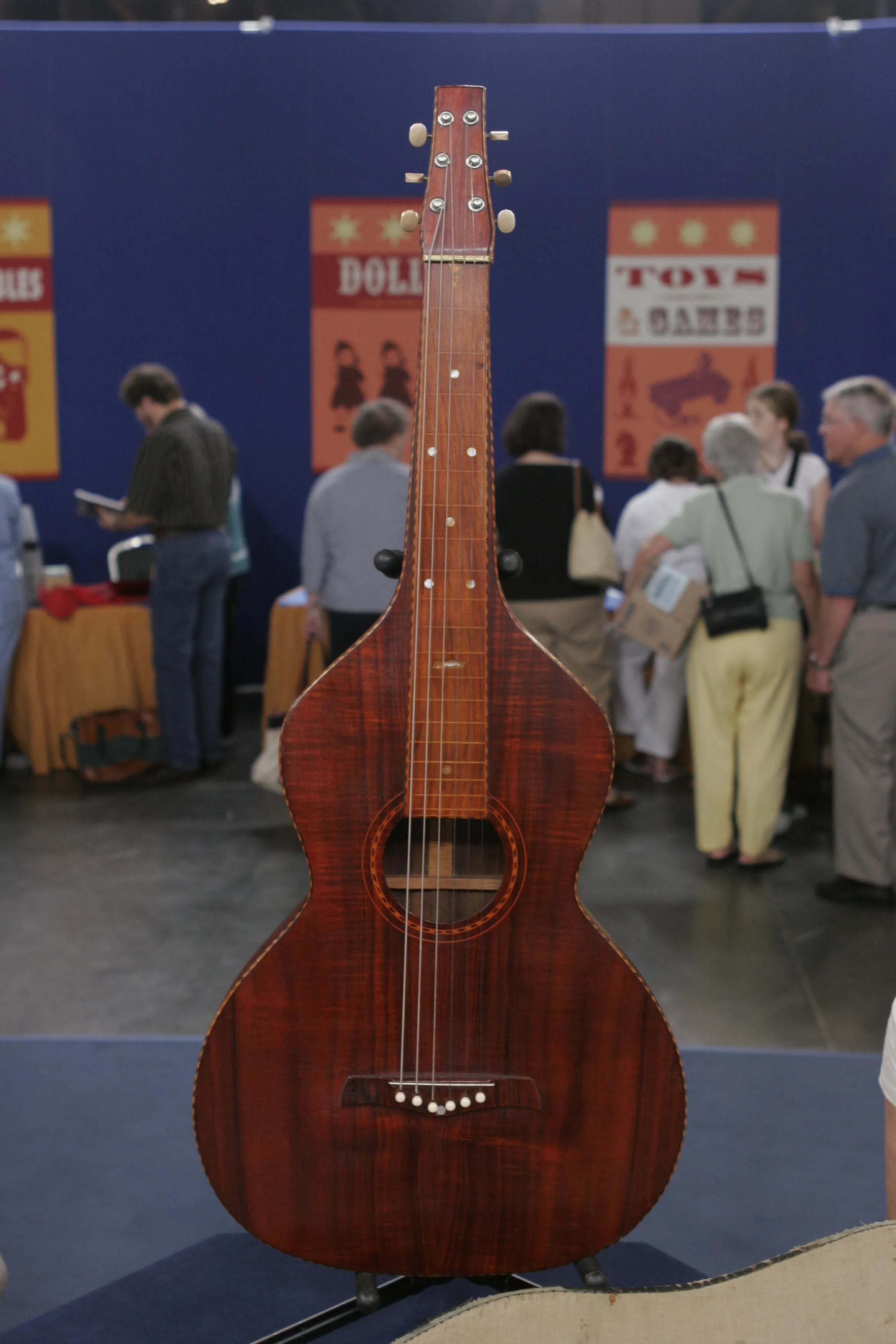
Weissenborn Style 4 Guitar, ca. 1925
appraisal
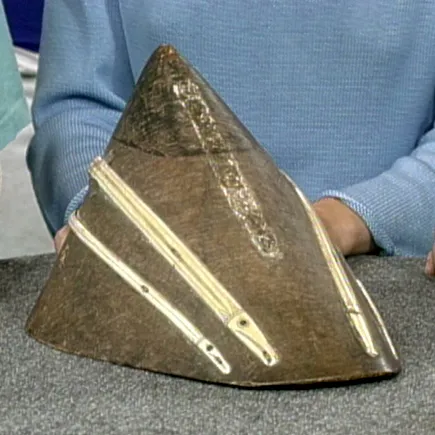
Eskimo Hunting Helmet, ca. 1820
appraisal
appraisal
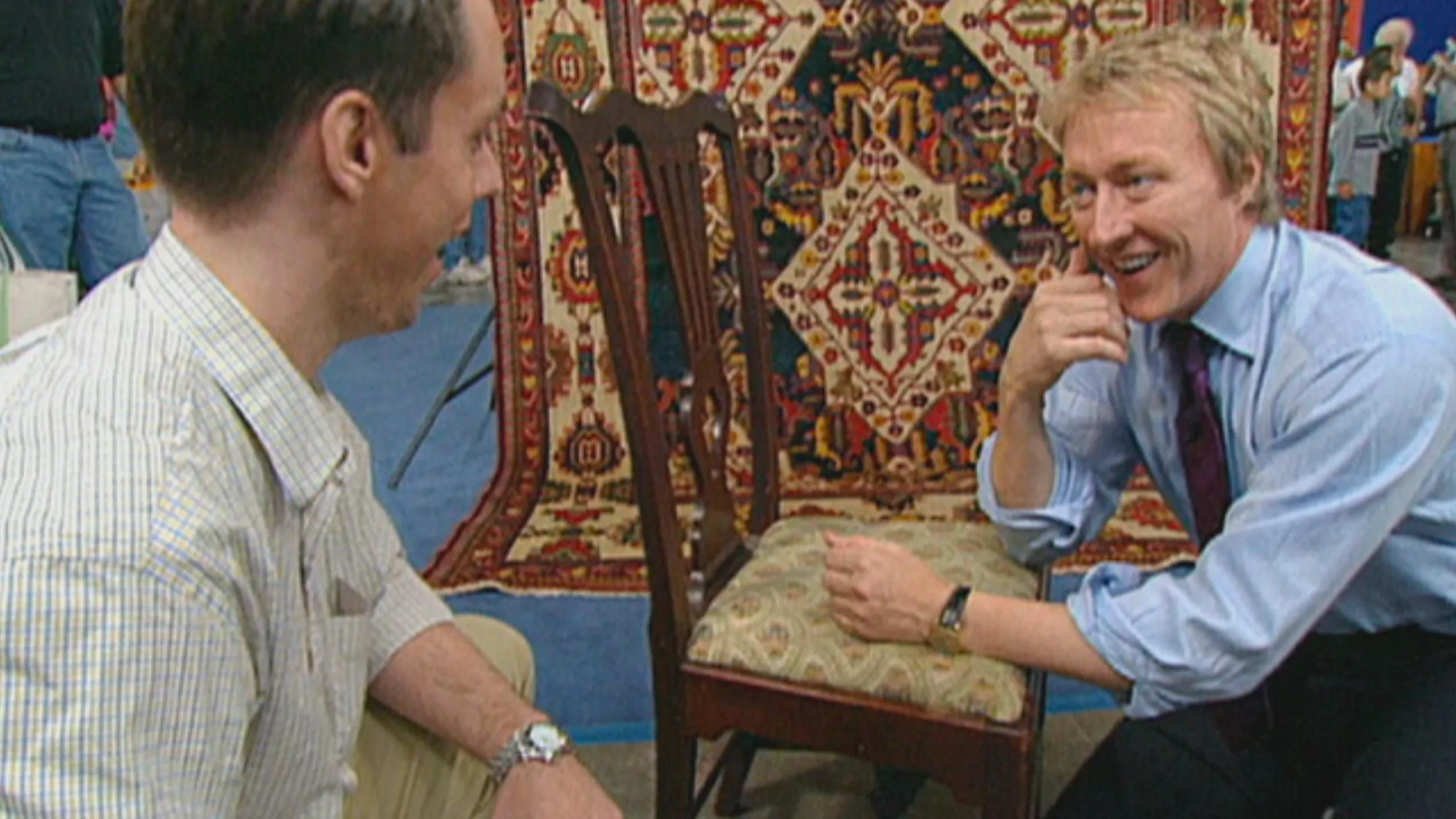
Duncan Phyfe Sewing Table, ca. 1805
Understanding Our Appraisals
Executive producer Marsha Bemko shares her tips for getting the most out of ANTIQUES ROADSHOW.
Value can change: The value of an item is dependent upon many things, including the condition of the object itself, trends in the market for that kind of object, and the location where the item will be sold. These are just some of the reasons why the answer to the question "What's it worth?" is so often "It depends."
Note the date: Take note of the date the appraisal was recorded. This information appears in the upper left corner of the page, with the label "Appraised On." Values change over time according to market forces, so the current value of the item could be higher, lower, or the same as when our expert first appraised it.
Context is key: Listen carefully. Most of our experts will give appraisal values in context. For example, you'll often hear them say what an item is worth "at auction," or "retail," or "for insurance purposes" (replacement value). Retail prices are different from wholesale prices. Often an auctioneer will talk about what she knows best: the auction market. A shop owner will usually talk about what he knows best: the retail price he'd place on the object in his shop. And though there are no hard and fast rules, an object's auction price can often be half its retail value; yet for other objects, an auction price could be higher than retail. As a rule, however, retail and insurance/replacement values are about the same.
Verbal approximations: The values given by the experts on ANTIQUES ROADSHOW are considered "verbal approximations of value." Technically, an "appraisal" is a legal document, generally for insurance purposes, written by a qualified expert and paid for by the owner of the item. An appraisal usually involves an extensive amount of research to establish authenticity, provenance, composition, method of construction, and other important attributes of a particular object.
Opinion of value: As with all appraisals, the verbal approximations of value given at ROADSHOW events are our experts' opinions formed from their knowledge of antiques and collectibles, market trends, and other factors. Although our valuations are based on research and experience, opinions can, and sometimes do, vary among experts.
Appraiser affiliations: Finally, the affiliation of the appraiser may have changed since the appraisal was recorded. To see current contact information for an appraiser in the ROADSHOW Archive, click on the link below the appraiser's picture. Our Appraiser Index also contains a complete list of active ROADSHOW appraisers and their contact details and biographies.


