Chimayo Jacket, ca. 1940
GUEST: Well, I brought in this, uh, Native American jacket that belonged to my mother. My grandmother was born and raised on an Indian reservation in New Mexico. I think it's, um, Navajo. My heritage is Navajo, Pueblo, and Apache Indian.
APPRAISER: I found pretty much the same exact model...
GUEST: Oh.
APPRAISER: ...in mail order catalogs from about 1940, 1941. This is what is known as a Chimayo jacket. This is a very distinctive style of weaving, Chimayo weaving coming from the area, Chimayo, in northern New Mexico. Two families are credited with having started this kind of Chimayo weaving: the Ortegas and the Trujillos. They're usually these central single motifs that have diamonds, stripes. In this case, there's also rhombus. It's usually on a solid ground. And you really get a sense on the back of that central, classic Chimayo motif. This tradition picked up in the early 20th century. And this is an object that was also sold basically as a souvenir. As for the-the weaving, it would have been done in that area, in Chimayo, by women weavers. A variety of companies were marketing these for the tourist trade, but also locals who were buying these objects, too. I could see that there was a label in it at one time...
GUEST: Yes.
APPRAISER: ...but it had been removed. So we don't know which manufacturer this was. What is interesting is that at the time that these are being marketed to tourist audiences, they're calling it Mexican work, not New Mexican. So there's this conflation between cultures. Not necessarily understanding that this is really specific to northern New Mexico. You don't see it outside of this-this region, this kind of weaving; Chimayo weaving. These are hand-loomed. The fabric is all wool and then the sleeves are a cotton corduroy. They sold in the range of about $8.00, $8.75, which in today's money is about $175. Wasn't the cheapest object. In a retail setting, because these are highly collectible, I think you could expect $1,500 to $2,500.
GUEST: Oh, my gosh! Oh, my! I had no idea. Amazing. (chuckles) That's amazing. Wow. Incredible, well, I'm glad I held onto it.
APPRAISER: As an insurance value, I would say, just to be safe, $3,000.
GUEST: Okay, great.

$1,500 Retail
$3,000 Insurance
Featured In

episode
Springs Preserve, Hour 3
ROADSHOW heads to the Mojave Desert in search of marvels at Springs Preserve in Las Vegas.
Fabrics & Plant Materials
appraisal
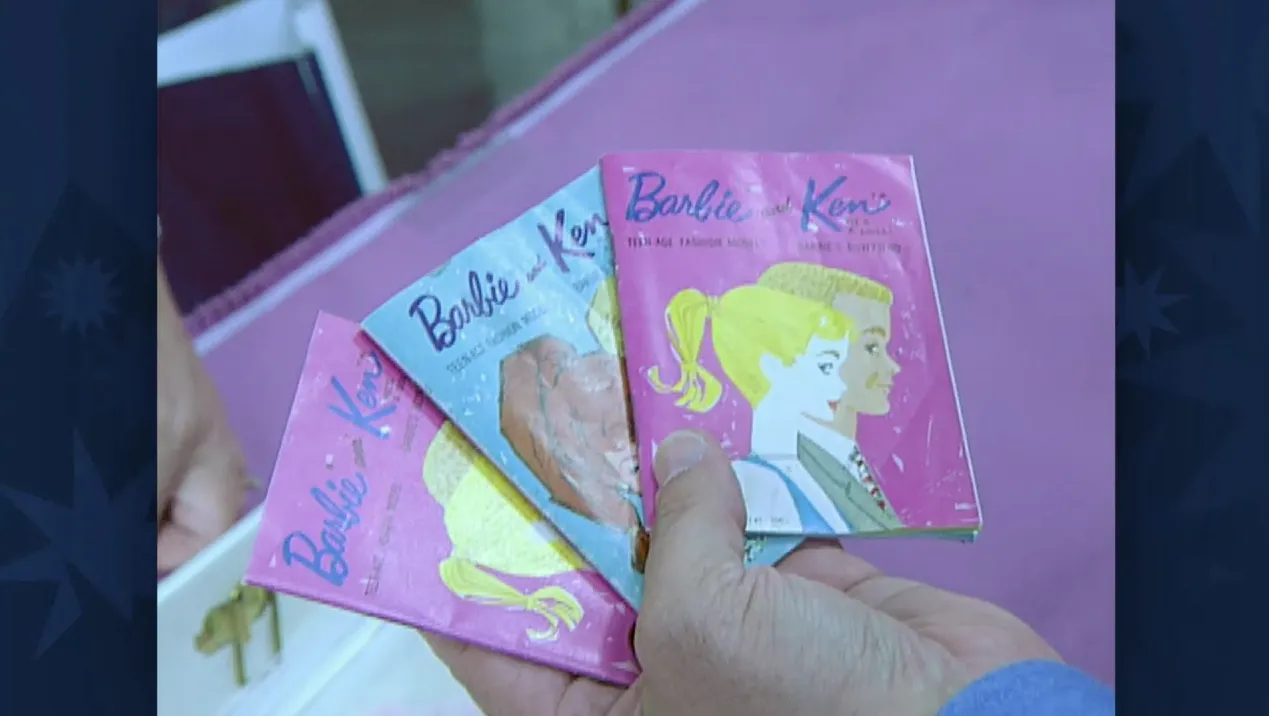
Barbie Accessories & Case, ca. 1960

appraisal
Vermont Militia Coat, ca. 1815
appraisal
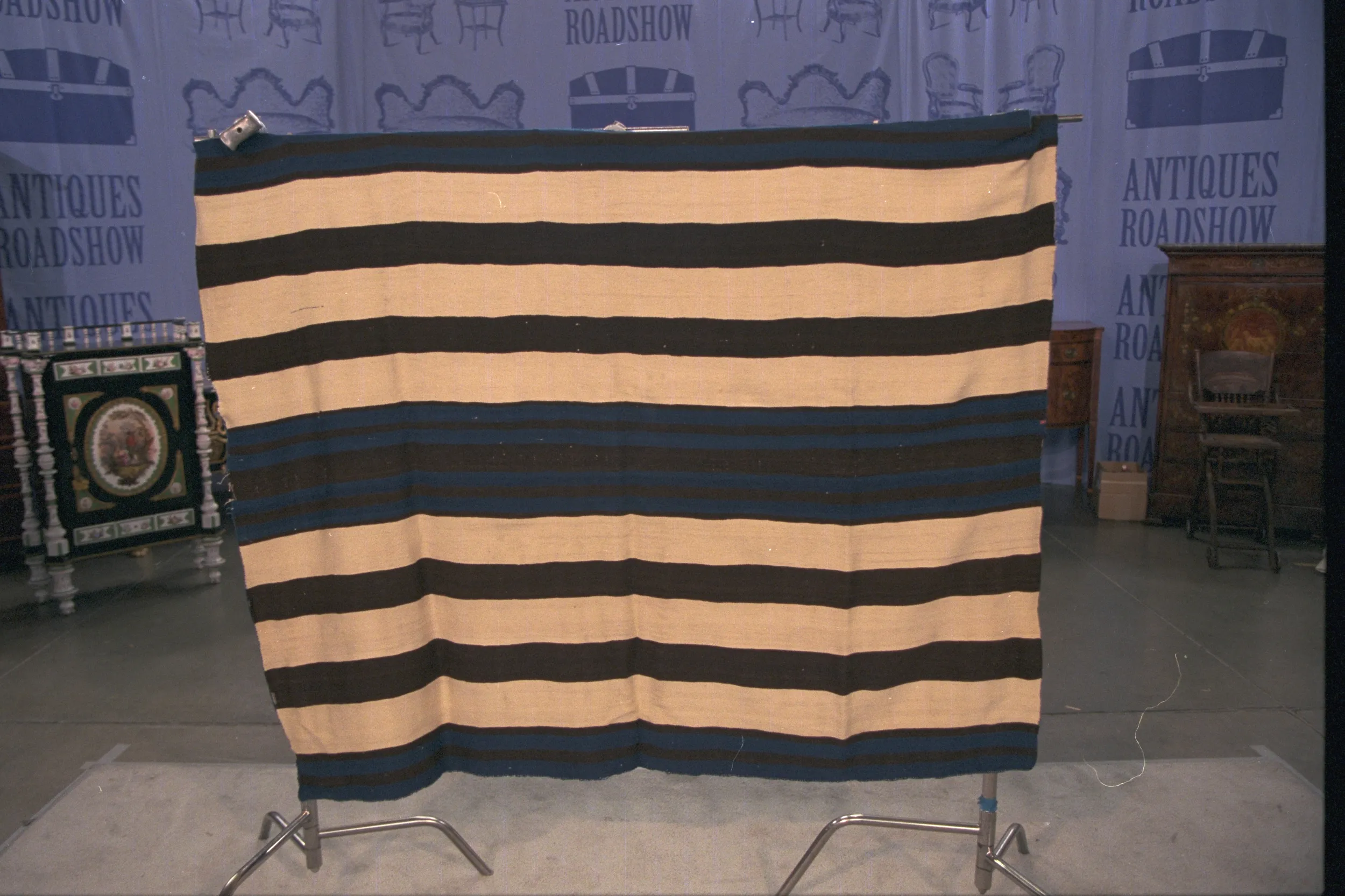
Navajo Ute First Phase Blanket, ca. 1850
appraisal
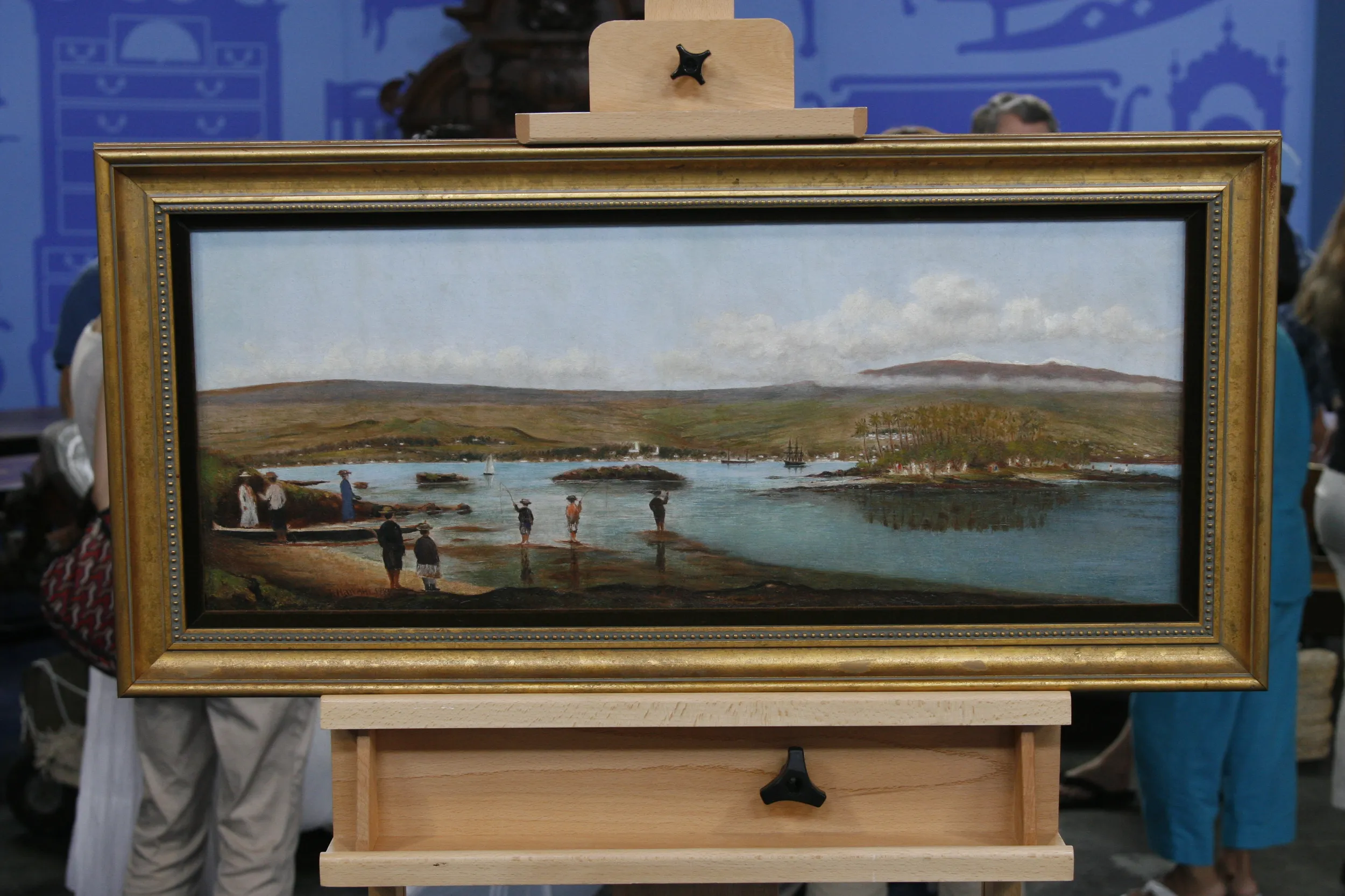
1888 Joseph Nāwahī Oil Painting
Understanding Our Appraisals
Executive producer Marsha Bemko shares her tips for getting the most out of ANTIQUES ROADSHOW.
Value can change: The value of an item is dependent upon many things, including the condition of the object itself, trends in the market for that kind of object, and the location where the item will be sold. These are just some of the reasons why the answer to the question "What's it worth?" is so often "It depends."
Note the date: Take note of the date the appraisal was recorded. This information appears in the upper left corner of the page, with the label "Appraised On." Values change over time according to market forces, so the current value of the item could be higher, lower, or the same as when our expert first appraised it.
Context is key: Listen carefully. Most of our experts will give appraisal values in context. For example, you'll often hear them say what an item is worth "at auction," or "retail," or "for insurance purposes" (replacement value). Retail prices are different from wholesale prices. Often an auctioneer will talk about what she knows best: the auction market. A shop owner will usually talk about what he knows best: the retail price he'd place on the object in his shop. And though there are no hard and fast rules, an object's auction price can often be half its retail value; yet for other objects, an auction price could be higher than retail. As a rule, however, retail and insurance/replacement values are about the same.
Verbal approximations: The values given by the experts on ANTIQUES ROADSHOW are considered "verbal approximations of value." Technically, an "appraisal" is a legal document, generally for insurance purposes, written by a qualified expert and paid for by the owner of the item. An appraisal usually involves an extensive amount of research to establish authenticity, provenance, composition, method of construction, and other important attributes of a particular object.
Opinion of value: As with all appraisals, the verbal approximations of value given at ROADSHOW events are our experts' opinions formed from their knowledge of antiques and collectibles, market trends, and other factors. Although our valuations are based on research and experience, opinions can, and sometimes do, vary among experts.
Appraiser affiliations: Finally, the affiliation of the appraiser may have changed since the appraisal was recorded. To see current contact information for an appraiser in the ROADSHOW Archive, click on the link below the appraiser's picture. Our Appraiser Index also contains a complete list of active ROADSHOW appraisers and their contact details and biographies.


