Antique Italian Lava & Conch Shell Cameos, ca. 1900
GUEST: My grandfather in 1904 joined the Navy to see the world. And he did; he was in Naples, Italy, and he saw the eruption of Mount Vesuvius. He bought this cameo, and he bought several more just like it, and um my mother had them mounted for my sisters and me. 90-some years later, I went to Naples, Italy, and I went to the same jewelry store where my grandfather bought the cameos, and I bought this cameo. And I know this one is made out of lava rock...
APPRAISER: Right.
GUEST: ...hopefully from Mount Vesuvius.
APPRAISER: How did you know where to find the store?
GUEST: My grandfather had the postcard of the-the Bay of Naples, and this store was in it. And I recognized the store from the postcard. It was just lucky that I was there. I think it was meant to be. The man running the store told me that his grandfather carved this, and I realized that it must be related to this one. So I bought this knowing that it was carved by the grandfather about a hundred years before.
APPRAISER: It's a remarkable story. Now, this is the box from the store where you bought the cameo.
GUEST: Right.
APPRAISER: We have this cameo, which is carved out of shell...and then you went
a hundred years later and bought this cameo carved out of lava stone. But this cameo was an antique when you bought it. How much did you pay for it back then?
GUEST: Well, I think it was about $400 or $600, but it was in lira, so I don't...
APPRAISER: Okay.
GUEST: I don't know what I spent, really.
APPRAISER: Anything that's carved up is a cameo. It has to be carved out of one piece of material.
GUEST: Mm-hmm.
APPRAISER: So the one your grandfather bought in 1904 was carved out of a piece
of conch shell. The one that you bought a hundred years later is in the frame,
but made a hundred years ago, and the hardware confirms that.
GUEST: Oh...
APPRAISER: We know that it is an antique one. It is lava-- or at least what they call lava, that is the natural stone; it comes in a lot of colors-- that they dig up from around Vesuvius. It's an easy stone to carve, but it's in what we call high relief.
These materials were not intrinsically valuable. They picked them up on the seashore and dug them up from the ground.
GUEST: Oh, really?
APPRAISER: What was valuable was the craftsmanship. The shell cameo in the gold frame, if it were lost or stolen and you went to buy another one, you would expect to have to pay about $600 or $700.
GUEST: Wow.
APPRAISER: To find one as nice in a gold frame.
GUEST: I didn’t know that.
APPRAISER: Your lava stone cameo, high relief, in wonderful condition, for insurance replacement value, you would need about a thousand dollars to replace that one.
GUEST: Really? I had…
APPRAISER: So your month's rent...
GUEST: (chuckling)
APPRAISER: ...did pretty good.
GUEST: I had no idea.

$1,200 - $1,200 Insurance
$1,600 - $1,700 Insurance
Featured In
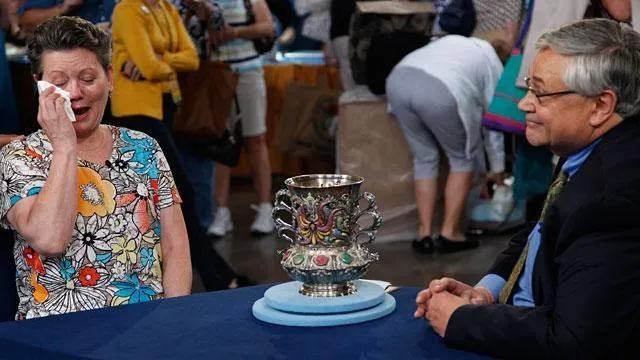
episode
Madison, Hour 2
Roadshow investigates a shocking heist from the Wisconsin Historical Society.

episode
Vintage Madison 2024, Hour 2
Roadshow revisits one-of-a-kind Wisconsin wonders including one worth $77,000 to $123,000!
Shell
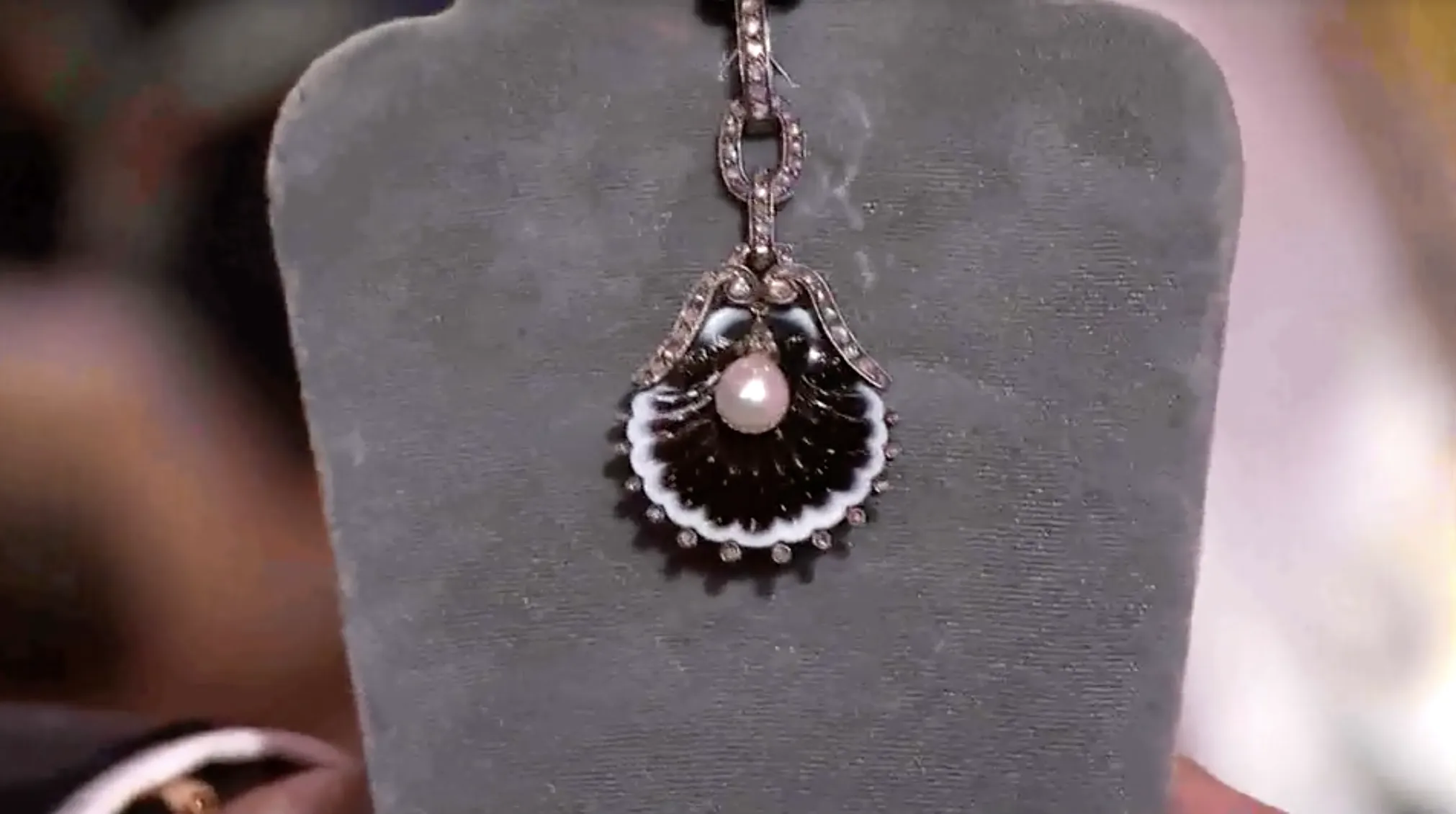
appraisal
Pendant Jewelry by Faberge from 1880
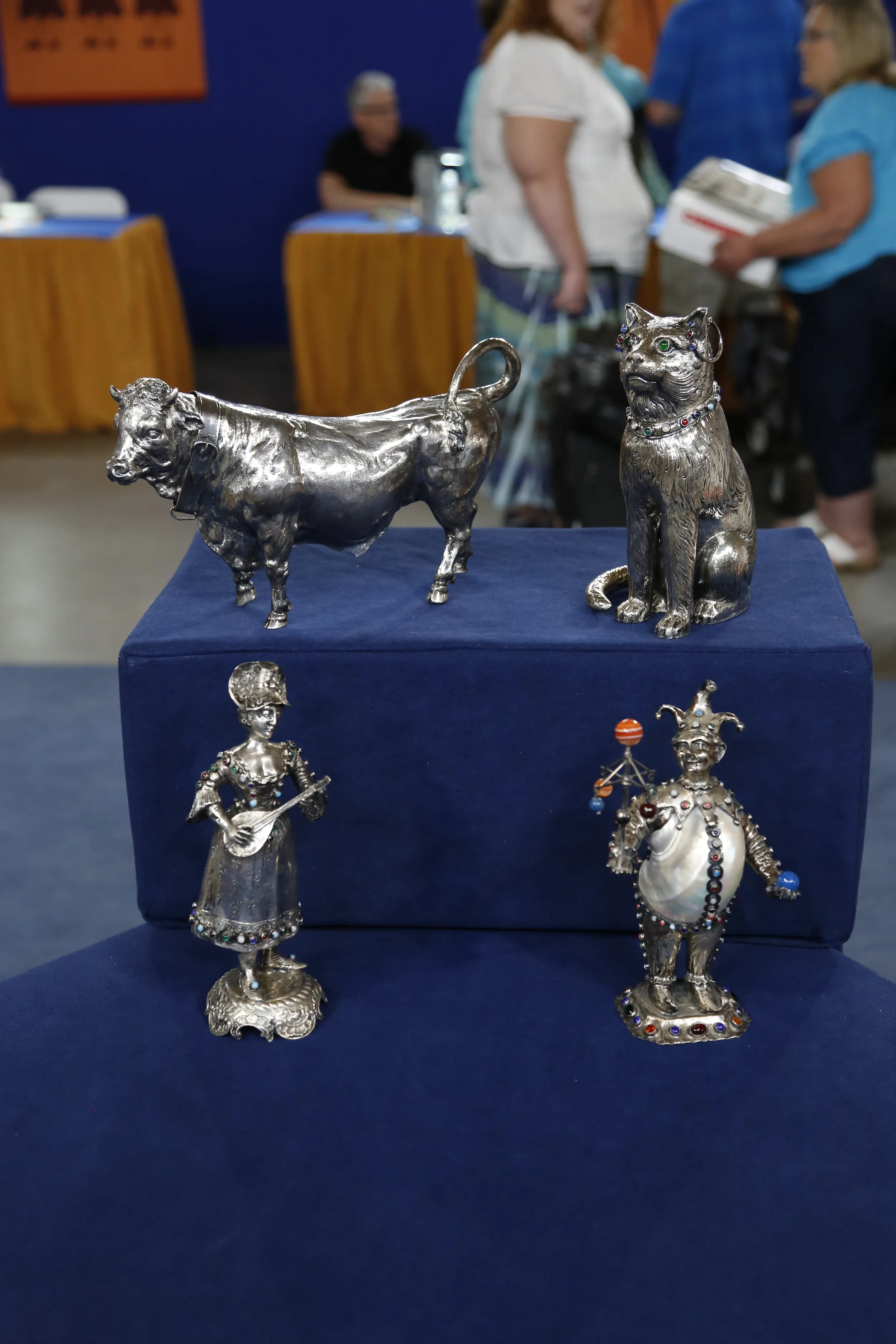
appraisal
Late 19th C. European Silver Figurines

appraisal
19th C. Shell-encrusted Casket

appraisal
Understanding Our Appraisals
Executive producer Marsha Bemko shares her tips for getting the most out of ANTIQUES ROADSHOW.
Value can change: The value of an item is dependent upon many things, including the condition of the object itself, trends in the market for that kind of object, and the location where the item will be sold. These are just some of the reasons why the answer to the question "What's it worth?" is so often "It depends."
Note the date: Take note of the date the appraisal was recorded. This information appears in the upper left corner of the page, with the label "Appraised On." Values change over time according to market forces, so the current value of the item could be higher, lower, or the same as when our expert first appraised it.
Context is key: Listen carefully. Most of our experts will give appraisal values in context. For example, you'll often hear them say what an item is worth "at auction," or "retail," or "for insurance purposes" (replacement value). Retail prices are different from wholesale prices. Often an auctioneer will talk about what she knows best: the auction market. A shop owner will usually talk about what he knows best: the retail price he'd place on the object in his shop. And though there are no hard and fast rules, an object's auction price can often be half its retail value; yet for other objects, an auction price could be higher than retail. As a rule, however, retail and insurance/replacement values are about the same.
Verbal approximations: The values given by the experts on ANTIQUES ROADSHOW are considered "verbal approximations of value." Technically, an "appraisal" is a legal document, generally for insurance purposes, written by a qualified expert and paid for by the owner of the item. An appraisal usually involves an extensive amount of research to establish authenticity, provenance, composition, method of construction, and other important attributes of a particular object.
Opinion of value: As with all appraisals, the verbal approximations of value given at ROADSHOW events are our experts' opinions formed from their knowledge of antiques and collectibles, market trends, and other factors. Although our valuations are based on research and experience, opinions can, and sometimes do, vary among experts.
Appraiser affiliations: Finally, the affiliation of the appraiser may have changed since the appraisal was recorded. To see current contact information for an appraiser in the ROADSHOW Archive, click on the link below the appraiser's picture. Our Appraiser Index also contains a complete list of active ROADSHOW appraisers and their contact details and biographies.


