Ansonia Clock Co. "Fortuna" Clock, ca. 1900
GUEST: This clock is, as far as I know, at least 50 years old. I first saw it in 1968. My first wife's grandmother owned it. She always referred to it as "my Russian clock."
APPRAISER: How long have you owned it?
GUEST: Oh, I've had it over 40 years.
APPRAISER: 40 years. Yeah?
GUEST: Yeah.
APPRAISER: And have you ever seen it working?
GUEST: No. I have not.
APPRAISER: It's actually an American clock. It was made by the Ansonia Clock Company in Brooklyn, New York. Common versions look like buildings. This would be more of their fancier version, for sure. Uh, much more complex in this design. The Ansonia Clock Company made a line that they called Swingers. And it gets its name because when this clock's operating, this pendulum moves back and forth like that. Now, you say that it's not working, but I understand that you don't have a key to wind it.
GUEST: No.
APPRAISER: And I bet you if you wound this, it would actually operate. This particular figure is Fortuna, goddess of fortune. And she's one of a series that Ansonia made. She is the largest of the group and features the larger ball, four-and-a-half-inch ball, and she was made circa 1900. The mechanism is actually enclosed in there. Some people call these mystery clocks because the mystery is how does it actually work if it's moving back and forth? It's a fantastic example. The statue itself is a combination of bronze and there's probably some white metal. It has a patinated finish on it, which is in very good condition. The ball is-- are brass. This is actually the original color here. This one's been cleaned off. This is the hand that belongs on the face and it has been broken. This is not a big deal in terms of restoration.
GUEST: Oh, that's good. That's good news.
APPRAISER: In today's market, this clock would probably sell somewhere, uh, in a retail setting, in the $3,500 price range, but because it needs a little bit of work, the wholesale price for, uh, something like this in an auction setting or at a wholesale setting in a shop, uh, would probably be in the, closer to the $2,500 price range.
GUEST: Oh, that's excellent, that's excellent. Now that you've got... told me that it would be easy to fix, I'll have it taken care of and put it back on the shelf and display it proudly.

$2,500 Retail
Featured In

episode
Junk in the Trunk 14
Watch newly revealed treasures from all five stops of ROADSHOW's Season 29 Tour!
20th Century
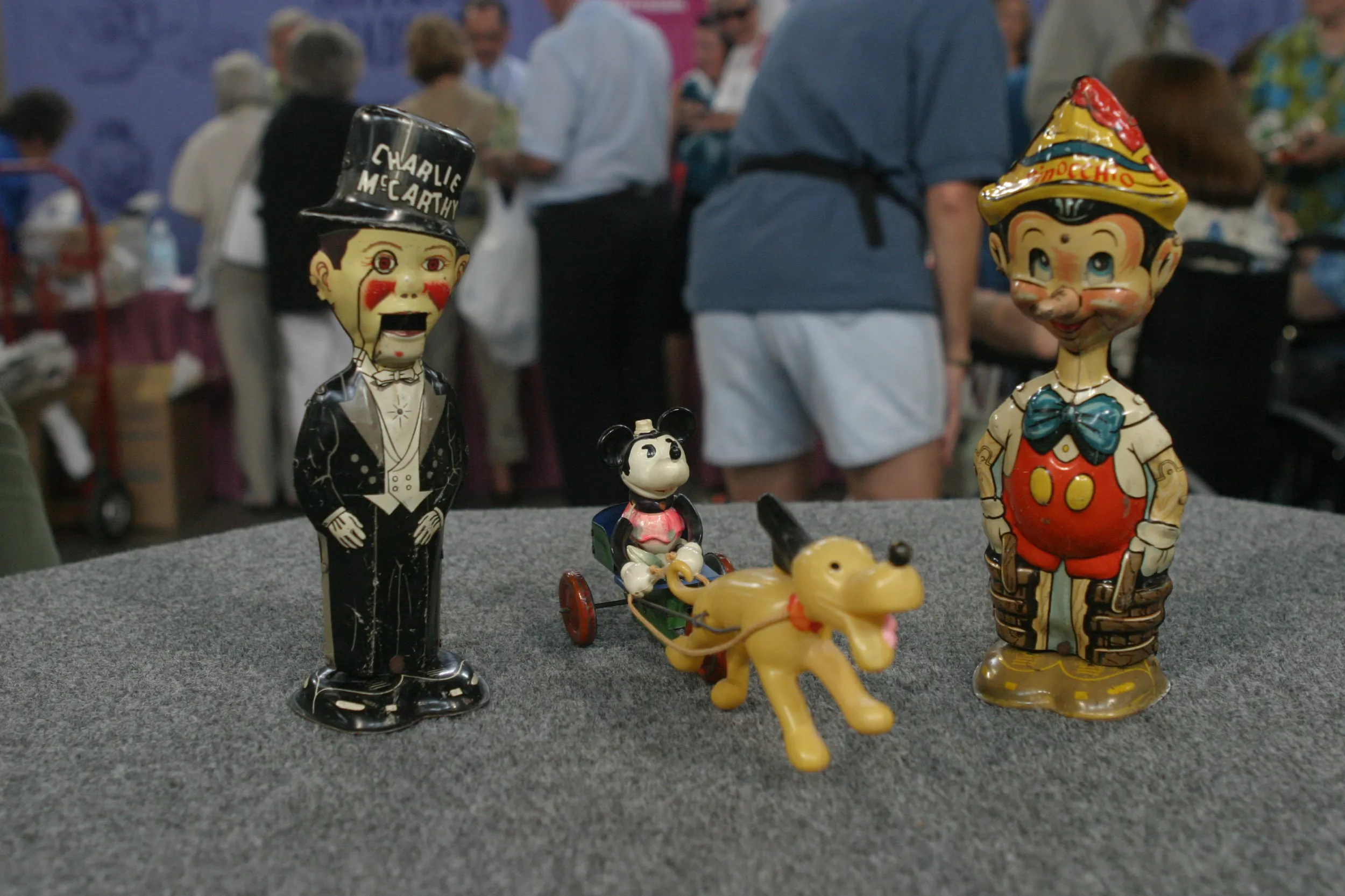
appraisal
Comic Wind-up Toys, ca. 1930
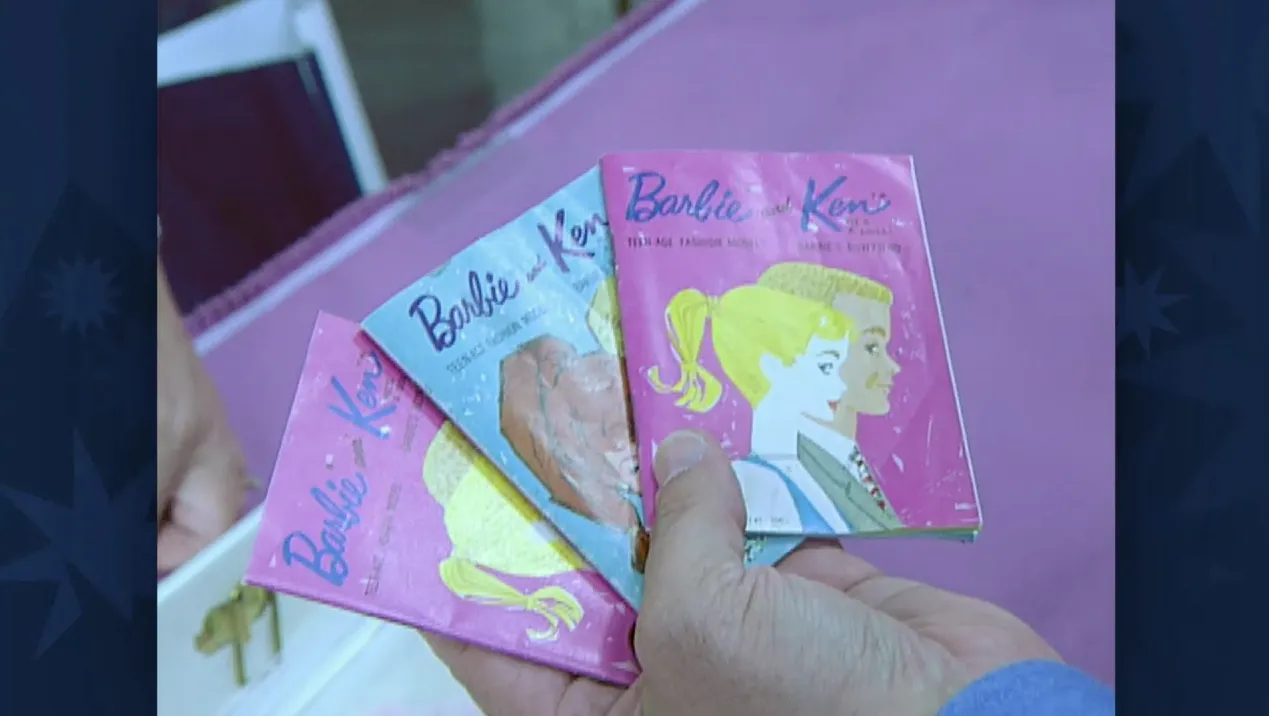
appraisal
Barbie Accessories & Case, ca. 1960
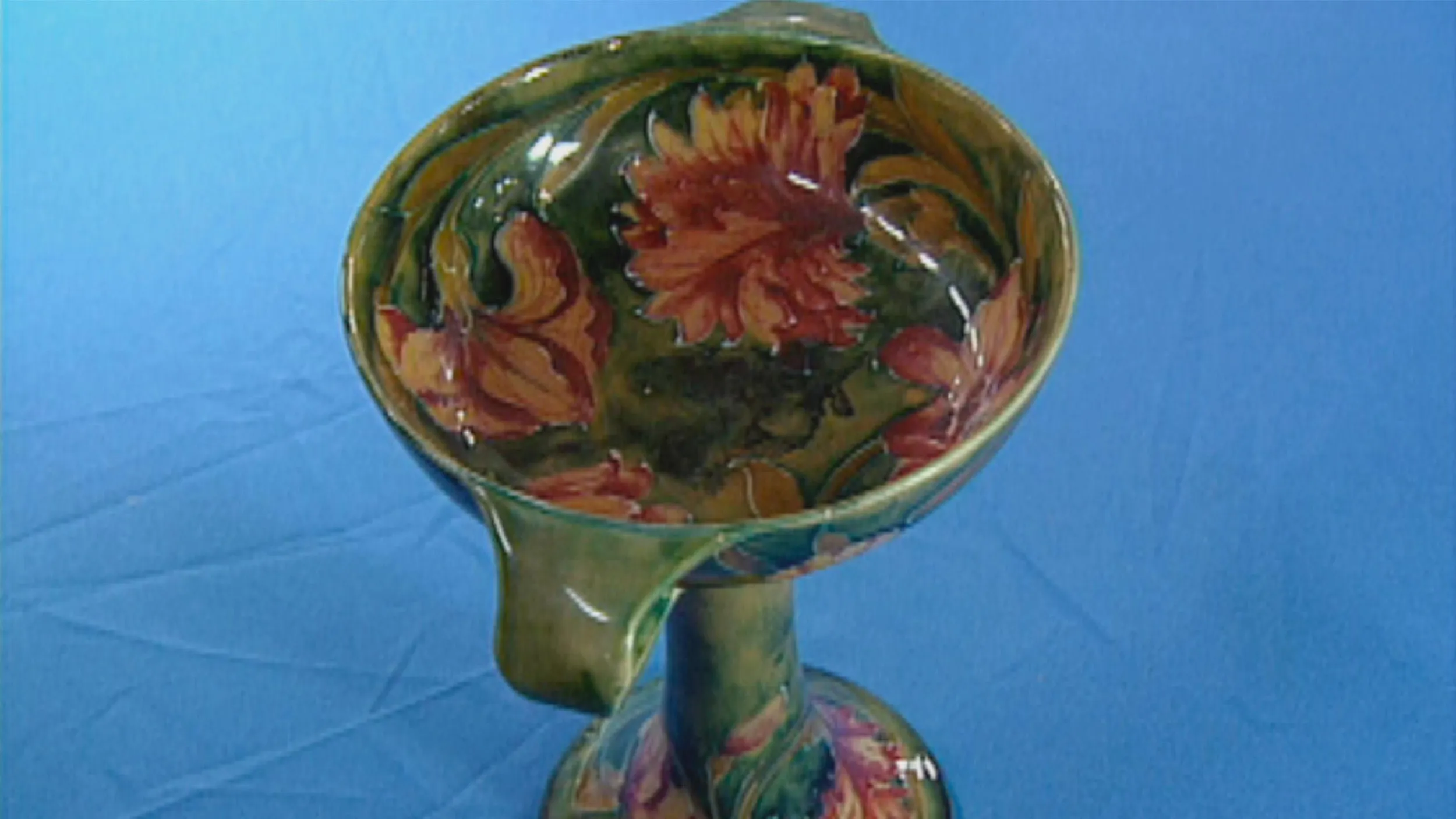
appraisal
William Moorcroft Pottery, ca. 1910
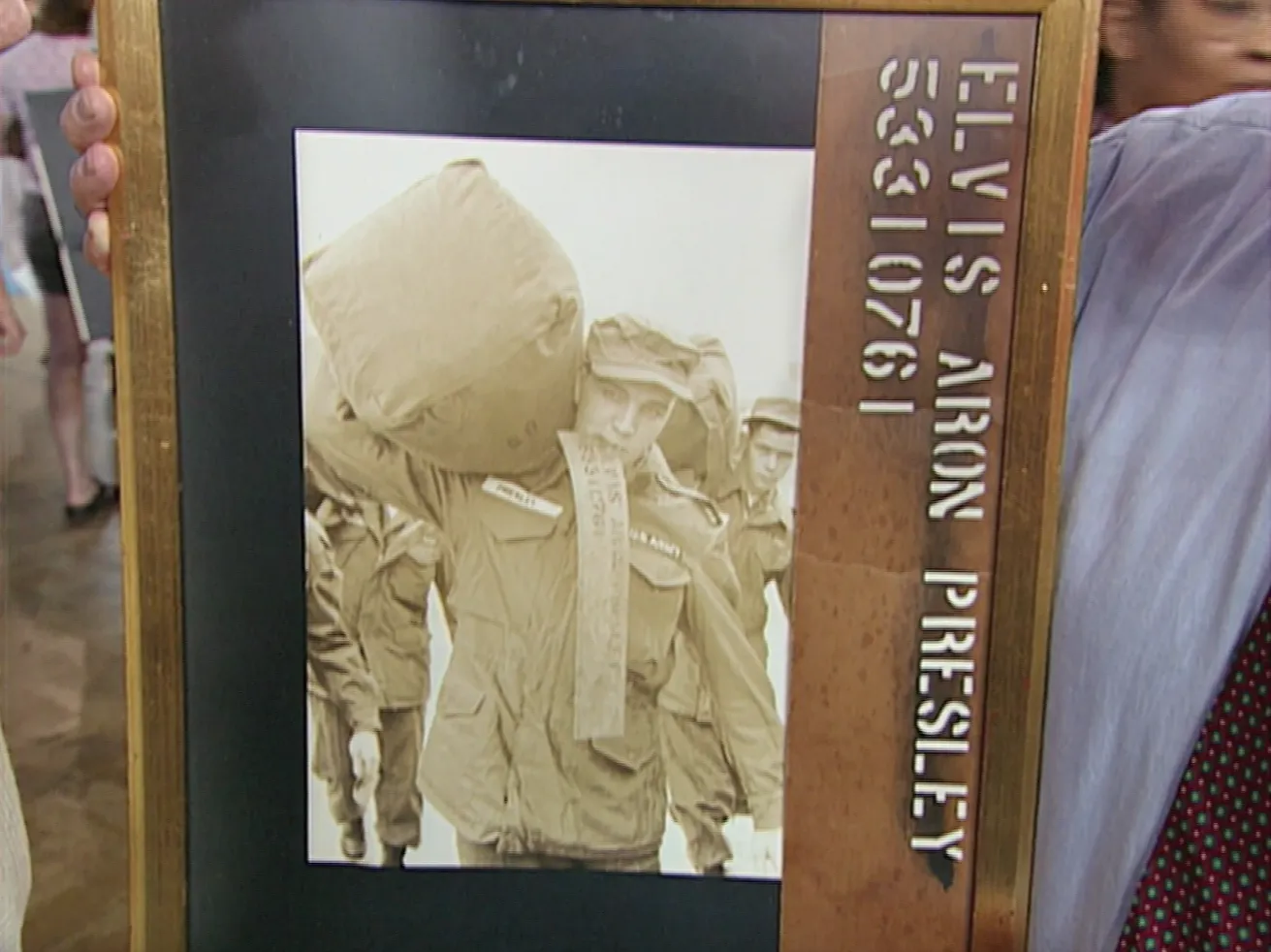
appraisal
Understanding Our Appraisals
Executive producer Marsha Bemko shares her tips for getting the most out of ANTIQUES ROADSHOW.
Value can change: The value of an item is dependent upon many things, including the condition of the object itself, trends in the market for that kind of object, and the location where the item will be sold. These are just some of the reasons why the answer to the question "What's it worth?" is so often "It depends."
Note the date: Take note of the date the appraisal was recorded. This information appears in the upper left corner of the page, with the label "Appraised On." Values change over time according to market forces, so the current value of the item could be higher, lower, or the same as when our expert first appraised it.
Context is key: Listen carefully. Most of our experts will give appraisal values in context. For example, you'll often hear them say what an item is worth "at auction," or "retail," or "for insurance purposes" (replacement value). Retail prices are different from wholesale prices. Often an auctioneer will talk about what she knows best: the auction market. A shop owner will usually talk about what he knows best: the retail price he'd place on the object in his shop. And though there are no hard and fast rules, an object's auction price can often be half its retail value; yet for other objects, an auction price could be higher than retail. As a rule, however, retail and insurance/replacement values are about the same.
Verbal approximations: The values given by the experts on ANTIQUES ROADSHOW are considered "verbal approximations of value." Technically, an "appraisal" is a legal document, generally for insurance purposes, written by a qualified expert and paid for by the owner of the item. An appraisal usually involves an extensive amount of research to establish authenticity, provenance, composition, method of construction, and other important attributes of a particular object.
Opinion of value: As with all appraisals, the verbal approximations of value given at ROADSHOW events are our experts' opinions formed from their knowledge of antiques and collectibles, market trends, and other factors. Although our valuations are based on research and experience, opinions can, and sometimes do, vary among experts.
Appraiser affiliations: Finally, the affiliation of the appraiser may have changed since the appraisal was recorded. To see current contact information for an appraiser in the ROADSHOW Archive, click on the link below the appraiser's picture. Our Appraiser Index also contains a complete list of active ROADSHOW appraisers and their contact details and biographies.


