Andrew Clemens Sand Art Bottle, ca. 1885
GUEST: It's hard to say where I got it. It was at least 30 years ago. I'd go to estate sales sometimes. I bought items in, um, boxes, or just a whole bunch of stuff on a table. But I, I saw that was special to some degree, so I kept her. (chuckles)
APPRAISER: We know this artist. Definitely is by Andrew Clemens, who was from McGregor, Iowa.
GUEST: Wonderful.
APPRAISER: And he had a disease as a child that caused him to lose his hearing. So he went to the Iowa School for the Deaf and probably learned the basics of doing something like this there. But he took it to another level, and he's become very well-known, much more well-known than he was in his lifetime. He only lived to 37. Born 1857, died in 1894. Most of the time, he put pre-printed labels on the bottom of 'em, and it probably had a paper label on it at one time. He perfected the art of harvesting the limestone off the walls near the Mississippi.
GUEST: Amazing.
APPRAISER: He... And he and his brother would pick things for certain colors, and then they would grind 'em up to a fine powder. And every bit of that is done by compaction. He did these in different sizes in pharmacy or apothecary bottles. This is the smallest size. He did 'em up to about ten inches. And you could actually order one that had your name on it, or a date, or... He put eagles and locomotives and all kinds of stuff on there. But what makes this an Andrew Clemens bottle? First of all, it's the precision. To me...
GUEST: It's amazing.
APPRAISER: Yeah, he-- some of the bottles...
GUEST: I can't even imagine how he could do that.
APPRAISER: Well, and that's why people love 'em so much. He would pack it in there so tight with so much great detail-- he even shipped 'em. This geometric stuff, like you see along the bottom and the top, and the flowers, were one of the things that he started doing pretty early on. I think the cool thing about this is the sailing scene.
GUEST: Oh, that is neat.
APPRAISER: And we know that this one is probably from the 1880s, 'cause by that time, he had developed the technique of doing these nice floral scenes and the scene with his little sailing boats on the back of it. I talked to my buddies at the folk art table, and we're very comfortable with this being in a retail range of $25,000 to $30,000.
GUEST: Ooh, wow. (laughs) (laughing) I'm thinking again about that selling... No, I'm not. (chuckles) Maybe-- I, that's a lot of money. That's great.

$25,000 - $30,000 Retail
Featured In

episode
Grant's Farm, Hour 1
Meet us in St. Louis as ROADSHOW discovers midwest treasures at Grant’s Farm! — Mon, April 27, 2026
Gems and Minerals
appraisal
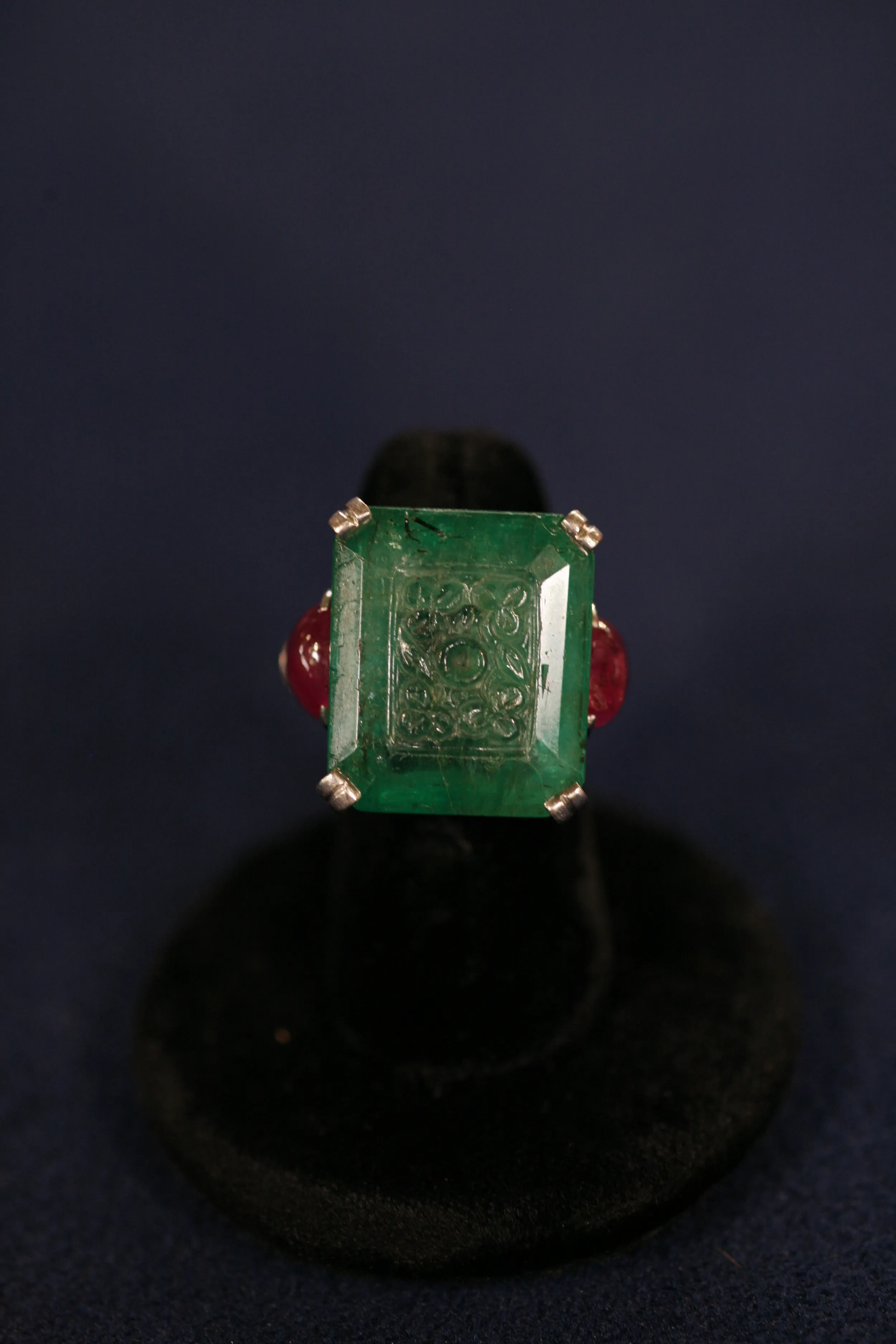
Carved Emerald & Ruby Ring, ca. 1925
appraisal
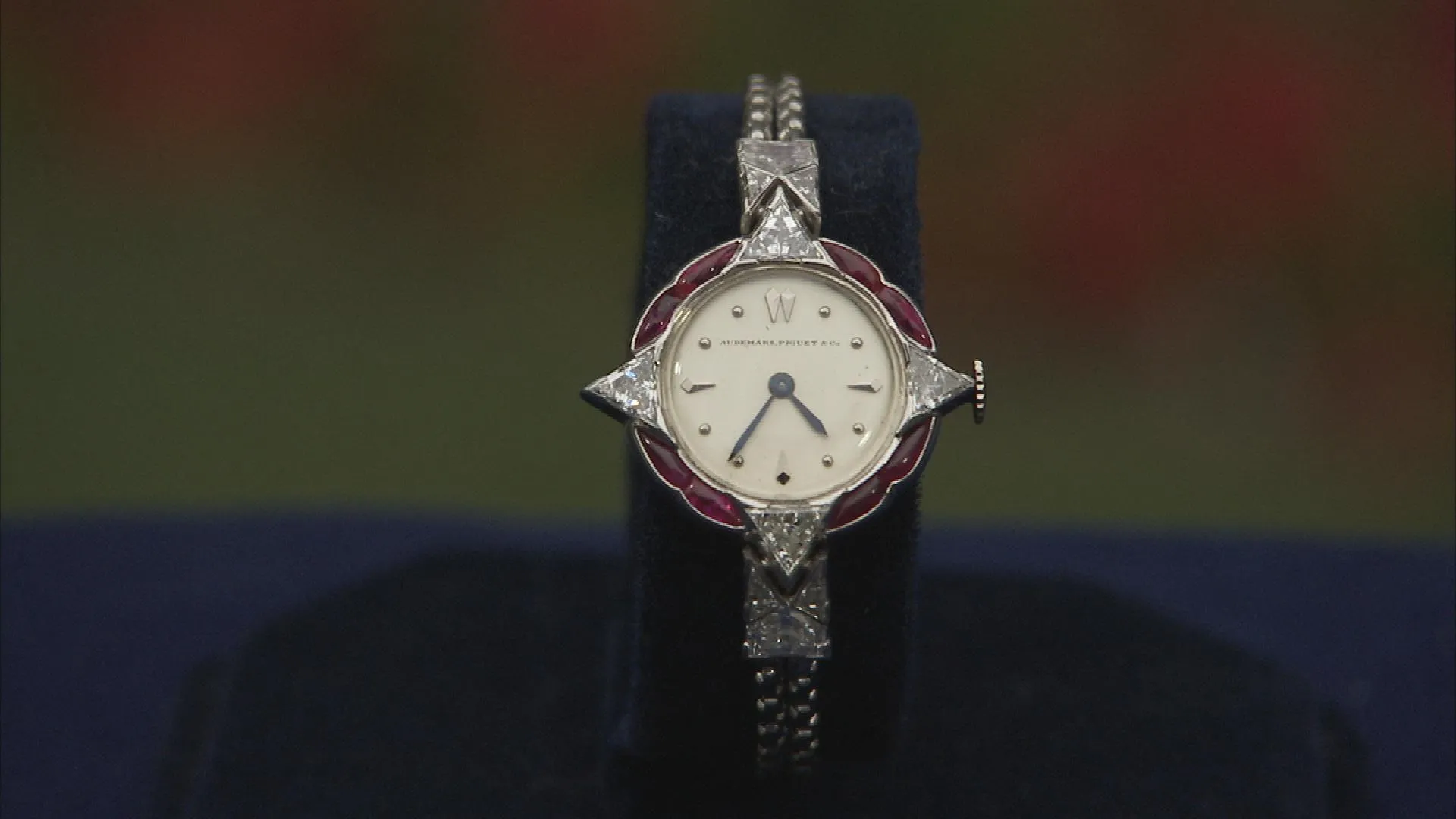
Audemars Piguet Watch, ca. 1940
appraisal
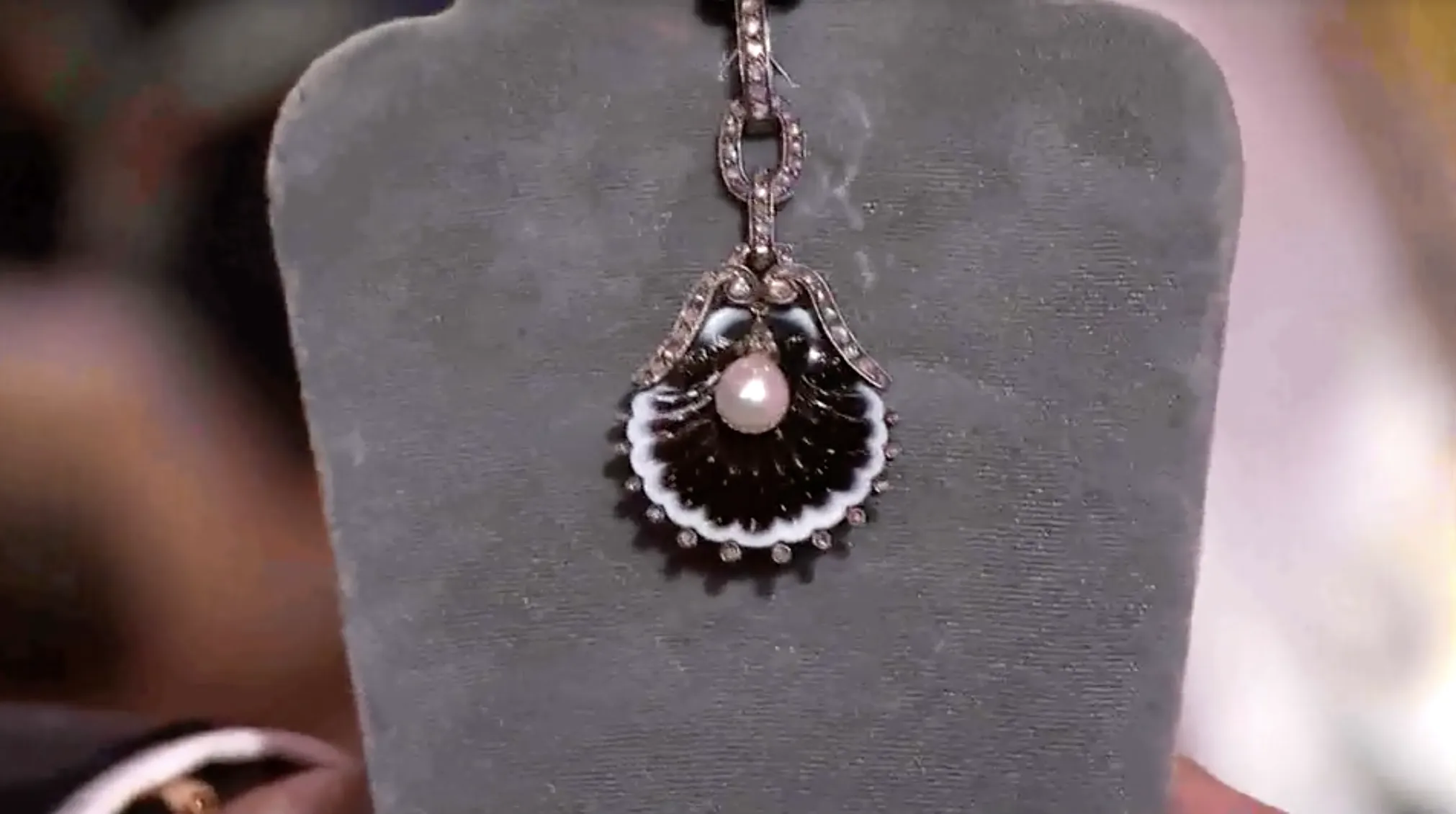
Pendant Jewelry by Faberge from 1880
appraisal
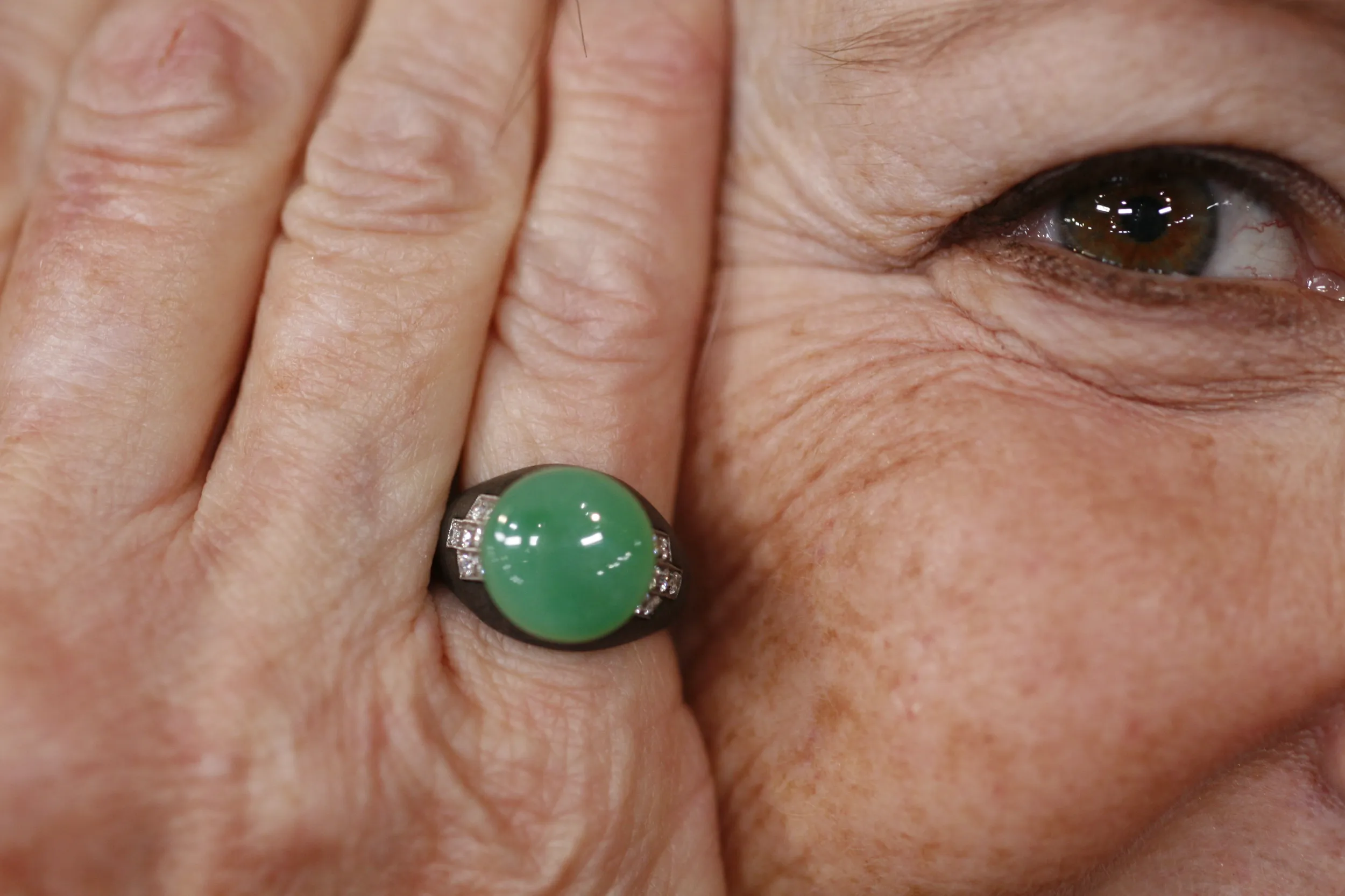
Marsh Steel, Jade & Diamond Ring, ca. 1950
Understanding Our Appraisals
Executive producer Marsha Bemko shares her tips for getting the most out of ANTIQUES ROADSHOW.
Value can change: The value of an item is dependent upon many things, including the condition of the object itself, trends in the market for that kind of object, and the location where the item will be sold. These are just some of the reasons why the answer to the question "What's it worth?" is so often "It depends."
Note the date: Take note of the date the appraisal was recorded. This information appears in the upper left corner of the page, with the label "Appraised On." Values change over time according to market forces, so the current value of the item could be higher, lower, or the same as when our expert first appraised it.
Context is key: Listen carefully. Most of our experts will give appraisal values in context. For example, you'll often hear them say what an item is worth "at auction," or "retail," or "for insurance purposes" (replacement value). Retail prices are different from wholesale prices. Often an auctioneer will talk about what she knows best: the auction market. A shop owner will usually talk about what he knows best: the retail price he'd place on the object in his shop. And though there are no hard and fast rules, an object's auction price can often be half its retail value; yet for other objects, an auction price could be higher than retail. As a rule, however, retail and insurance/replacement values are about the same.
Verbal approximations: The values given by the experts on ANTIQUES ROADSHOW are considered "verbal approximations of value." Technically, an "appraisal" is a legal document, generally for insurance purposes, written by a qualified expert and paid for by the owner of the item. An appraisal usually involves an extensive amount of research to establish authenticity, provenance, composition, method of construction, and other important attributes of a particular object.
Opinion of value: As with all appraisals, the verbal approximations of value given at ROADSHOW events are our experts' opinions formed from their knowledge of antiques and collectibles, market trends, and other factors. Although our valuations are based on research and experience, opinions can, and sometimes do, vary among experts.
Appraiser affiliations: Finally, the affiliation of the appraiser may have changed since the appraisal was recorded. To see current contact information for an appraiser in the ROADSHOW Archive, click on the link below the appraiser's picture. Our Appraiser Index also contains a complete list of active ROADSHOW appraisers and their contact details and biographies.


