Al Stohlman Tooled Leatherwork Picture
GUEST: So this is a leather picture of a horse that was made, um, by Al Stohlman. And my great-grandfather started working with leather, and he realized there were no good tools. So, he created some leather-working tools in partnership with Al Stohlman. And they kind of went around and toured and taught people how to use the leather tools.
APPRAISER: Al Stohlman is considered to be one of the pioneers or the godfather...
GUEST: Mm-hmm.
APPRAISER: …of leathercraft tooling. He's born in California. As a kid, he-he likes drawing pictures of the Pacific Northwest animals.
GUEST: Mm-hmm.
APPRAISER: World War II is about to happen, he signs up for the Army, and he's sent overseas to the South Pacific...
GUEST: Oh.
APPRAISER: …and is in New Guinea,
GUEST: Okay.
APPRAISER: …and sees locals that are using leather as artistry...
GUEST: Oh…
APPRAISER: …and really became interested in it.
GUEST: Uh-huh.
APPRAISER: And he comes back after about 40 months, moves to California...
GUEST: Mm-hmm.
APPRAISER: …and ends up living in a chicken coop, taking care of horses.
GUEST: (chuckles)
APPRAISER: And as a means to try and generate money, he's taken this newfound skill in tooling leather and takes plain saddles, starts embellishing them and dressing them up with his fine tooling...
GUEST: Okay.
APPRAISER: …selling them at auction to make a profit.
GUEST: Mm-hmm.
APPRAISER: It’s widely recorded that in 1952, he created a massive leatherwork picture of a palomino horse that caught the eye...
GUEST: (chuckling)
APPRAISER: …of the owner of the craft tool company.
GUEST: Uh-huh, okay.
APPRAISER: And the owner, which is your great-grandfather?
GUEST: Correct, yes.
APPRAISER: Was so impressed that he hired Al Stohlman...
GUEST: Uh-huh.
APPRAISER: …to work in partnership with him to create leathercrafting tools...
GUEST: Uh-huh.
APPRAISER: And to write articles and publications about leathercraft. Now, I wonder if this is the 1952 picture that's referred to of the palomino horse with the decorative saddle.
GUEST: (laughing): Sure looks like it.
APPRAISER: What he did was he created these fantastic tools. If I put it up to here, you can see the type of marking it leaves on the leather.
GUEST: Oh, yeah. Mm-hmm.
APPRAISER: Here’s a perfect example of a crescent shape. And if I take this, and I were to apply pressure to the leaves...
GUEST: Mm-hmm.
$30,000 Retail
$75,000 Insurance
Featured In

episode
Red Butte Garden & Arboretum, Hour 3
Premiered Mon, Jan 19, 2026 — See a bounty of Utah treasures from ROADSHOW’s visit to Red Butte Garden & Arboretum!
Animal Hide
appraisal
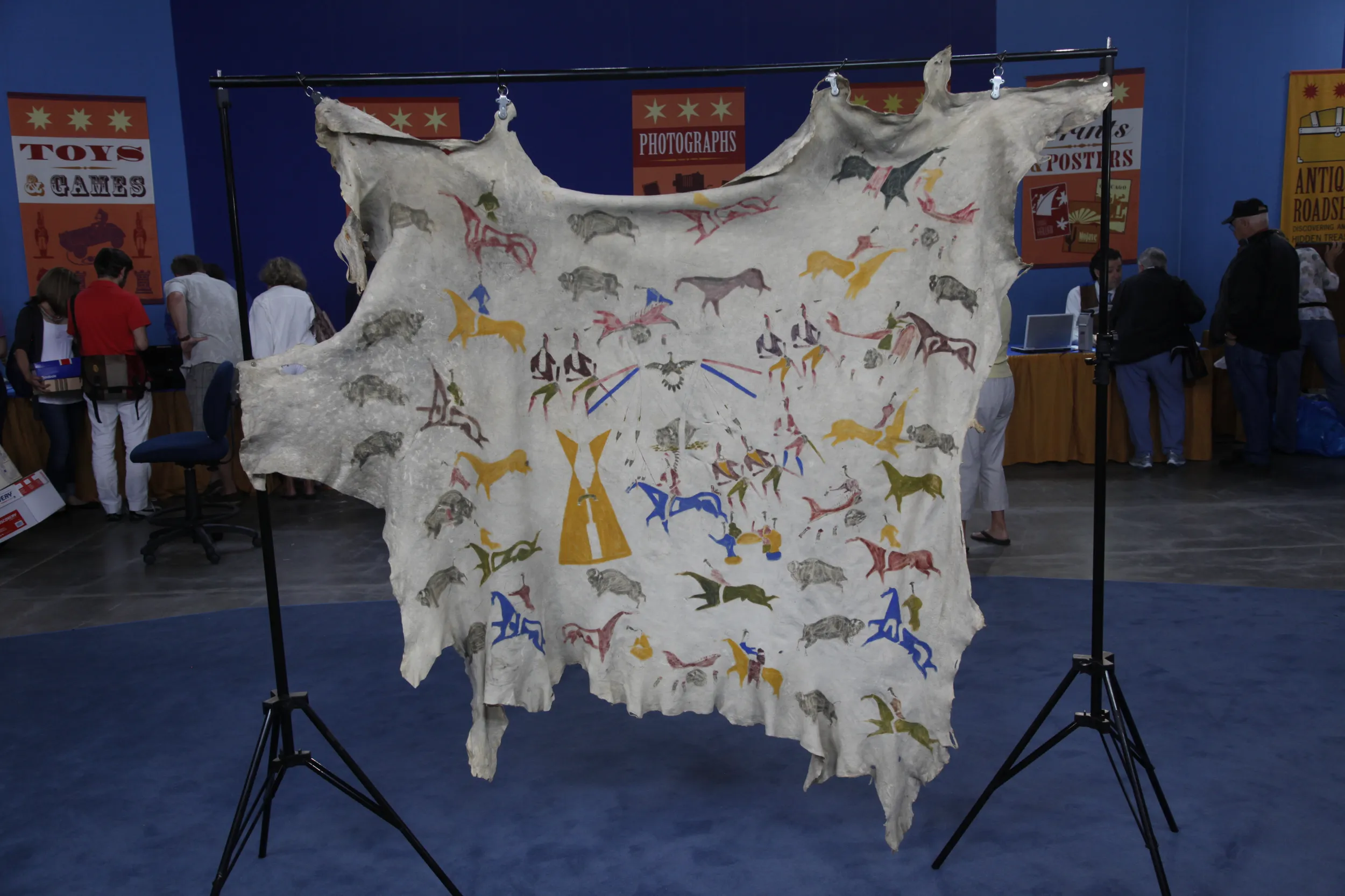
Shoshone Painted Elk Hide, ca. 1895
appraisal
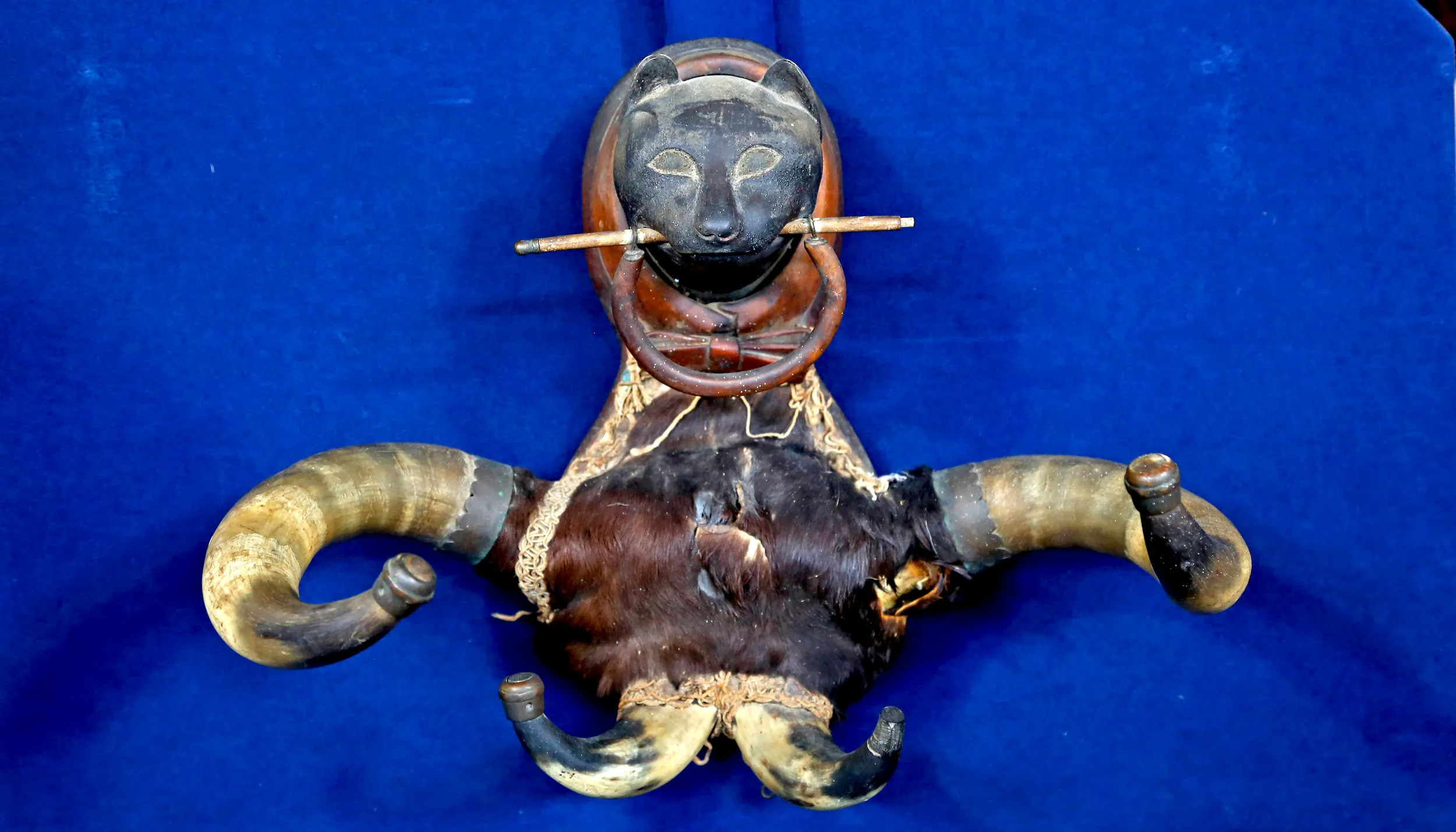
Folk Art Carved Hat Rack, ca. 1900

appraisal
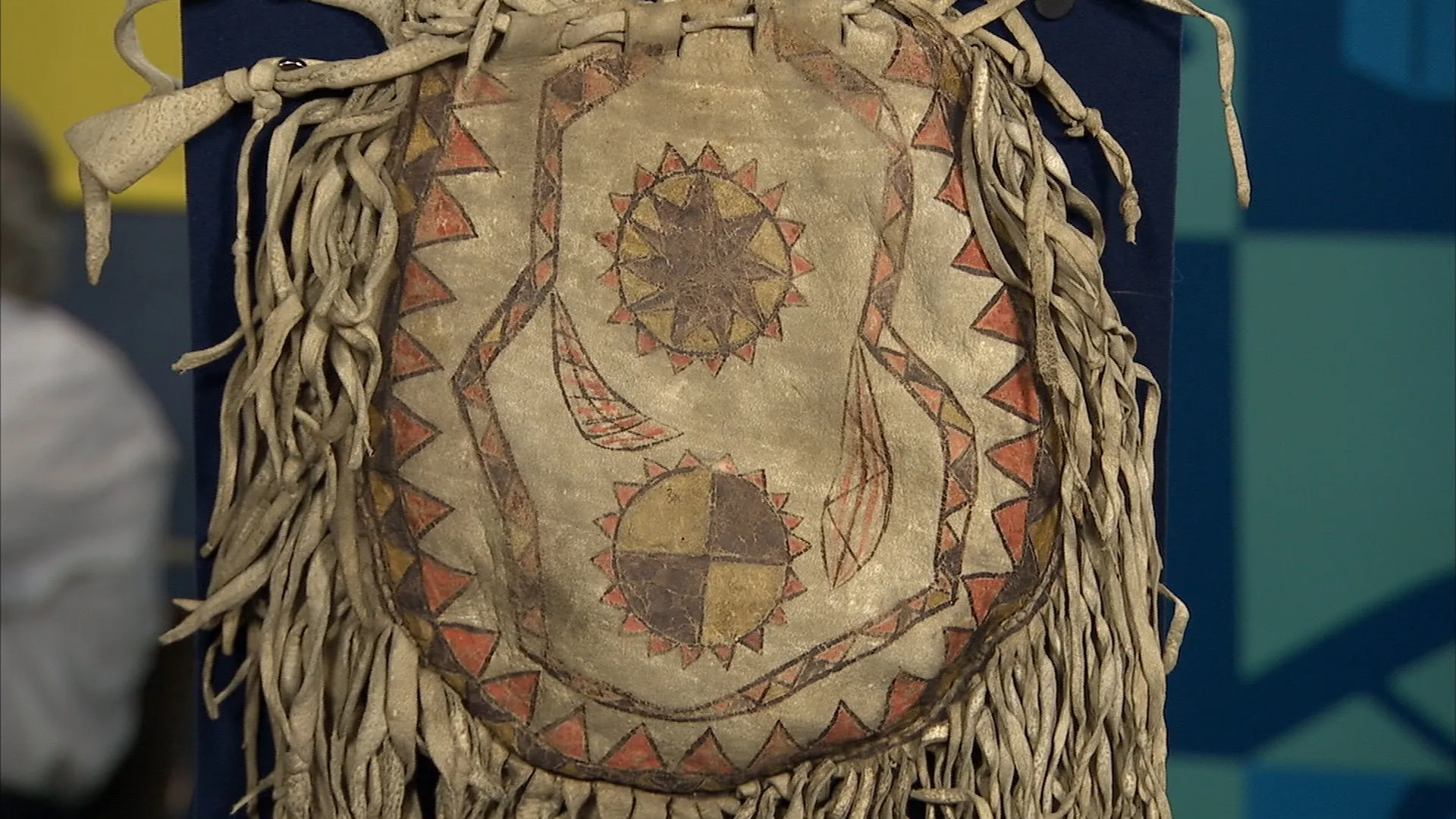
Plains Beaded Hide Pipe Bag & Garters, ca. 1880
appraisal
Understanding Our Appraisals
Executive producer Marsha Bemko shares her tips for getting the most out of ANTIQUES ROADSHOW.
Value can change: The value of an item is dependent upon many things, including the condition of the object itself, trends in the market for that kind of object, and the location where the item will be sold. These are just some of the reasons why the answer to the question "What's it worth?" is so often "It depends."
Note the date: Take note of the date the appraisal was recorded. This information appears in the upper left corner of the page, with the label "Appraised On." Values change over time according to market forces, so the current value of the item could be higher, lower, or the same as when our expert first appraised it.
Context is key: Listen carefully. Most of our experts will give appraisal values in context. For example, you'll often hear them say what an item is worth "at auction," or "retail," or "for insurance purposes" (replacement value). Retail prices are different from wholesale prices. Often an auctioneer will talk about what she knows best: the auction market. A shop owner will usually talk about what he knows best: the retail price he'd place on the object in his shop. And though there are no hard and fast rules, an object's auction price can often be half its retail value; yet for other objects, an auction price could be higher than retail. As a rule, however, retail and insurance/replacement values are about the same.
Verbal approximations: The values given by the experts on ANTIQUES ROADSHOW are considered "verbal approximations of value." Technically, an "appraisal" is a legal document, generally for insurance purposes, written by a qualified expert and paid for by the owner of the item. An appraisal usually involves an extensive amount of research to establish authenticity, provenance, composition, method of construction, and other important attributes of a particular object.
Opinion of value: As with all appraisals, the verbal approximations of value given at ROADSHOW events are our experts' opinions formed from their knowledge of antiques and collectibles, market trends, and other factors. Although our valuations are based on research and experience, opinions can, and sometimes do, vary among experts.
Appraiser affiliations: Finally, the affiliation of the appraiser may have changed since the appraisal was recorded. To see current contact information for an appraiser in the ROADSHOW Archive, click on the link below the appraiser's picture. Our Appraiser Index also contains a complete list of active ROADSHOW appraisers and their contact details and biographies.


