19th C. Warner Teapot & Ledger
GUEST: This is the account book for Andrew Ellicott Warner, one of Baltimore's early silversmiths. And apparently, he kept in the shop a inventory. As people came into the shop and ordered things, he wrote it in the book. He also recorded the weight of the piece. And then when it was finished, he checked it off as being picked up and paid. The pot has descended in the family. And the family has said that it was Andrew Ellicott Warner's own teapot.
APPRAISER: In Baltimore during the time period of that 1810 to 1880 period, you had two prominent silversmiths. You had Kirk and you had Warner. This is all of the sales from 1839 to 1860 that the company A.E. Warner Silversmiths in Baltimore had done. Being able to see the actual copy of the sales book for Warner for a 20-some year period is, for a silver collector-- and I'm a crazed silver collector-- is-is ridiculous. Every last name of a prominent Baltimore family, a street, a county, is in there. The one I have open to is Charles Ridgely. The Ridgely family had Hampton, which was the largest home in the United States in the 18th century, and the father was the governor of Maryland. As it turns out, as we were looking through, I have the silver tea waiter, 189.5 ounces, for $473.12. And I have that in my own collection, that's listed in the book. So I was absolutely going crazy when I saw that there's the original sales journal for the Williams tea tray that's sitting in my dining room right now. The teapot is an Empire Rococo style. This is pre-1814, because in 1814, there was a law in Maryland. It was called the Assay Law, which meant that in Maryland, they would collect a duty or a tax on the amount of silver that the silversmiths used during that year.
GUEST: Mm-hmm.
APPRAISER: So the Empire Rococo period in Baltimore started probably in that 1810 to 1813 range, and then it became Assay. So the mark on here is a pre-Assay mark. It's beautifully done. You've got the serpent in the spout. The handle is also a serpent with tail, and there are ivory joints to insulate it so that it would be not super hot if somebody was touching it. Because of the age of the piece and the fact that the ivory has that yellow hue and has very old striated cracks, this would have no problem with the post-banned ivory issue that exists today. This is 150-year-old ivory or so. The pot being, by descendant in the Warner family, to any Baltimore silver collector, and there are quite a few, wo-- this would be a crown jewel for most people's pre-Assay collection, and having a-a family pot would be pretty valuable. This would probably sell at retail in the $3,500 to $4,000 price range.
GUEST: Okay.
APPRAISER: The sales book, all the information about all the items, the weight of the item, the date that it started, the date that it finished, what it cost in 1840 or 1850...
GUEST: Right.
APPRAISER: ...is just invaluable to silver collectors. I conferred with another colleague, and we came up with a price of somewhere between $8,000 to $10,000 for the book.
GUEST: Wow.
APPRAISER: Um, for a collector like myself, this is like heaven. I'm-- I was thrilled to see it.
GUEST: So pleased you could enjoy it. (laughs)

$11,500 - $14,000 Retail
Featured In

episode
Junk in the Trunk 14
Watch newly revealed treasures from all five stops of ROADSHOW's Season 29 Tour!
Appraisal Extras
article
Overview of Current Ivory Law
Federal regulations governing the trade and ownership of elephant ivory and other animal-derived objects are under constant review and subject to change at any time. This page offers an overview of regulations, but you should consult the website of the U.S. Fish & Wildlife Service for the most up-to-date information on these topics.
Tableware
appraisal
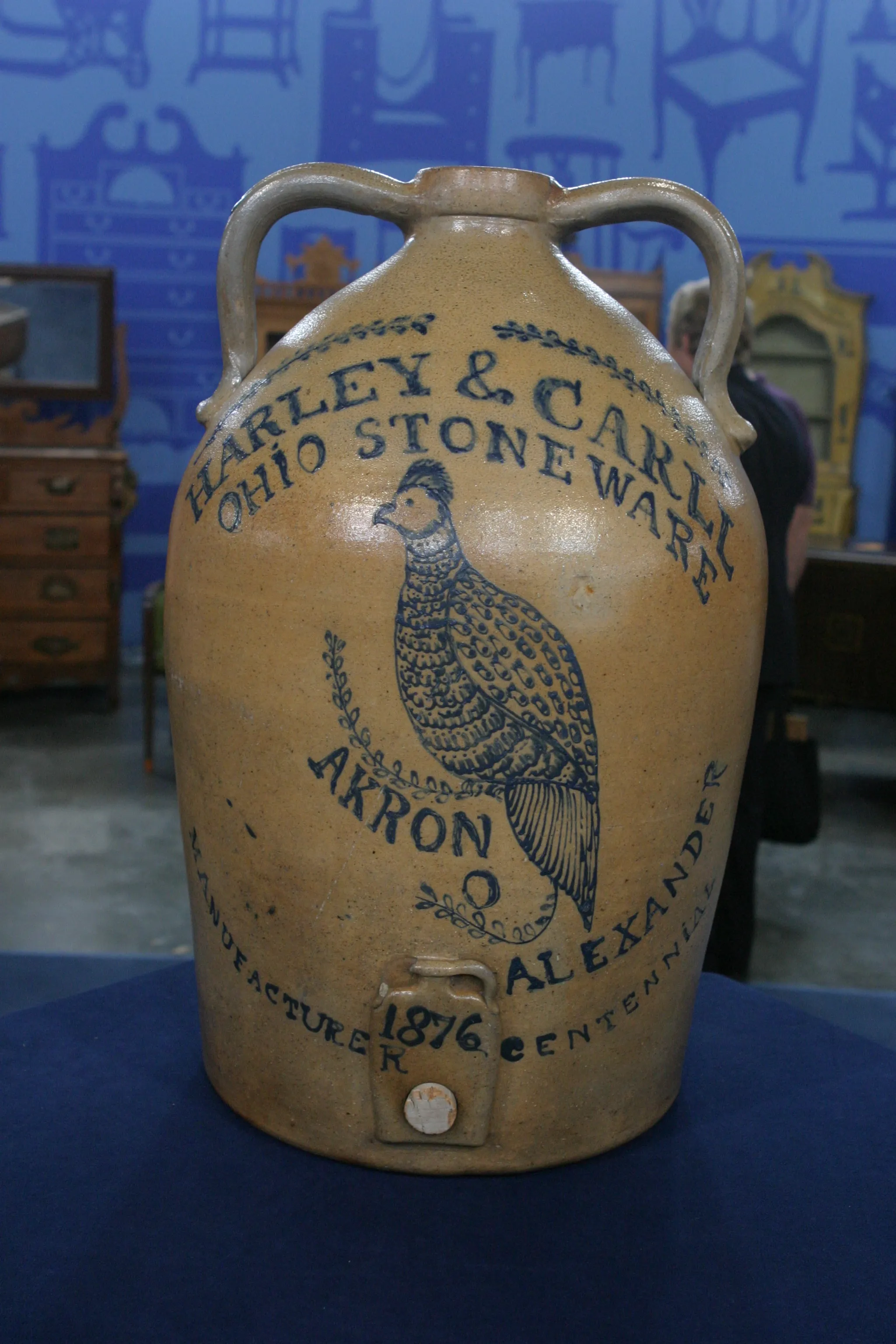
1876 John Alexander Stoneware Cooler
appraisal
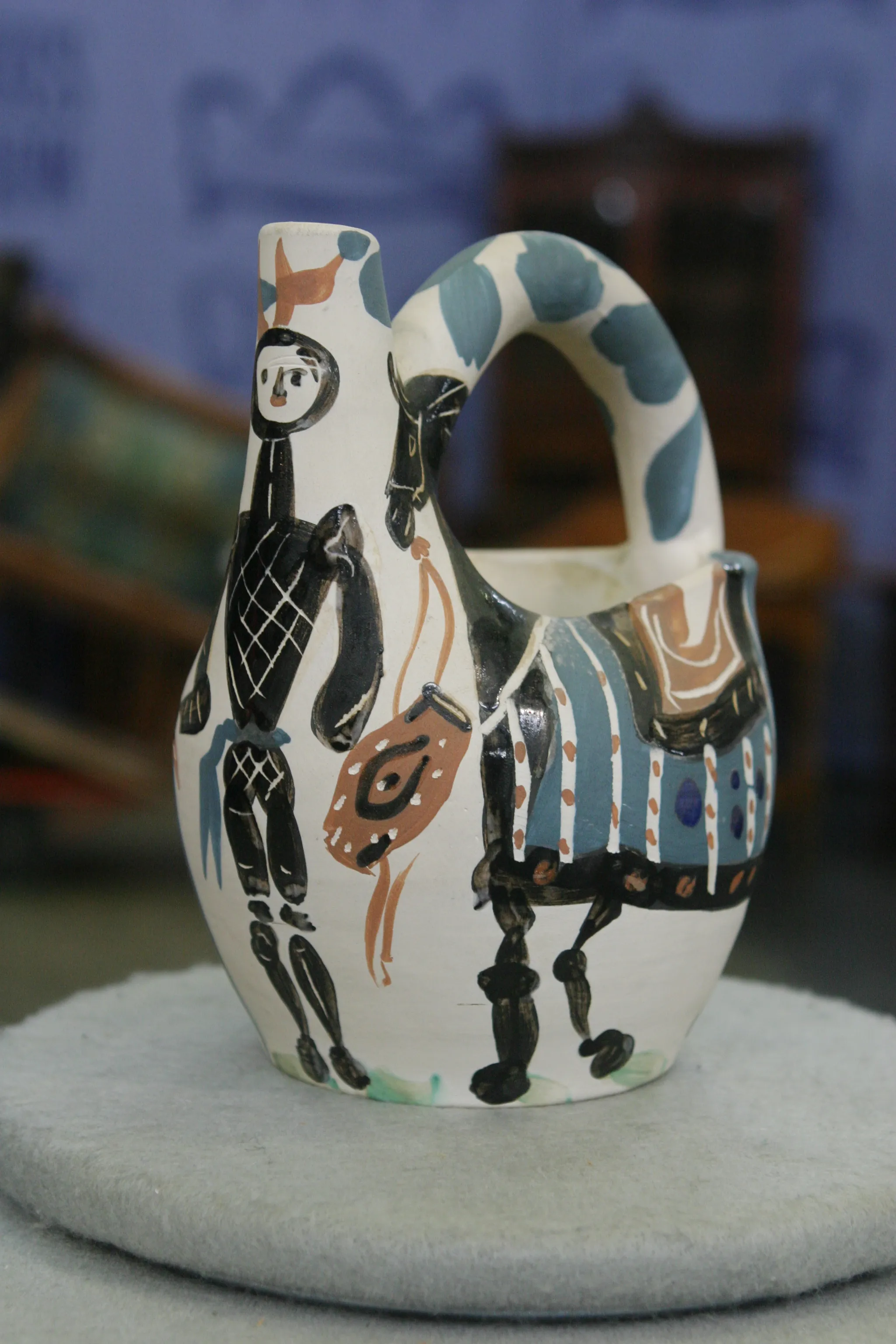
1952 Picasso Madoura Ceramic Jug

appraisal
appraisal
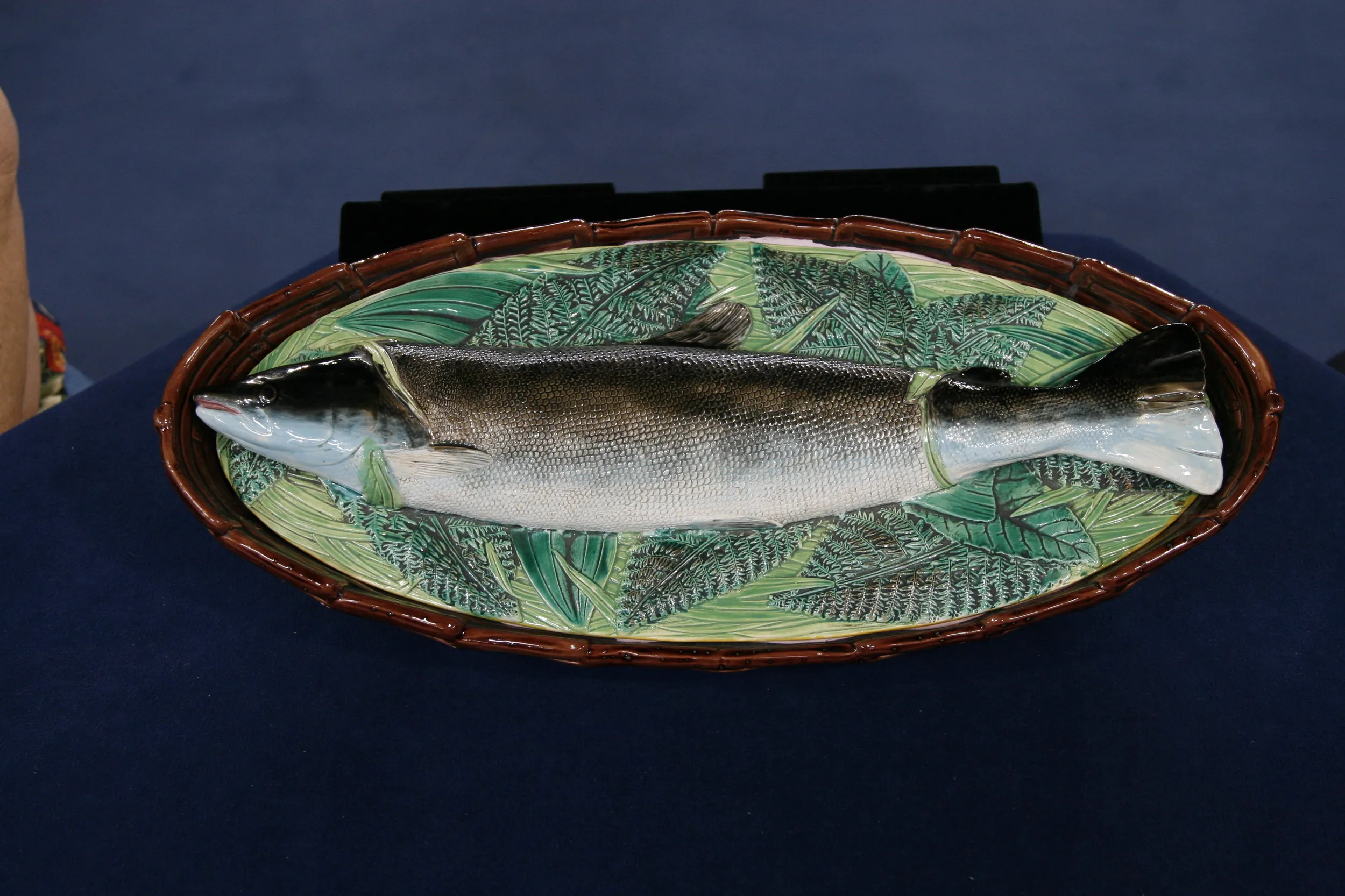
Majolica Fish Tureen attributed to George Jones & Sons, ca. 1870
Understanding Our Appraisals
Executive producer Marsha Bemko shares her tips for getting the most out of ANTIQUES ROADSHOW.
Value can change: The value of an item is dependent upon many things, including the condition of the object itself, trends in the market for that kind of object, and the location where the item will be sold. These are just some of the reasons why the answer to the question "What's it worth?" is so often "It depends."
Note the date: Take note of the date the appraisal was recorded. This information appears in the upper left corner of the page, with the label "Appraised On." Values change over time according to market forces, so the current value of the item could be higher, lower, or the same as when our expert first appraised it.
Context is key: Listen carefully. Most of our experts will give appraisal values in context. For example, you'll often hear them say what an item is worth "at auction," or "retail," or "for insurance purposes" (replacement value). Retail prices are different from wholesale prices. Often an auctioneer will talk about what she knows best: the auction market. A shop owner will usually talk about what he knows best: the retail price he'd place on the object in his shop. And though there are no hard and fast rules, an object's auction price can often be half its retail value; yet for other objects, an auction price could be higher than retail. As a rule, however, retail and insurance/replacement values are about the same.
Verbal approximations: The values given by the experts on ANTIQUES ROADSHOW are considered "verbal approximations of value." Technically, an "appraisal" is a legal document, generally for insurance purposes, written by a qualified expert and paid for by the owner of the item. An appraisal usually involves an extensive amount of research to establish authenticity, provenance, composition, method of construction, and other important attributes of a particular object.
Opinion of value: As with all appraisals, the verbal approximations of value given at ROADSHOW events are our experts' opinions formed from their knowledge of antiques and collectibles, market trends, and other factors. Although our valuations are based on research and experience, opinions can, and sometimes do, vary among experts.
Appraiser affiliations: Finally, the affiliation of the appraiser may have changed since the appraisal was recorded. To see current contact information for an appraiser in the ROADSHOW Archive, click on the link below the appraiser's picture. Our Appraiser Index also contains a complete list of active ROADSHOW appraisers and their contact details and biographies.


