19th C. Jim Williams-owned Federal Hunt Board
GUEST: This is a mid-, early-, maybe 1900s hunt board. The unique thing about it is its provenance. It was once owned by the leading character in the novel and movie Midnight in the Garden of Good and Evil.
APPRAISER: Jim Williams, right?
GUEST: Yes, yes, exactly. I saw it online, I really liked it, and I needed an excuse to buy a Christmas present for my wife. So I thought, "What better way to get what I wanted, what she wants as well, so, uh..."
APPRAISER: I like the way you think.
GUEST: (laughs)
APPRAISER: That's pretty-- pretty awesome.
GUEST: Don't tell her that.
APPRAISER: And how long ago did you acquire it?
GUEST: Just this past year.
APPRAISER: Well, it's a great, great piece. I absolutely love it, and you're, you are correct-- It's a Federal, fancy painted, yellow pine hunt board. It's made in the southern states, and I would say it was probably made between 1810 and 1850. One of the characteristics that we can tell why it's Federal is this nice tapering leg. It's something that we start to see in the late 18th century and into the 19th century. And the paint decoration is so fabulous. It's just a rural interpretation of high-style urban furniture. So this cabinet maker has done an amazing job. He's painted this vibrant yellow and these wonderful compass-decorated pinwheels meant to simulate inlay. If you look on the side, they've got these green paint-decorated bottles. The glass knobs seem to be later 19th century...
GUEST: Mm-hmm.
APPRAISER: ...and I think the piece is a little earlier, so I suspect it probably had another wooden pull on it. When I take a step around to the back, you've got the James T. Cheek, which is likely the cabinet maker, because it's done in the same paint. It's got great form and function. It's wonderfully artistic, I just love the vibrant colors. And then you add the Jim Williams provenance to it, which is just fascinating. And if you're living in the Savannah area, you probably know that name because of "Midnight in the Garden of Good and Evil."
GUEST: Yup.
APPRAISER: He was the central character. In his 35 years he was in Savannah, it's reputed that he's, uh, restored over 50 houses. Quite the historic preservationist.
GUEST: Mm-hmm.
APPRAISER: A, uh, important figure in Savannah history, which I think really adds to the value here. Remember what you had to pay to bring this terrific Christmas gift home?
GUEST: It was all in about $9,000.
APPRAISER: I think you did pretty well on it. If I were to insure it, I think I'd insure it between $15,000 and $20,000.
GUEST: Okay.
APPRAISER: It is just a terrific piece. I'm going to have to come up with a really smart Christmas gift...
GUEST: (both laugh)
APPRAISER: Which is gonna put some pressure on me on the home front. So you, you set the bar really darn high.

$15,000 - $20,000 Insurance
Featured In

episode
Georgia State Railroad Museum, Hour 2
Premiered Mon, Feb 2, 2026 — All aboard as ROADSHOW travels to Savannah, Georgia, in search of America’s hidden treasures.
Pine
appraisal
appraisal
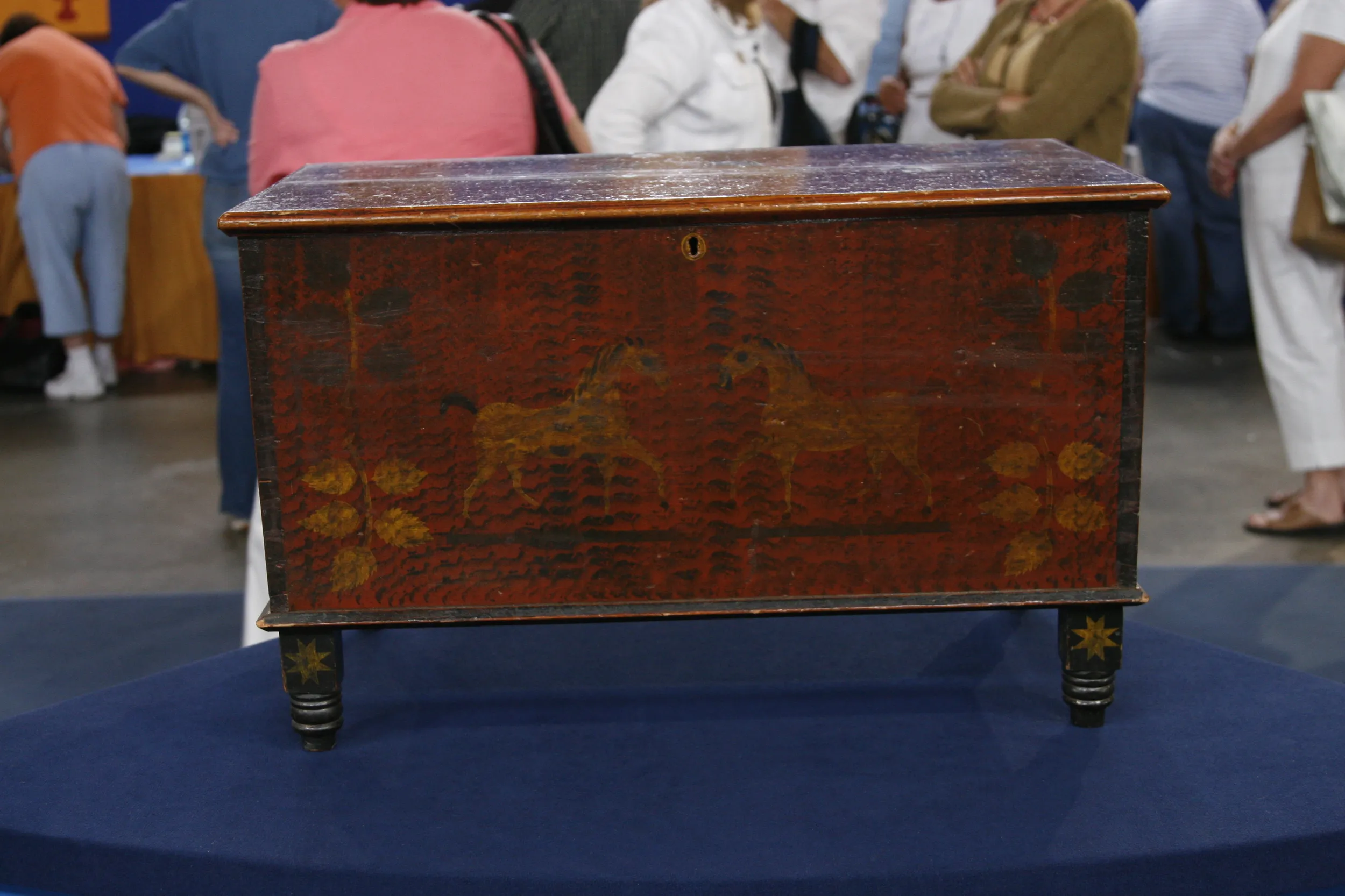
Virginia Painted Blanket Chest, ca. 1850
appraisal
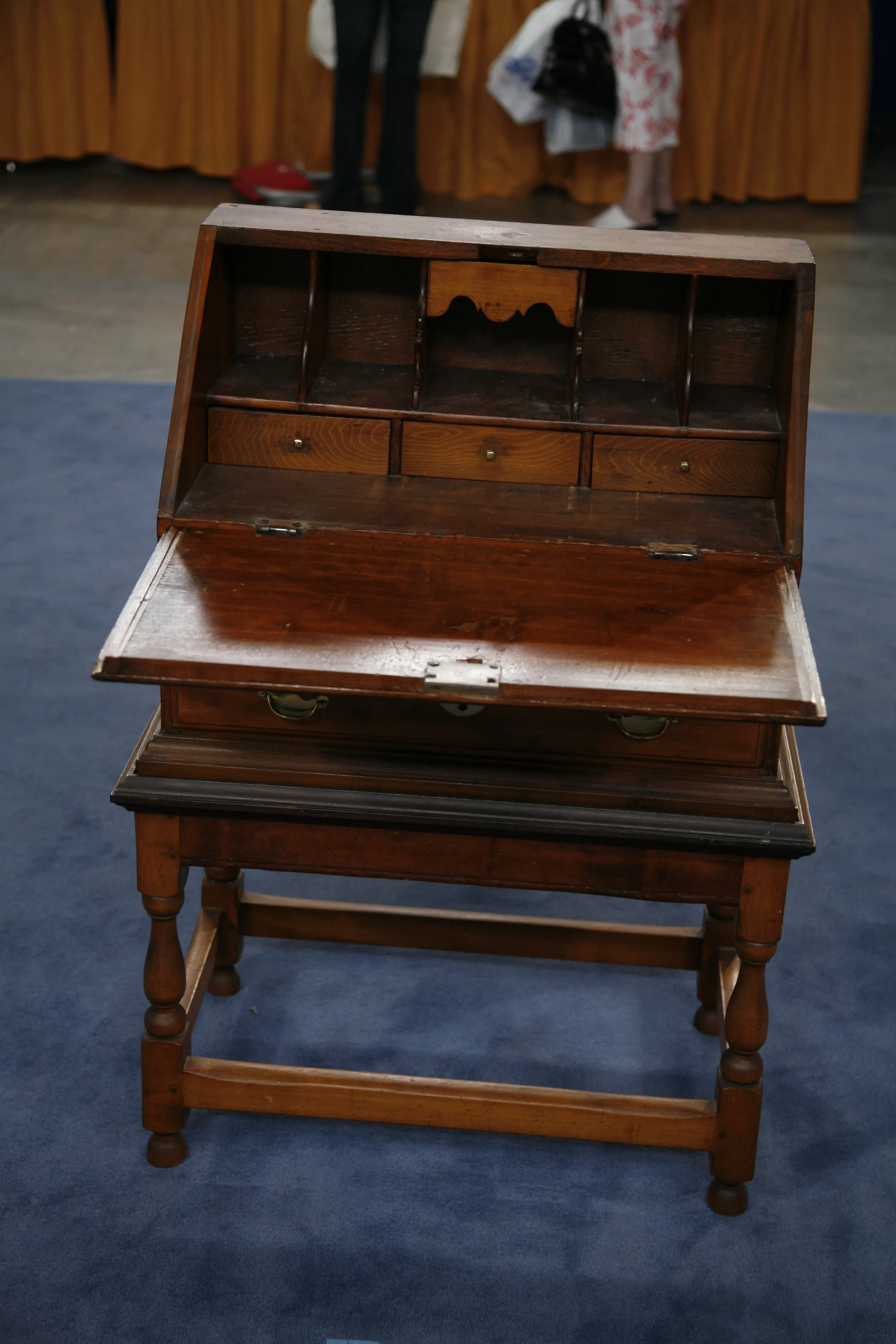
Child's Desk-on-Frame
appraisal
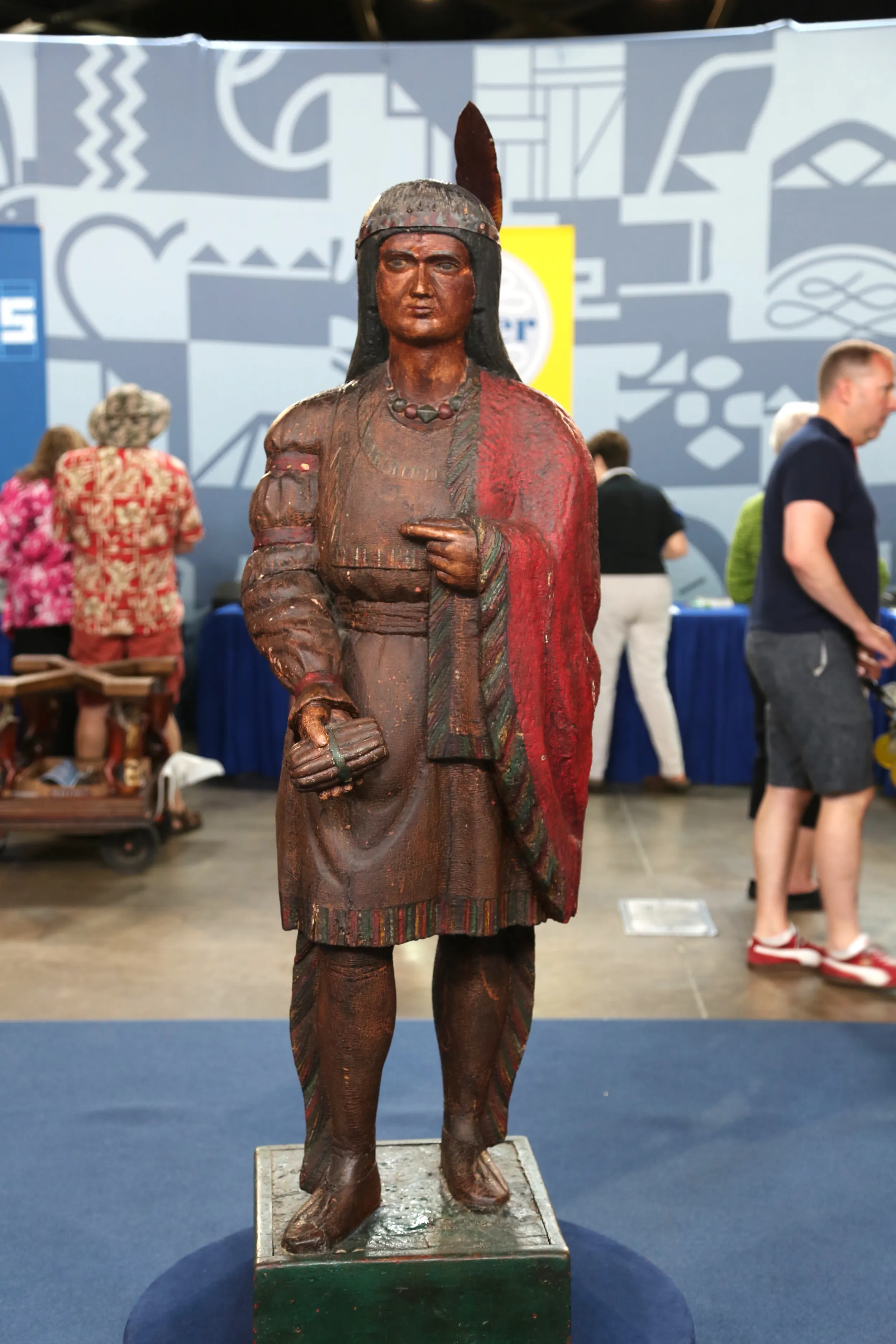
J.P. Yaeger Female Tobacco Store Figure, ca. 1875
Understanding Our Appraisals
Executive producer Marsha Bemko shares her tips for getting the most out of ANTIQUES ROADSHOW.
Value can change: The value of an item is dependent upon many things, including the condition of the object itself, trends in the market for that kind of object, and the location where the item will be sold. These are just some of the reasons why the answer to the question "What's it worth?" is so often "It depends."
Note the date: Take note of the date the appraisal was recorded. This information appears in the upper left corner of the page, with the label "Appraised On." Values change over time according to market forces, so the current value of the item could be higher, lower, or the same as when our expert first appraised it.
Context is key: Listen carefully. Most of our experts will give appraisal values in context. For example, you'll often hear them say what an item is worth "at auction," or "retail," or "for insurance purposes" (replacement value). Retail prices are different from wholesale prices. Often an auctioneer will talk about what she knows best: the auction market. A shop owner will usually talk about what he knows best: the retail price he'd place on the object in his shop. And though there are no hard and fast rules, an object's auction price can often be half its retail value; yet for other objects, an auction price could be higher than retail. As a rule, however, retail and insurance/replacement values are about the same.
Verbal approximations: The values given by the experts on ANTIQUES ROADSHOW are considered "verbal approximations of value." Technically, an "appraisal" is a legal document, generally for insurance purposes, written by a qualified expert and paid for by the owner of the item. An appraisal usually involves an extensive amount of research to establish authenticity, provenance, composition, method of construction, and other important attributes of a particular object.
Opinion of value: As with all appraisals, the verbal approximations of value given at ROADSHOW events are our experts' opinions formed from their knowledge of antiques and collectibles, market trends, and other factors. Although our valuations are based on research and experience, opinions can, and sometimes do, vary among experts.
Appraiser affiliations: Finally, the affiliation of the appraiser may have changed since the appraisal was recorded. To see current contact information for an appraiser in the ROADSHOW Archive, click on the link below the appraiser's picture. Our Appraiser Index also contains a complete list of active ROADSHOW appraisers and their contact details and biographies.


