1989 Ronald Reagan Letter
GUEST: Well, I'm a long-term journalist, and I've been in newspaper work for about 40 years. And for ten years, I was executive editor in Dixon, Illinois, Ronald Reagan's hometown. When he went out of office, we did a 66-page special section. This was the original artwork. We sent him two copies of it. And he sent me this incredible letter just saying how much he enjoyed it, how much he meant-- it meant to him. And he said, "I've cut a clipping or two in my day, but this might be the best I've ever seen."
APPRAISER: It's February 17, 1989, so it's just a couple of weeks that he's out of office. And he must have been incredibly busy. Even though he wasn't still president, I'm sure there were tremendous demands on his time. And the signature is very important.
GUEST: Ronald Reagan, when he would send something to his hometown in Dixon, he liked to put the name Dutch there, too, because that was his nickname. When his father saw him for the first time and held him, he said, "What a fat little Dutchman we have here!" And the word "Dutch" just stuck all these years. So right away, I knew that he personally wrote it. He had been an announcer on W.H.O. Radio in Des Moines in his early career. So I wrote the President and I said, I know that you covered W.H.O. Radio Iowa football games. I'm just curious if you ever met Nile Kinnick, Iowa's only Heisman Trophy winner, who lost his life in World War II, very heroic, uh, story. And he wrote me nine handwritten lines. "P.S. I've just realized I didn't respond to your lines about Nile Kinnick. I, too, am an admirer of him. He came along at Iowa after I'd gone to California, and was no longer broadcasting Iowa games. My brother had begun doing the games, and he made me aware of Nile with stories of his great accomplishments. I won't write them to you here, as I know you probably know all of them.
The fact that the University of Iowa renamed the stadium after him says it all." That he would take the time to write nine handwritten lines, I mean, it just touched me immensely.
APPRAISER: I love this letter partly because it connects together Ronald Reagan, his hometown, Dixon, Iowa, the presidency, politics and then sports. Nile Kinnick and his appreciation of the press. It's a fabulous, wonderful letter. He thanks you in every single paragraph in this. "Yes, everyone has a place to come back to. And for me that place is Dixon. God bless you all." What a wonderful way to end the letter and to someone who was editing the paper in Dixon at the time.
GUEST: He was the kind of person who just really cared about his roots and cared about people.
APPRAISER: A retail value on this, I think, at least $6,000 to $8,000.
GUEST: Wow, that's-that's wonderful to know. You've probably just made it, uh, the fight between my children a lot higher level now.
APPRAISER: (chuckles)
GUEST: Not really, they love each other.

$6,000 - $8,000 Retail
Featured In

episode
Living History Farms, Hour 2
Watch remarkable finds from ROADSHOW’s stop in Iowa including a $70,000 to $90,000 item!
Letter

appraisal
Dr. Seuss “Kangaroo Bird," ca. 1938
appraisal
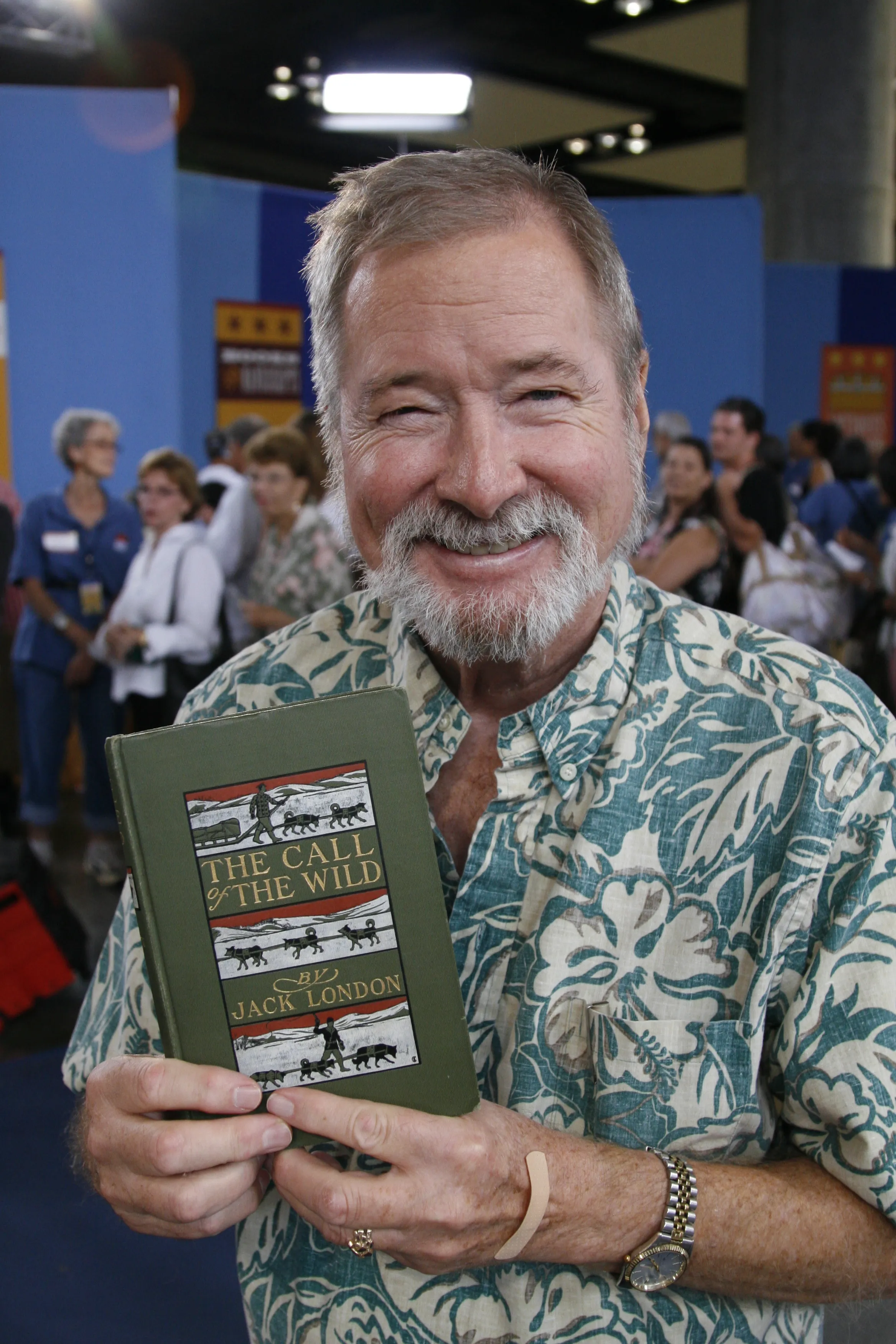
1903 Jack London Call of the Wild Book with Letter

appraisal
Confederate Army Surgeon Archive
appraisal
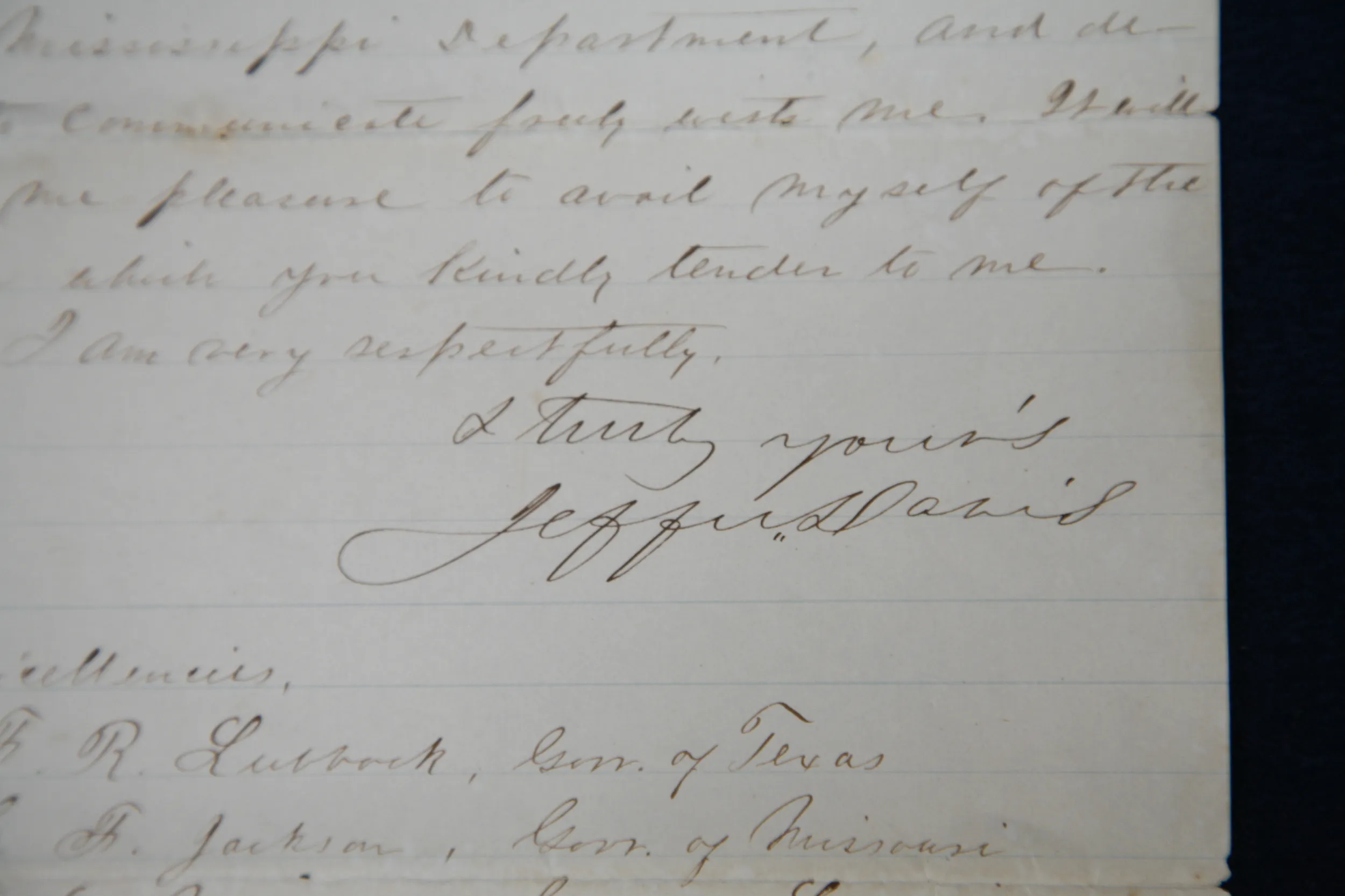
1862 Jefferson Davis Letter
Understanding Our Appraisals
Executive producer Marsha Bemko shares her tips for getting the most out of ANTIQUES ROADSHOW.
Value can change: The value of an item is dependent upon many things, including the condition of the object itself, trends in the market for that kind of object, and the location where the item will be sold. These are just some of the reasons why the answer to the question "What's it worth?" is so often "It depends."
Note the date: Take note of the date the appraisal was recorded. This information appears in the upper left corner of the page, with the label "Appraised On." Values change over time according to market forces, so the current value of the item could be higher, lower, or the same as when our expert first appraised it.
Context is key: Listen carefully. Most of our experts will give appraisal values in context. For example, you'll often hear them say what an item is worth "at auction," or "retail," or "for insurance purposes" (replacement value). Retail prices are different from wholesale prices. Often an auctioneer will talk about what she knows best: the auction market. A shop owner will usually talk about what he knows best: the retail price he'd place on the object in his shop. And though there are no hard and fast rules, an object's auction price can often be half its retail value; yet for other objects, an auction price could be higher than retail. As a rule, however, retail and insurance/replacement values are about the same.
Verbal approximations: The values given by the experts on ANTIQUES ROADSHOW are considered "verbal approximations of value." Technically, an "appraisal" is a legal document, generally for insurance purposes, written by a qualified expert and paid for by the owner of the item. An appraisal usually involves an extensive amount of research to establish authenticity, provenance, composition, method of construction, and other important attributes of a particular object.
Opinion of value: As with all appraisals, the verbal approximations of value given at ROADSHOW events are our experts' opinions formed from their knowledge of antiques and collectibles, market trends, and other factors. Although our valuations are based on research and experience, opinions can, and sometimes do, vary among experts.
Appraiser affiliations: Finally, the affiliation of the appraiser may have changed since the appraisal was recorded. To see current contact information for an appraiser in the ROADSHOW Archive, click on the link below the appraiser's picture. Our Appraiser Index also contains a complete list of active ROADSHOW appraisers and their contact details and biographies.


