1979 Romare Bearden Lithograph
GUEST: A few weeks ago, I was looking for art here in Austin to hang into a house I had bought, and up until then, I had a lot of French country, but I bought a very modern house. So I wanted something to hang on the fireplace, and I saw this in a resale shop and I noticed it had these grays and these really pretty colors, and it was ten dollars, and it had this stainless steel frame.
APPRAISER: Mm-hmm.
GUEST: And so I went ahead and purchased it.
APPRAISER: Good for you-- I, I noticed you have that on here. Right here, actually, the ten dollar price tag. So do you know anything about who the artist is?
GUEST: I…
APPRAISER: Or what the medium is?
GUEST: I do not. It was signed, I couldn't read it.
APPRAISER: It says Romare Bearden. And it is also numbered 30 out of 175. Romare Bearden is a 20th-century artist who died in the 1980s, but is one of the most celebrated African American artists. He's well known mostly for his collages that he did. This is an example of a slightly different look of his, but it is another theme that he's very famous for, which is jazz clubs and music. This one is from his "Jazz" series, and there were six images in this series. Bearden was really well-known for being a huge supporter of African American artists, writers, dancers. He founded several organizations that were meant entirely for the support of young Black artists and helping them come along. He was the director of the Harlem Cultural Arts Council. He wrote and published several books, and was known to be friends with Langston Hughes, various jazz musicians...
GUEST: Mm-hmm, yes.
APPRAISER: ...all different kinds of major figures in African American arts, and for that reason, he's celebrated hugely as having a major impact on later-20th-century African American art coming to the fore. This particular print is a lithograph, which is an image in which the artist works directly on the stone and drew this composition. There are many others done of it, of course. There's 175 altogether. This particular print was made in 1979, towards the end of his career. Do you have any idea of the value of the print beyond the ten dollars that you spent?
GUEST: No. I figured it was worth more than ten dollars, but...
APPRAISER: Okay.
GUEST: $100? $200?
APPRAISER: I think you could add another zero to that number. And the current auction estimate that I would place on a work like this would be $1,000 to $2,000 and very pleased that you brought it in. It's wonderful to see. Especially in a city like Austin to have an image celebrating music and I'm thrilled you brought it in.
GUEST: Uh-huh.
APPRAISER: You okay?
GUEST: Yeah!
APPRAISER: (laughs)
GUEST: (voice trembling): I'm okay. I am, I mean, that's exciting. I don't have anything that's, you know, that, that's nice, it's like... Sorry. It's, like, I told you I wasn't gonna cry!
APPRAISER: (laughs)
GUEST: It's, like... Oh, my gosh!

$1,000 - $2,000 Auction
$1,000 - $2,000 Auction
Photos

Featured In
episode
Austin, Hour 3 (2015)
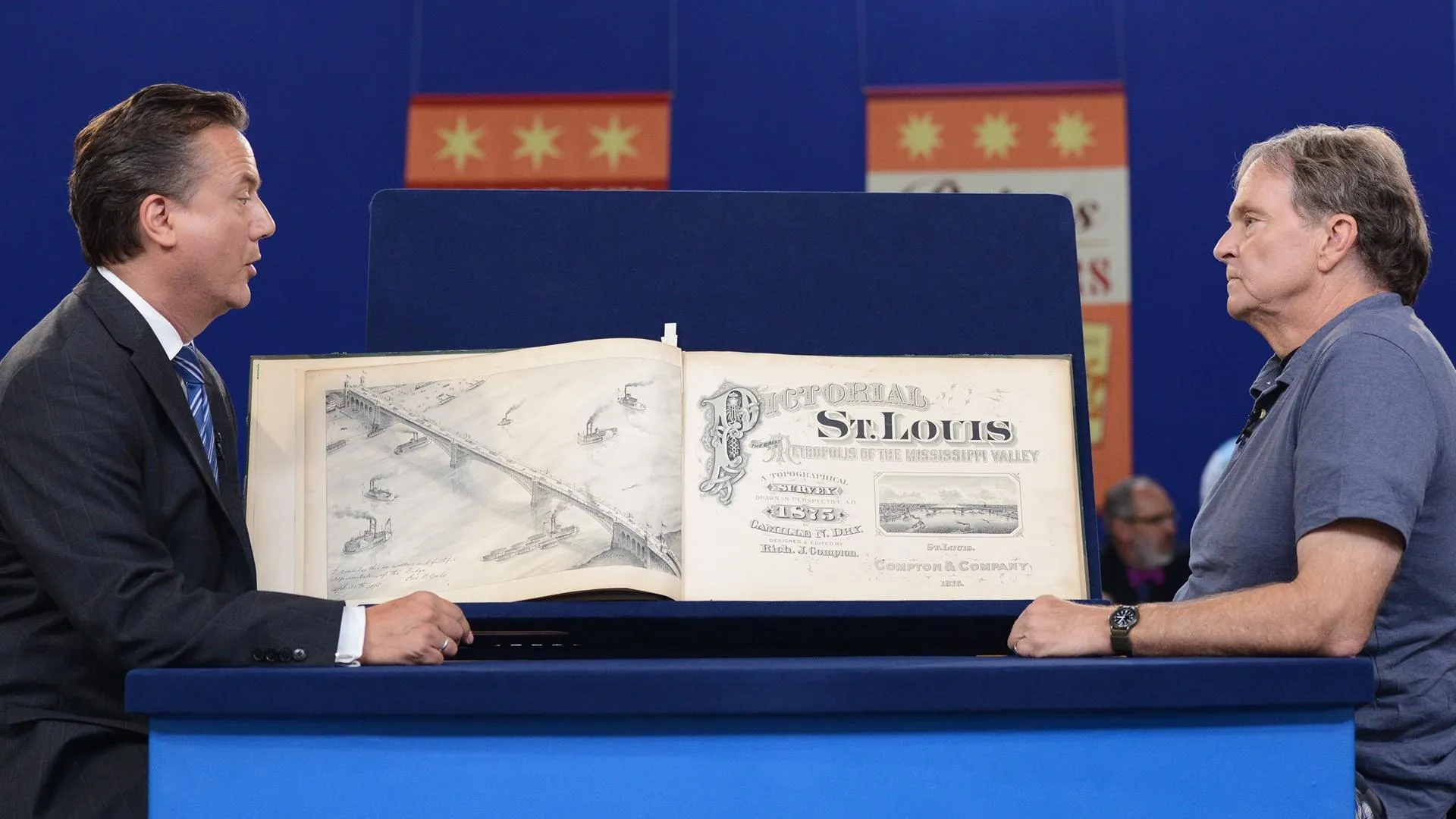
Mark L. Walberg takes a look at antique Mexican saddles in Austin, Hour 3.

episode
Musical Scores
Get ready for rockin’, rollin’ and ROADSHOW with musical appraisals valued up to $220,000
Fine Art
appraisal
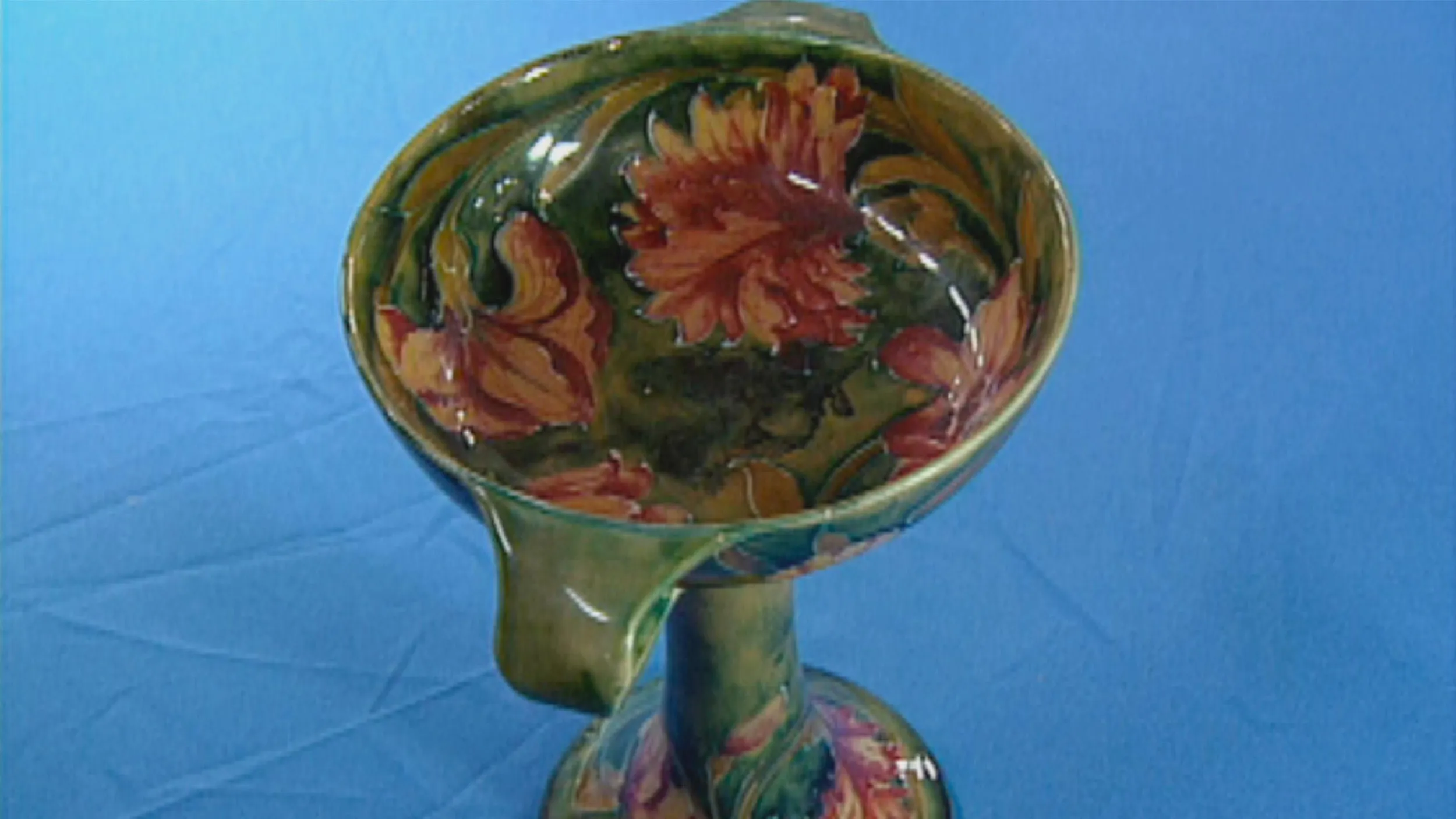
William Moorcroft Pottery, ca. 1910
appraisal
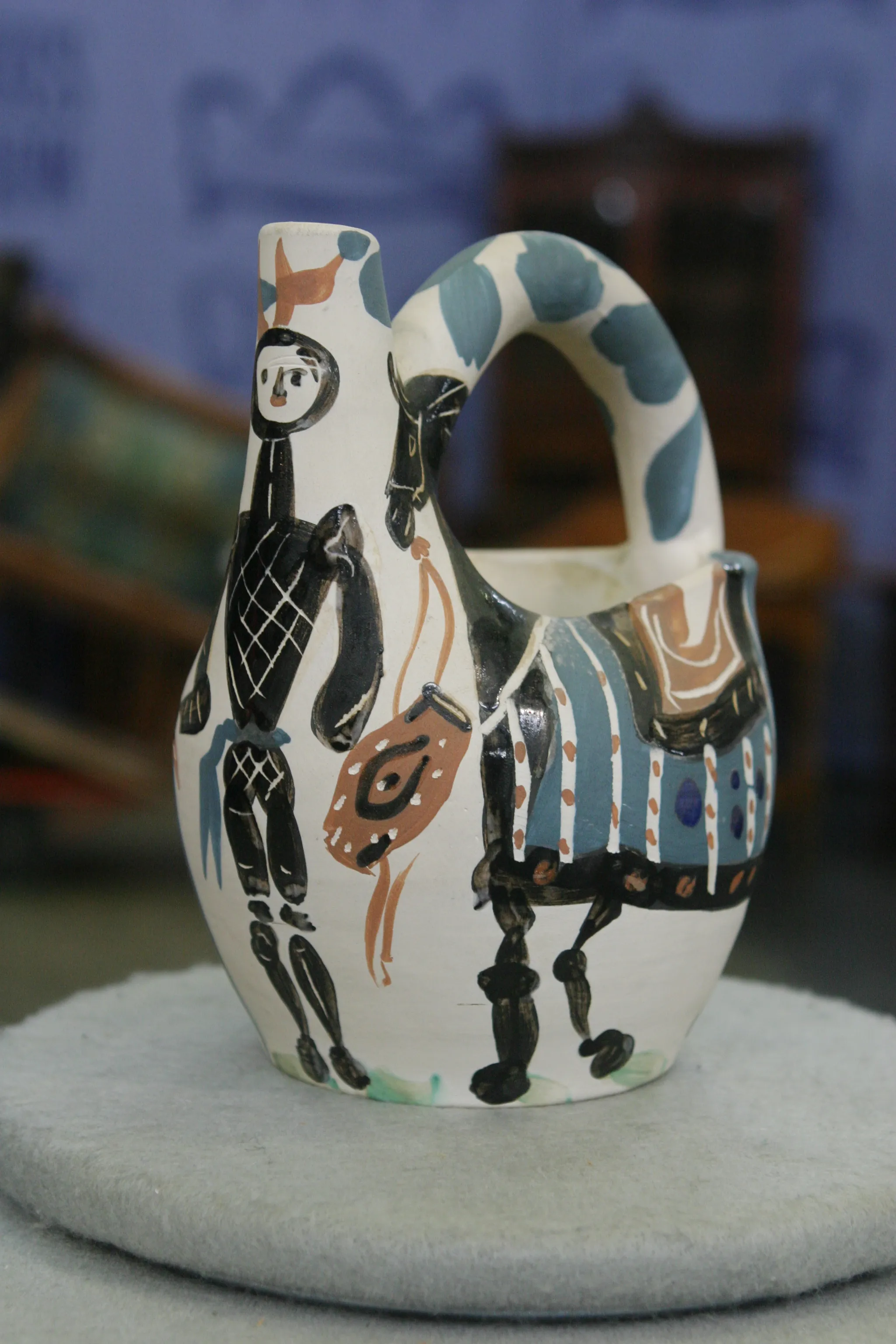
1952 Picasso Madoura Ceramic Jug

appraisal
Edgar Alwin Payne Painting, ca. 1925
appraisal
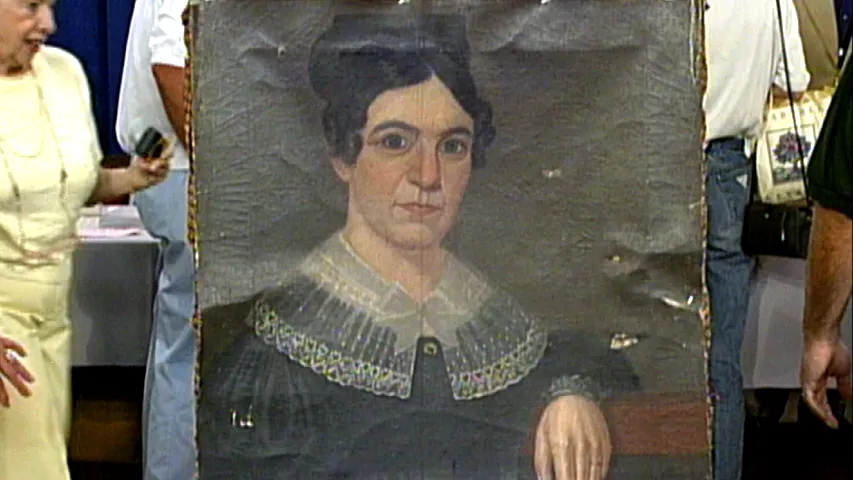
American School Portrait, ca. 1820
Understanding Our Appraisals
Executive producer Marsha Bemko shares her tips for getting the most out of ANTIQUES ROADSHOW.
Value can change: The value of an item is dependent upon many things, including the condition of the object itself, trends in the market for that kind of object, and the location where the item will be sold. These are just some of the reasons why the answer to the question "What's it worth?" is so often "It depends."
Note the date: Take note of the date the appraisal was recorded. This information appears in the upper left corner of the page, with the label "Appraised On." Values change over time according to market forces, so the current value of the item could be higher, lower, or the same as when our expert first appraised it.
Context is key: Listen carefully. Most of our experts will give appraisal values in context. For example, you'll often hear them say what an item is worth "at auction," or "retail," or "for insurance purposes" (replacement value). Retail prices are different from wholesale prices. Often an auctioneer will talk about what she knows best: the auction market. A shop owner will usually talk about what he knows best: the retail price he'd place on the object in his shop. And though there are no hard and fast rules, an object's auction price can often be half its retail value; yet for other objects, an auction price could be higher than retail. As a rule, however, retail and insurance/replacement values are about the same.
Verbal approximations: The values given by the experts on ANTIQUES ROADSHOW are considered "verbal approximations of value." Technically, an "appraisal" is a legal document, generally for insurance purposes, written by a qualified expert and paid for by the owner of the item. An appraisal usually involves an extensive amount of research to establish authenticity, provenance, composition, method of construction, and other important attributes of a particular object.
Opinion of value: As with all appraisals, the verbal approximations of value given at ROADSHOW events are our experts' opinions formed from their knowledge of antiques and collectibles, market trends, and other factors. Although our valuations are based on research and experience, opinions can, and sometimes do, vary among experts.
Appraiser affiliations: Finally, the affiliation of the appraiser may have changed since the appraisal was recorded. To see current contact information for an appraiser in the ROADSHOW Archive, click on the link below the appraiser's picture. Our Appraiser Index also contains a complete list of active ROADSHOW appraisers and their contact details and biographies.


