1978 Pete Maravich-worn Movie Uniform
APPRAISER: Pistol Pete Maravich, one of the greatest scorers of all time. We know him from Louisiana State University. We know him from the Atlanta Hawks
and the New Orleans Jazz, but Army? Tell us about this uniform and how you got it.
GUEST: Pete got in our movie, the movie Dribble. George Nissen, our owner, decided that was a good way to promote our new women's basketball, uh, professional team here in Iowa, the Iowa Cornets. I was the assistant coach for the Iowa Cornets in sev...
APPRAISER: You were!
GUEST: Yeah-- they got Pistol Pete to come in, and he was here for three or four days with the shooting of, of the game. We filmed that part of it in Cedar Rapids. So got to meet Pete and it was, it was a great experience.
APPRAISER: What's the story of Dribble?(chuckles) I have to tell you, I have not seen it.
GUEST: Uh, it was out for about a week, so it...
(both laugh)
GUEST: It was about a women's basketball team, and they ended up playing the Army, and the Army thought it was a men's team they were playing.
APPRAISER: What happens to Pete at the end?
GUEST: They lose the game, they steal the ball from him. They changed the name of the film from Dribble to Scoring because they thought it might entice more of an adult crowd.
APPRAISER: Why'd you keep this?
GUEST: Because it was Pete Maravich's. I loved to watch him play basketball. He was a great, great, great basketball player.
APPRAISER: The amazing thing about Maravich, you know, he played for Louisiana State University, the Tigers, from 1967 to '70. He still has the NCAA basketball men's scoring record for Division I-- 3,667 points. Here, to me, is what is so remarkable about his scoring record. There was no three-point line.
GUEST: No.
APPRAISER: He also only was able to play three years. In those days, you could not play varsity until your sophomore year. And the other thing that is tremendous about this is that there's no shot clock. Teams could literally hold the ball as a defense. Pete Maravich could be considered the Caitlin Clark of his day. (chuckles)
GUEST: Yeah, and she broke his record, she broke his scoring record. For an average player, you know, what, what you look for is, obviously, a game-worn jersey in his college career or in his pro career, right?
GUEST: Right, right.
APPRAISER: But we have this from this movie. Even though it may not have, you know, made the, the...
(both chuckling)
GUEST: It wasn't Gone with the Wind.
APPRAISER: It wasn't box office gold.
GUEST: No.
APPRAISER: We have the photo match with him, which I know you took this from the television, right?
GUEST: Yeah, yeah.
APPRAISER: I would place an auction estimate on this of $10,000 to $15,000.
GUEST: You're kidding me. I thought... You know, 'cause I look at, see, you know, what, what his ones with the late, you know, when he played with the Jazz and that, I thought, those are worth a lot. But this is Dribble, you know? It, it...
(chuckles) So I, I didn't know but, ten... (whispers): God. (aloud): Oh, it's amazing, thank you.

$10,000 - $15,000 Auction
Featured In

episode
Living History Farms, Hour 3
Luminous treasures are unveiled at Living History Farms. One is $50,000 to $70,000!
Clothes
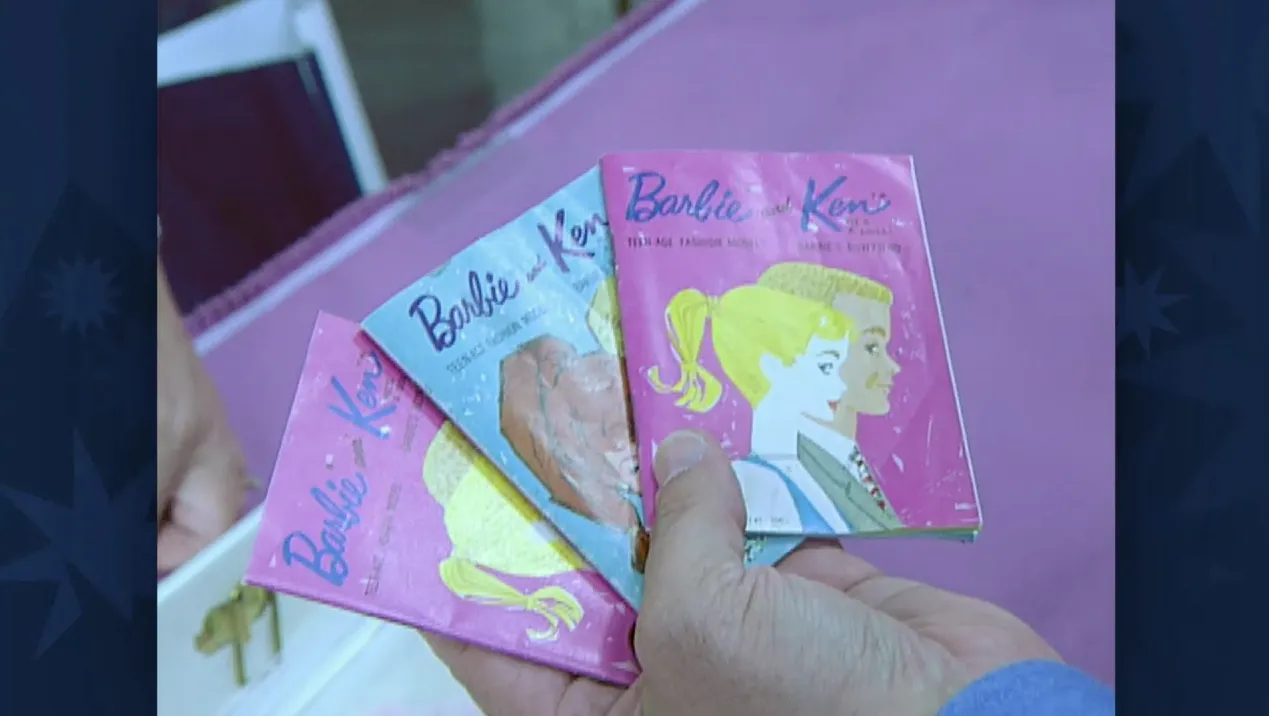
appraisal
Barbie Accessories & Case, ca. 1960

appraisal
Vermont Militia Coat, ca. 1815
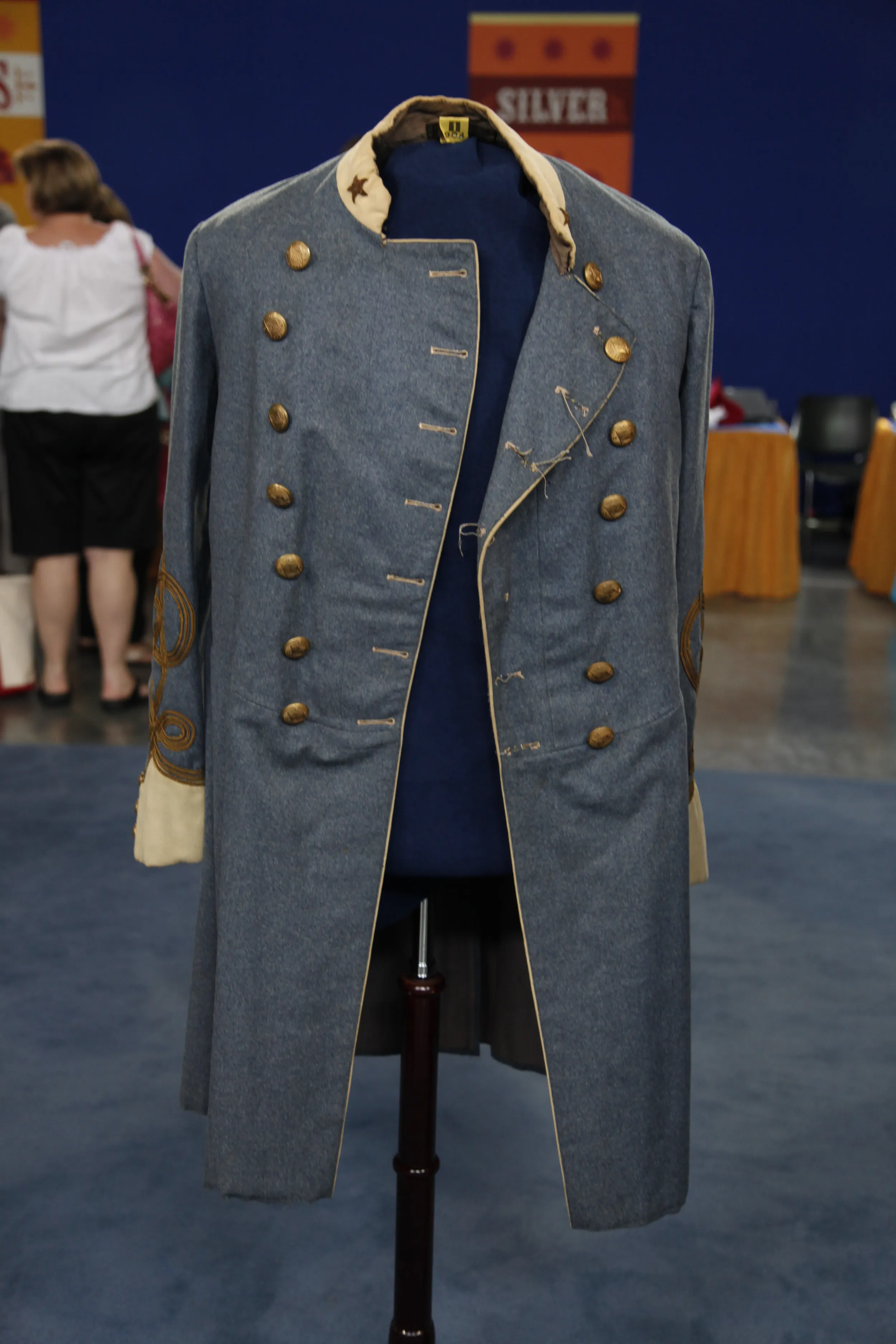
appraisal
Confederate Veteran's Coat, ca. 1900
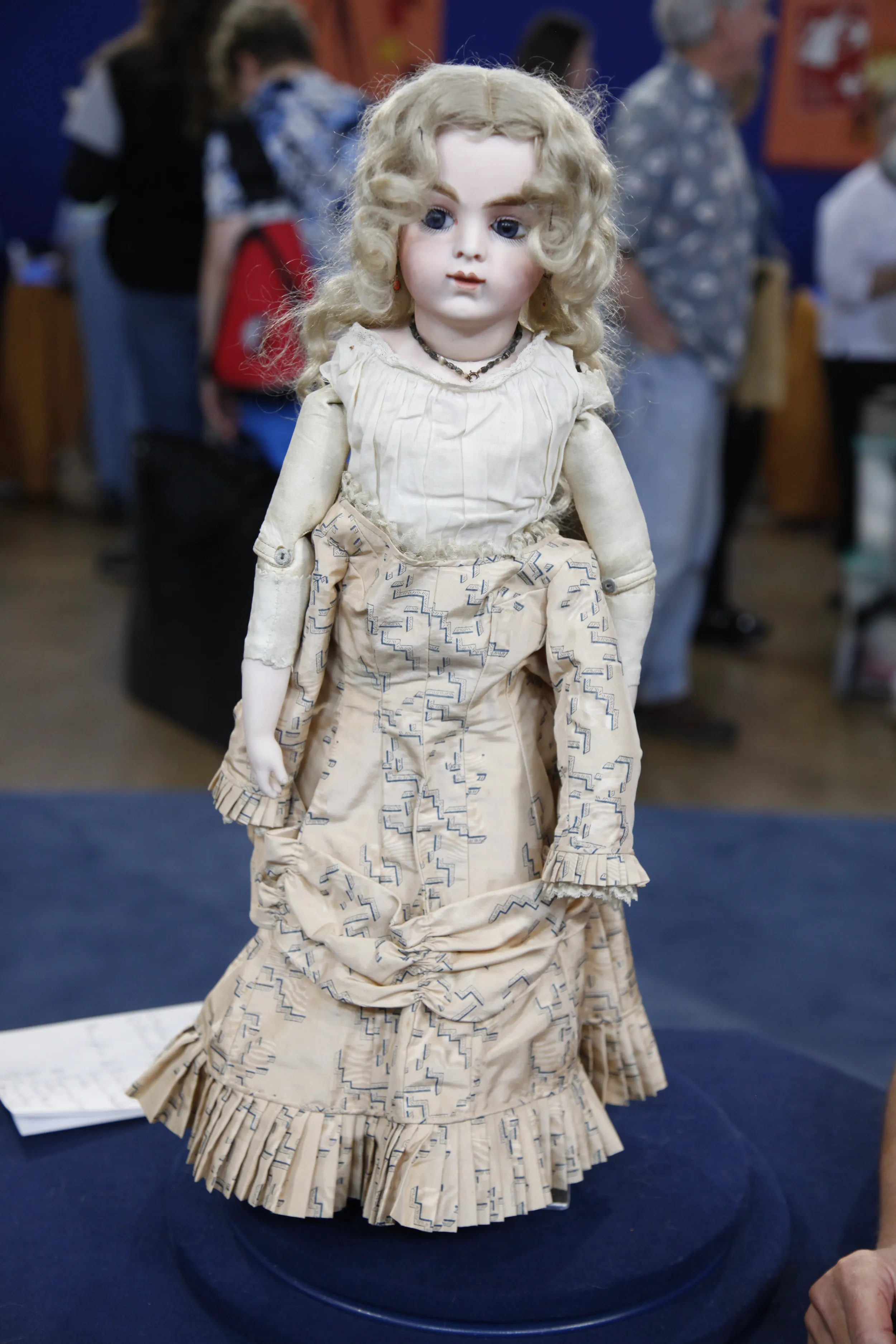
appraisal
French Bru Jeune Doll, ca. 1875
Understanding Our Appraisals
Executive producer Marsha Bemko shares her tips for getting the most out of ANTIQUES ROADSHOW.
Value can change: The value of an item is dependent upon many things, including the condition of the object itself, trends in the market for that kind of object, and the location where the item will be sold. These are just some of the reasons why the answer to the question "What's it worth?" is so often "It depends."
Note the date: Take note of the date the appraisal was recorded. This information appears in the upper left corner of the page, with the label "Appraised On." Values change over time according to market forces, so the current value of the item could be higher, lower, or the same as when our expert first appraised it.
Context is key: Listen carefully. Most of our experts will give appraisal values in context. For example, you'll often hear them say what an item is worth "at auction," or "retail," or "for insurance purposes" (replacement value). Retail prices are different from wholesale prices. Often an auctioneer will talk about what she knows best: the auction market. A shop owner will usually talk about what he knows best: the retail price he'd place on the object in his shop. And though there are no hard and fast rules, an object's auction price can often be half its retail value; yet for other objects, an auction price could be higher than retail. As a rule, however, retail and insurance/replacement values are about the same.
Verbal approximations: The values given by the experts on ANTIQUES ROADSHOW are considered "verbal approximations of value." Technically, an "appraisal" is a legal document, generally for insurance purposes, written by a qualified expert and paid for by the owner of the item. An appraisal usually involves an extensive amount of research to establish authenticity, provenance, composition, method of construction, and other important attributes of a particular object.
Opinion of value: As with all appraisals, the verbal approximations of value given at ROADSHOW events are our experts' opinions formed from their knowledge of antiques and collectibles, market trends, and other factors. Although our valuations are based on research and experience, opinions can, and sometimes do, vary among experts.
Appraiser affiliations: Finally, the affiliation of the appraiser may have changed since the appraisal was recorded. To see current contact information for an appraiser in the ROADSHOW Archive, click on the link below the appraiser's picture. Our Appraiser Index also contains a complete list of active ROADSHOW appraisers and their contact details and biographies.


