1974 Ezra Jack Keats Collection
GUEST: In, um, 1974, I was a young teacher teaching in North Carolina. Our school librarian has asked Mr. Keats to come, and my class made the banner that went outside the school.
APPRAISER: Which is this, this... banner right here?
GUEST: Which is the banner in the picture. Right, here I am holding up the banner, and, uh, Mr. Keats is sitting in the rocking chair right in the middle of my children. All the classes got to go to the library and meet him. He was such an enchanting man, had a twinkle in his eye. He loved the banner very much. He took it back to New York and put it in his studio. Of course, he autographed my book and-- which is treasure to me. And also, at Christmastime in 1974, he wrote a thank you note, and it's on his letterhead. It says, "Merry Christmas to Mrs. Hudson and children. From your friend, Ezra Jack Keats. 1974." And it says, "The 'Keats is coming' banner is a beaut." And on his drawing to me, he drew Willie-- Willie the dog. And that is from the book, "Whistle for Willie."
APPRAISER: He was-- grew up in a very poor family. When he graduated high school, his father died. He had wanted to go to art school. He had won awards...
GUEST: Mm-hmm.
APPRAISER: ...in high school for art. And then, he thought he'd be a professional artist.
GUEST: Mm-hmm.
APPRAISER: That didn't work out. But then, he got into art through the WPA in some commercial artwork. And he finally got to art school and did some work in Paris and came back and started doing some illustration work. And there was one person at a publishing company said, "You should do some children's books." He loved it. And then, he got the idea to write his own children's books and illustrate 'em, which really then, his career just took off. Let me show the inscription to you on the The Snowy Day, which is one of his more famous books.
GUEST: "To Susan Hudson. "It's good meeting you. Thanks for the banner. Ezra Jack Keats."
APPRAISER: One of the things that really makes Keats stand out is that he was an illustrator who had African American children as the subject.
GUEST: Mm-hmm.
APPRAISER: Uh, I'll just show one picture to give an idea. He used a lot of groups who were not necessarily used in the common day illustration for children. And that's actually one of the things that makes his works very sought after. This copy of The Snowy Day is not a first edition. I would say this, retail, $300 to $500.
GUEST: Okay.
APPRAISER: If you had a first edition of this book...
GUEST: Mm-hmm.
APPRAISER: ...signed, inscribed the way you do, you might be talking $7,000 to $10,000 with the dust jacket. Willie there with the beautiful inscription probably the $3,000 to $5,000 retail.
GUEST: That's exciting. (laughs) I had no idea it'd be like that.
APPRAISER: He is so popular that they've been going up steadily.
GUEST: It was a highlight of my career, really.

$3,300 - $5,500 Retail
Featured In

episode
Maryland Zoo, Hour 3
ROADSHOW searches for hidden treasures in Maryland including one $150,000 - $200,000 find!
Letter

appraisal
Dr. Seuss “Kangaroo Bird," ca. 1938
appraisal
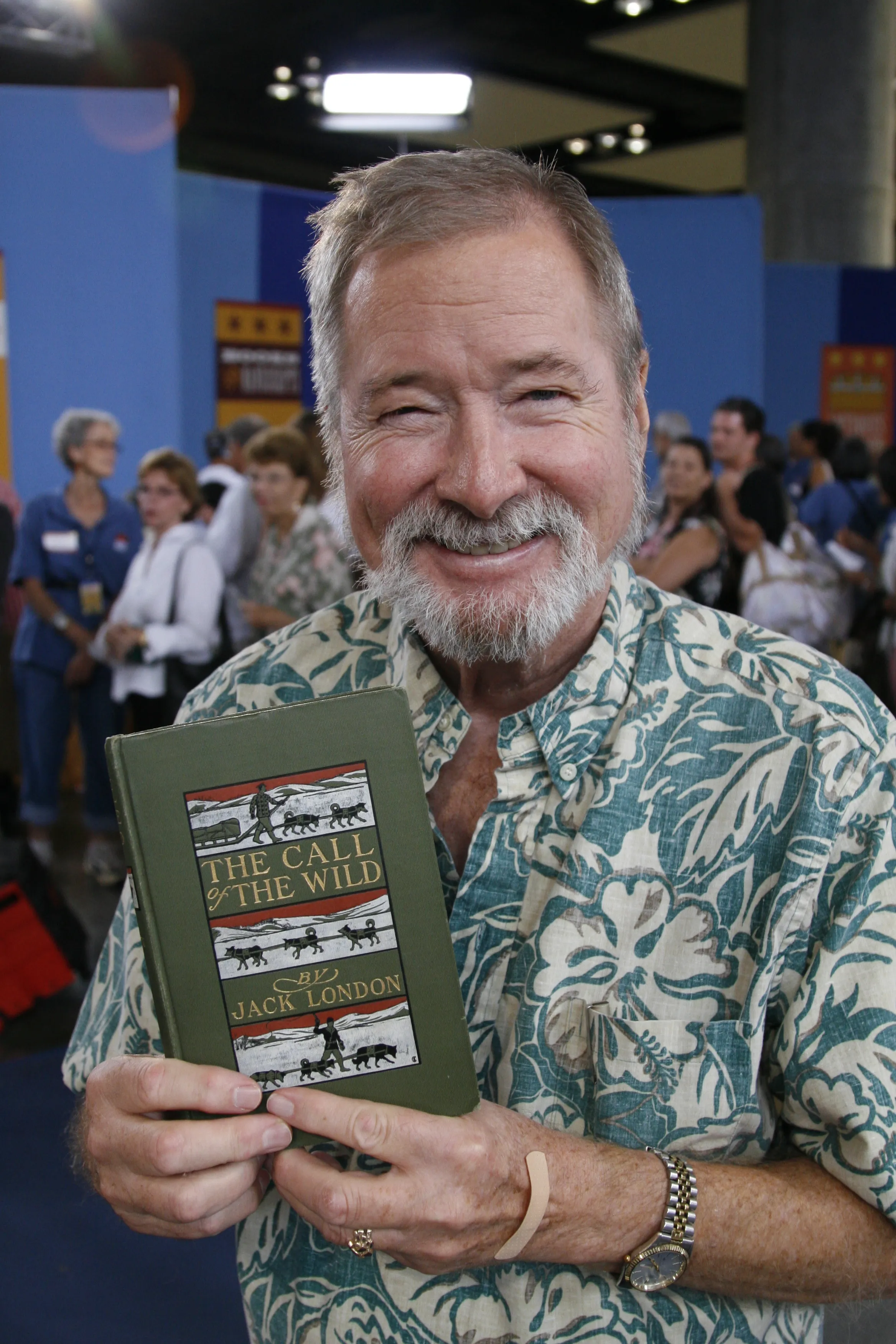
1903 Jack London Call of the Wild Book with Letter

appraisal
Confederate Army Surgeon Archive
appraisal
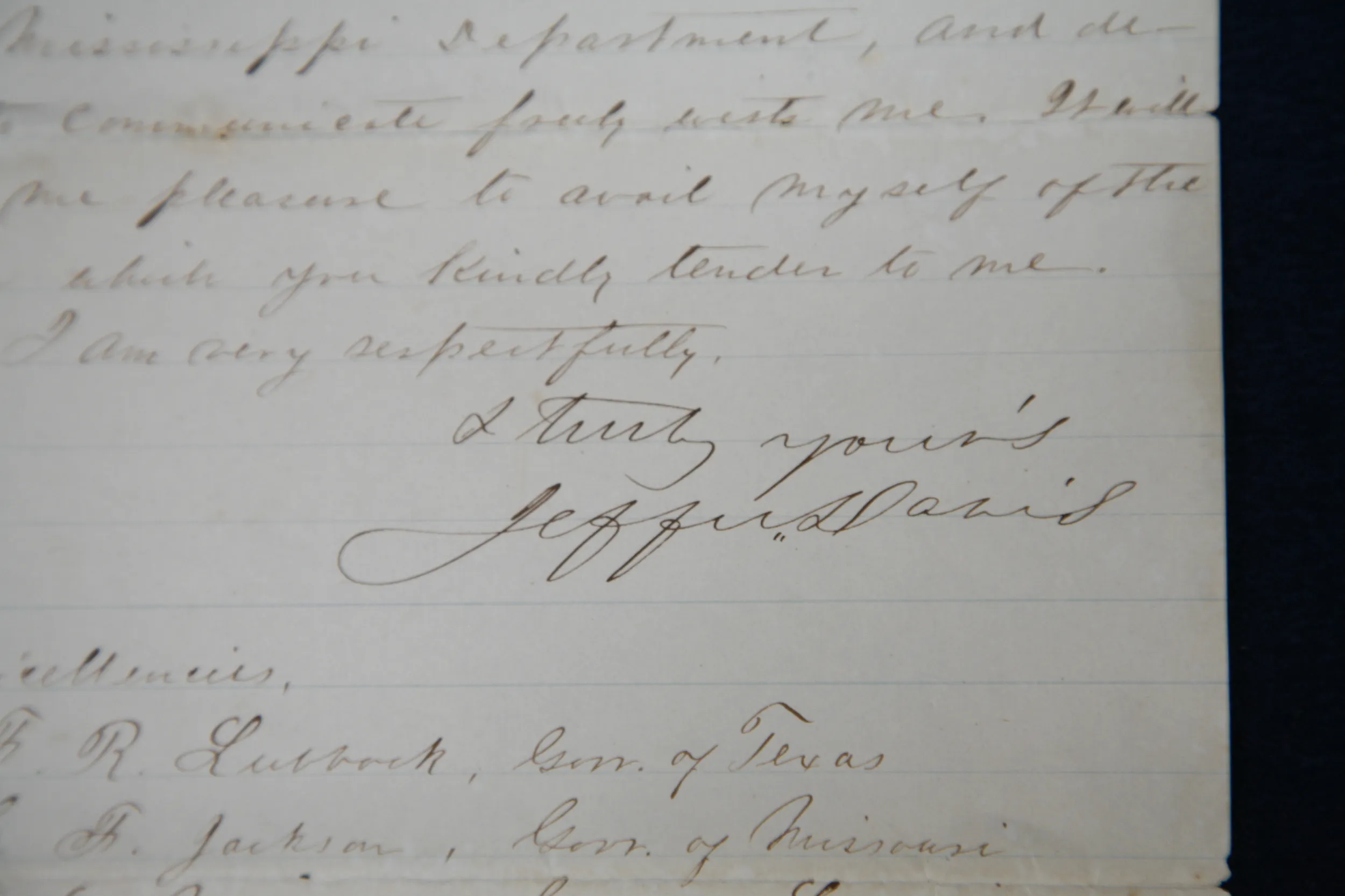
1862 Jefferson Davis Letter
Understanding Our Appraisals
Executive producer Marsha Bemko shares her tips for getting the most out of ANTIQUES ROADSHOW.
Value can change: The value of an item is dependent upon many things, including the condition of the object itself, trends in the market for that kind of object, and the location where the item will be sold. These are just some of the reasons why the answer to the question "What's it worth?" is so often "It depends."
Note the date: Take note of the date the appraisal was recorded. This information appears in the upper left corner of the page, with the label "Appraised On." Values change over time according to market forces, so the current value of the item could be higher, lower, or the same as when our expert first appraised it.
Context is key: Listen carefully. Most of our experts will give appraisal values in context. For example, you'll often hear them say what an item is worth "at auction," or "retail," or "for insurance purposes" (replacement value). Retail prices are different from wholesale prices. Often an auctioneer will talk about what she knows best: the auction market. A shop owner will usually talk about what he knows best: the retail price he'd place on the object in his shop. And though there are no hard and fast rules, an object's auction price can often be half its retail value; yet for other objects, an auction price could be higher than retail. As a rule, however, retail and insurance/replacement values are about the same.
Verbal approximations: The values given by the experts on ANTIQUES ROADSHOW are considered "verbal approximations of value." Technically, an "appraisal" is a legal document, generally for insurance purposes, written by a qualified expert and paid for by the owner of the item. An appraisal usually involves an extensive amount of research to establish authenticity, provenance, composition, method of construction, and other important attributes of a particular object.
Opinion of value: As with all appraisals, the verbal approximations of value given at ROADSHOW events are our experts' opinions formed from their knowledge of antiques and collectibles, market trends, and other factors. Although our valuations are based on research and experience, opinions can, and sometimes do, vary among experts.
Appraiser affiliations: Finally, the affiliation of the appraiser may have changed since the appraisal was recorded. To see current contact information for an appraiser in the ROADSHOW Archive, click on the link below the appraiser's picture. Our Appraiser Index also contains a complete list of active ROADSHOW appraisers and their contact details and biographies.


