1965 Roy Lichtenstein Shipboard Girl Offset Lithograph
GUEST: Well, it's a, uh, Lichtenstein print that I received from my grandparents a long time ago. And I believe that it's titled Shipboard Girl. My grandparents were living in D.C. at the time. They had a large condo. They were at the age where they needed to downsize a lot.
APPRAISER: Mm-hmm.
GUEST: So they actually rented a second apartment, filled it with all the things that they were giving away. This was in a poster tube, and actually this one wasn't noticed in the poster tube. There was a, a different poster that I was more attracted to, and they said that I could take it away, and that's how it ended up in my possession.
APPRAISER: You're absolutely right. Roy Lichtenstein's Shipboard Girl... Shipboard Girl. ...from 1965. So this is really the beginning of Pop Art.
GUEST: Mm.
APPRAISER: And in 1965, Roy Lichtenstein was represented by the Leo Castelli Gallery, which really, uh... was the pioneering gallery in New York for these pop artists; Lichtenstein and Warhol.
GUEST: Hm.
APPRAISER: Part of the Pop ethos was to embrace commercial printmaking.
GUEST: Mm-hmm.
APPRAISER: So this poster is an offset lithograph, which is like photomechanical printmaking. It's done in sort of industrial strength colors in a commercial kind of press.
GUEST: Mm-hmm.
APPRAISER: And there's a couple of things about this print that really stand out, which make it very exciting.
GUEST: Yeah.
APPRAISER: First of all are the colors.
GUEST: Mm.
APPRAISER: And they're really spectacular, so fresh.
GUEST: Yes.
APPRAISER: It seems to me that it never came out of the tube. It's quite possible it was brought home from a gallery... (both laugh)
GUEST: (laughing): I think so, yeah.
APPRAISER: And hasn't seen daylight for 60 years. The other curious thing about your print how it's signed.
GUEST: Yes, I've always wondered about that.
APPRAISER: Yes.
GUEST: Yeah. (both laugh)
APPRAISER: So, it bears the pencil signature, upper left, of Roy Lichtenstein.
GUEST: Mm-hmm.
APPRAISER: And it's upside down. And this is typically signed lower right.
GUEST: Mm.
APPRAISER: And you can see that he signed it lower right at the time...
GUEST: (laughing): Right.
APPRAISER: ...but its orientation was the wrong way...
GUEST: Mm-hmm.
APPRAISER: ...so he ended up signing it upside down.
GUEST: Mm-hmm.
APPRAISER: This is a well-documented print. It's in his catalogue raisonné. It's in many museum collections.
GUEST: Mm.
APPRAISER: But we-- no one really knows exactly how many were printed.
GUEST: Okay.
APPRAISER: They were never numbered.
GUEST: Yeah.
APPRAISER: But the... the signature is absolutely right. And we actually did find some other examples of this print...
GUEST: Oh.
APPRAISER: ...with the signature this way.
GUEST: Oh, well, that's encouraging. (chuckles)
APPRAISER: So, in the moment of giving it to somebody, a stack of p-prints being signed by the artist, some got turned around...
GUEST: Mm-hmm.
APPRAISER: ...and were signed the wrong way.
GUEST: Oh.
APPRAISER: Which makes it a curiosity.
GUEST: Yeah.
APPRAISER: Do you have any sense of the value?
GUEST: I had, uh, looked it up a long time ago, and I've seen a wide range of numbers for it.
APPRAISER: Right. GUEST: I think the high range was around $20,000 to $30,000 that I had seen at that time...
APPRAISER: Yeah.
GUEST: ...but the low is around $5,000, so I've never really known.
APPRAISER: Yeah. Right. Well, there is a wide range of values for these. Uh, often that's dictated by the condition. Sometimes they're quite faded.
GUEST: Mm-hmm.
APPRAISER: Your colors are as good as you would expect.
GUEST: Mm-hmm.
APPRAISER: Because it's signed in this peculiar fashion, though we do have to consider that into the valuation.
GUEST: Mm-hmm.
APPRAISER: So I would estimate this at auction at $20,000 to $30,000.
GUEST: Oh, great. Well, that's wonderful. Yeah, I love seeing it out. The colors are amazing.
APPRAISER: If this had been signed the right way, it would be conservatively $30,000 to $50,000.
GUEST: Okay.

$20,000 - $30,000 Auction
Featured In

episode
Coastal Maine Botanical Gardens, Hour 3
ANTIQUES ROADSHOW wraps up our visit to Boothbay! — Mon, March 23, 2026
1960s

appraisal
José de Rivera Silver Pin, ca. 1944
appraisal
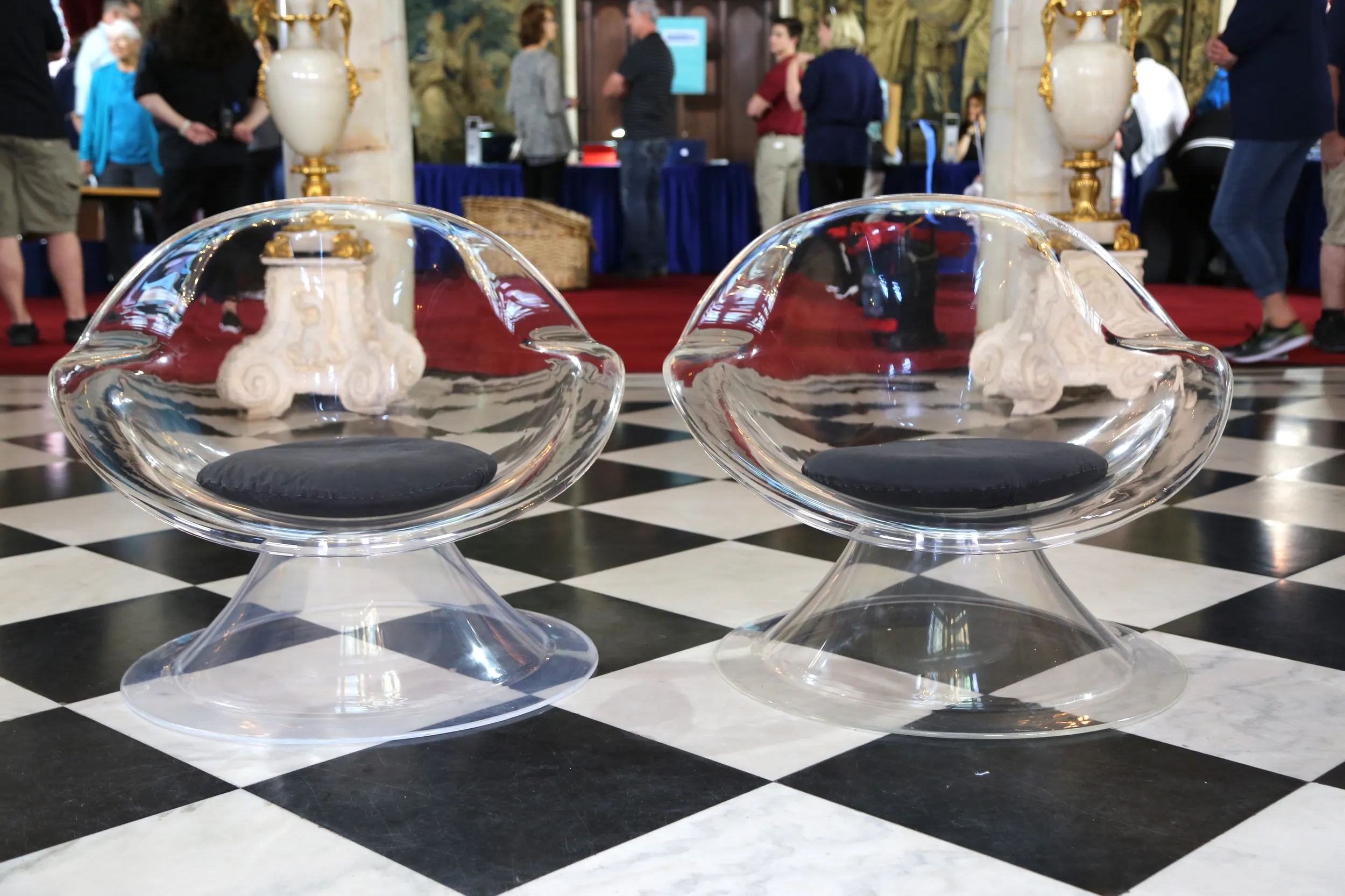
Erwine & Estelle Laverne Daffodil Chairs, ca. 1970
appraisal
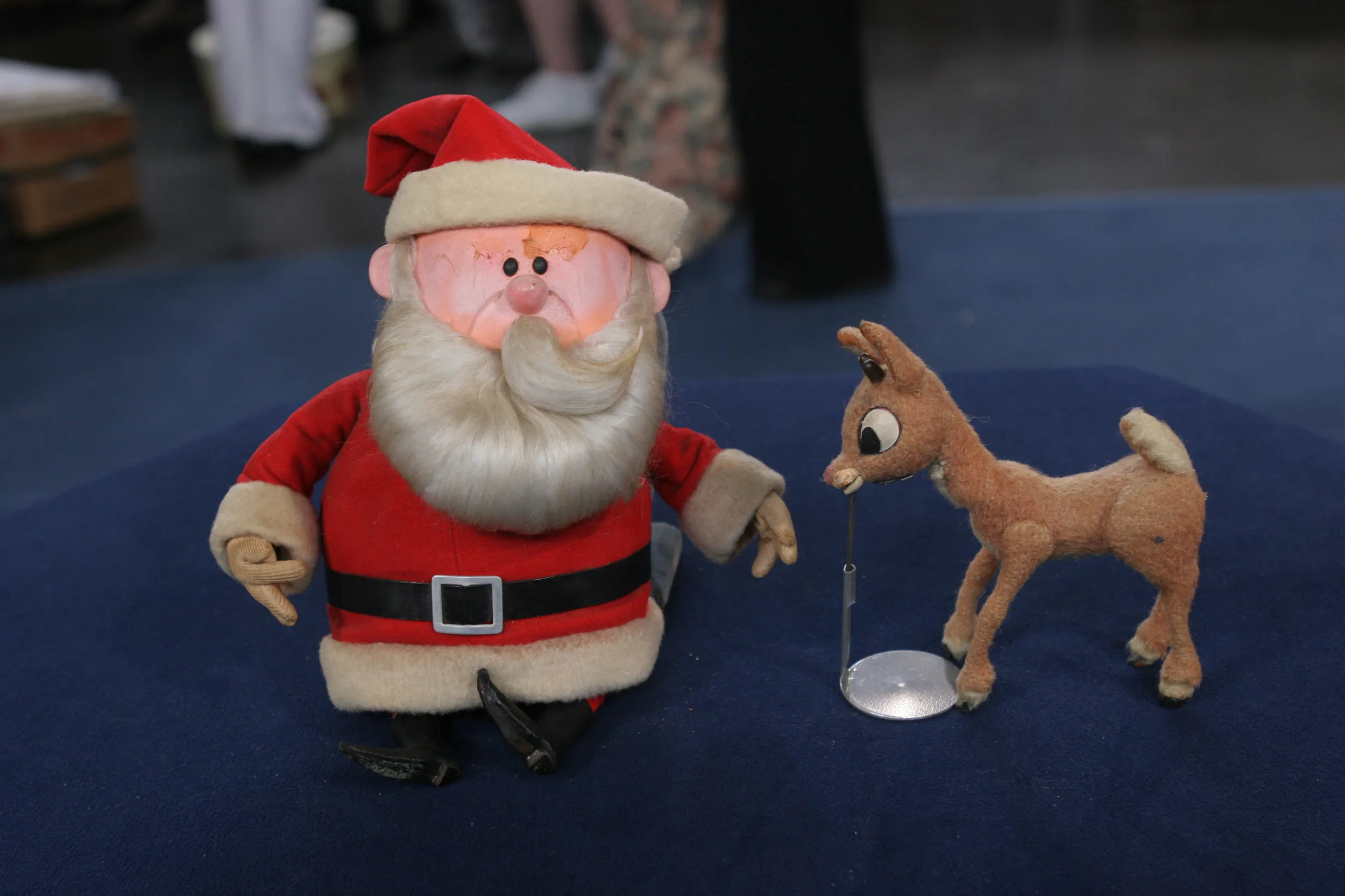
Rudolph & Santa Puppets, ca. 1964

appraisal
Richmond Barthé Bronze "Pan" Sculpture, ca. 1969
Understanding Our Appraisals
Executive producer Marsha Bemko shares her tips for getting the most out of ANTIQUES ROADSHOW.
Value can change: The value of an item is dependent upon many things, including the condition of the object itself, trends in the market for that kind of object, and the location where the item will be sold. These are just some of the reasons why the answer to the question "What's it worth?" is so often "It depends."
Note the date: Take note of the date the appraisal was recorded. This information appears in the upper left corner of the page, with the label "Appraised On." Values change over time according to market forces, so the current value of the item could be higher, lower, or the same as when our expert first appraised it.
Context is key: Listen carefully. Most of our experts will give appraisal values in context. For example, you'll often hear them say what an item is worth "at auction," or "retail," or "for insurance purposes" (replacement value). Retail prices are different from wholesale prices. Often an auctioneer will talk about what she knows best: the auction market. A shop owner will usually talk about what he knows best: the retail price he'd place on the object in his shop. And though there are no hard and fast rules, an object's auction price can often be half its retail value; yet for other objects, an auction price could be higher than retail. As a rule, however, retail and insurance/replacement values are about the same.
Verbal approximations: The values given by the experts on ANTIQUES ROADSHOW are considered "verbal approximations of value." Technically, an "appraisal" is a legal document, generally for insurance purposes, written by a qualified expert and paid for by the owner of the item. An appraisal usually involves an extensive amount of research to establish authenticity, provenance, composition, method of construction, and other important attributes of a particular object.
Opinion of value: As with all appraisals, the verbal approximations of value given at ROADSHOW events are our experts' opinions formed from their knowledge of antiques and collectibles, market trends, and other factors. Although our valuations are based on research and experience, opinions can, and sometimes do, vary among experts.
Appraiser affiliations: Finally, the affiliation of the appraiser may have changed since the appraisal was recorded. To see current contact information for an appraiser in the ROADSHOW Archive, click on the link below the appraiser's picture. Our Appraiser Index also contains a complete list of active ROADSHOW appraisers and their contact details and biographies.


