1963 JFK Hospital News Broadcast Script
GUEST: It is a working copy uh...by a journalist named Morgan, and he was at Parkland Hospital when Kennedy was assassinated. My great aunt worked there as a volunteer, and she was there when they brought the motorcade in. And it basically just details all the work that was done by the doctors there at Parkland in the emergency room, trying to save President Kennedy.
APPRAISER: And how did it come into her possession?
GUEST: The U.P.I. reporter, uh, asked her if he could use her typewriter. He was there several days composing this, and she was so nice to him, he-he left her with this working copy. they actually brought Lee Harvey Oswald, he was actually treated for his gunshot wounds in the same hospital.
APPRAISER: He refers to the accused assassin. The assassination was on November 22...
GUEST: Mm-hmm.
APPRAISER:...which was a Friday. This is the date of the 26, which was a Tuesday. As you pointed out, the author is somebody called Morgan, and on the top of each page is the same thing we have “Newsfront,” "Morgan," and the date. And I suspect that was because if any of the pages came apart, they would know how to put it back together. There was a nighttime news show in New York at the time called Newsfront. I'm gonna suspect that this person, Morgan, who as we know, was a man, because of your family story, he was in the hospital writing this in real time. There would have been what was called a carbon, which is what we have in front of us. So not only do we have the typing, but we have his edits. He says here, "emergency at Parkland." But now it says, "medical team fights to save president." We have a quote here from one of the doctors. And he says "there was considerable loss of scalp and bone tissue, both cerebral and cerebellar tissue, were extruding from the wound. Further examination was not possible, as cardiac arrest occurred at this point.” And this is the part that-- I'm getting goosebumps. The doctor finishes: "There was electrical silence of the president's heart. The president is dead." These seven pages were in that hospital when President Kennedy was there. They are a witness to history. At auction, we would estimate it probably around $500 to $750.
GUEST: Well, thank you very much.
APPRAISER: And I don't think the dollar value reflects in any way its value. It's just the cash value, because I think the historical value, the-the family value, far exceeds that.

$500 - $750 Auction
Featured In

episode
Crystal Bridges Museum of American Art, Hour 1
Season 29 Premiere! Kick off an all-new ROADSHOW season at Crystal Bridges Museum of American Art!
Appraisal Extras

article
News Report from Dallas Hospital After JFK's Shooting
In the days following President John F. Kennedy's assassination in Dallas on November 22, 1963, a reporter stationed at Parkland Memorial Hospital prepared the draft script of a news broadcast detailing doctors' desperate efforts to save the president's life. A guest at the May 2024 ANTIQUES ROADSHOW in Bentonville, AR, brought in what may be the only surviving physical copy of that particular report. See and read it here in full.
Paper
appraisal
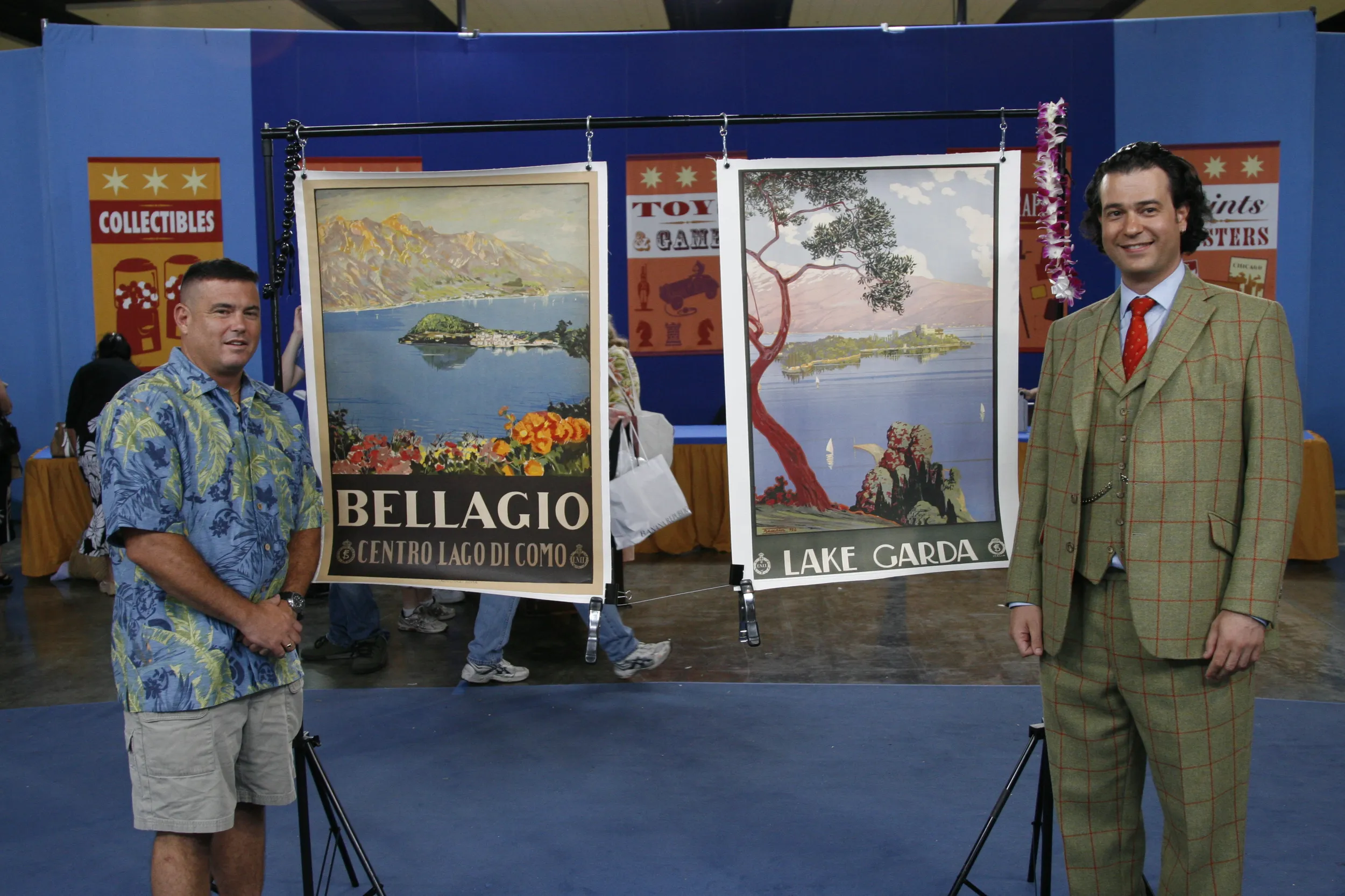
20th-Century Italian Travel Posters
appraisal
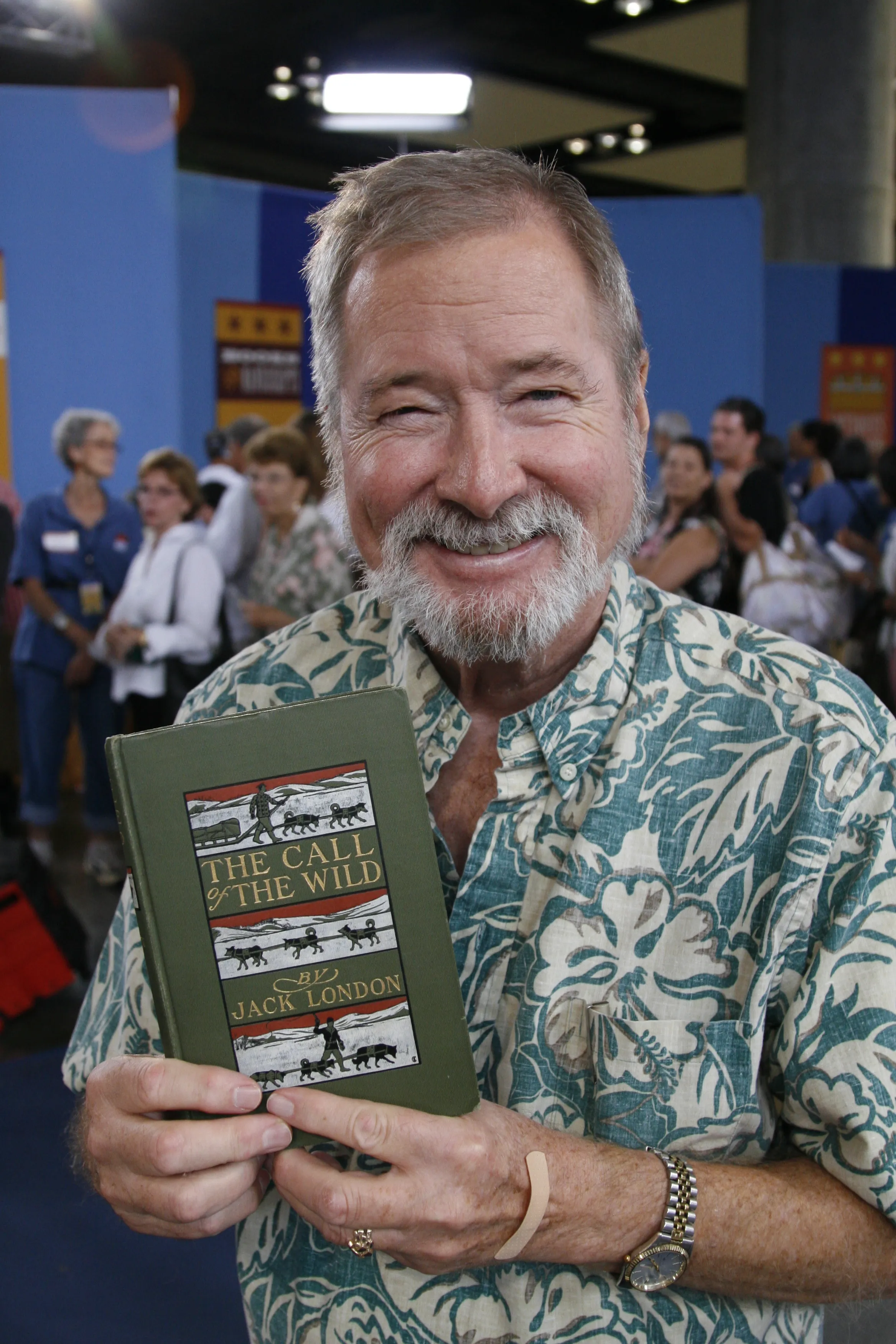
1903 Jack London Call of the Wild Book with Letter
appraisal
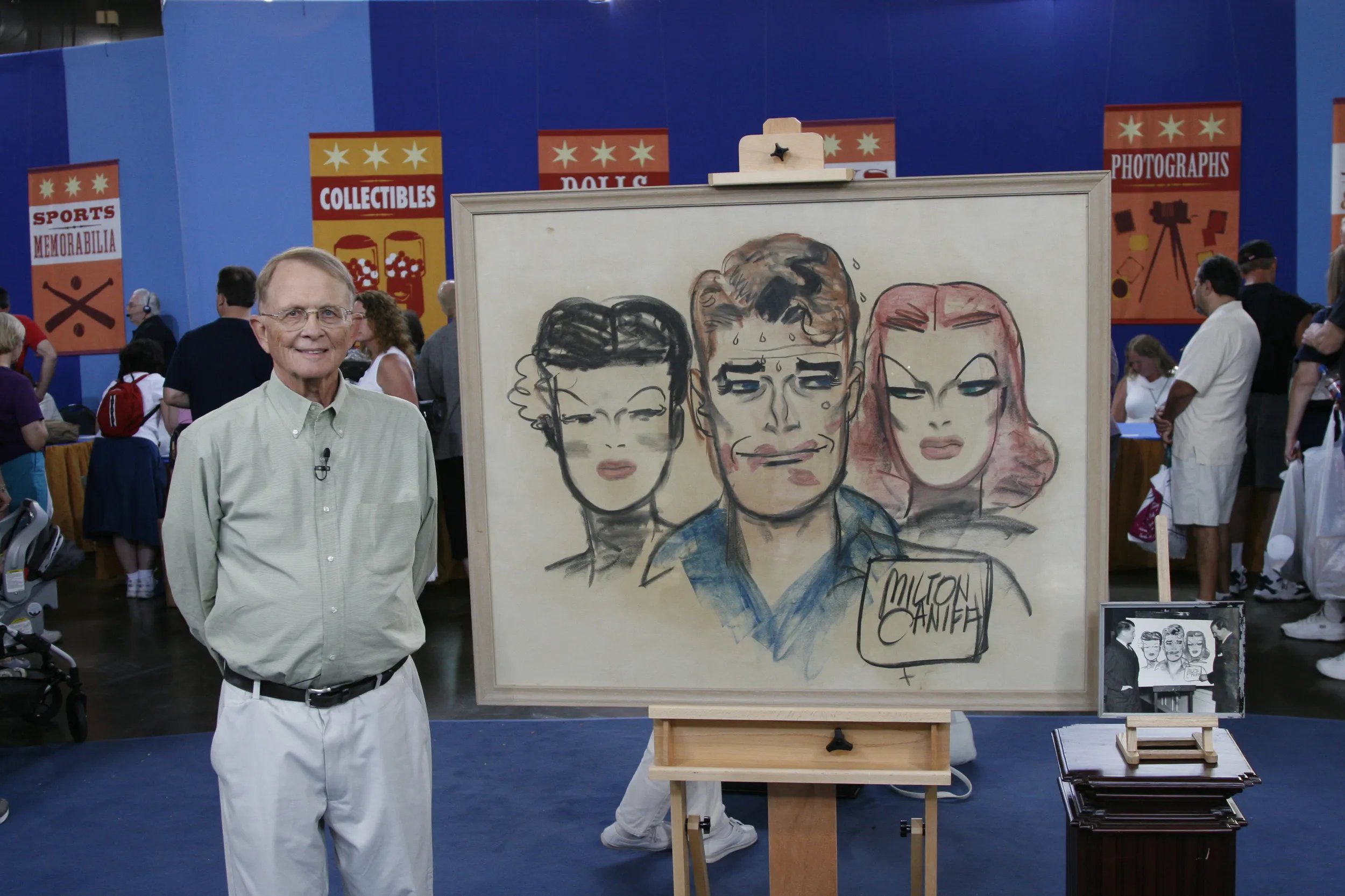
1946 Milton Caniff Pastel Drawing

appraisal
20th-Century Presidential Autographs
Understanding Our Appraisals
Executive producer Marsha Bemko shares her tips for getting the most out of ANTIQUES ROADSHOW.
Value can change: The value of an item is dependent upon many things, including the condition of the object itself, trends in the market for that kind of object, and the location where the item will be sold. These are just some of the reasons why the answer to the question "What's it worth?" is so often "It depends."
Note the date: Take note of the date the appraisal was recorded. This information appears in the upper left corner of the page, with the label "Appraised On." Values change over time according to market forces, so the current value of the item could be higher, lower, or the same as when our expert first appraised it.
Context is key: Listen carefully. Most of our experts will give appraisal values in context. For example, you'll often hear them say what an item is worth "at auction," or "retail," or "for insurance purposes" (replacement value). Retail prices are different from wholesale prices. Often an auctioneer will talk about what she knows best: the auction market. A shop owner will usually talk about what he knows best: the retail price he'd place on the object in his shop. And though there are no hard and fast rules, an object's auction price can often be half its retail value; yet for other objects, an auction price could be higher than retail. As a rule, however, retail and insurance/replacement values are about the same.
Verbal approximations: The values given by the experts on ANTIQUES ROADSHOW are considered "verbal approximations of value." Technically, an "appraisal" is a legal document, generally for insurance purposes, written by a qualified expert and paid for by the owner of the item. An appraisal usually involves an extensive amount of research to establish authenticity, provenance, composition, method of construction, and other important attributes of a particular object.
Opinion of value: As with all appraisals, the verbal approximations of value given at ROADSHOW events are our experts' opinions formed from their knowledge of antiques and collectibles, market trends, and other factors. Although our valuations are based on research and experience, opinions can, and sometimes do, vary among experts.
Appraiser affiliations: Finally, the affiliation of the appraiser may have changed since the appraisal was recorded. To see current contact information for an appraiser in the ROADSHOW Archive, click on the link below the appraiser's picture. Our Appraiser Index also contains a complete list of active ROADSHOW appraisers and their contact details and biographies.


