1949 Babe Didrikson Zaharias-signed Ball
APPRAISER: This is a Babe D. Zaharias signed tennis ball. How did you get this?
GUEST: This is something my dad gave me in 1949 when he was 16 years old. He went to, uh, Madison Square Garden and Babe was there with some sports thing and she was chipping these balls out into the audience with her golf clubs. My dad just reached his hand up and he grabbed a ball. That's how I ended up with...
APPRAISER: So was it signed?
GUEST: She had them signed and then was just sending ‘em out into the audience.
APPRAISER: So what have you learned about Babe?
GUEST: Um, well, I know that she got the name Babe from Babe Ruth, because her real name was Mildred.
APPRAISER: That's, that's right.
GUEST: So I'd go with Babe, too.
(both laugh)
GUEST: In 1932, she went to the Olympics. She won two gold medals, one for javelin, one for hurdles, and then she got a silver medal as well. And she did, she did golf, she did tennis. She was a seamstress that sewed her own tennis uniform sometimes.
APPRAISER: Babe Didrikson Zaharias is the greatest all-around female athlete in history. She got her start playing AAU basketball. She was a ringer for her office team. She played baseball. And then, of course, she ran track and field...
GUEST: Right.
APPRAISER: ...went to the Olympics, won the two gold medals, won a silver medal and set four world records in 1932.
GUEST: Wow.
APPRAISER: And then just for the heck of it, a few years later in '35, when she was 24, she decided she was gonna take up golf.
GUEST: Yeah, amazing.
APPRAISER: And what happens? She becomes the leading female golfer in the world.
GUEST: Mm-hmm.
APPRAISER: She wins ten major women's tournaments. She's one of the founders of the LPGA. You said she was a seamstress.
GUEST: She, yeah.
APPRAISER: She also played the harmonica, she was recorded...
GUEST: I heard, yes, yes, that she was a harmonica player.
APPRAISER: And she spun some tall tales, too. She's the one who put out the Babe story. Really what happened is her mom called her Bebe, and that turned into Babe. I know it's priceless to you, but have you ever had this valued?
GUEST: My dad did, uh, I think, about 20 years ago maybe, um, he had it valued at somewhere between $500 and $750 bucks, something like that.
APPRAISER: Well, have you seen the growth in women's sports over the last several years?
GUEST: Oh yeah, absolutely.
APPRAISER: The memorabilia market has also gone up. I would place an auction estimate of $1,500 to $2,500 on the ball.
GUEST: Oh, cool. Oh, that is awesome. My dad will be very happy. (laughs) That's neat, that is really, really cool. (laughs)
$1,500 - $2,500 Auction
Featured In

episode
Georgia State Railroad Museum, Hour 2
Premiered Mon, Feb 2, 2026 — All aboard as ROADSHOW travels to Savannah, Georgia, in search of America’s hidden treasures.
1940s
appraisal
appraisal
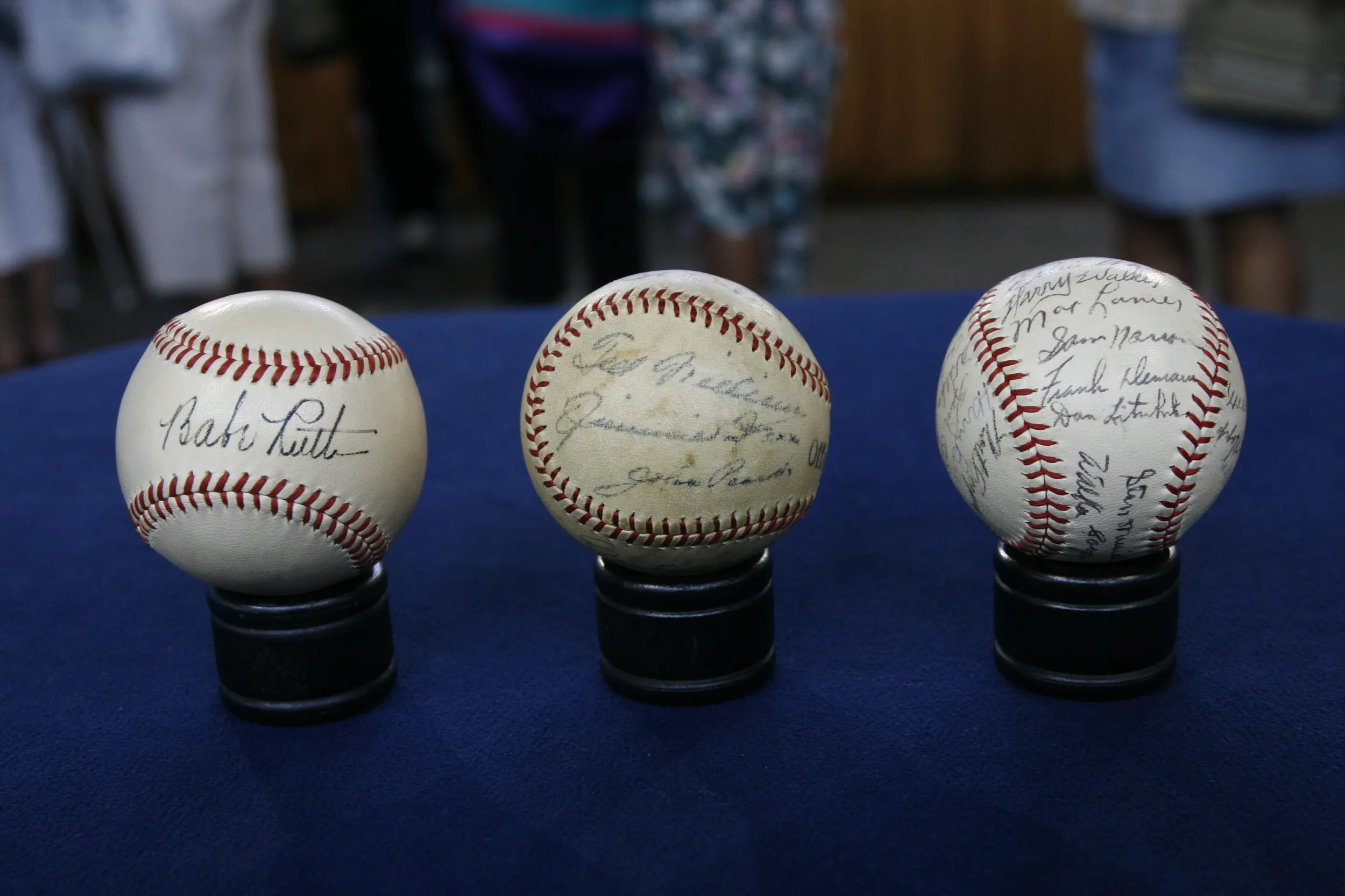
Three 1940s Signed Baseballs
appraisal
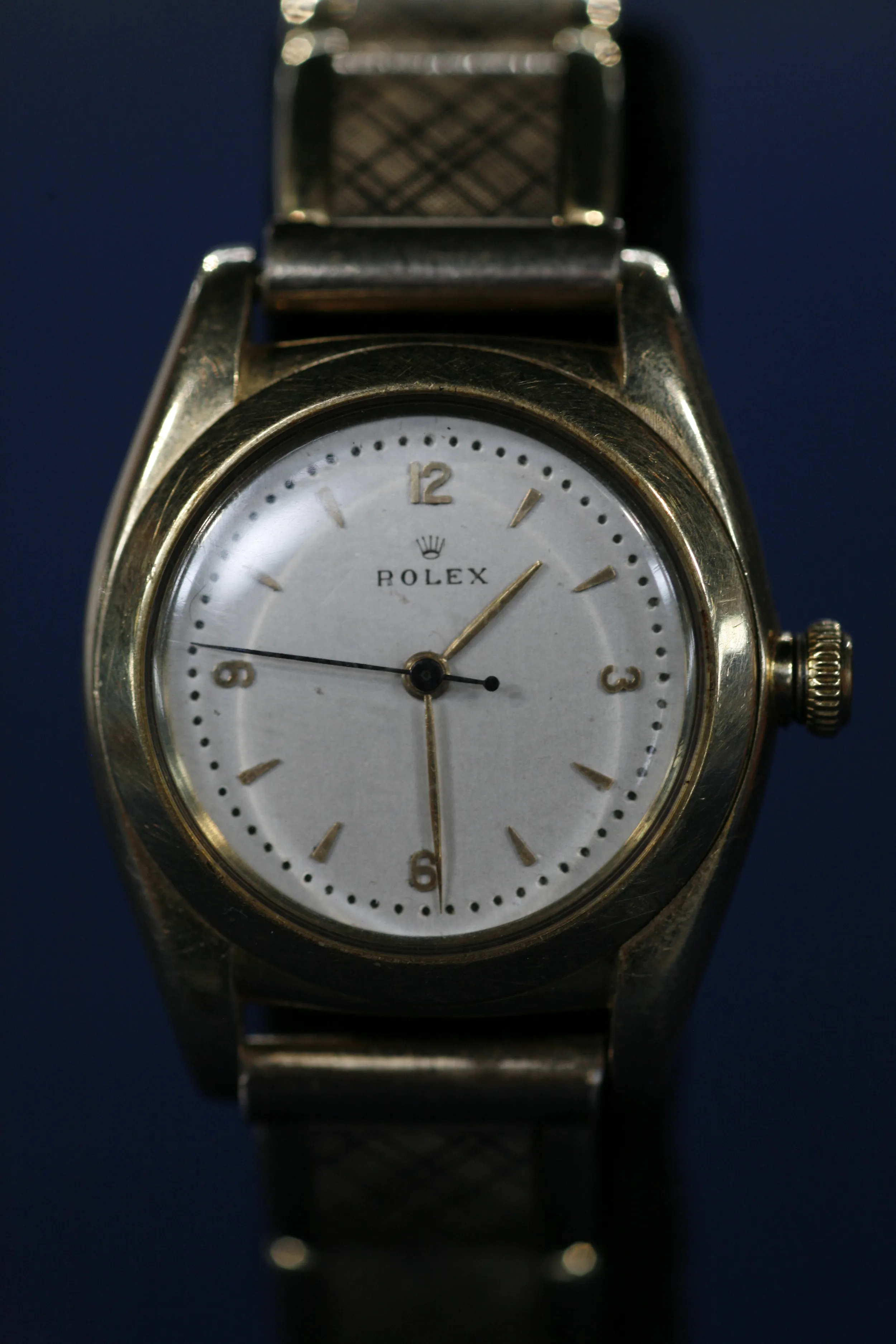
Rolex "Bubbleback" Watch, ca. 1940
appraisal
Audemars Piguet Watch, ca. 1940
Understanding Our Appraisals
Executive producer Marsha Bemko shares her tips for getting the most out of ANTIQUES ROADSHOW.
Value can change: The value of an item is dependent upon many things, including the condition of the object itself, trends in the market for that kind of object, and the location where the item will be sold. These are just some of the reasons why the answer to the question "What's it worth?" is so often "It depends."
Note the date: Take note of the date the appraisal was recorded. This information appears in the upper left corner of the page, with the label "Appraised On." Values change over time according to market forces, so the current value of the item could be higher, lower, or the same as when our expert first appraised it.
Context is key: Listen carefully. Most of our experts will give appraisal values in context. For example, you'll often hear them say what an item is worth "at auction," or "retail," or "for insurance purposes" (replacement value). Retail prices are different from wholesale prices. Often an auctioneer will talk about what she knows best: the auction market. A shop owner will usually talk about what he knows best: the retail price he'd place on the object in his shop. And though there are no hard and fast rules, an object's auction price can often be half its retail value; yet for other objects, an auction price could be higher than retail. As a rule, however, retail and insurance/replacement values are about the same.
Verbal approximations: The values given by the experts on ANTIQUES ROADSHOW are considered "verbal approximations of value." Technically, an "appraisal" is a legal document, generally for insurance purposes, written by a qualified expert and paid for by the owner of the item. An appraisal usually involves an extensive amount of research to establish authenticity, provenance, composition, method of construction, and other important attributes of a particular object.
Opinion of value: As with all appraisals, the verbal approximations of value given at ROADSHOW events are our experts' opinions formed from their knowledge of antiques and collectibles, market trends, and other factors. Although our valuations are based on research and experience, opinions can, and sometimes do, vary among experts.
Appraiser affiliations: Finally, the affiliation of the appraiser may have changed since the appraisal was recorded. To see current contact information for an appraiser in the ROADSHOW Archive, click on the link below the appraiser's picture. Our Appraiser Index also contains a complete list of active ROADSHOW appraisers and their contact details and biographies.


