1948 Cleveland Indians Bat Boy Worn Uniform
GUEST: We had just moved to Cleveland from West Virginia. And my mom went into the Marine Hospital as a nurse, and we lived near there. And they had a bat boy contest and you know I want to be bat boy for the Cleveland Indians. And we wrote, you know all the kids that are 14, wrote in on that and ten of us were taken in for an interview with Bill Veeck and some other folks. And I got second place, and was bat boy for visiting teams.
APPRAISER: And first place was probably the Indians own...
GUEST: Yeah.
APPRAISER: …bat boy but second place wasn't too shabby, you got to go to all the games.
GUEST: That's right.
APPRAISER: And what better year than 1948, the year they won their second of two World Series, their last World Series Championship. So you wore this during the regular season.
GUEST: Yes.
APPRAISER: And during the World Series, presumably during games three, four, and five, when they were at home, okay? Tell me about the jersey, was it hot wearing it?
GUEST: Oh yes, this was wool uniforms.
APPRAISER: They present nicely, you've kept tremendous care of them over the years. Were the players nice to you when you were a bat boy?
GUEST: Yes, they were. Some nicer than others. A lot of them were preoccupied, you know, and didn't have time to fool with a kid, that's all right.
APPRAISER: Satchel Paige, do you recall Satchel Paige that year?
GUEST: Yes I sure do.
APPRAISER: 1948, Bill Veeck recruited Satchel Paige from the Negro Leagues and Satchel then became the oldest rookie at 42 years old. It was six and one that year, pitched at one of the games in the World Series, and ultimately helped them win. Very interesting, and it's nice to hear that you got to witness one of the most amazing athletes in baseball history.
GUEST: His pitches, hesitation pitch...
APPRAISER: Really something special and you wore this during that great year, again their last World Series. The one thing I wanna tell you, we didn't discuss, is value and I'm sure you're curious. This is hard to quantify because bat boy game, Series-worn jerseys, I've never come across, but we have come across professional players. If we're going to quantify the value, we have to consider what those have sold for. Given that, I think a value at auction, I think $2,000 to $3,000.
GUEST: All right.
$2,000 - $3,000 Auction
Nostalgic Collectibles
appraisal
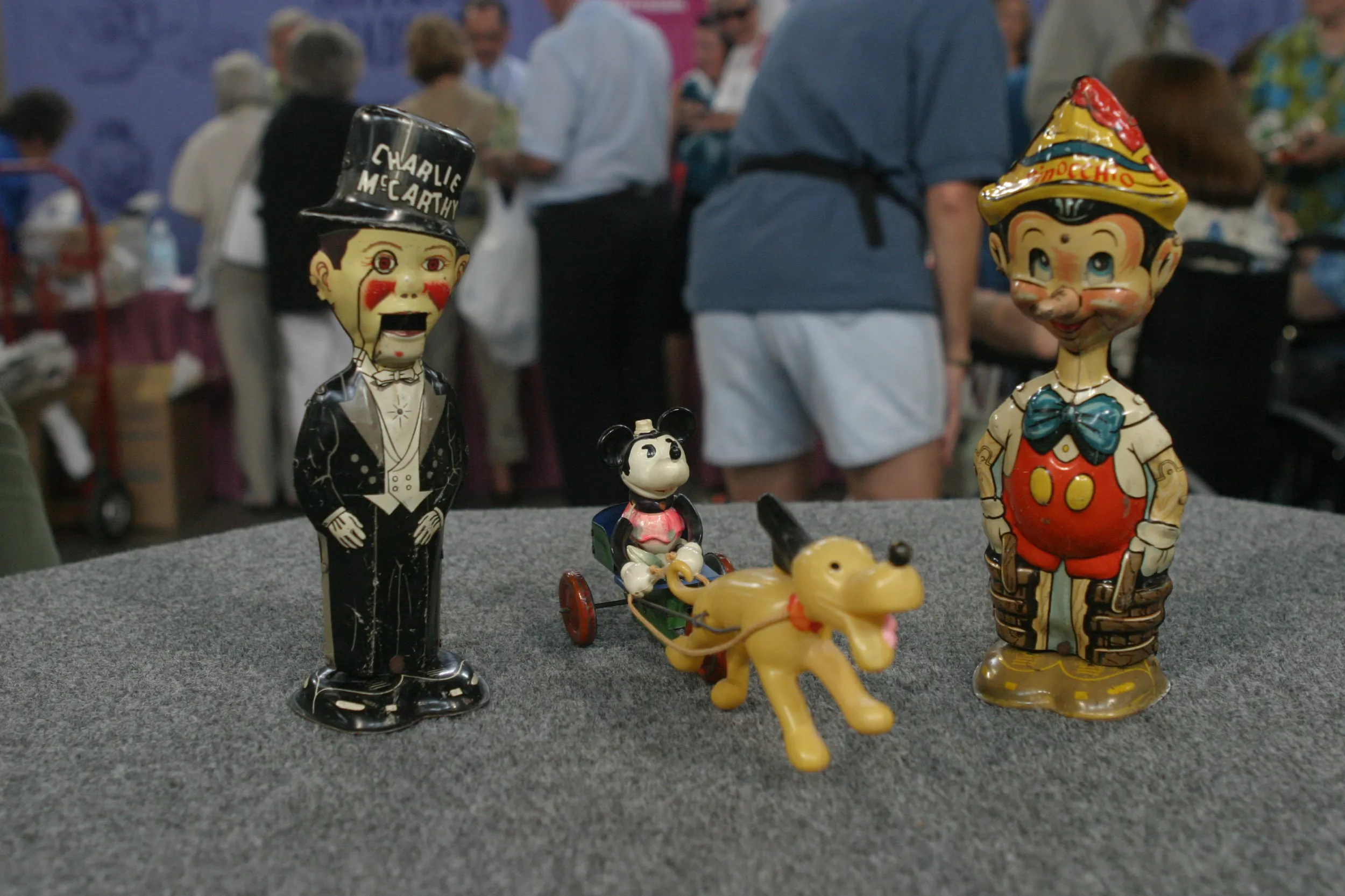
Comic Wind-up Toys, ca. 1930
appraisal
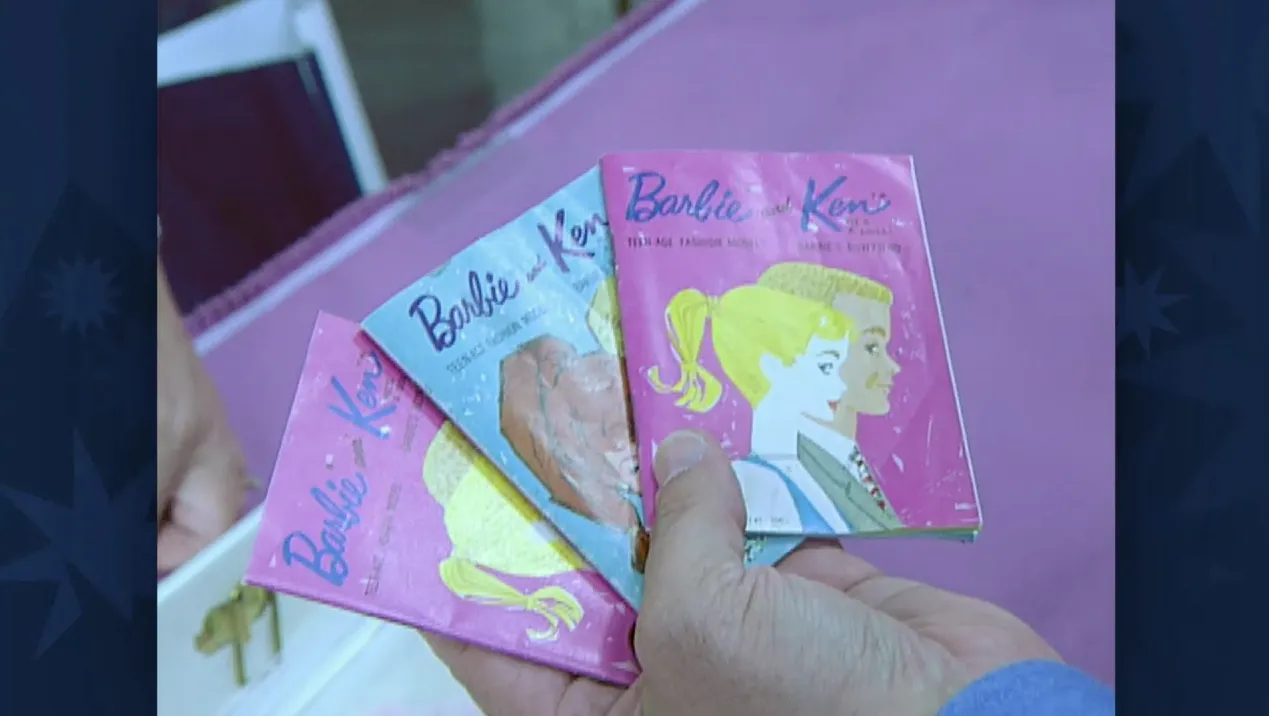
Barbie Accessories & Case, ca. 1960
appraisal

appraisal
Frank Zappa Painting, ca. 1960
Understanding Our Appraisals
Executive producer Marsha Bemko shares her tips for getting the most out of ANTIQUES ROADSHOW.
Value can change: The value of an item is dependent upon many things, including the condition of the object itself, trends in the market for that kind of object, and the location where the item will be sold. These are just some of the reasons why the answer to the question "What's it worth?" is so often "It depends."
Note the date: Take note of the date the appraisal was recorded. This information appears in the upper left corner of the page, with the label "Appraised On." Values change over time according to market forces, so the current value of the item could be higher, lower, or the same as when our expert first appraised it.
Context is key: Listen carefully. Most of our experts will give appraisal values in context. For example, you'll often hear them say what an item is worth "at auction," or "retail," or "for insurance purposes" (replacement value). Retail prices are different from wholesale prices. Often an auctioneer will talk about what she knows best: the auction market. A shop owner will usually talk about what he knows best: the retail price he'd place on the object in his shop. And though there are no hard and fast rules, an object's auction price can often be half its retail value; yet for other objects, an auction price could be higher than retail. As a rule, however, retail and insurance/replacement values are about the same.
Verbal approximations: The values given by the experts on ANTIQUES ROADSHOW are considered "verbal approximations of value." Technically, an "appraisal" is a legal document, generally for insurance purposes, written by a qualified expert and paid for by the owner of the item. An appraisal usually involves an extensive amount of research to establish authenticity, provenance, composition, method of construction, and other important attributes of a particular object.
Opinion of value: As with all appraisals, the verbal approximations of value given at ROADSHOW events are our experts' opinions formed from their knowledge of antiques and collectibles, market trends, and other factors. Although our valuations are based on research and experience, opinions can, and sometimes do, vary among experts.
Appraiser affiliations: Finally, the affiliation of the appraiser may have changed since the appraisal was recorded. To see current contact information for an appraiser in the ROADSHOW Archive, click on the link below the appraiser's picture. Our Appraiser Index also contains a complete list of active ROADSHOW appraisers and their contact details and biographies.


