1941 Maynard Dixon Oil on Board
GUEST: This painting was a painting that my grandfather was given. It was given by Maynard Dixon himself. Maynard Dixon had a studio and lived in Mount Carmel, Utah, part of the year and then, I understand, in, uh, Tucson, I believe. Mount Carmel, Utah, would be right here on the, up the road from this scene. So, this is looking east from Mount Carmel, where his studio would, would've been. Probably three hours, three-and-a-half hours south of here. It's on the east side of Zion National Park. He had gotten himself caught and stuck in a bog of some kind, a muddy, muddy spot in a country road. And my grandfather just happened to be out there. He had a small farm there, and, uh, was able to pull Maynard Dixon and all of his stuff out of this muddy bog. And a few days later, Maynard showed up on his doorstep and gave them this painting.
APPRAISER: Wow. So, were they friends? Did they know each other before this, this encounter?
GUEST: W, what I understand from what my father said is, everybody knew who Maynard Dixon was. He was the odd man that everybody knew was kind of famous, but they didn't know exactly why he lived down there. My father passed away in 1991, and so I've had it since then.
APPRAISER: It's a wonderful painting, and it's a better story. Maynard Dixon was born in California in 1875. Had kind of a journeyman life.
GUEST: Mm-hmm.
APPRAISER: Lived in San Francisco, left San Francisco after the 1906 earthquake...
GUEST: Oh.
APPRAISER: ...destroyed a lot of his earlier work. He was, um, he started off as an illustrator, as a lot of these artists did.
GUEST: Right.
APPRAISER: He was pretty much self-taught. He did go to art school in San Francisco, but he only was there for about three months, and then stopped. He traveled around, painting in different parts of California. He eventually discovered Arizona and the West, and fell in love with the Southwest, with Native American culture. He did paintings of Native Americans. In 1939, he moved to this area...
GUEST: Okay.
APPRAISER: ...of Utah with his wife. And they also had a place in Tucson, which you mentioned. The climate was drier there, and he had some health issues. This is an oil on board.
GUEST: Okay.
APPRAISER: It's, uh, 12 by 16 inches, which is kind of a standard size. Artists would buy these artist boards that they could carry with them. It's a wonderful example of his later style. He died in 1946. He inscribed it on the back, as well.
GUEST: Well, it has his name and address. I believe this is the original frame. About 25 years ago, or 30, I, I did take it in to the curator of, of the B.Y.U., uh, art museum, and they took a photo of it. They wanted to catalogue it. They told me at the time it w, that it should be worth from $10,000 to $15,000.
APPRAISER: The insurance value for this painting would be $50,000.
GUEST: Oh, my gosh. (laughs) Well, I hope we never have to collect. (laughing) ...on that insurance policy, but... I, uh, yeah. I just, I like it because of the history. My father was really attached to this painting, and, uh... (chuckles) I'm blown away.
APPRAISER: Dixon's auction record is, uh, over $2 million.
GUEST: Wow-- oh, my.

$50,000 Insurance
Featured In

episode
Red Butte Garden & Arboretum, Hour 1
Premiered Mon, Jan 5, 2026 — ROADSHOW celebrates an all-new Season 30, kicking off with a stop in Salt Lake City, Utah!
1940s

appraisal
appraisal
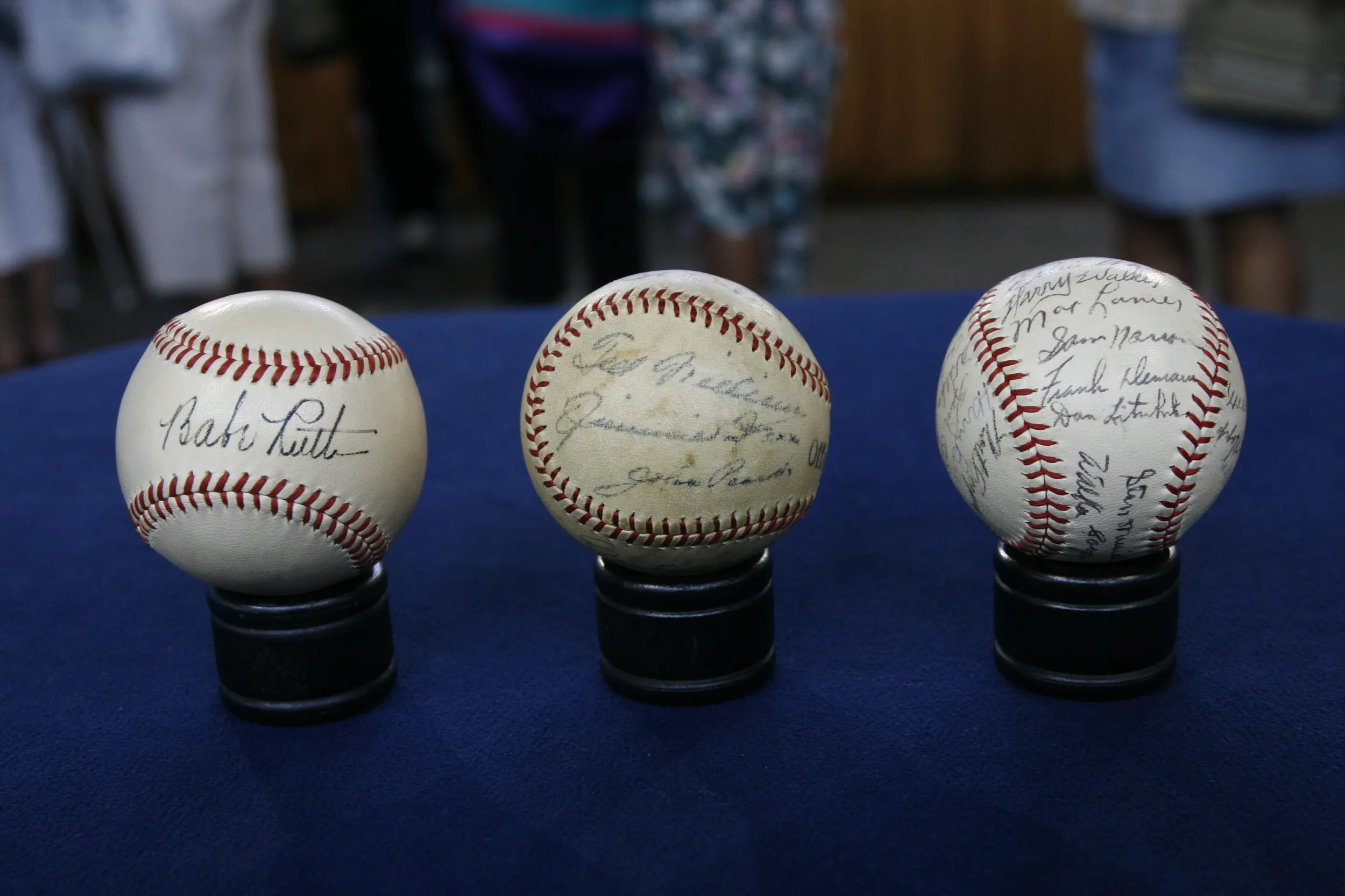
Three 1940s Signed Baseballs
appraisal
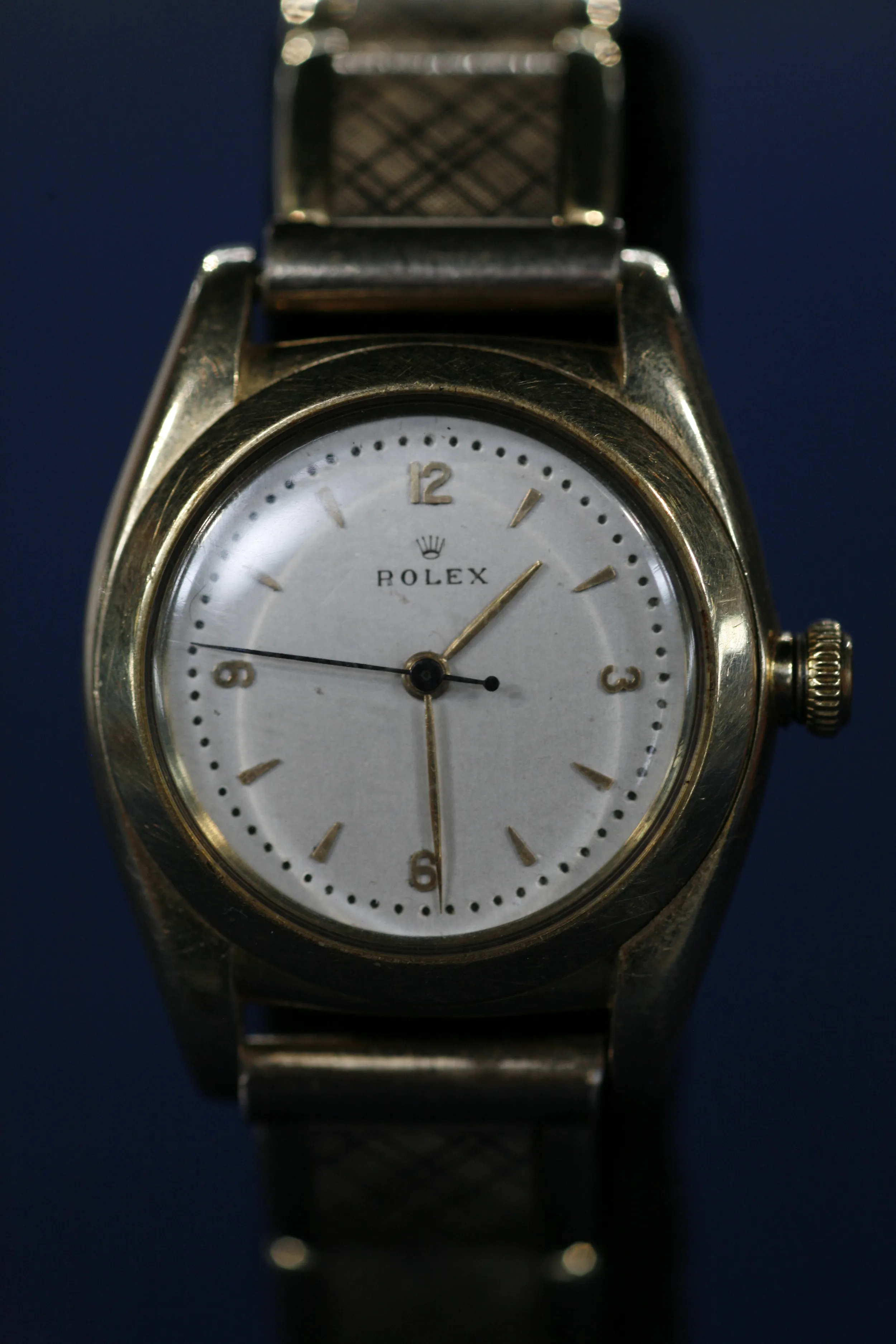
Rolex "Bubbleback" Watch, ca. 1940

appraisal
Audemars Piguet Watch, ca. 1940
Understanding Our Appraisals
Executive producer Marsha Bemko shares her tips for getting the most out of ANTIQUES ROADSHOW.
Value can change: The value of an item is dependent upon many things, including the condition of the object itself, trends in the market for that kind of object, and the location where the item will be sold. These are just some of the reasons why the answer to the question "What's it worth?" is so often "It depends."
Note the date: Take note of the date the appraisal was recorded. This information appears in the upper left corner of the page, with the label "Appraised On." Values change over time according to market forces, so the current value of the item could be higher, lower, or the same as when our expert first appraised it.
Context is key: Listen carefully. Most of our experts will give appraisal values in context. For example, you'll often hear them say what an item is worth "at auction," or "retail," or "for insurance purposes" (replacement value). Retail prices are different from wholesale prices. Often an auctioneer will talk about what she knows best: the auction market. A shop owner will usually talk about what he knows best: the retail price he'd place on the object in his shop. And though there are no hard and fast rules, an object's auction price can often be half its retail value; yet for other objects, an auction price could be higher than retail. As a rule, however, retail and insurance/replacement values are about the same.
Verbal approximations: The values given by the experts on ANTIQUES ROADSHOW are considered "verbal approximations of value." Technically, an "appraisal" is a legal document, generally for insurance purposes, written by a qualified expert and paid for by the owner of the item. An appraisal usually involves an extensive amount of research to establish authenticity, provenance, composition, method of construction, and other important attributes of a particular object.
Opinion of value: As with all appraisals, the verbal approximations of value given at ROADSHOW events are our experts' opinions formed from their knowledge of antiques and collectibles, market trends, and other factors. Although our valuations are based on research and experience, opinions can, and sometimes do, vary among experts.
Appraiser affiliations: Finally, the affiliation of the appraiser may have changed since the appraisal was recorded. To see current contact information for an appraiser in the ROADSHOW Archive, click on the link below the appraiser's picture. Our Appraiser Index also contains a complete list of active ROADSHOW appraisers and their contact details and biographies.


