1929 Selmer Alto Saxophone & Case
GUEST: I bought this saxophone when I was in high school. I actually bought it around my tenth grade year. We were told by the store that it had previously been owned by a jazz musician.
APPRAISER: You remember what you paid for it?
GUEST: I think I paid $1,500. My mother thinks I paid $2,500.
APPRAISER: And the year was?
GUEST: 1990-ish?
APPRAISER: What you have is a Selmer saxophone. Selmer has been, from the beginning, uh, the preeminent brand of saxophones. All the best professional players have played Selmer horns at one time or another and many of them were Selmer endorsers and played them their whole career. This horn is considered a large boar horn. Selmer started building horns in 1922. This horn is from 1929. In 1928 they made their first major improvement...
GUEST: Mm.
APPRAISER: ...which was making them large bore. And this is the first of the large bores. They made them for four years. The big bore gave it much more power and much more flexibility in the tone. The engraving goes below where the bell meets the end bow. And that indicates that it was made and engraved in Paris and sold in Europe.
GUEST: Oh! Oh!
APPRAISER: They made very poor cases for their European horns.
GUEST: (laughs)
APPRAISER: They were actually like pressed cardboard.
GUEST: Mm.
APPRAISER: And this is a professional American-made case. So this is a case that somebody replaced. These are-are really special horns. Uh, and this is in special condition. You don't hardly ever see them without wear on 'em like this. It's heavy silver plate over brass. And on all the places where your hands touch it, it usually wears through.
GUEST: Mm
APPRAISER: And these horns are usually spotted or sometimes even without silver plate left at all on them. On a retail sales level, I would estimate that this horn would sell for between $3,500 and $4,000 today.
GUEST: Really? That's great!
APPRAISER: Yeah. And it has a nice overhaul on it and good pads.
GUEST: Yeah.
APPRAISER: It looks playable as it is.
GUEST: That's great. It's been sitting under the bed for 30 years.
APPRAISER: (chuckles)

$3,500 - $4,000 Retail
Featured In

episode
Maryland Zoo, Hour 2
ROADSHOW finds rare treasures at Maryland Zoo including one worth $180,000!
Musical
appraisal
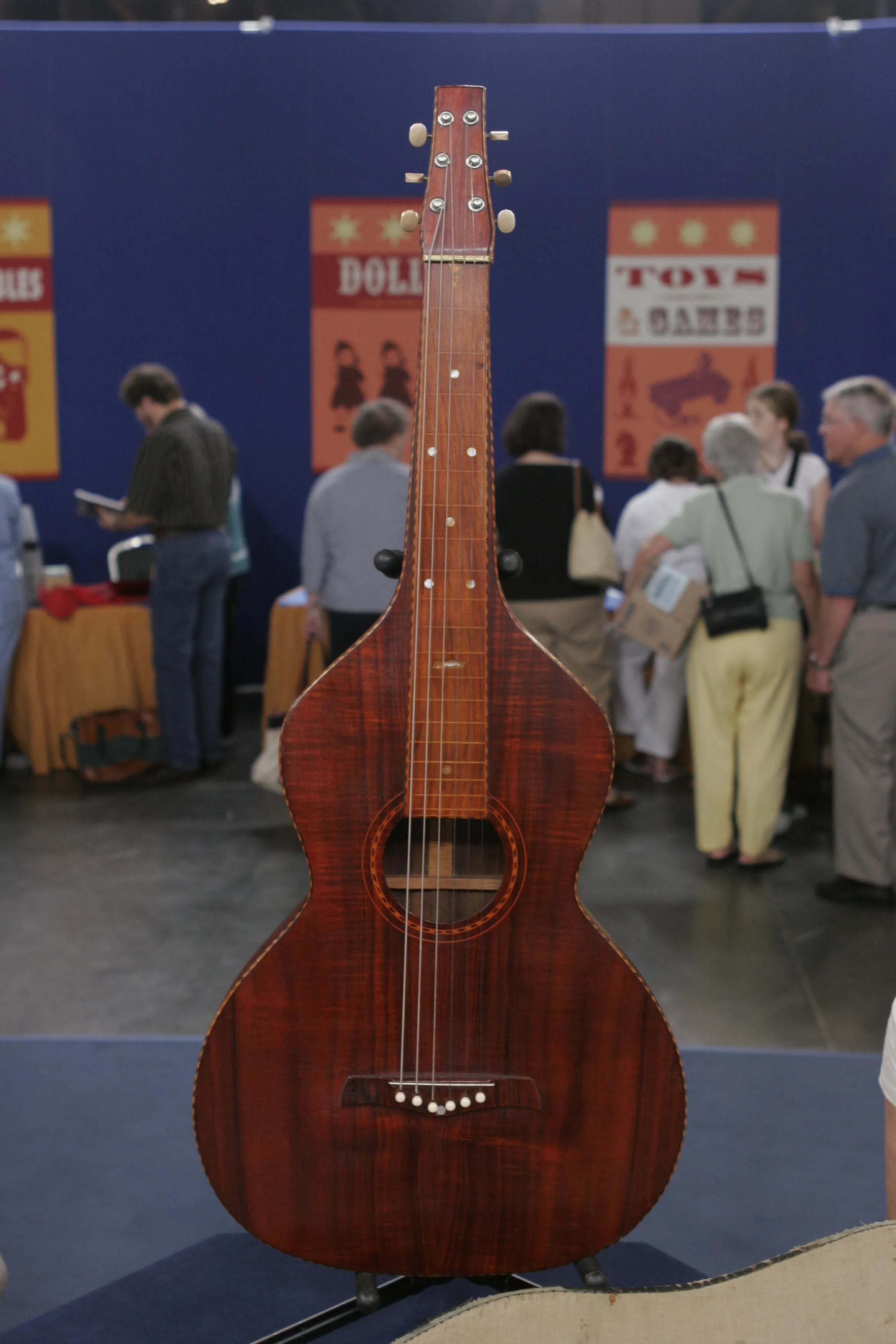
Weissenborn Style 4 Guitar, ca. 1925
appraisal

appraisal
appraisal
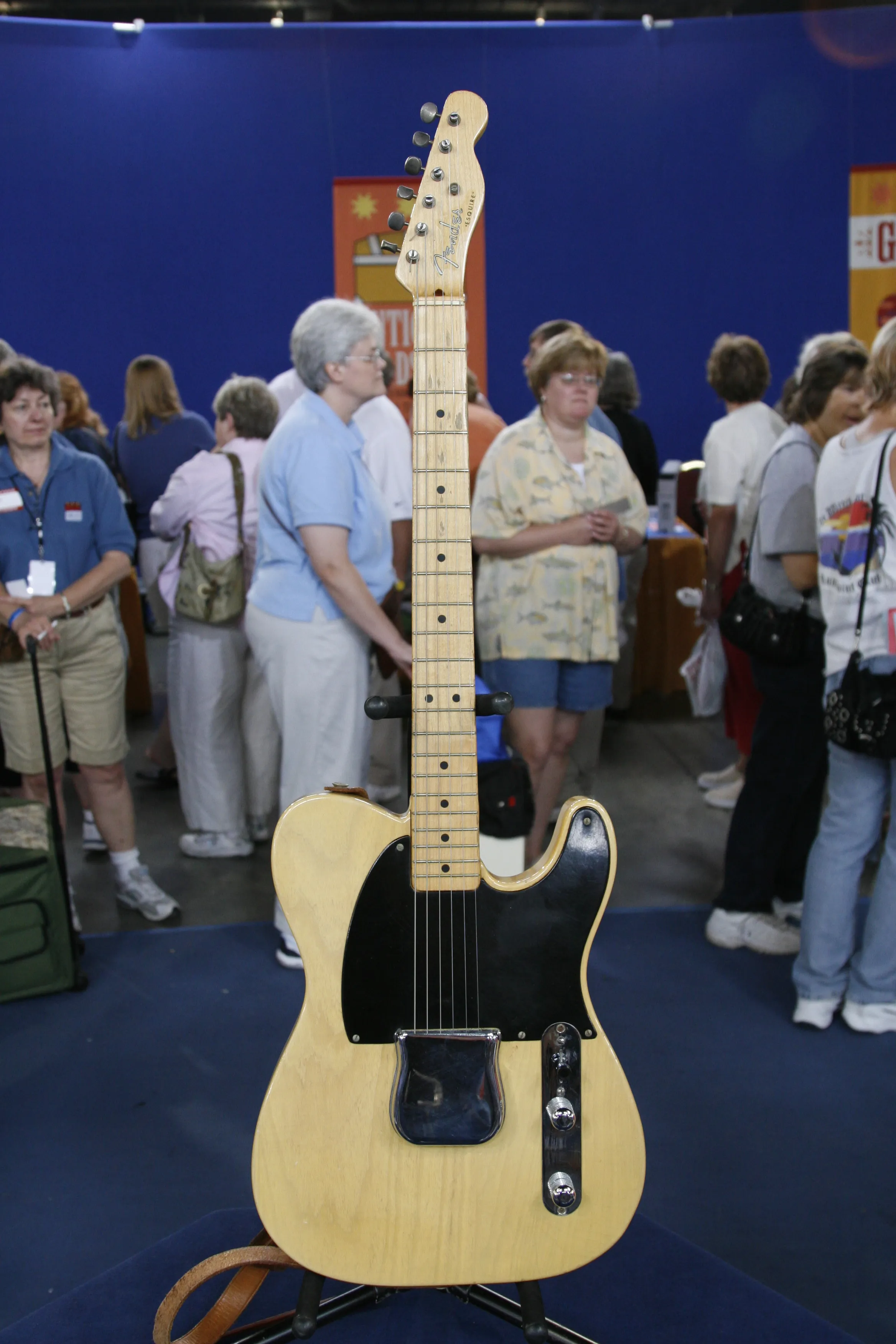
1952 Fender Esquire Guitar
Understanding Our Appraisals
Executive producer Marsha Bemko shares her tips for getting the most out of ANTIQUES ROADSHOW.
Value can change: The value of an item is dependent upon many things, including the condition of the object itself, trends in the market for that kind of object, and the location where the item will be sold. These are just some of the reasons why the answer to the question "What's it worth?" is so often "It depends."
Note the date: Take note of the date the appraisal was recorded. This information appears in the upper left corner of the page, with the label "Appraised On." Values change over time according to market forces, so the current value of the item could be higher, lower, or the same as when our expert first appraised it.
Context is key: Listen carefully. Most of our experts will give appraisal values in context. For example, you'll often hear them say what an item is worth "at auction," or "retail," or "for insurance purposes" (replacement value). Retail prices are different from wholesale prices. Often an auctioneer will talk about what she knows best: the auction market. A shop owner will usually talk about what he knows best: the retail price he'd place on the object in his shop. And though there are no hard and fast rules, an object's auction price can often be half its retail value; yet for other objects, an auction price could be higher than retail. As a rule, however, retail and insurance/replacement values are about the same.
Verbal approximations: The values given by the experts on ANTIQUES ROADSHOW are considered "verbal approximations of value." Technically, an "appraisal" is a legal document, generally for insurance purposes, written by a qualified expert and paid for by the owner of the item. An appraisal usually involves an extensive amount of research to establish authenticity, provenance, composition, method of construction, and other important attributes of a particular object.
Opinion of value: As with all appraisals, the verbal approximations of value given at ROADSHOW events are our experts' opinions formed from their knowledge of antiques and collectibles, market trends, and other factors. Although our valuations are based on research and experience, opinions can, and sometimes do, vary among experts.
Appraiser affiliations: Finally, the affiliation of the appraiser may have changed since the appraisal was recorded. To see current contact information for an appraiser in the ROADSHOW Archive, click on the link below the appraiser's picture. Our Appraiser Index also contains a complete list of active ROADSHOW appraisers and their contact details and biographies.


