1917 Theda Bara Photographs
GUEST: We lived in a building in Hollywood, and the gentleman who designed the costumes lived in the same building with us. We had a storage area in the basement, and one day there was a fire in the basement and our storage area was right next to his. He said, "I'll pay you guys $20 apiece if you'll go down and just throw it all out." And we said, "Throw it all out?" He said, "Yeah, I don't want anything down there." So we sort of went through the things that were there and found these, and I said, "Well, let's, you know, hang onto them."
APPRAISER: Well, that gentleman was George Hopkins, and George was a very famous costume designer, and one of his very first projects was working with a very famous silent film star called Theda Bara. She was the sex symbol of her day. She was the Marilyn Monroe, she was the looker. She starred in only silent films. She did not ever utter a word.
GUEST: Never did any talking.
APPRAISER: Never. Her nickname was "The Vamp," short for "The Vampire." And she always had this very... evocative look. These are silver gelatin prints, and we can see the photographer on them, Albert Witzel. Very famous Hollywood photographer at the time. This one is also autographed and dated by her. A lot of these on the back also show what production they're from. A good deal of them are from Du Barry, a movie that she did in 1917. This woman was paid $4,000 a week to be in films.
GUEST: Wow.
APPRAISER: She was one of the highest paid actresses of her day. And a very strange thing happened to the 40 films that she made. In 1937, Fox Studios had a fire and most of her films burned. These are in really pristine condition and at auction, they would bring between $750 to $1,000 each.
GUEST: Each?
APPRAISER: And the signed one would bring between $2,000 and $3,000.
GUEST: Oh, my God.
APPRAISER: So the value altogether of this would be about $6,500 to $9,000.
GUEST: Holy moly! That's amazing.

$2,500 - $3,000 Auction
$6,500 - $9,000 Auction
Featured In

episode
Albuquerque, NM, Hour 2
A Jasper Johns print, a signed "Pinocchio" book, and a jade snuff bottle: one is $50K-$60K
20th Century
appraisal
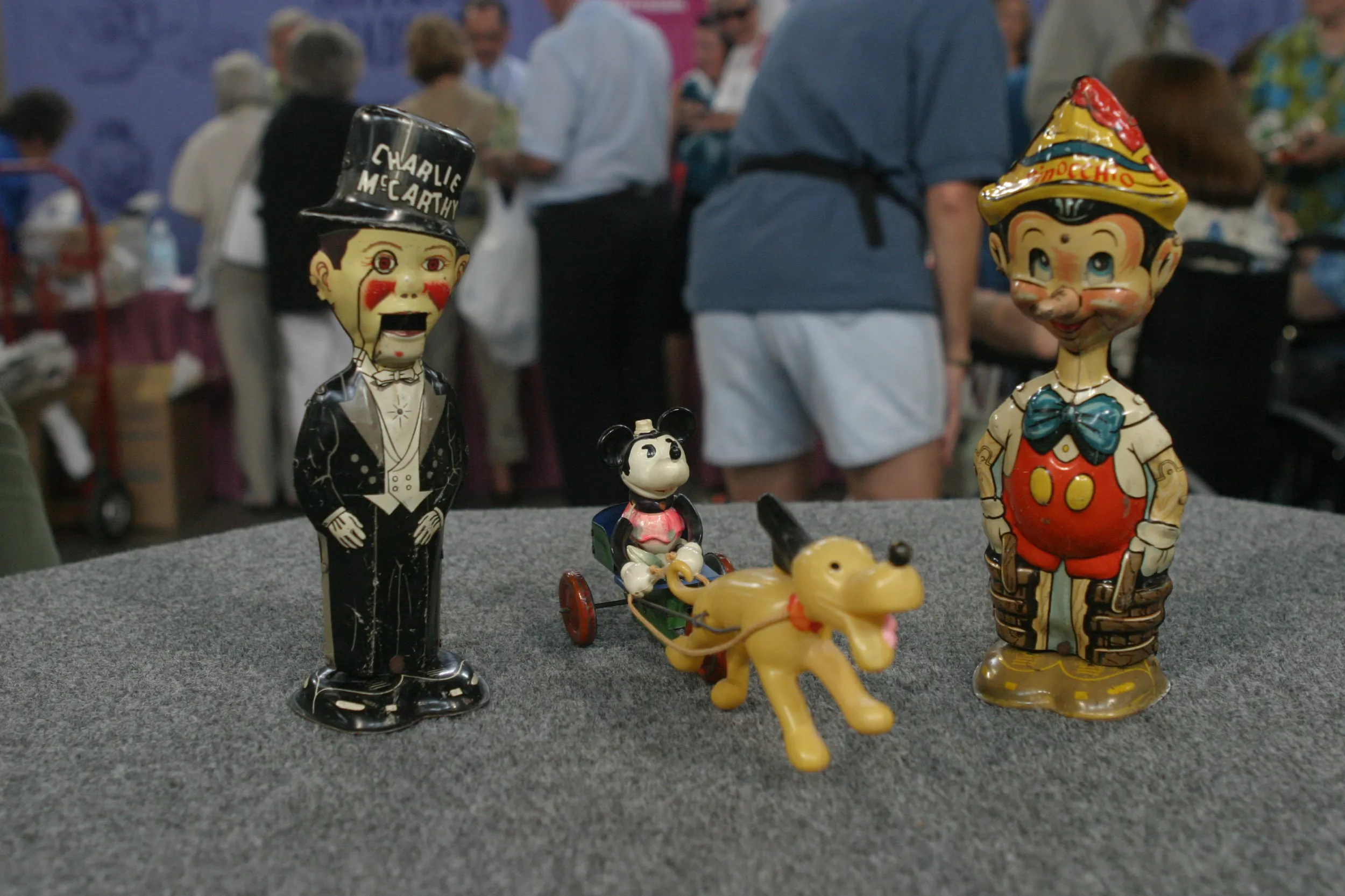
Comic Wind-up Toys, ca. 1930
appraisal
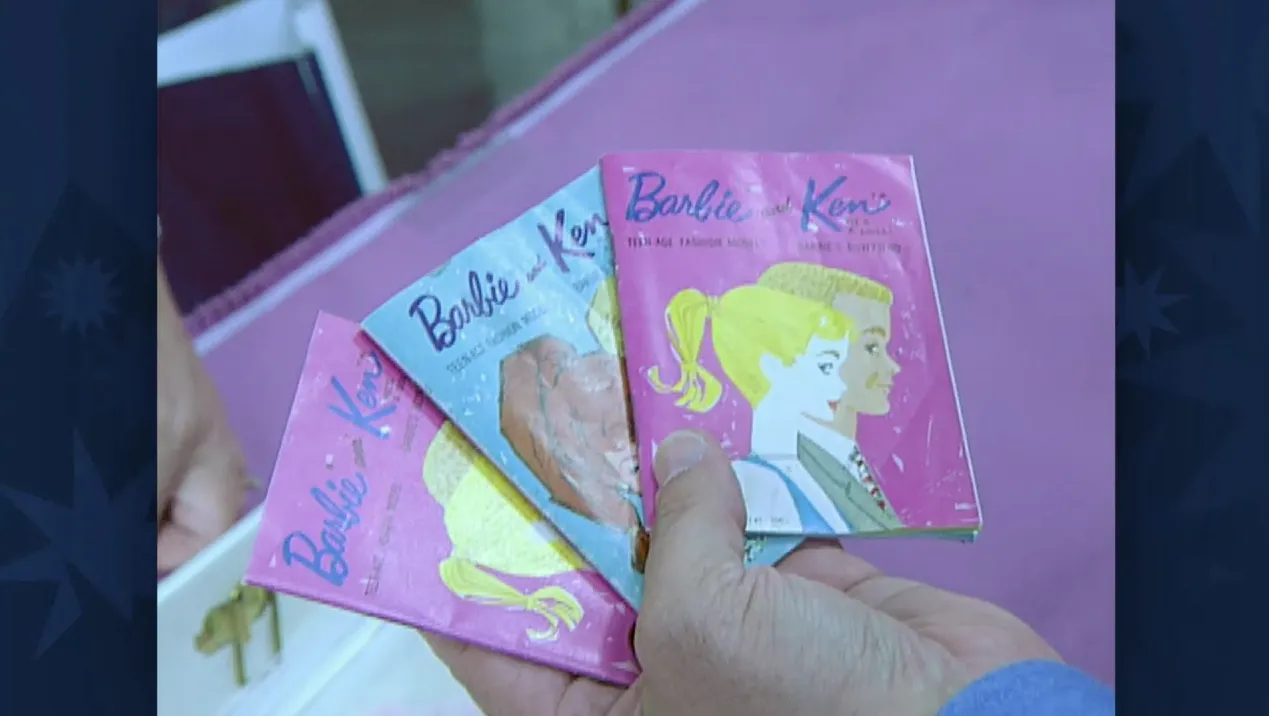
Barbie Accessories & Case, ca. 1960
appraisal
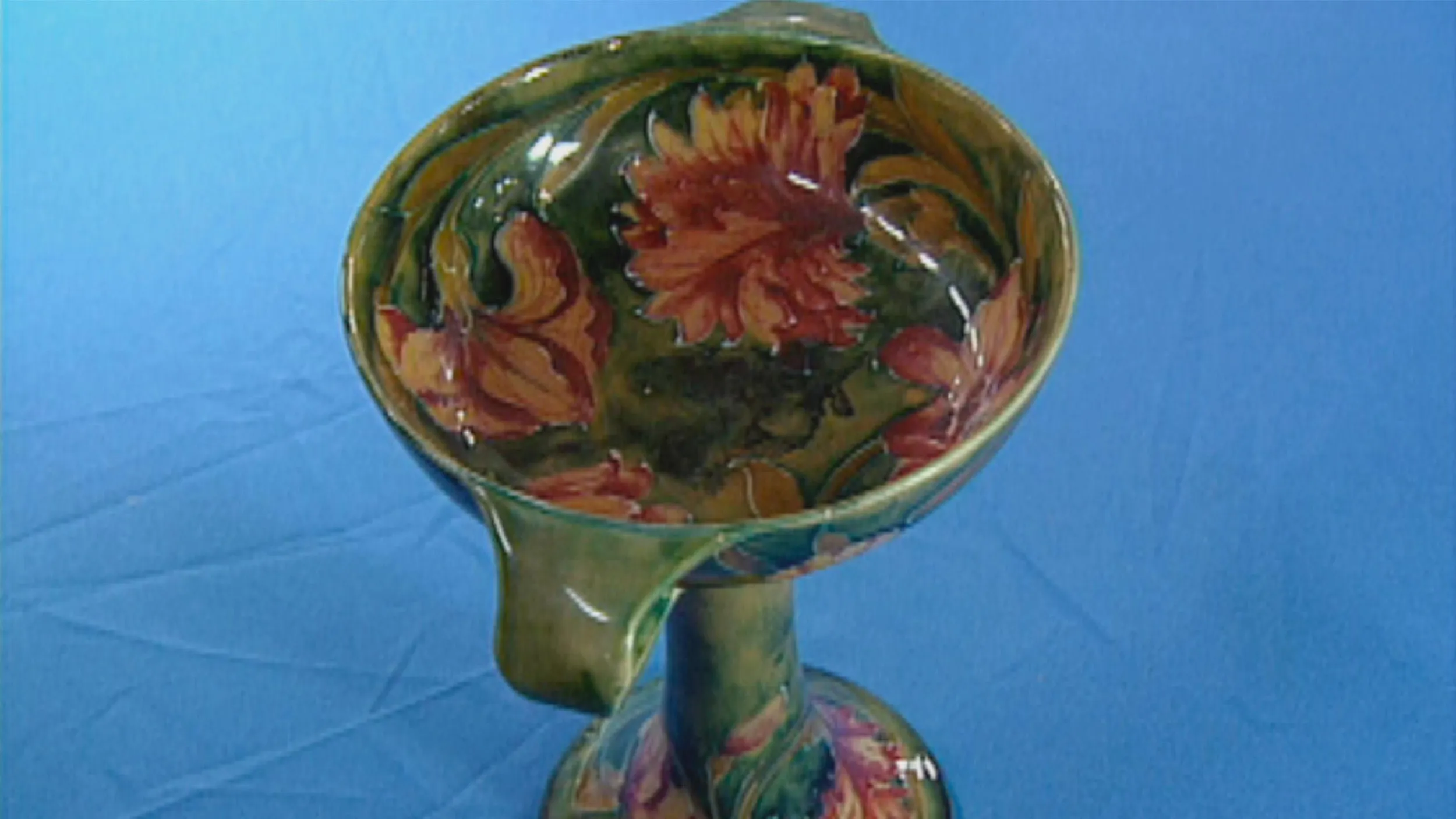
William Moorcroft Pottery, ca. 1910
appraisal
Understanding Our Appraisals
Executive producer Marsha Bemko shares her tips for getting the most out of ANTIQUES ROADSHOW.
Value can change: The value of an item is dependent upon many things, including the condition of the object itself, trends in the market for that kind of object, and the location where the item will be sold. These are just some of the reasons why the answer to the question "What's it worth?" is so often "It depends."
Note the date: Take note of the date the appraisal was recorded. This information appears in the upper left corner of the page, with the label "Appraised On." Values change over time according to market forces, so the current value of the item could be higher, lower, or the same as when our expert first appraised it.
Context is key: Listen carefully. Most of our experts will give appraisal values in context. For example, you'll often hear them say what an item is worth "at auction," or "retail," or "for insurance purposes" (replacement value). Retail prices are different from wholesale prices. Often an auctioneer will talk about what she knows best: the auction market. A shop owner will usually talk about what he knows best: the retail price he'd place on the object in his shop. And though there are no hard and fast rules, an object's auction price can often be half its retail value; yet for other objects, an auction price could be higher than retail. As a rule, however, retail and insurance/replacement values are about the same.
Verbal approximations: The values given by the experts on ANTIQUES ROADSHOW are considered "verbal approximations of value." Technically, an "appraisal" is a legal document, generally for insurance purposes, written by a qualified expert and paid for by the owner of the item. An appraisal usually involves an extensive amount of research to establish authenticity, provenance, composition, method of construction, and other important attributes of a particular object.
Opinion of value: As with all appraisals, the verbal approximations of value given at ROADSHOW events are our experts' opinions formed from their knowledge of antiques and collectibles, market trends, and other factors. Although our valuations are based on research and experience, opinions can, and sometimes do, vary among experts.
Appraiser affiliations: Finally, the affiliation of the appraiser may have changed since the appraisal was recorded. To see current contact information for an appraiser in the ROADSHOW Archive, click on the link below the appraiser's picture. Our Appraiser Index also contains a complete list of active ROADSHOW appraisers and their contact details and biographies.


