1915 Union Printers National Baseball League Trophy
APPRAISER: How did you come to own it?
GUEST 1: My father had it, and when I went off to college, he took the trash can and put it in his window to sell. It's, must have sat there for about four years, and then, in 1978, somebody came in that offered him $50 for it. And my dad looked at me and he said, "Well, I, Gary, that's your trash can. You want to sell it?" And so I kept saying no after $50 increments, and the guy went up to $250, and, when the guy left in a huff, he, he says, "Gary, why didn't you want to sell it for $250?" And I said, "Well, I, 'cause I think it might be sterling silver."
APPRAISER: It is a sterling silver trophy.
GUEST 1: (chuckles)
APPRAISER: You are correct. But it's a fun piece 'cause it has a lot going on for it. In addition to just being a very large, uh, piece of presentation silver, it has crossover appeal. It's not a piece where the person that's buying this is gonna be looking for a perfect-condition piece.
GUEST 1: Right.
APPRAISER: They're more interested in the history that it represents.
GUEST 1: Yeah.
APPRAISER: Now, most people have never heard of the Union Printers' National Baseball League.
GUEST 1: (laughs) Huh.
APPRAISER: So they were originally established in 1908 with eight different teams. And within a couple decades, they had grown to a peak of about 12 teams. And these guys were all card-carrying union typesetters in the printing trade. Finally, the league kind of dissolved naturally. In the early 21st century...
GUEST 1: (chuckling)
APPRAISER: ...typesetting is no longer really a, a widespread career. Technology took over. In 1915, it was won by the St. Louis Typos.
GUEST 1: Right.
APPRAISER: Love their name, that they were comical enough to, to choose "the Typos." So great piece of presentation silver. You can see there're some markings on the underside.
GUEST 1: Yes.
APPRAISER: It's marked here "sterling." Um, "12 pints," which is the size. And then it's marked for the retailer, who is J. E. Caldwell, out of Philadelphia, which makes sense on account of, this tournament was played in Philadelphia. J. E. Caldwell could be seen as the premier jeweler of the time.
GUEST 1: Oh!
APPRAISER: So this is something that would have been retailed by them. Can you tell me about what that, that Sharpie notation was?
GUEST 1: (chuckling) Yeah, so, when I went to take it to get, uh, to the local pawn shop, they weighed it, and, uh, so they gave it to me in pennyweight and troy ounces, and I just Sharpied it on there. And I haven't been polishing it, but last December, I had it polished, but the polisher left that on there.
APPRAISER: (chuckles) Got it-- well, I think polishing was a, was a great choice.
GUEST 1: (chuckles)
APPRAISER: It's not a piece where polishing is gonna hurt it. So at one point, you were offered $250. So the big question is, what is it worth now?
GUEST 1: Exactly.
APPRAISER: As a base value, just the silver alone, um, with silver prices currently at about $30 an ounce, it's about $1,500 in silver.
GUEST 1: Right.
APPRAISER: And then the question is, how much of a premium does an early piece of American baseball history add to it? Granted, a not very well-known one...
GUEST 1: (chuckles)
APPRAISER: ...but an important piece of early American baseball history. And I feel confident that, if it came to auction, we would expect it to do $2,000 to $3,000 at minimum.
GUEST 1: Oh! Okay, great, okay, yeah, that's better than I thought.

$2,000 - $3,000 Auction
Featured In

episode
Grant's Farm, Hour 1
Meet us in St. Louis as ROADSHOW discovers midwest treasures at Grant’s Farm! — Mon, April 27, 2026
1910s
appraisal
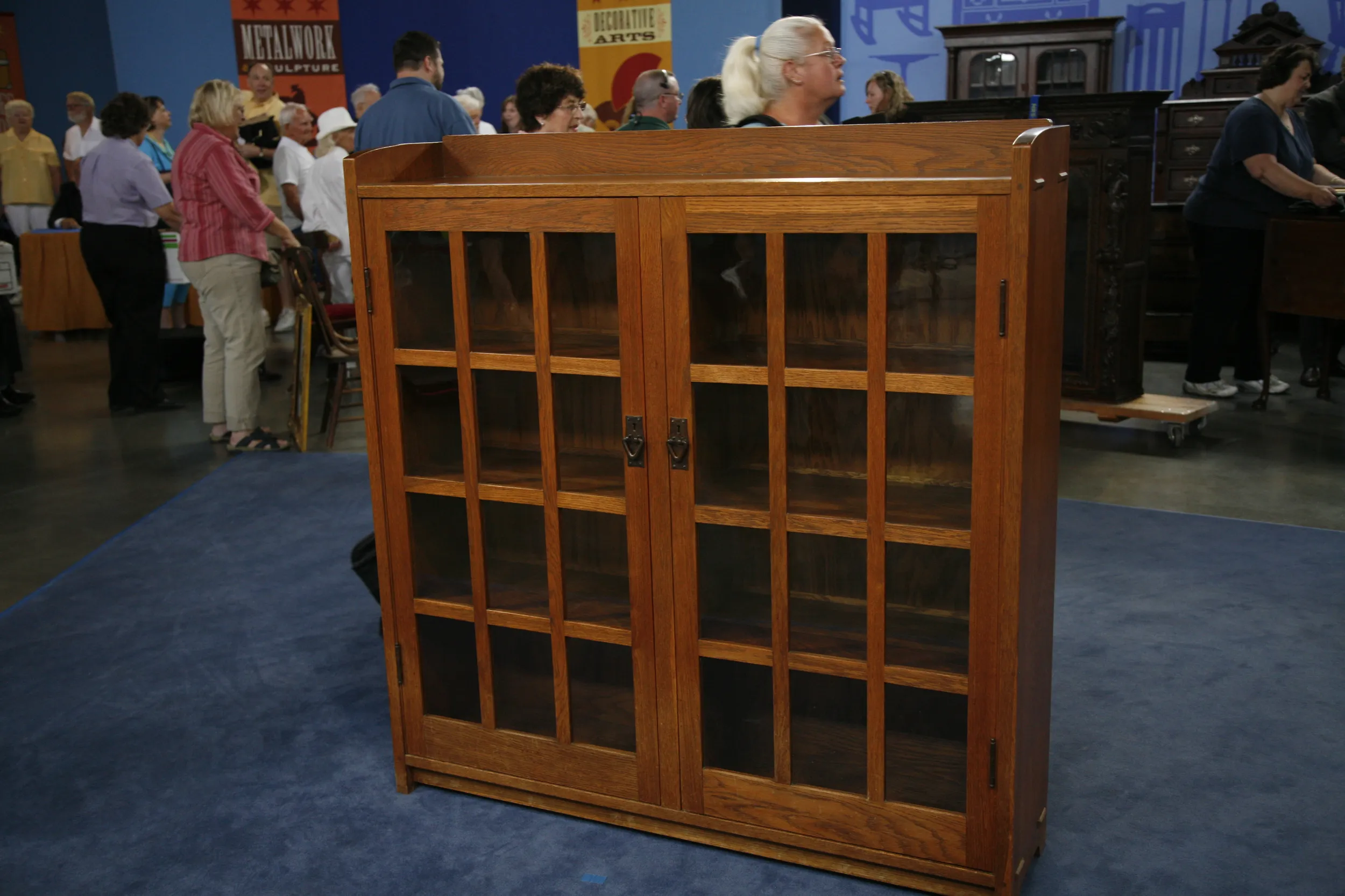
Gustav Stickley Oak Bookcase, ca. 1915
appraisal
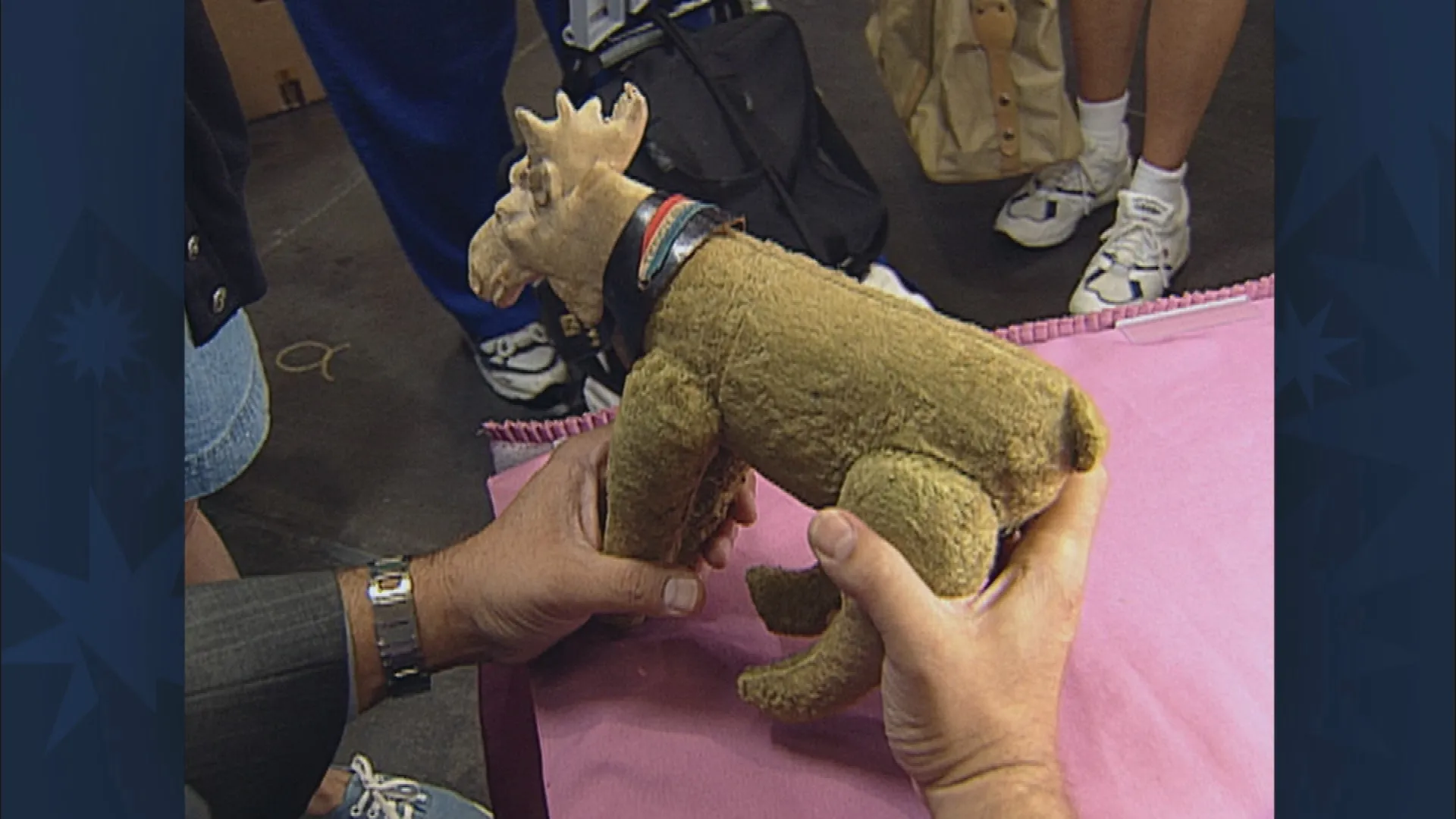
1912 Teddy Roosevelt Bull Moose
appraisal
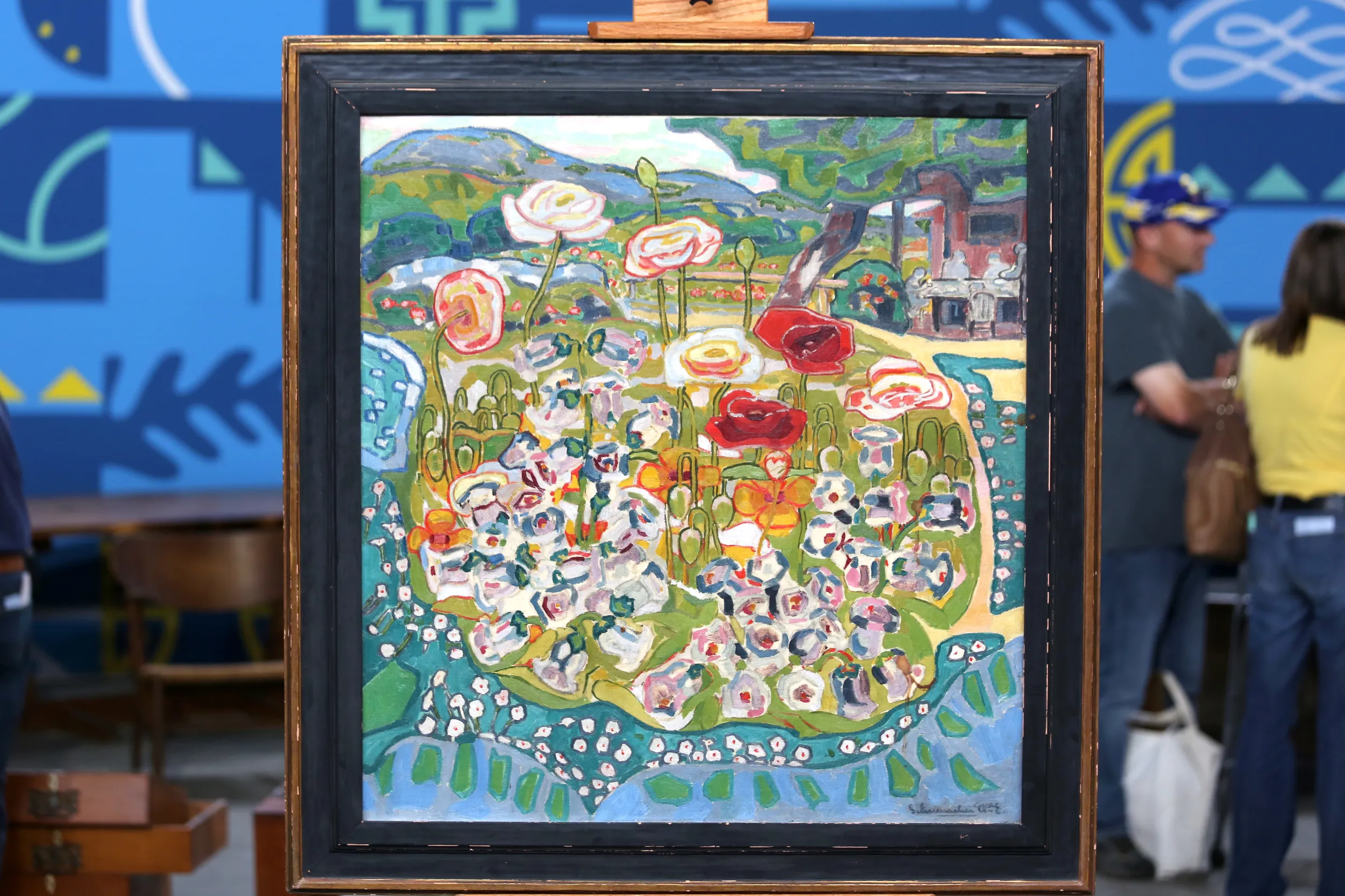
William Schumacher Oil Painting, ca. 1913
appraisal
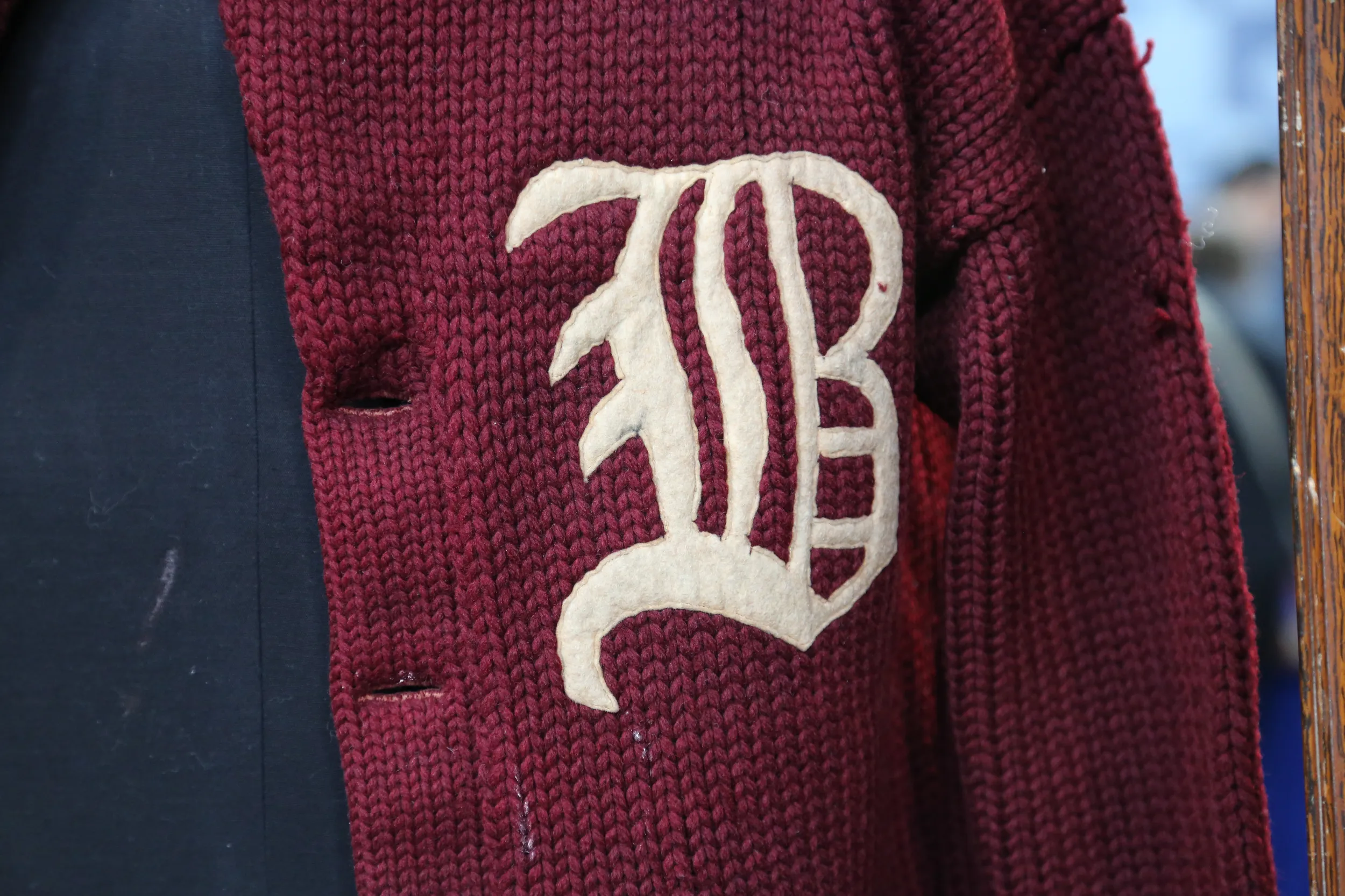
Charles "Heinie" Wagner Red Sox Archive, ca. 1914
Understanding Our Appraisals
Executive producer Marsha Bemko shares her tips for getting the most out of ANTIQUES ROADSHOW.
Value can change: The value of an item is dependent upon many things, including the condition of the object itself, trends in the market for that kind of object, and the location where the item will be sold. These are just some of the reasons why the answer to the question "What's it worth?" is so often "It depends."
Note the date: Take note of the date the appraisal was recorded. This information appears in the upper left corner of the page, with the label "Appraised On." Values change over time according to market forces, so the current value of the item could be higher, lower, or the same as when our expert first appraised it.
Context is key: Listen carefully. Most of our experts will give appraisal values in context. For example, you'll often hear them say what an item is worth "at auction," or "retail," or "for insurance purposes" (replacement value). Retail prices are different from wholesale prices. Often an auctioneer will talk about what she knows best: the auction market. A shop owner will usually talk about what he knows best: the retail price he'd place on the object in his shop. And though there are no hard and fast rules, an object's auction price can often be half its retail value; yet for other objects, an auction price could be higher than retail. As a rule, however, retail and insurance/replacement values are about the same.
Verbal approximations: The values given by the experts on ANTIQUES ROADSHOW are considered "verbal approximations of value." Technically, an "appraisal" is a legal document, generally for insurance purposes, written by a qualified expert and paid for by the owner of the item. An appraisal usually involves an extensive amount of research to establish authenticity, provenance, composition, method of construction, and other important attributes of a particular object.
Opinion of value: As with all appraisals, the verbal approximations of value given at ROADSHOW events are our experts' opinions formed from their knowledge of antiques and collectibles, market trends, and other factors. Although our valuations are based on research and experience, opinions can, and sometimes do, vary among experts.
Appraiser affiliations: Finally, the affiliation of the appraiser may have changed since the appraisal was recorded. To see current contact information for an appraiser in the ROADSHOW Archive, click on the link below the appraiser's picture. Our Appraiser Index also contains a complete list of active ROADSHOW appraisers and their contact details and biographies.


