1904 Painted Mnemonic Banner for Schnitzelbank Song
GUEST: This was painted by my great-grandfather Herman Petzel. He was an immigrant from Germany.
APPRAISER: Okay.
GUEST: He was a member of one of the local German churches, St. Liborius, and he was part of the German choir. And it was as much a social club as a singing club. And this is what is called a, a Schnitzelbank prompt. It's like cue cards for a song.
APPRAISER: Okay.
GUEST: And the Schnitzelbank being a shaving bench in translation. You name the different items, all in German, and then you sing the song. And then the response be, would be, "Ja, das ist ein Schnitzelbank." And then you would name the different things. (speaking German) And then you would move down the line...
APPRAISER: Okay.
GUEST: ...and each time, you would repeat everything as you went, until you got back to the Schnitzelbank.
APPRAISER: It would be a, kind of a mnemonic for German Americans in St. Louis?
GUEST: Yes, yes.
APPRAISER: Good.
GUEST: And it wasn't unusual for breweries to print them out with their label...
APPRAISER: Right.
GUEST: ...and give them to the bars and stuff, so that they would sing the Falstaff or the Anheuser-Busch version of the Schnitzelbank. This would've been his own version...
APPRAISER: Got it.
GUEST: ...that, that he, he was, things he was acquainted with.
APPRAISER: I also learned that your great-grandfather was kind of a hero, right? I mean...
GUEST: Yes, this was painted in 1904, and in 1905, his choir was at a venue in St. Louis County. There was an 18- or 19-year-old who got in trouble swimming. And so they immediately turned to Herman, because everybody knew Herman was the best swimmer. And unfortunately, he, he overpowered Herman, and they both drowned. He was posthumously awarded a, a Carnegie Medal for heroism.
APPRAISER: Wow.
GUEST: Along with a stipend that was very helpful for my great-grandmother and her six kids...
APPRAISER: Wow.
GUEST: ...one of which was my maternal grandmother.
APPRAISER: It really tells the story of St. Louis in, around 1904, what was going on, especially what was going on with German Americans.
GUEST: And most anybody from St. Louis would easily recognize Union Station.
APPRAISER: Right.
GUEST: And then, being good Germans, who were very much against the temperance movement, would include a rather evil-looking caricature of Carrie Nation.
APPRAISER: And Carrie Nation, of course, being the, the famous suffragette and also a pro...
GUEST: In the temperance...
APPRAISER: ...temperance...
GUEST: Who was known for s, breaking open beer kegs with a hatchet.
APPRAISER: It's hard to know, really, without testing it, about the paint. And it could be oil, but it appears to be painted on, literally, a cotton curtain. If I were to insure this piece, I would put a value of $6,000 on it.
GUEST: (gasps)
APPRAISER: Yeah.
GUEST: (laughing) I'm gonna cry.
APPRAISER: (chuckling) Yeah, of, it's... It'd be impossible to replace, of course.
GUEST: (crying) Oh, gosh. Thank you.
APPRAISER: Of course.
GUEST: My mother would've been s... (voice breaking) ...so proud. It's more than I would've ever thought.

$6,000 Insurance
Featured In

episode
Grant's Farm, Hour 1
Meet us in St. Louis as ROADSHOW discovers midwest treasures at Grant’s Farm! — Mon, April 27, 2026
Cultural Art & Objects
appraisal
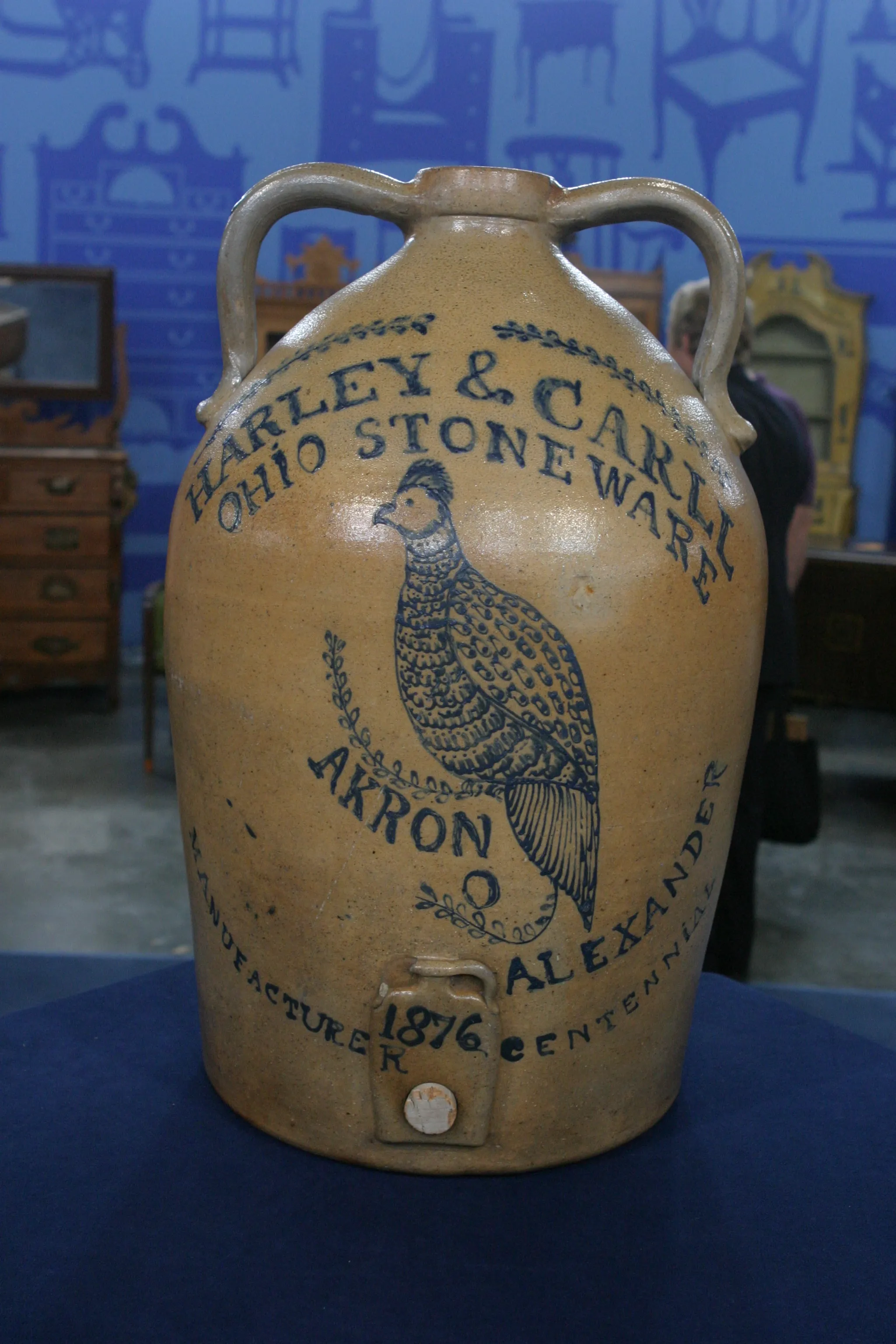
1876 John Alexander Stoneware Cooler
appraisal
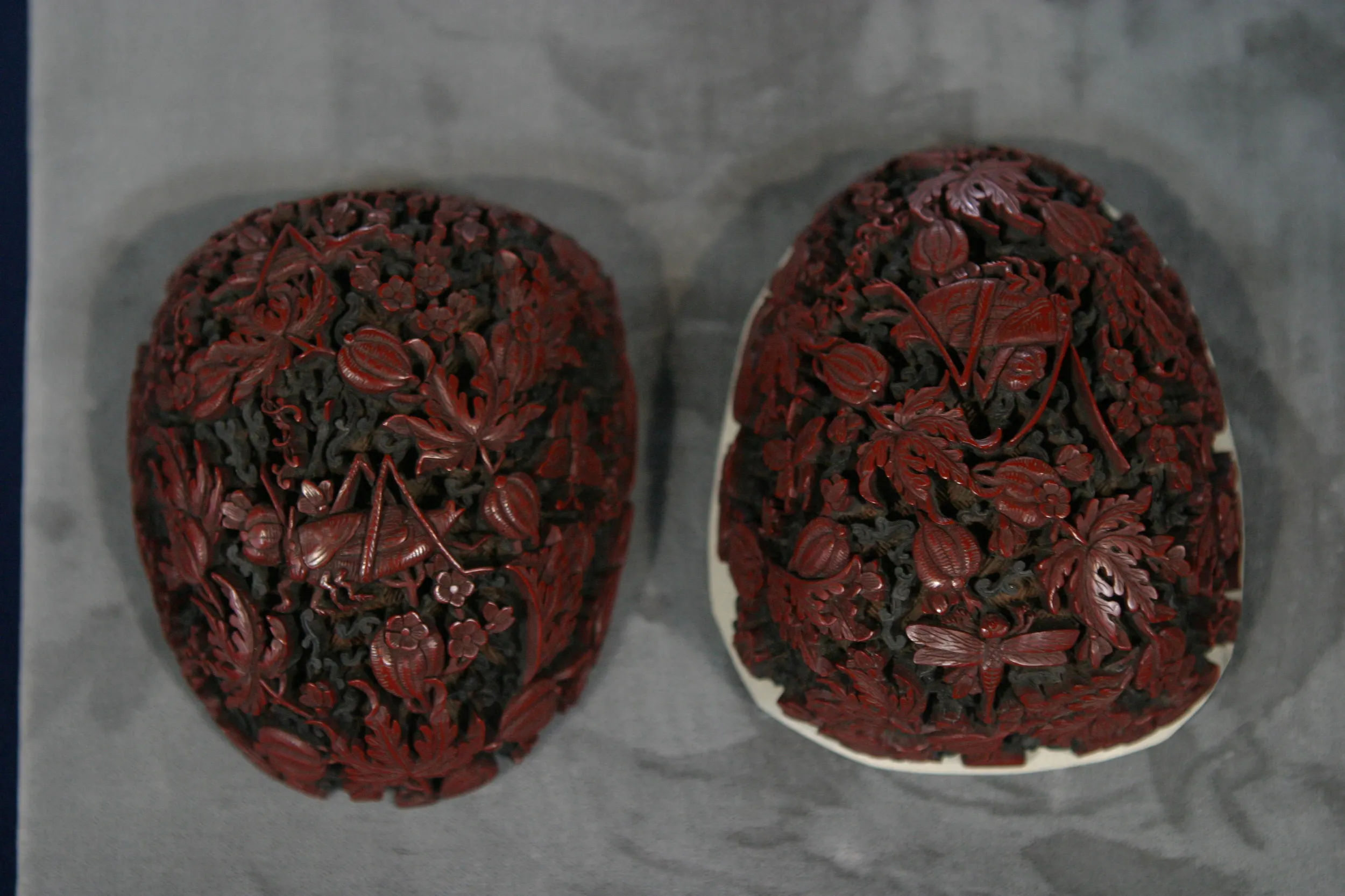
Cinnabar Lacquer Box, Ca. 1765
appraisal
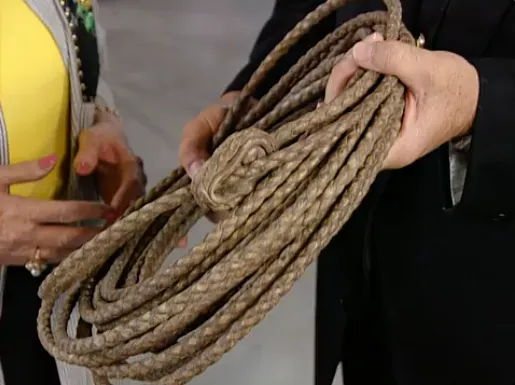
Braided Rawhide Lariat, ca. 1850
appraisal
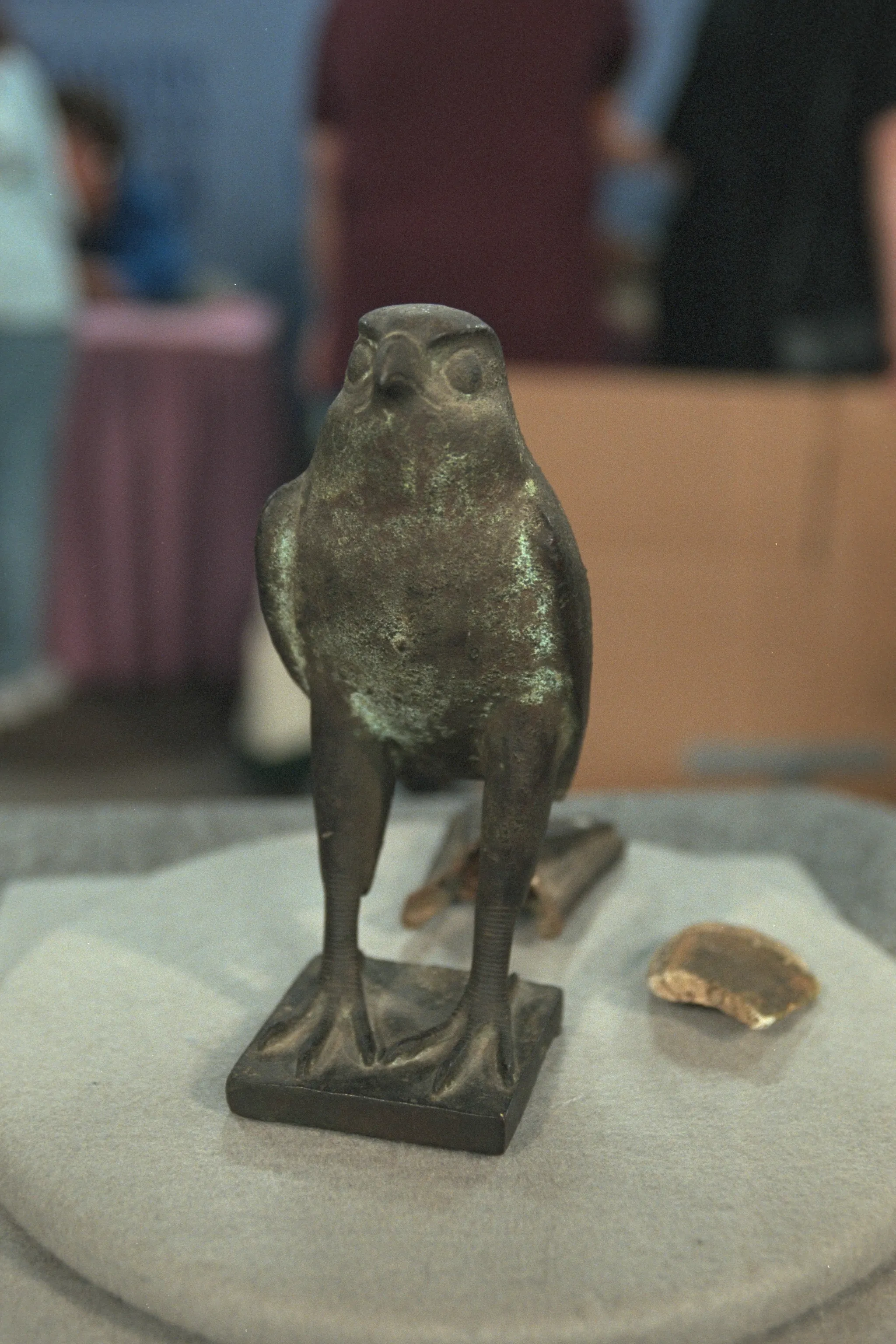
Late Period Egyptian Bronze Falcon
Understanding Our Appraisals
Executive producer Marsha Bemko shares her tips for getting the most out of ANTIQUES ROADSHOW.
Value can change: The value of an item is dependent upon many things, including the condition of the object itself, trends in the market for that kind of object, and the location where the item will be sold. These are just some of the reasons why the answer to the question "What's it worth?" is so often "It depends."
Note the date: Take note of the date the appraisal was recorded. This information appears in the upper left corner of the page, with the label "Appraised On." Values change over time according to market forces, so the current value of the item could be higher, lower, or the same as when our expert first appraised it.
Context is key: Listen carefully. Most of our experts will give appraisal values in context. For example, you'll often hear them say what an item is worth "at auction," or "retail," or "for insurance purposes" (replacement value). Retail prices are different from wholesale prices. Often an auctioneer will talk about what she knows best: the auction market. A shop owner will usually talk about what he knows best: the retail price he'd place on the object in his shop. And though there are no hard and fast rules, an object's auction price can often be half its retail value; yet for other objects, an auction price could be higher than retail. As a rule, however, retail and insurance/replacement values are about the same.
Verbal approximations: The values given by the experts on ANTIQUES ROADSHOW are considered "verbal approximations of value." Technically, an "appraisal" is a legal document, generally for insurance purposes, written by a qualified expert and paid for by the owner of the item. An appraisal usually involves an extensive amount of research to establish authenticity, provenance, composition, method of construction, and other important attributes of a particular object.
Opinion of value: As with all appraisals, the verbal approximations of value given at ROADSHOW events are our experts' opinions formed from their knowledge of antiques and collectibles, market trends, and other factors. Although our valuations are based on research and experience, opinions can, and sometimes do, vary among experts.
Appraiser affiliations: Finally, the affiliation of the appraiser may have changed since the appraisal was recorded. To see current contact information for an appraiser in the ROADSHOW Archive, click on the link below the appraiser's picture. Our Appraiser Index also contains a complete list of active ROADSHOW appraisers and their contact details and biographies.


