1883 Rookwood Limoges-style Pitcher
GUEST: Well, this was my husband's grandparents'. (chuckling): We don't exactly know a lot about it other than there was a little piece of paper in it that said "Old." That's it. (chuckles)
APPRAISER: Pieces of Rookwood are not coming into ROADSHOW as much as they used to. This would have been one of their earliest series. This is done in 1883. The company started in 1880, it was in Cincinnati, Ohio. This line was referred to as Limoges or Limoges-style. Limoges is a city outside of Paris that was a huge center for mostly porcelain. The French makers would have been shown at the Centennial Exposition in Philadelphia in 1876. And the women who ended up starting Rookwood Pottery and the American art pottery movement in general, would all have been at that exhibition. And they would have been impressed to see how the Japanese aesthetic was being interpreted by the French. We have bamboo and swallows in flight, which almost look like bats. And clouds, which form like a veil. It's a really sweet piece. There's something early and a little clumsy about it. This is earthenware. We have the mark of Rookwood Pottery, and we have a date of 1883. This may be the name of the artist, but it's very hard to decipher.
GUEST: Oh.
APPRAISER: So it could have been one of several people doing this, including the founder of Rookwood Pottery, who was a woman...
GUEST: Okay.
APPRAISER: ...and who did this on her own, Maria Longworth Nichols. It's an important piece. Any collection, including any museum collection that has any depth in the American art pottery movement, has to have a piece of this.
GUEST: Wow. (laughs)
APPRAISER: Okay, this is in all the best American museums.
GUEST: Wow! (laughs) That's great, that... (laughs)
APPRAISER: A pre-auction estimate these days would probably be $1,000 to $1,500.
GUEST: (laughing): Wow, I was thinking like $200! That's great. I love it.
APPRAISER: It's not as popular as it would have been...
GUEST: Yeah.
APPRAISER: ...20 and 30 and 40 years ago. But it is a really important piece of America.
GUEST: Well, that's great. Thank you so much.
APPRAISER: My pleasure.
GUEST: Yay! I'm very happy.

$1,000 - $1,500 Auction
Featured In

episode
Springs Preserve, Hour 3
ROADSHOW heads to the Mojave Desert in search of marvels at Springs Preserve in Las Vegas.
Tableware
appraisal
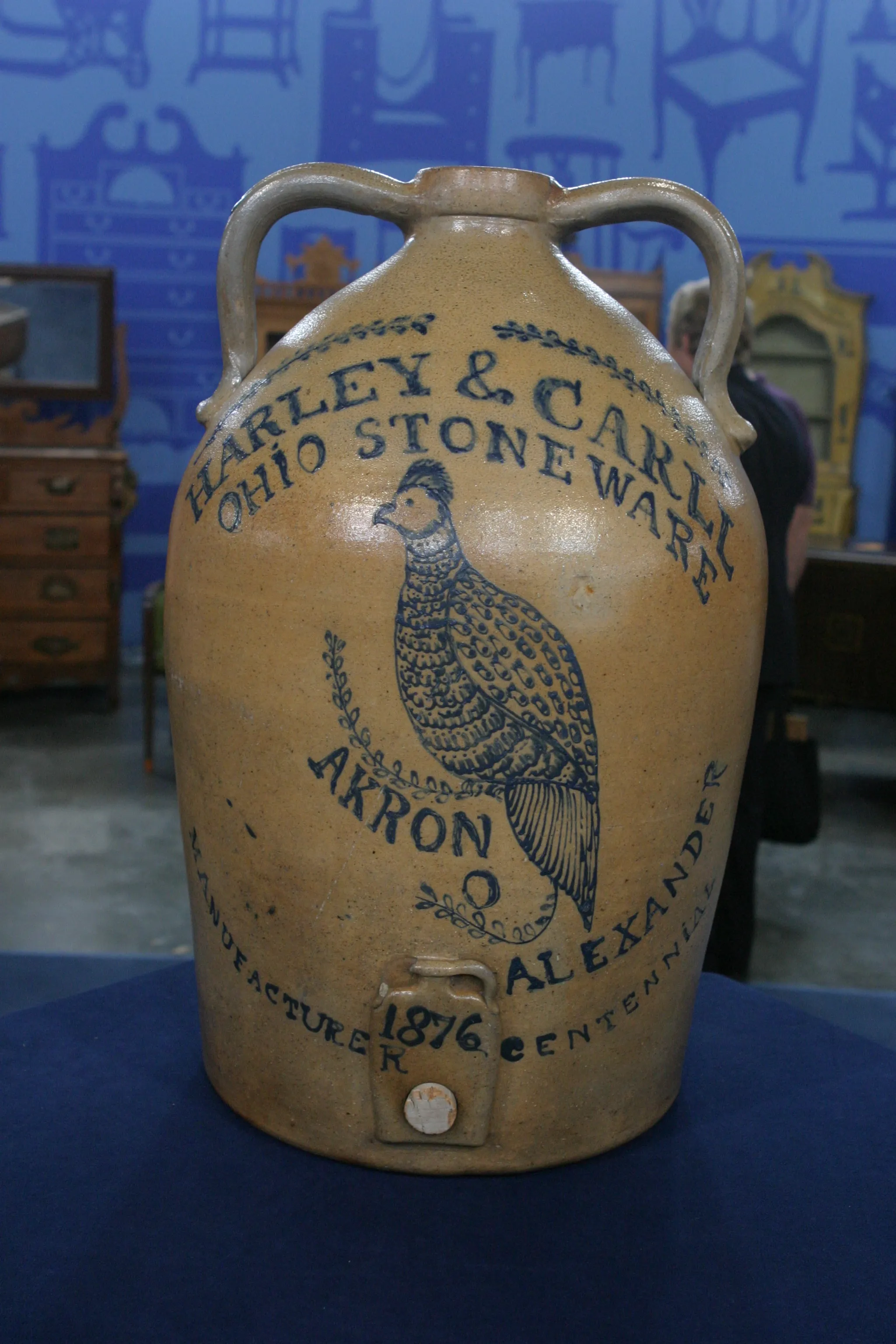
1876 John Alexander Stoneware Cooler
appraisal
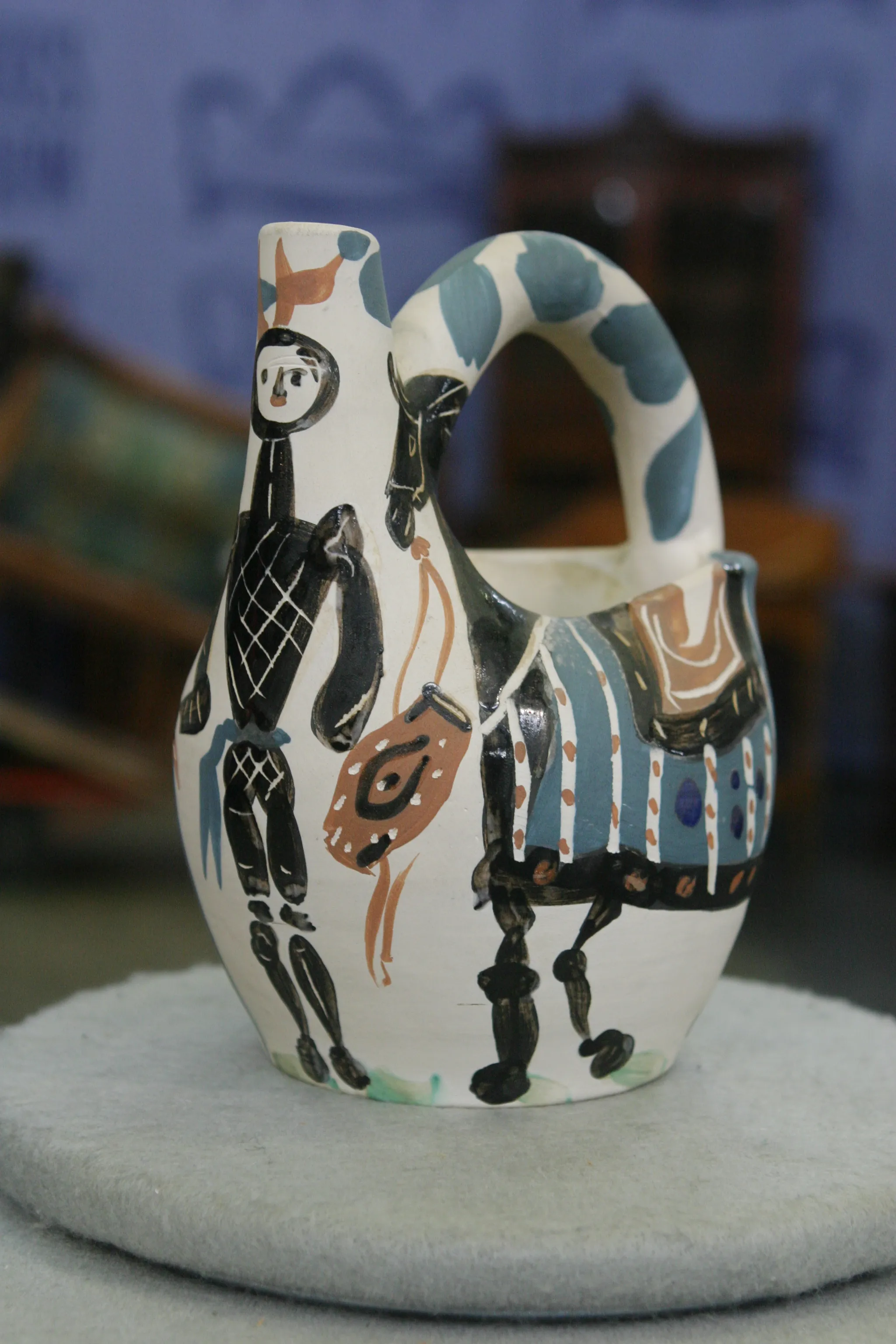
1952 Picasso Madoura Ceramic Jug

appraisal
appraisal
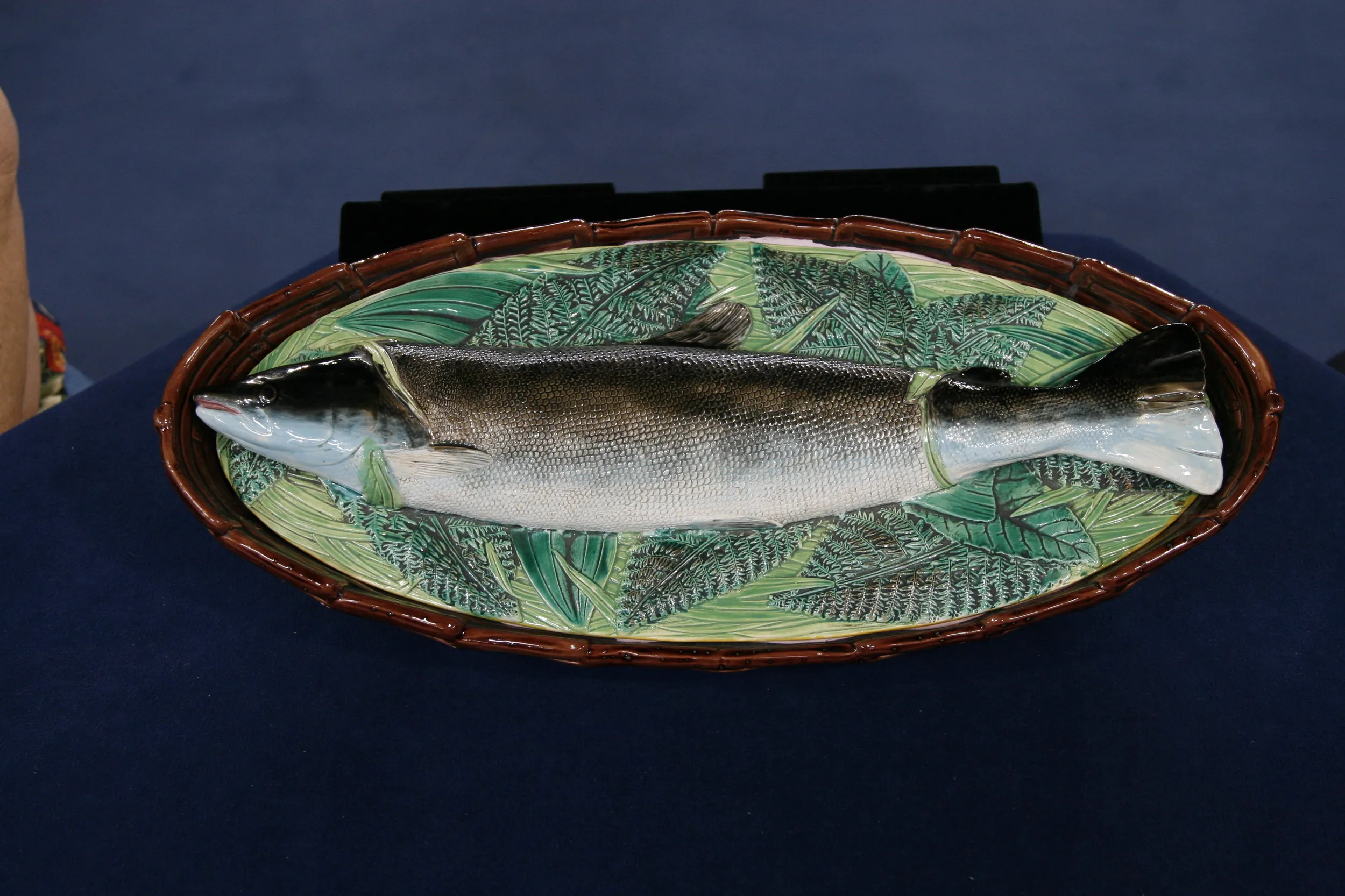
Majolica Fish Tureen attributed to George Jones & Sons, ca. 1870
Understanding Our Appraisals
Executive producer Marsha Bemko shares her tips for getting the most out of ANTIQUES ROADSHOW.
Value can change: The value of an item is dependent upon many things, including the condition of the object itself, trends in the market for that kind of object, and the location where the item will be sold. These are just some of the reasons why the answer to the question "What's it worth?" is so often "It depends."
Note the date: Take note of the date the appraisal was recorded. This information appears in the upper left corner of the page, with the label "Appraised On." Values change over time according to market forces, so the current value of the item could be higher, lower, or the same as when our expert first appraised it.
Context is key: Listen carefully. Most of our experts will give appraisal values in context. For example, you'll often hear them say what an item is worth "at auction," or "retail," or "for insurance purposes" (replacement value). Retail prices are different from wholesale prices. Often an auctioneer will talk about what she knows best: the auction market. A shop owner will usually talk about what he knows best: the retail price he'd place on the object in his shop. And though there are no hard and fast rules, an object's auction price can often be half its retail value; yet for other objects, an auction price could be higher than retail. As a rule, however, retail and insurance/replacement values are about the same.
Verbal approximations: The values given by the experts on ANTIQUES ROADSHOW are considered "verbal approximations of value." Technically, an "appraisal" is a legal document, generally for insurance purposes, written by a qualified expert and paid for by the owner of the item. An appraisal usually involves an extensive amount of research to establish authenticity, provenance, composition, method of construction, and other important attributes of a particular object.
Opinion of value: As with all appraisals, the verbal approximations of value given at ROADSHOW events are our experts' opinions formed from their knowledge of antiques and collectibles, market trends, and other factors. Although our valuations are based on research and experience, opinions can, and sometimes do, vary among experts.
Appraiser affiliations: Finally, the affiliation of the appraiser may have changed since the appraisal was recorded. To see current contact information for an appraiser in the ROADSHOW Archive, click on the link below the appraiser's picture. Our Appraiser Index also contains a complete list of active ROADSHOW appraisers and their contact details and biographies.


