1852 Commodore Morris's Naval Officer Sword
GUEST: I brought in a, uh, Navy sword, a dress sword, and belonged to Commodore Morris, who was a distant relative of mine.
APPRAISER: He's got a very interesting history. He went to sea at the age of 15 in 1799.
GUEST: Mm-hmm.
APPRAISER: And is immediately made a midshipman. He served during the Barbary Wars, he served during the War of 1812, and most importantly, during the War of 1812, that battle between the Constitution and the Guerriere, he was the first lieutenant under Captain Isaac Hull, who was the ship's commander at that time. Dealing with the Barbary pirates, that was one of the very first times the American Navy had an opportunity to sort of flex its muscle and prove that we were a power to be reckoned with on the sea.
GUEST: Mm-hmm.
APPRAISER: When he passed away in 1856, he had 57 years of service in the U.S. Navy...
GUEST: Wow.
APPRAISER: ...and was the second-highest ranking still-serving U.S. Naval officer at that point in time.
GUEST: Huh, wow.
APPRAISER: And this sword is a U.S. model 1852 Naval officer sword. In fact, this is the pattern that is still in use with the U.S. Navy to this day. This is one of the very first U.S. model 1852 Naval officer swords.
GUEST: Oh.
APPRAISER: You've got a wonderful etched Ames Manufacturing Company mark on the ricasso that tells you who made the sword. And then stamped at the base of the ricasso, you have the date 1852. Only 500 swords were in that initial order. The sword is decorated with the typical naval motifs. You've got the sea serpent on the quillon...
GUEST: Mm-hmm.
APPRAISER: ...the USN and a ribbon on the face of the guard. You've got the knots on the, uh, mounts, and you also have the sea serpent on the drag.
GUEST: I love him.
APPRAISER: And on the reverse of the blade, we've got the etched USN and a ribbon, and we've got the fouled anchor motif that is so associated with naval arms. Now, the sword is in pretty darn good condition. We have some of the gilt still on the brass hilt. We've got a lot of the polish and frosty etching on the blade. There is some surface oxidation and a little bit of light surface rust. Because it is a first-contract Ames model 1852 Naval officer sword, very scarce sword, if it had absolutely no historic association, it would be worth at least $2,000 to $3,000 at an auction setting.
GUEST: Mm-hmm.
APPRAISER: But you have this amazing family history for a very iconic U.S. Naval officer. If this sword were to be offered in a retail setting, we think the asking price for the sword would be in the neighborhood of $25,000.
GUEST: Wow, that's amazing.
APPRAISER: We would probably insure it in the neighborhood of $50,000.
GUEST: Wow.
APPRAISER: Because it is absolutely irreplaceable. You could go find another first-contract 1852 Naval officer sword, but you couldn't find Commodore Morris's sword.
GUEST: (chuckles) Gosh, that's really wonderful information.

$25,000 Retail
$50,000 Insurance
Featured In

episode
Denver Botanic Gardens Chatfield Farms, Hour 2
ROADSHOW strikes gold in Colorado with amazing finds from a stop in Littleton!
Decorative Finishes

appraisal
Eskimo Hunting Helmet, ca. 1820
appraisal
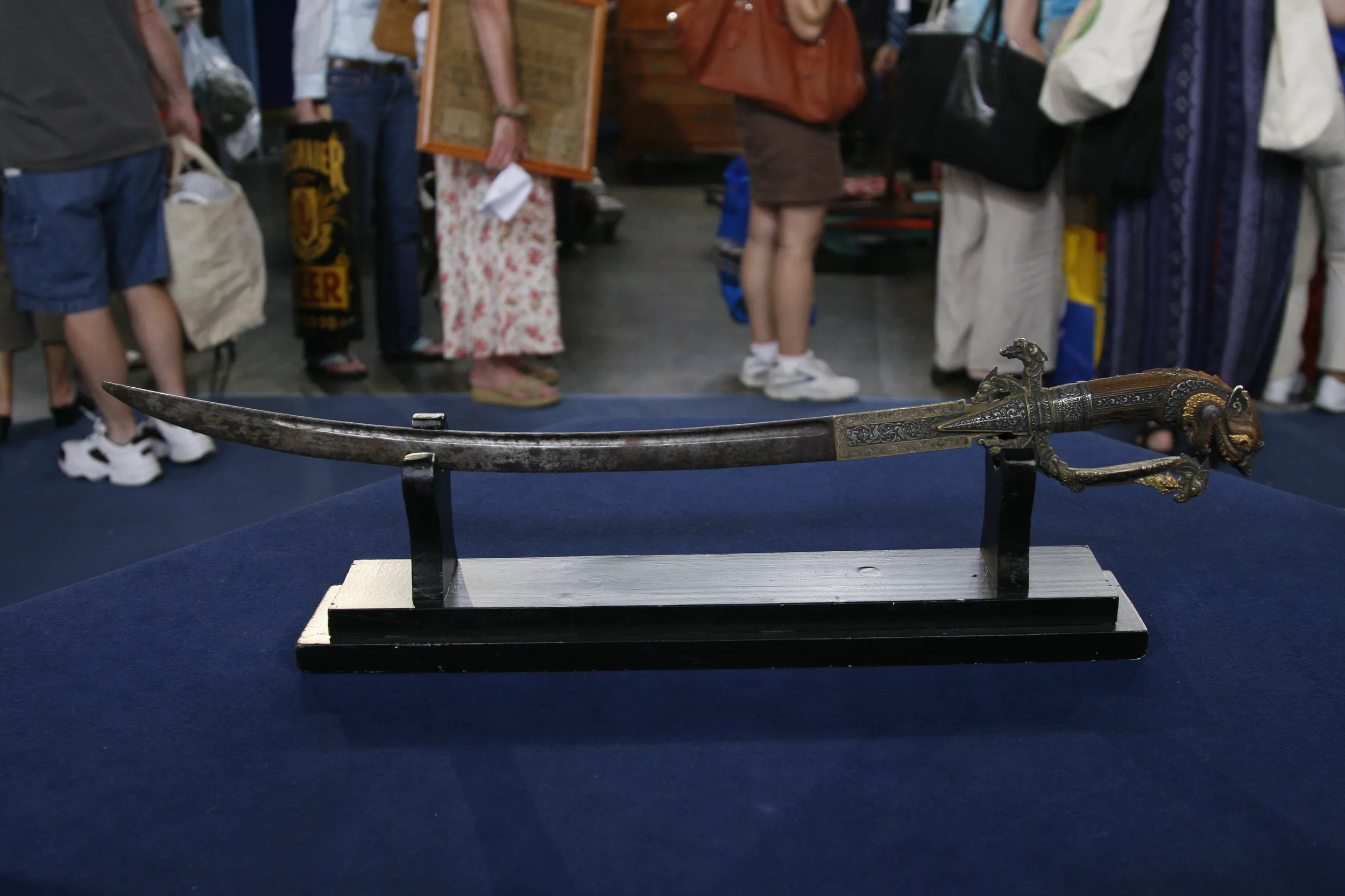
Sri Lankan Kastane (Sword), ca. 1800
appraisal
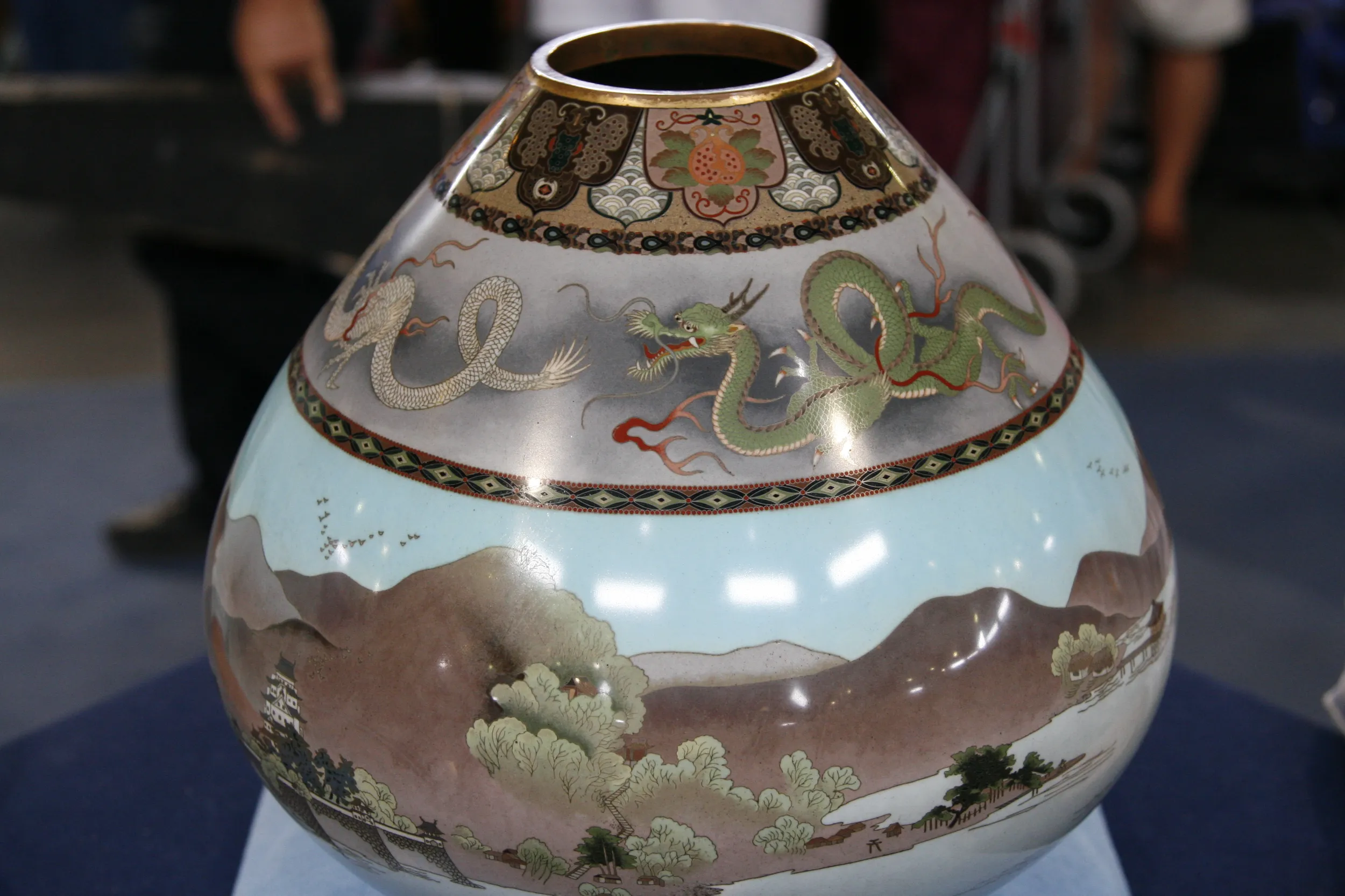
Meiji Period Namikawa School Cloisonné Vase
appraisal
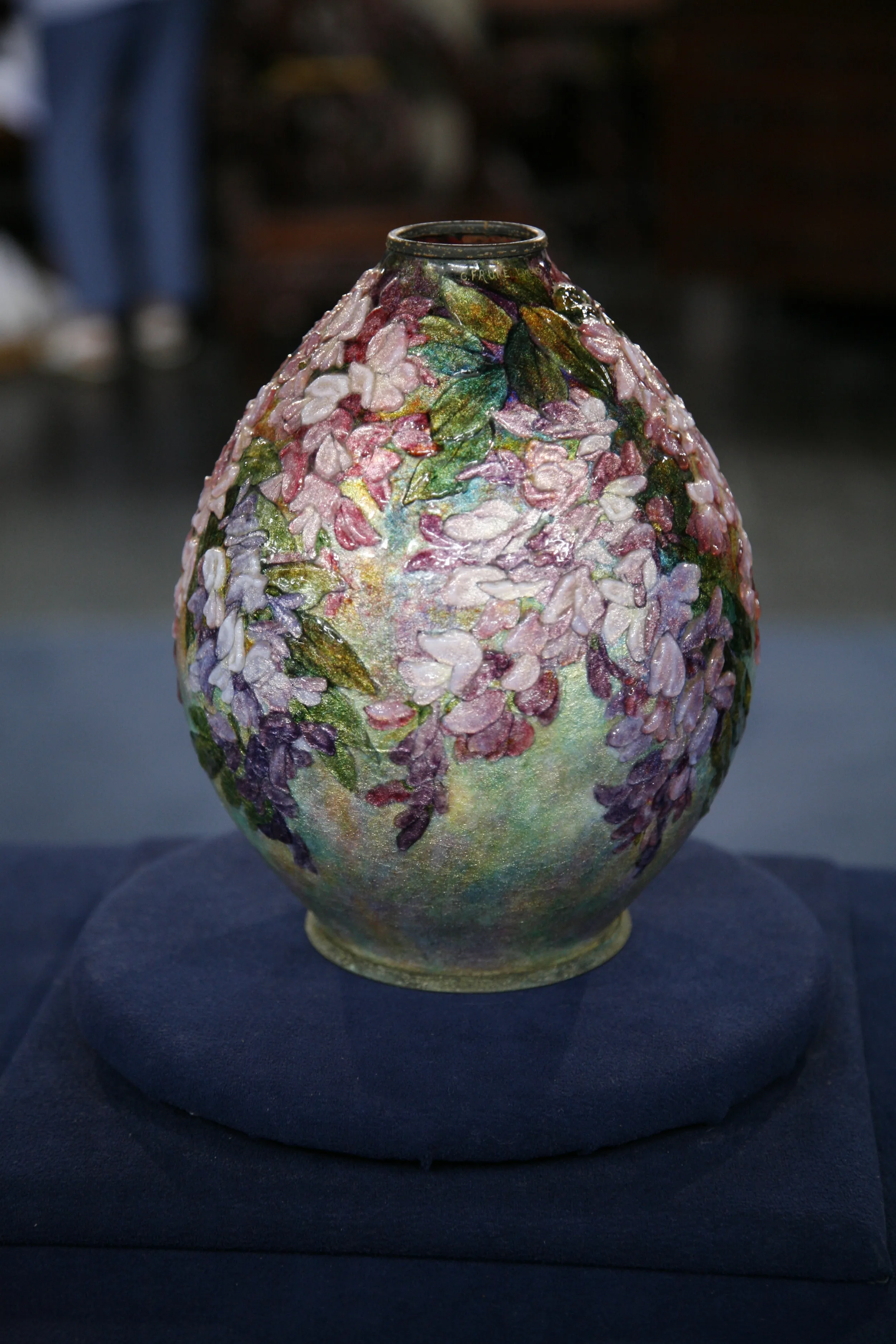
Camille Fauré Enameled Vase, ca. 1925
Understanding Our Appraisals
Executive producer Marsha Bemko shares her tips for getting the most out of ANTIQUES ROADSHOW.
Value can change: The value of an item is dependent upon many things, including the condition of the object itself, trends in the market for that kind of object, and the location where the item will be sold. These are just some of the reasons why the answer to the question "What's it worth?" is so often "It depends."
Note the date: Take note of the date the appraisal was recorded. This information appears in the upper left corner of the page, with the label "Appraised On." Values change over time according to market forces, so the current value of the item could be higher, lower, or the same as when our expert first appraised it.
Context is key: Listen carefully. Most of our experts will give appraisal values in context. For example, you'll often hear them say what an item is worth "at auction," or "retail," or "for insurance purposes" (replacement value). Retail prices are different from wholesale prices. Often an auctioneer will talk about what she knows best: the auction market. A shop owner will usually talk about what he knows best: the retail price he'd place on the object in his shop. And though there are no hard and fast rules, an object's auction price can often be half its retail value; yet for other objects, an auction price could be higher than retail. As a rule, however, retail and insurance/replacement values are about the same.
Verbal approximations: The values given by the experts on ANTIQUES ROADSHOW are considered "verbal approximations of value." Technically, an "appraisal" is a legal document, generally for insurance purposes, written by a qualified expert and paid for by the owner of the item. An appraisal usually involves an extensive amount of research to establish authenticity, provenance, composition, method of construction, and other important attributes of a particular object.
Opinion of value: As with all appraisals, the verbal approximations of value given at ROADSHOW events are our experts' opinions formed from their knowledge of antiques and collectibles, market trends, and other factors. Although our valuations are based on research and experience, opinions can, and sometimes do, vary among experts.
Appraiser affiliations: Finally, the affiliation of the appraiser may have changed since the appraisal was recorded. To see current contact information for an appraiser in the ROADSHOW Archive, click on the link below the appraiser's picture. Our Appraiser Index also contains a complete list of active ROADSHOW appraisers and their contact details and biographies.


