1835 'A Narrative of the Life & Adventures of Venture' Book
GUEST: My mother had an aunt who had a husband who had a whole collection of naval books. Medical books, he was a physician and a naval officer. When my aunt died, she got a bunch of his books. This pamphlet was tucked into a book about a World War I soldier. It is the life story, as dictated, by Venture Smith, and he was a slave. One of his owners, the third owner, told him he could buy his way to freedom. And he bought his way to freedom.
APPRAISER: This is one of the earliest narratives written by an enslaved person that was ever done in the United States. Now this 1835 edition is a second edition. The first was done in Connecticut in 1798. This pamphlet was published by his descendants. Venture Smith originally lived in West Africa. He was six years old, there was a war, his tribe was invaded. They captured him, took him, put him on a slave ship. The slave ship stopped in the Caribbean. Most of the people enslaved were sold. One of the people on the boat bought him. They bought him for some rum and cloth. Not only did they take his freedom, they took his name, also. When he was a young child in Africa, his name was Broteer Furro. And then his name Venture came because the person who bought him says, "This is a business venture." That's where his first name came from.
GUEST: Hm. Hm.
APPRAISER: Later in life, his last person who owned him was Smith, and that's where he took the name Smith from. And this narrative tells about his life being enslaved. He was brought to New England. You think about slavery, and normally, you think of the South. He went through two owners. He married, he had children, they got separated. The third owner, who was in Connecticut, allowed him-- and the fact that you even have to say, "allowed him"--to work and earn money. And eventually he earned enough money that he was able to buy his freedom. Then he was able to buy his wife and his children's freedom. He actually became fairly successful. He had 130 acres of land in Connecticut.
GUEST: Mm. Yeah.
APPRAISER: He had three houses. At the very last paragraph, he is telling how he was cheated, how people took advantage of him, how he won and lost land. But he basically said he came out of it well. And then there's a sentence in there, and he said, "My freedom is a privilege which nothing else can equal." Have you ever done anything about value?
GUEST: I spoke with a collector, and he said, about $1,000.
APPRAISER: There are a few known copies in libraries and institutions. When I looked up sales records, the first edition, the 1798 edition, there was one copy that was sold in the last hundred years.
GUEST: Wow.
APPRAISER: I looked up the 1835 copy, and there were no copies sold in the last hundred years. On a retail level, this pamphlet is probably $15,000 to $20,000.
GUEST: Wow. Cool. He was a very eloquent man.

$15,000 - $20,000 Retail
Featured In

episode
Crystal Bridges Museum of American Art, Hour 2
ANTIQUES ROADSHOW searches for amazing treasures in Arkansas. One is worth up to $90,000!
Appraisal Extras

Read "A Narrative of the Life and Adventures of Venture Smith"
It's of the earliest narratives written by an enslaved person ever published in the United States.
Book
appraisal
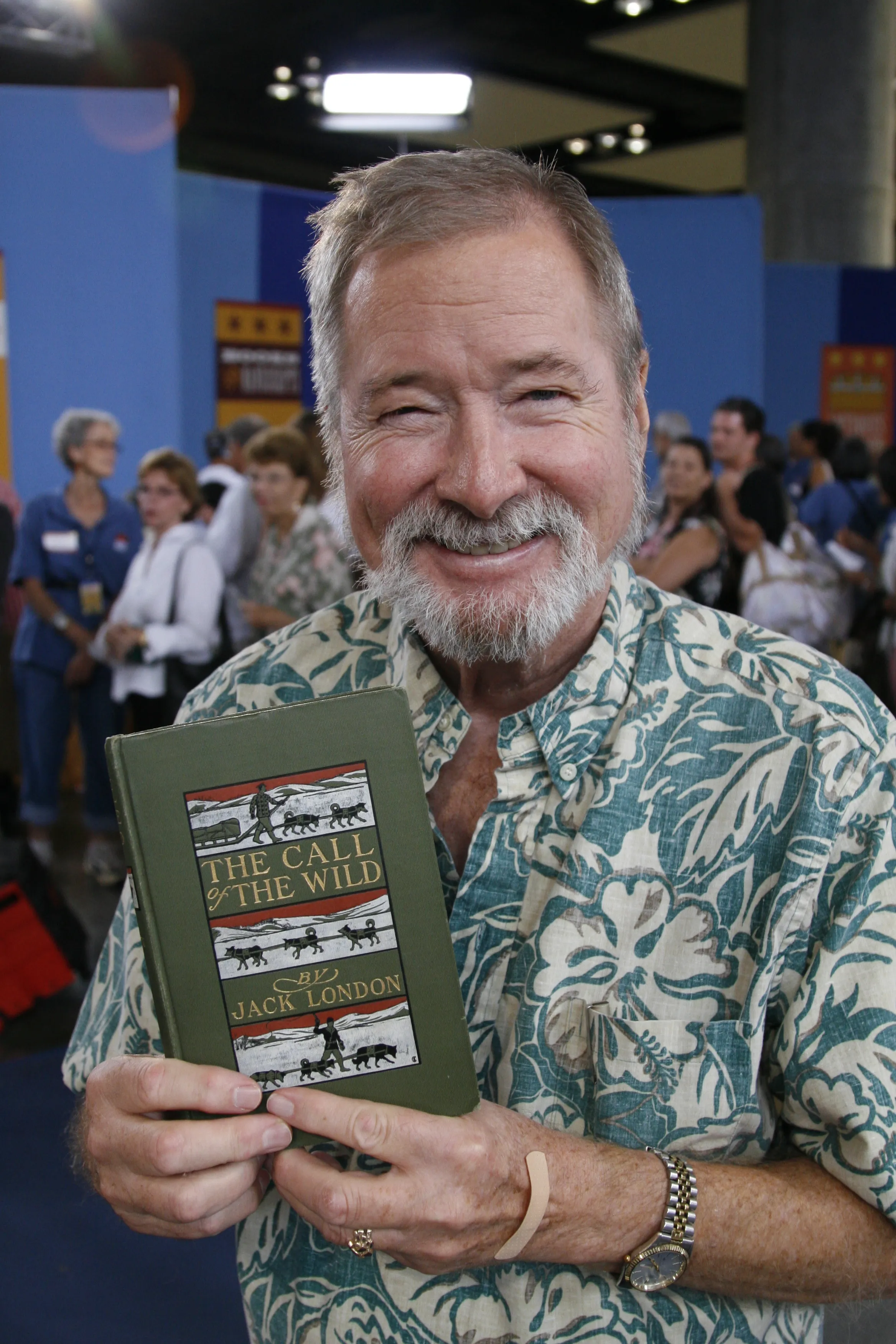
1903 Jack London Call of the Wild Book with Letter
appraisal
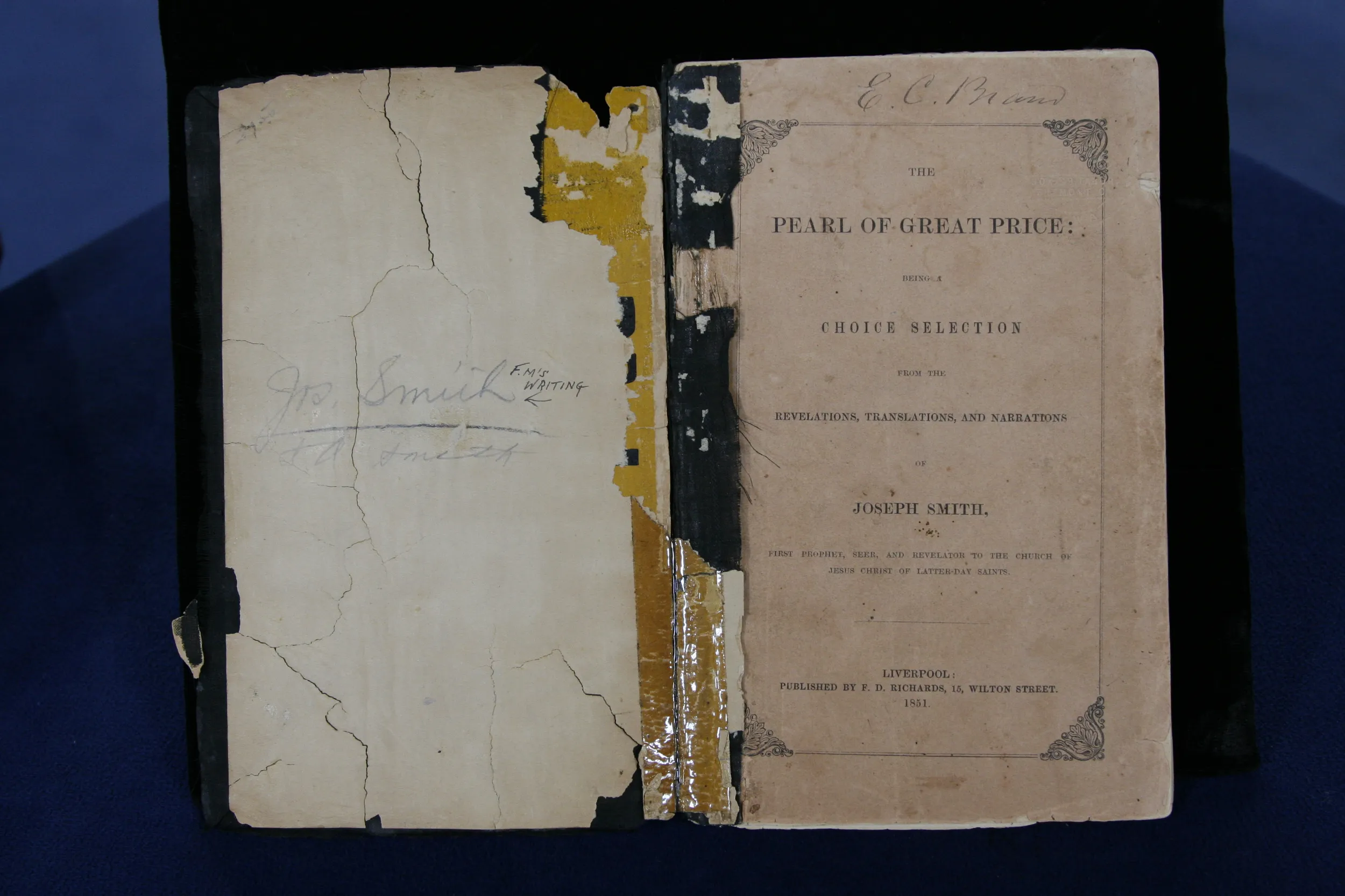
1851 First Edition "Pearl of Great Price"
appraisal
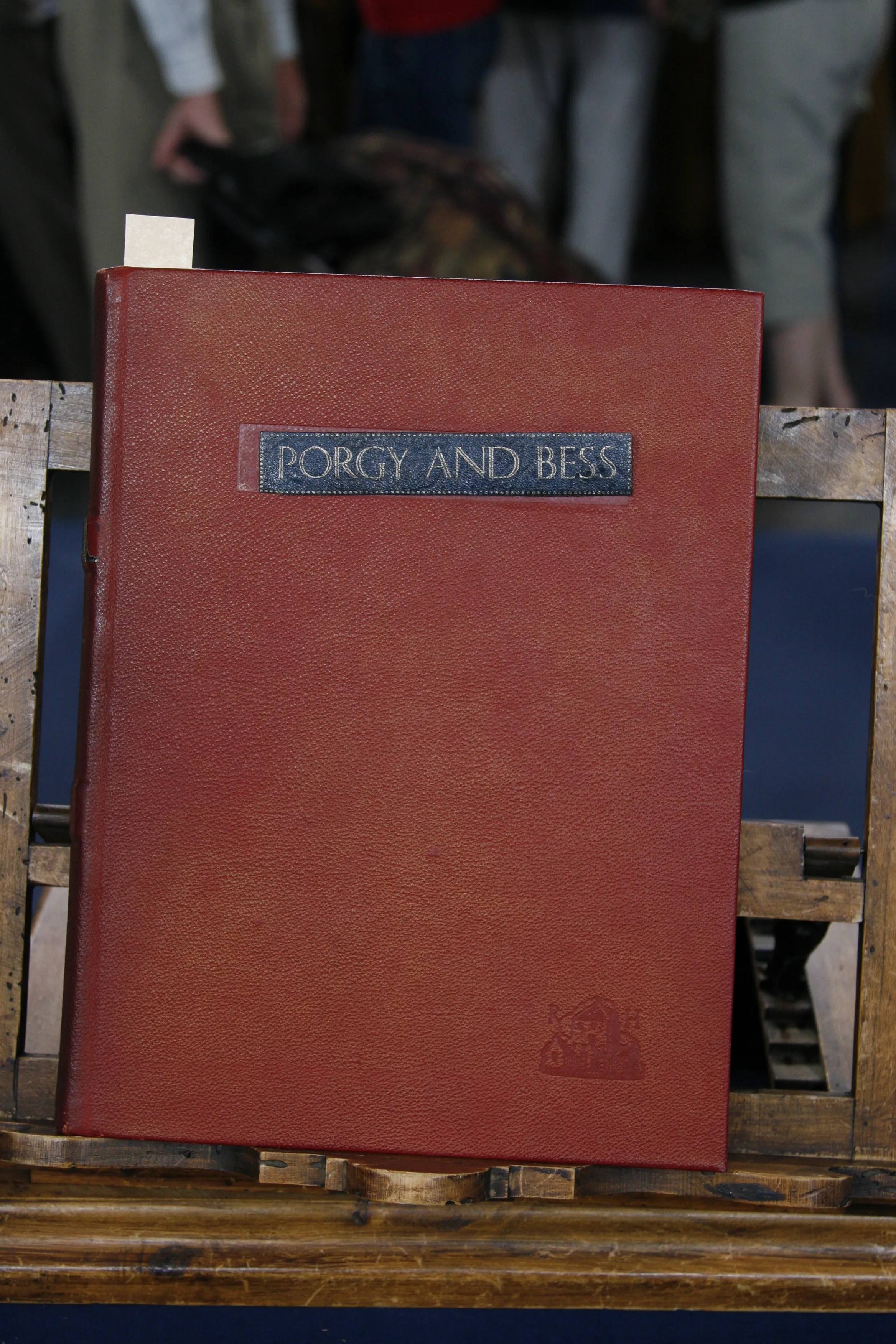
1935 Signed "Porgy & Bess" Book
appraisal
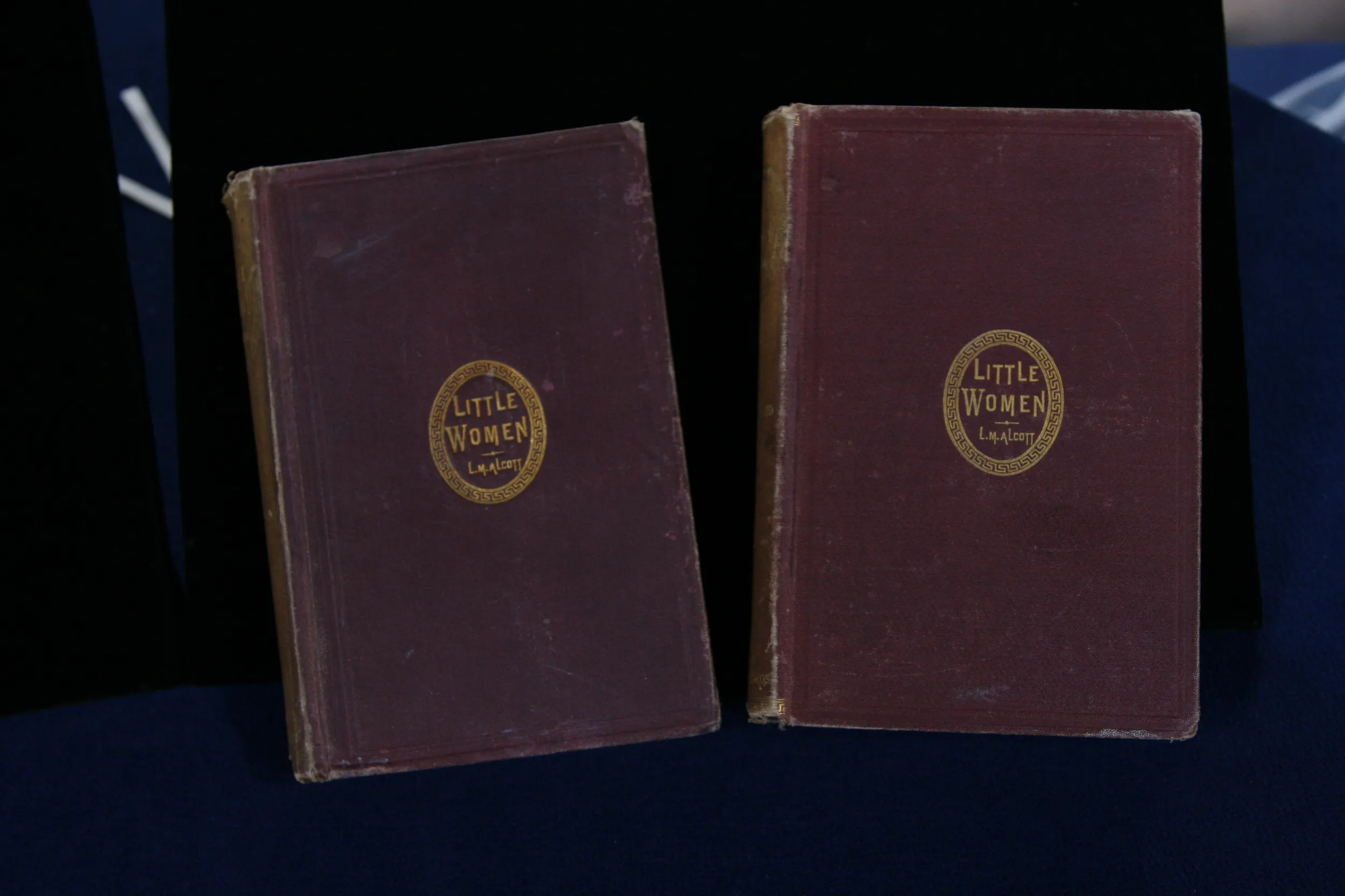
1869 Louisa May Alcott "Little Women" Books
Understanding Our Appraisals
Executive producer Marsha Bemko shares her tips for getting the most out of ANTIQUES ROADSHOW.
Value can change: The value of an item is dependent upon many things, including the condition of the object itself, trends in the market for that kind of object, and the location where the item will be sold. These are just some of the reasons why the answer to the question "What's it worth?" is so often "It depends."
Note the date: Take note of the date the appraisal was recorded. This information appears in the upper left corner of the page, with the label "Appraised On." Values change over time according to market forces, so the current value of the item could be higher, lower, or the same as when our expert first appraised it.
Context is key: Listen carefully. Most of our experts will give appraisal values in context. For example, you'll often hear them say what an item is worth "at auction," or "retail," or "for insurance purposes" (replacement value). Retail prices are different from wholesale prices. Often an auctioneer will talk about what she knows best: the auction market. A shop owner will usually talk about what he knows best: the retail price he'd place on the object in his shop. And though there are no hard and fast rules, an object's auction price can often be half its retail value; yet for other objects, an auction price could be higher than retail. As a rule, however, retail and insurance/replacement values are about the same.
Verbal approximations: The values given by the experts on ANTIQUES ROADSHOW are considered "verbal approximations of value." Technically, an "appraisal" is a legal document, generally for insurance purposes, written by a qualified expert and paid for by the owner of the item. An appraisal usually involves an extensive amount of research to establish authenticity, provenance, composition, method of construction, and other important attributes of a particular object.
Opinion of value: As with all appraisals, the verbal approximations of value given at ROADSHOW events are our experts' opinions formed from their knowledge of antiques and collectibles, market trends, and other factors. Although our valuations are based on research and experience, opinions can, and sometimes do, vary among experts.
Appraiser affiliations: Finally, the affiliation of the appraiser may have changed since the appraisal was recorded. To see current contact information for an appraiser in the ROADSHOW Archive, click on the link below the appraiser's picture. Our Appraiser Index also contains a complete list of active ROADSHOW appraisers and their contact details and biographies.


