1831 Tennessee Sampler
GUEST: So I brought an antique sampler that I inherited from my father, who inherited it from my great-grandmother, his grandmother, who is from Nashville, Tennessee. Her maiden name was Franklin, and the Franklins are a big family in Gallatin. This came into the family, we think, through a distant marriage to somebody in the Cage family.
APPRAISER: One of the reasons we want to share it with our viewers today is because indeed it is signed by the Female Academy in Gallatin, Tennessee, and dated 1831. The schoolgirl samplers were primarily created up north, and when people think of a schoolgirl sampler, they think of the Boston school, they think of the Rhode Island schools. And it's rare that we see a named school
from the Southern states.
GUEST: Wow.
APPRAISER: This border over here is actually strawberries.
GUEST: Oh!
APPRAISER: And the day it was made, those would have been red.
GUEST: Wow.
APPRAISER: So, it would have been very vibrant.
GUEST: Yeah.
APPRAISER: The material is a muslin material. And the stitches, the thread is all silk. It does have clear condition issues…
GUEST: Right, the hole.
APPRAISER: …with part of the material missing. The fading on the color. But the valuation is really based on the fact that it's from a rare academy. We have seen one or two from this academy in Tennessee. Its age, 1831, is just at the cusp of going out of style, actually.
GUEST: Oh, okay.
APPRAISER: The real heyday for the schoolgirl samplers were about ten to 20 years earlier than this. So we love to see them from a Boston school from about 1810.
GUEST: Okay.
APPRAISER: But she was probably, at that time, she was probably 12 or 13 years old. So they did these as young ladies, as an apprenticeship to show men that they could actually sew and be very fastidious in their stitching. We're going to put a value on this today in the context of saying that it's a family piece, until you do further research, and we're going to put an insurance value on it today of $5,000.
GUEST: Wow.
APPRAISER: Because we have seen material from this academy sell for that price range, and I would think, as a family piece, you would want to keep it and just insure it for $5,000.
GUEST: Well, that's great to know-- thank you.

$5,000 Insurance
Featured In

episode
Fort Worth, Hour 2
A Felipe Orlando oil, a baroque lockbox, and a Green Bay Packers championship group!
Traditional Crafts
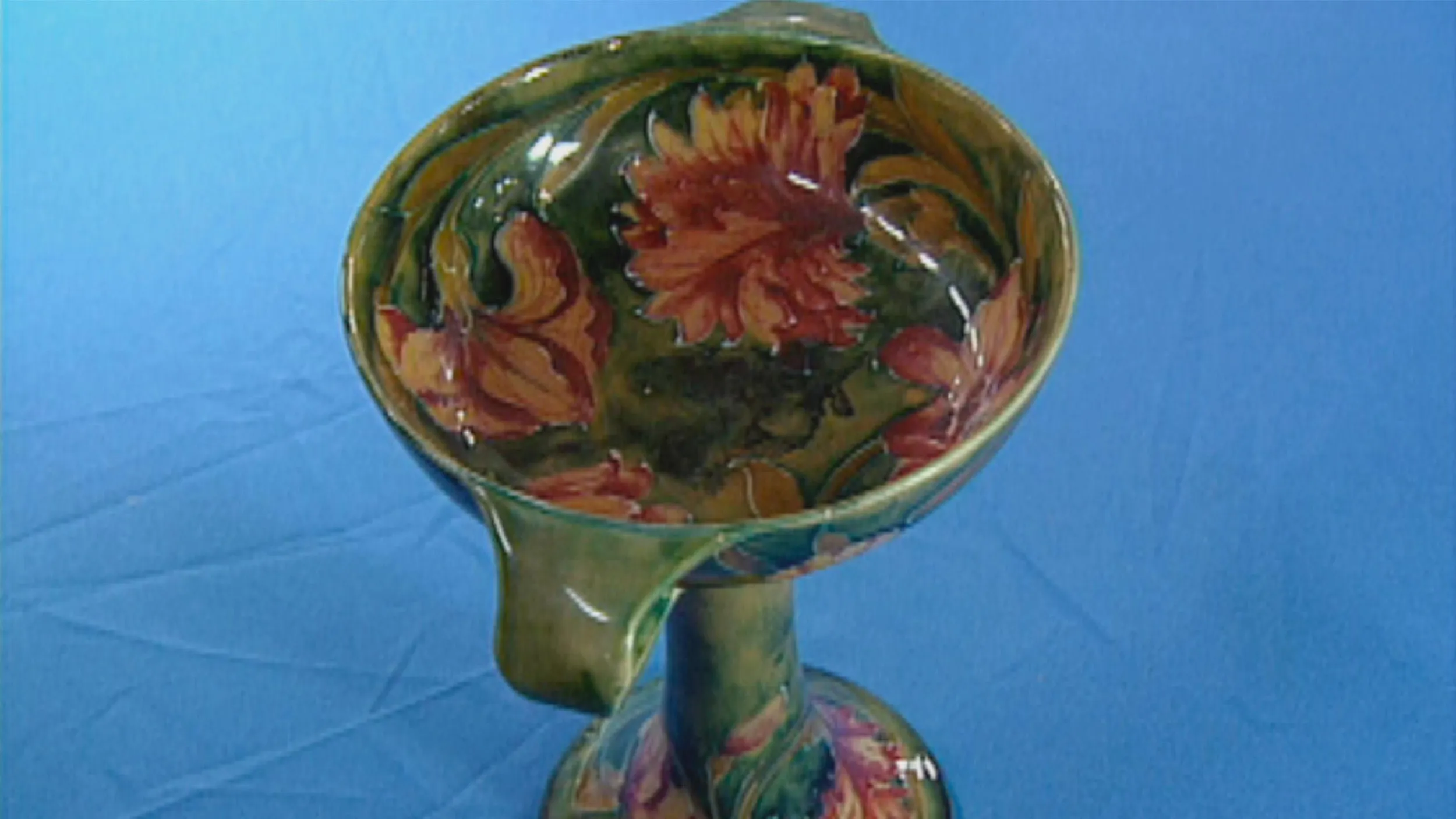
appraisal
William Moorcroft Pottery, ca. 1910

appraisal
1876 John Alexander Stoneware Cooler
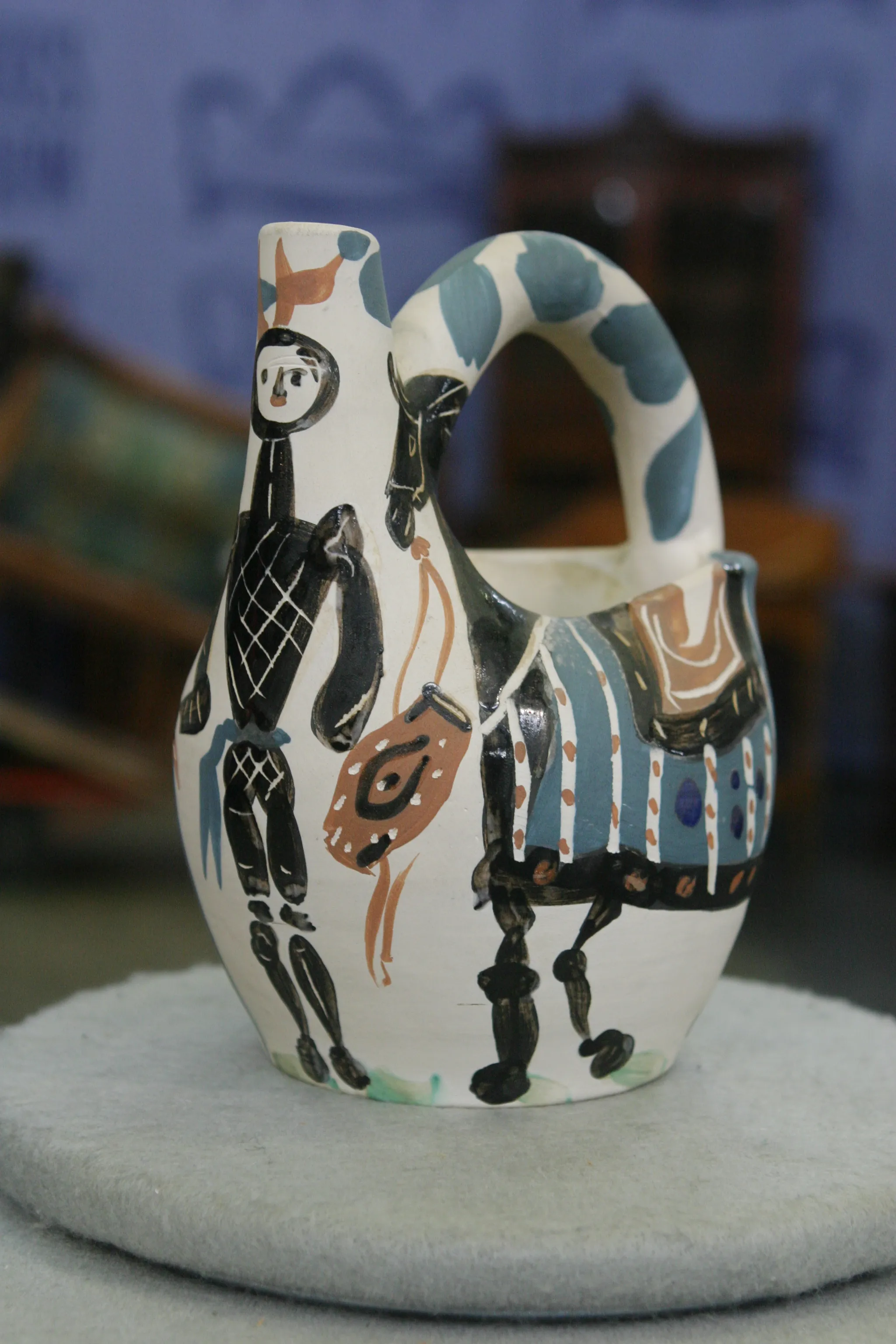
appraisal
1952 Picasso Madoura Ceramic Jug
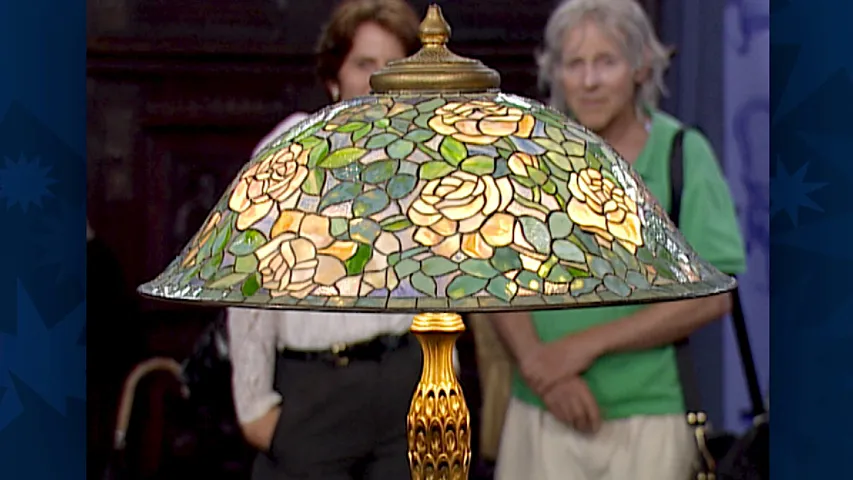
appraisal
Tiffany Studios Rose Helmet Lamp, ca. 1905
Understanding Our Appraisals
Executive producer Marsha Bemko shares her tips for getting the most out of ANTIQUES ROADSHOW.
Value can change: The value of an item is dependent upon many things, including the condition of the object itself, trends in the market for that kind of object, and the location where the item will be sold. These are just some of the reasons why the answer to the question "What's it worth?" is so often "It depends."
Note the date: Take note of the date the appraisal was recorded. This information appears in the upper left corner of the page, with the label "Appraised On." Values change over time according to market forces, so the current value of the item could be higher, lower, or the same as when our expert first appraised it.
Context is key: Listen carefully. Most of our experts will give appraisal values in context. For example, you'll often hear them say what an item is worth "at auction," or "retail," or "for insurance purposes" (replacement value). Retail prices are different from wholesale prices. Often an auctioneer will talk about what she knows best: the auction market. A shop owner will usually talk about what he knows best: the retail price he'd place on the object in his shop. And though there are no hard and fast rules, an object's auction price can often be half its retail value; yet for other objects, an auction price could be higher than retail. As a rule, however, retail and insurance/replacement values are about the same.
Verbal approximations: The values given by the experts on ANTIQUES ROADSHOW are considered "verbal approximations of value." Technically, an "appraisal" is a legal document, generally for insurance purposes, written by a qualified expert and paid for by the owner of the item. An appraisal usually involves an extensive amount of research to establish authenticity, provenance, composition, method of construction, and other important attributes of a particular object.
Opinion of value: As with all appraisals, the verbal approximations of value given at ROADSHOW events are our experts' opinions formed from their knowledge of antiques and collectibles, market trends, and other factors. Although our valuations are based on research and experience, opinions can, and sometimes do, vary among experts.
Appraiser affiliations: Finally, the affiliation of the appraiser may have changed since the appraisal was recorded. To see current contact information for an appraiser in the ROADSHOW Archive, click on the link below the appraiser's picture. Our Appraiser Index also contains a complete list of active ROADSHOW appraisers and their contact details and biographies.


